Department of Thoracic and Cardiovascular Surgery, Nanjing First Hospital, Nanjing Medical University, No. 68 Changle Road, Nanjing 210006, China.
Oxid Med Cell Longev. 2020 Jan 22;2020:3602824. doi: 10.1155/2020/3602824. eCollection 2020.
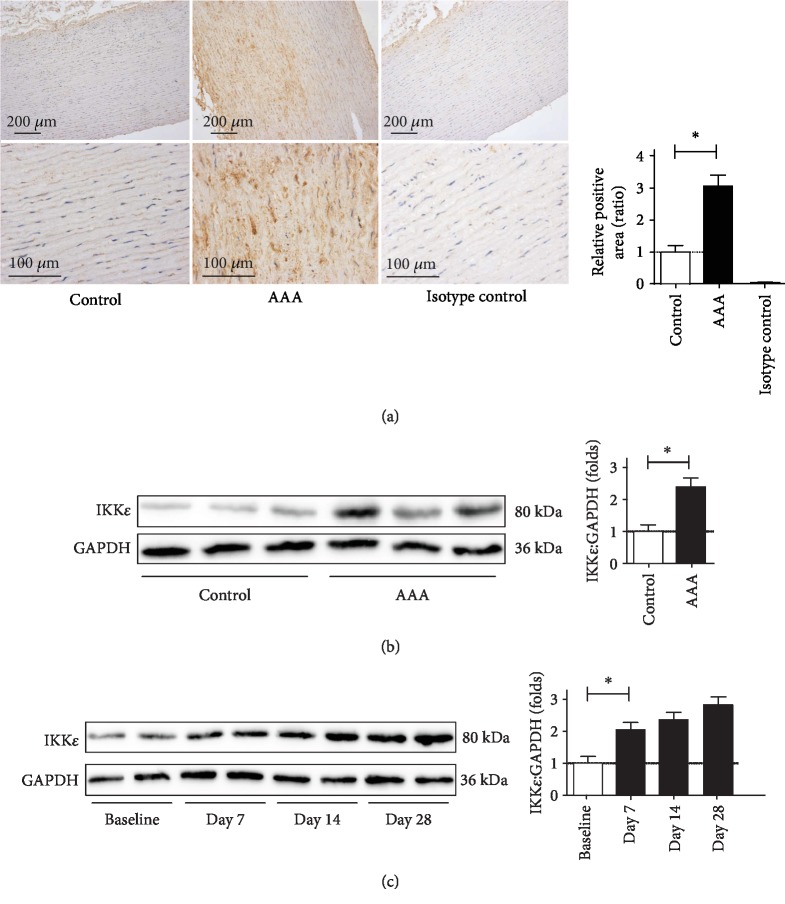
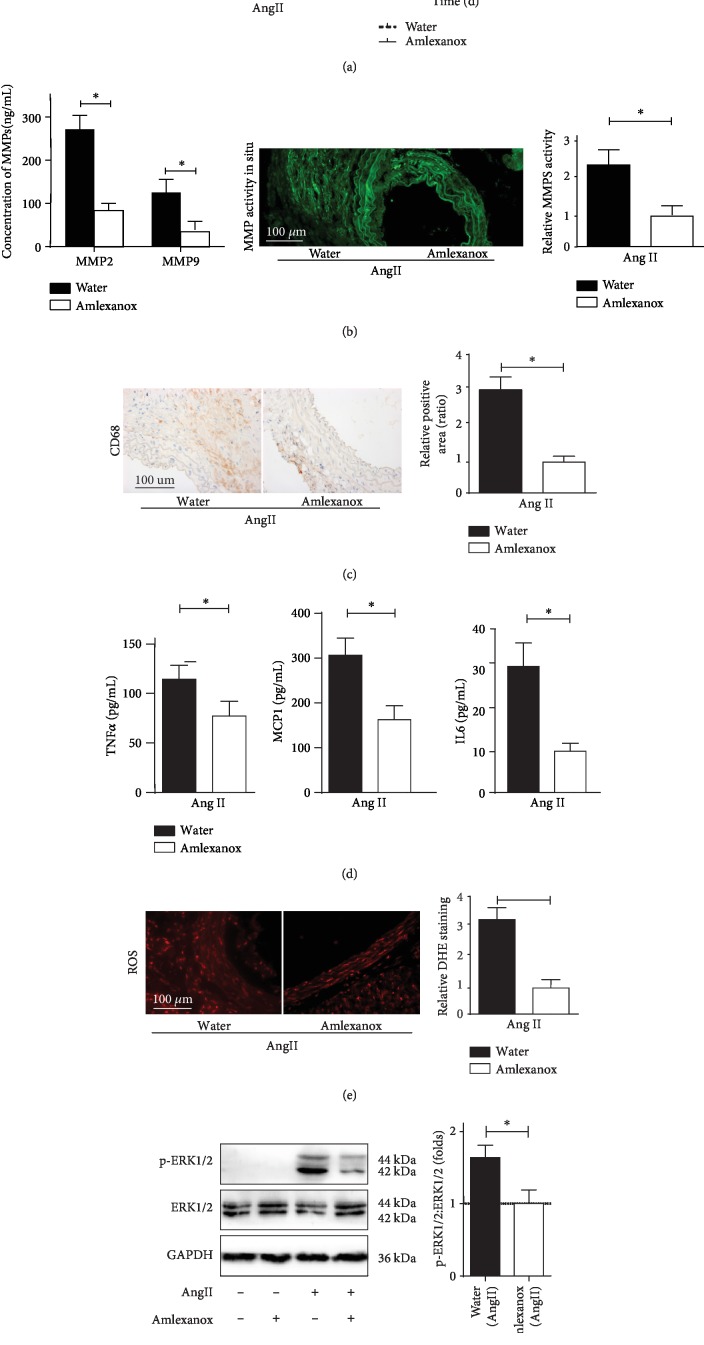
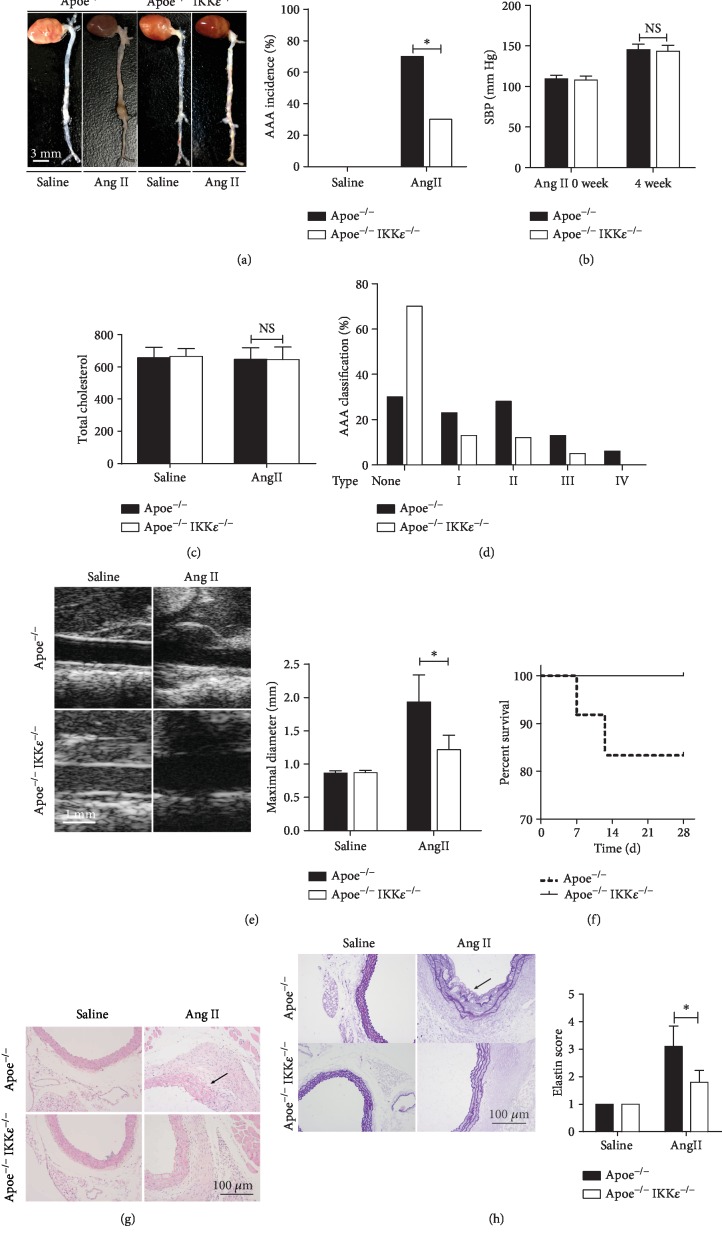
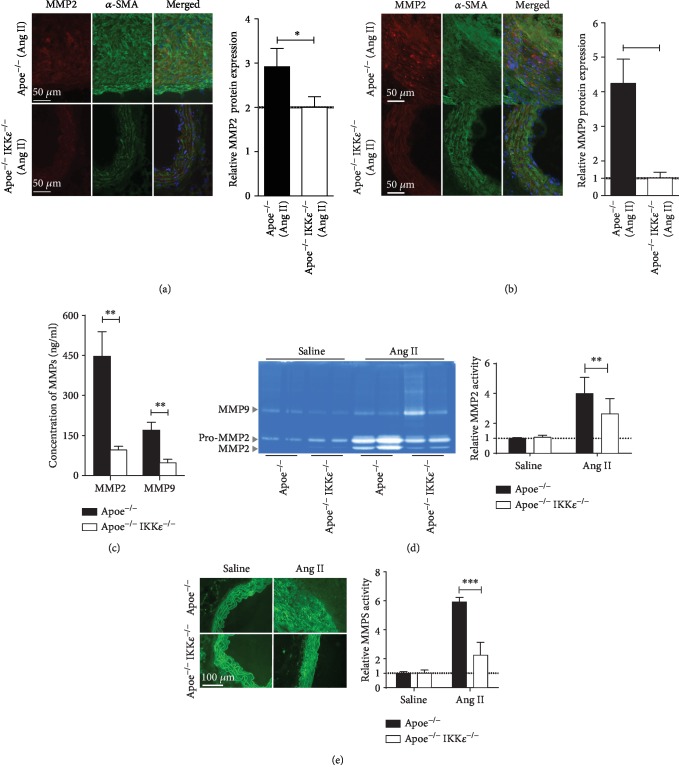
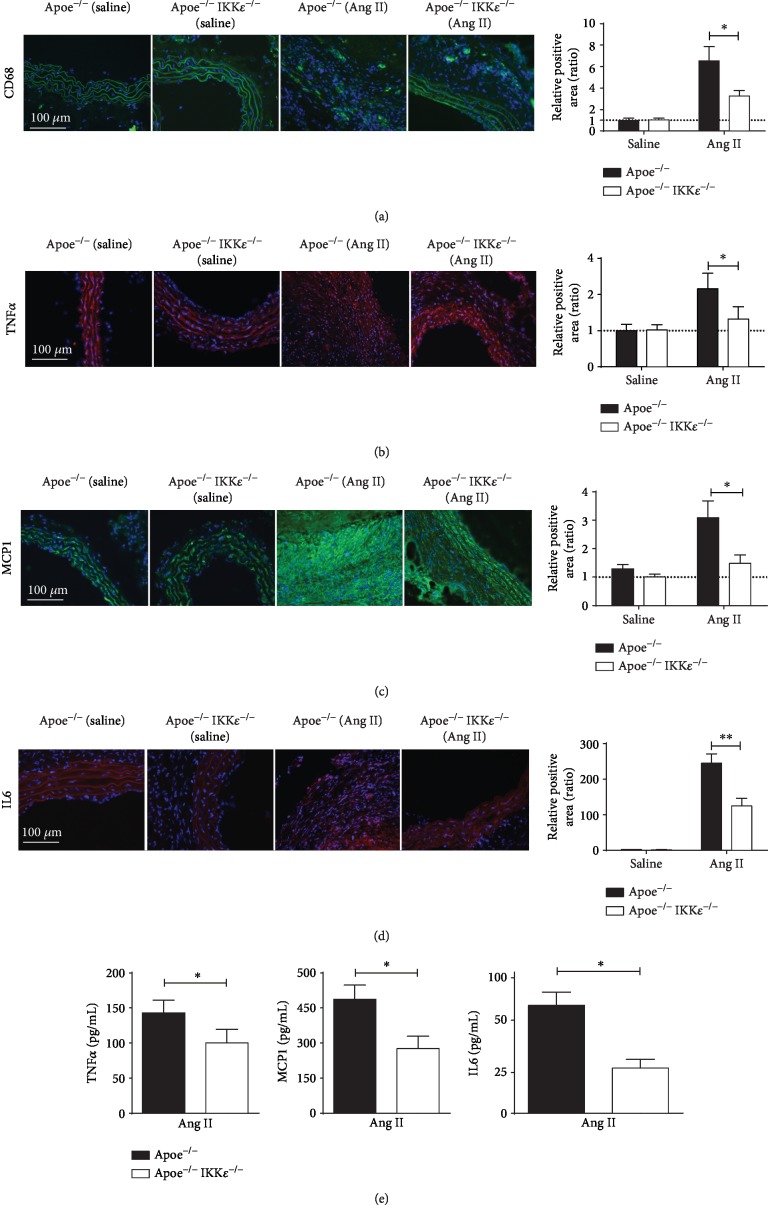
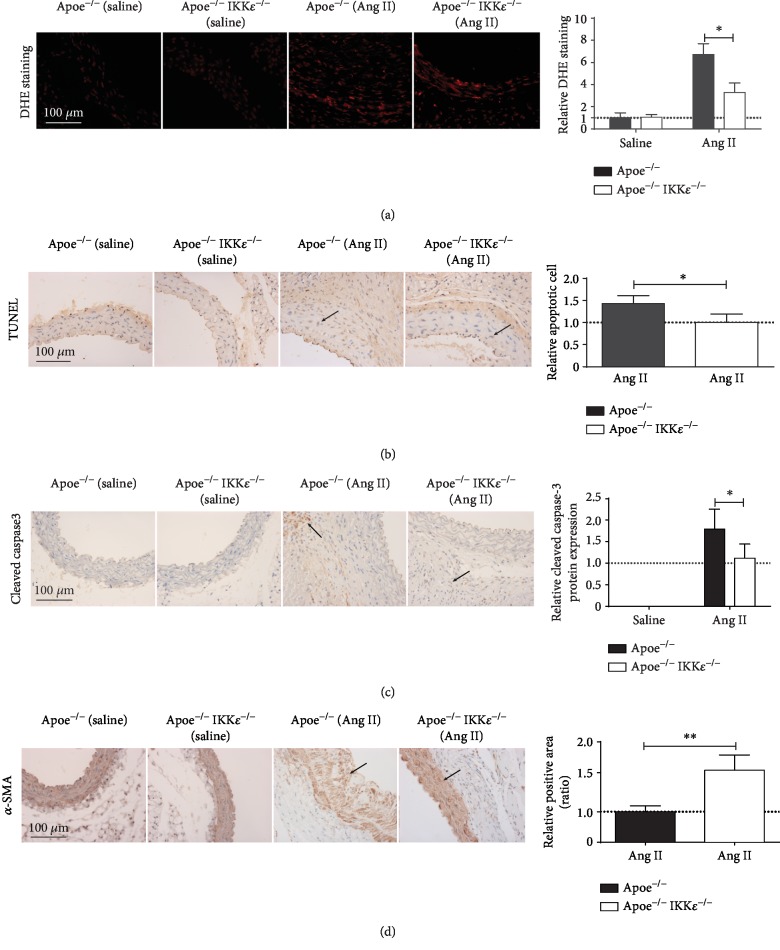
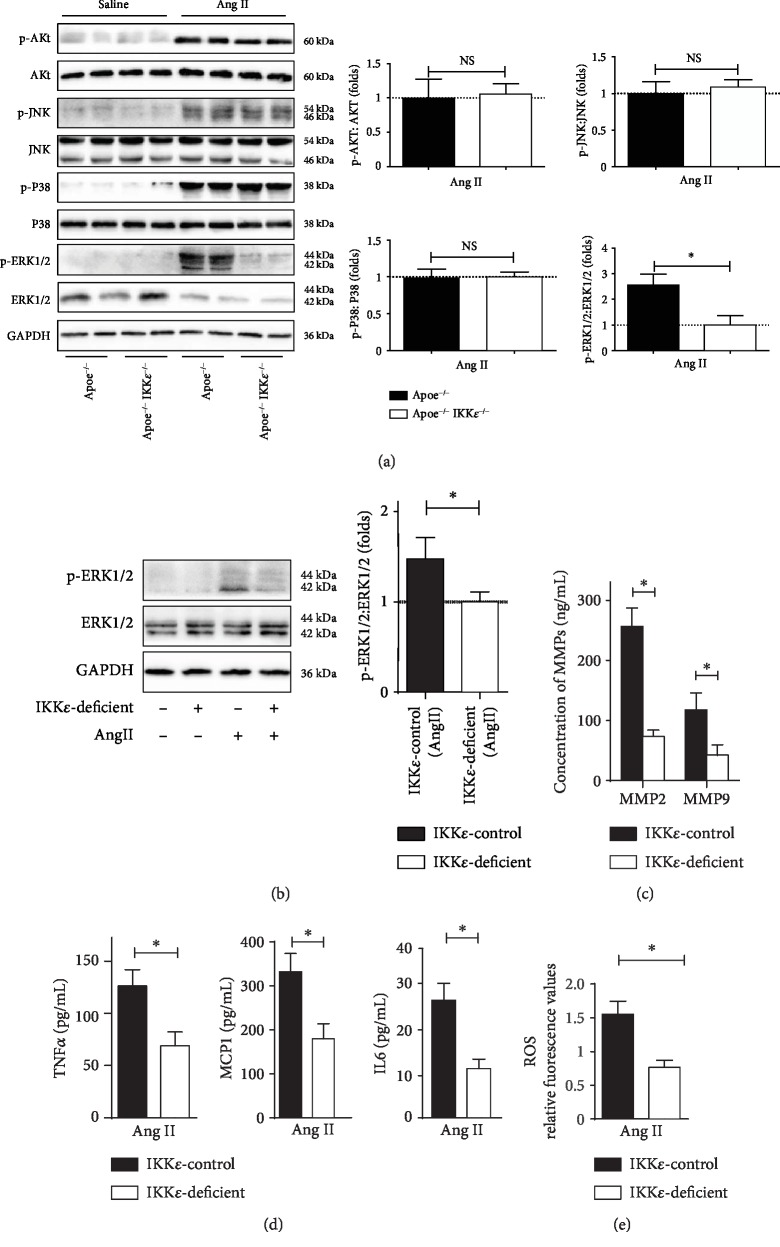
Abdominal aortic aneurysm (AAA) is a vascular disorder that is considered a chronic inflammatory disease. However, the precise molecular mechanisms involved in AAA have not been fully elucidated. Recently, significant progress has been made in understanding the function and mechanism of action of inhibitor of kappa B kinase epsilon (IKK) in inflammatory and metabolic diseases. The angiotensin II- (Ang II-) induced or pharmacological inhibitors were established to test the effects of IKK on AAA in vivo. After mice were continuously stimulated with Ang II for 28 days, morphologically, we found that knockout of IKK reduced AAA formation and drastically reduced maximal diameter and severity. We also observed a decrease in elastin degradation and medial destruction, which were independent of systolic blood pressure or plasma cholesterol concentrations. Western blot analyses and immunohistochemical staining were carried out to measure IKK expression in AAA tissues and cell lines. AAA phenotype of mice was measured by ultrasound and biochemical indexes. In zymography, immunohistology staining, immunofluorescence staining, and reactive oxygen species (ROS) analysis, TUNEL assay was used to examine the effects of IKK on AAA progression in AAA mice. IKK deficiency significantly inhibited inflammatory macrophage infiltration, matrix metalloproteinase (MMP) activity, ROS production, and vascular smooth muscle cell (VSMC) apoptosis. We used primary mouse aortic VSMC isolated from apolipoprotein E (Apoe) and ApoeIKK mice. Mechanistically, IKK deficiency blunted the activation of the ERK1/2 pathway. The IKK inhibitor, amlexanox, has the same impact in AAA. Our results demonstrate a critical role of IKK in AAA formation induced by Ang II in Apoe mice. Targeting IKK may constitute a novel therapeutic strategy to prevent AAA progression.
腹主动脉瘤(AAA)是一种血管疾病,被认为是一种慢性炎症性疾病。然而,AAA 的确切分子机制尚未完全阐明。最近,人们在理解抑制κB 激酶ε(IKK)在炎症和代谢性疾病中的功能和作用机制方面取得了重大进展。血管紧张素 II-(Ang II-)诱导或药理学抑制剂被建立来测试 IKK 在体内对 AAA 的影响。在 Ang II 连续刺激小鼠 28 天后,形态学上,我们发现 IKK 缺失可减少 AAA 的形成,并显著降低最大直径和严重程度。我们还观察到弹性蛋白降解和中膜破坏减少,这与收缩压或血浆胆固醇浓度无关。进行 Western blot 分析和免疫组织化学染色,以测量 AAA 组织和细胞系中的 IKK 表达。通过超声和生化指标测量 AAA 表型。在明胶酶谱、免疫组织化学染色、免疫荧光染色和活性氧(ROS)分析中,使用 TUNEL 测定法检查 IKK 对 AAA 小鼠 AAA 进展的影响。IKK 缺乏显著抑制炎症性巨噬细胞浸润、基质金属蛋白酶(MMP)活性、ROS 产生和血管平滑肌细胞(VSMC)凋亡。我们使用从载脂蛋白 E(Apoe)和 ApoeIKK 小鼠分离的原代小鼠主动脉 VSMC。从机制上讲,IKK 缺乏会减弱 ERK1/2 途径的激活。IKK 抑制剂氨来占诺也对 AAA 有相同的影响。我们的结果表明,IKK 在 Apoe 小鼠的 Ang II 诱导的 AAA 形成中起关键作用。靶向 IKK 可能构成预防 AAA 进展的新治疗策略。