Division of Microbiology and Immunology, Department of Pathology, University of Utah School of Medicine, Salt Lake City, Utah.
Huntsman Cancer Institute, University of Utah Health, Salt Lake City, Utah.
Cancer Immunol Res. 2020 Apr;8(4):506-517. doi: 10.1158/2326-6066.CIR-19-0690. Epub 2020 Feb 19.
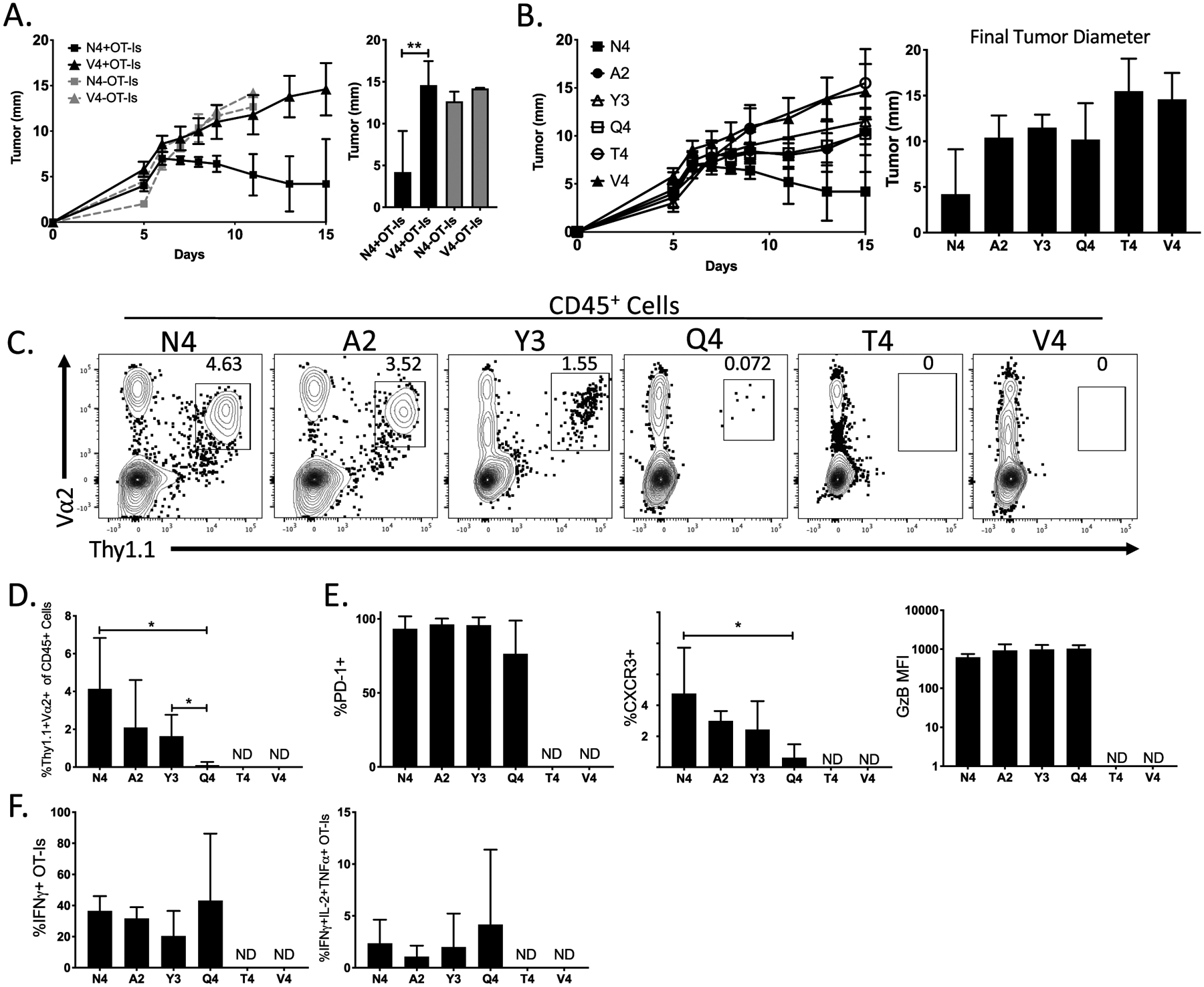
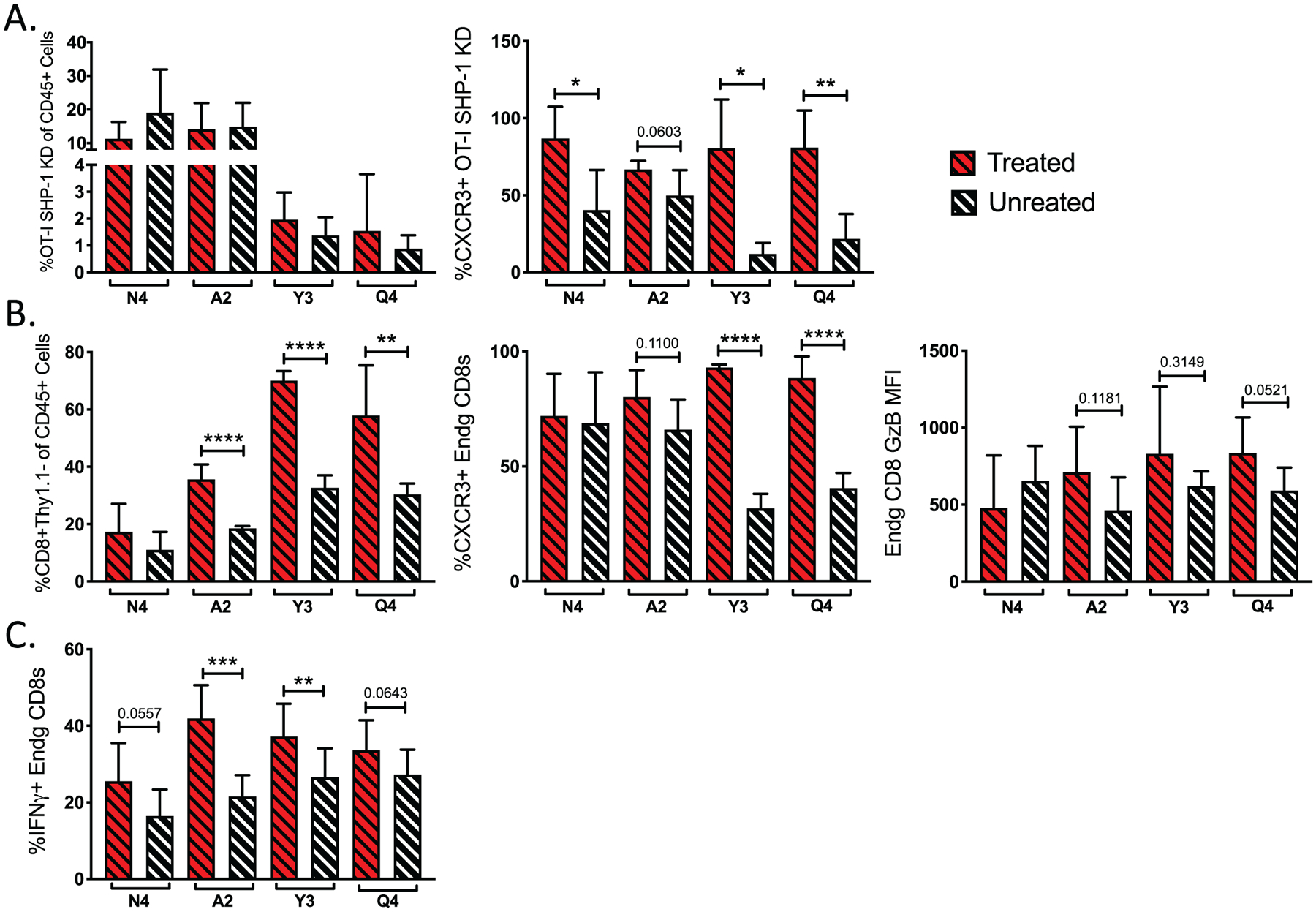
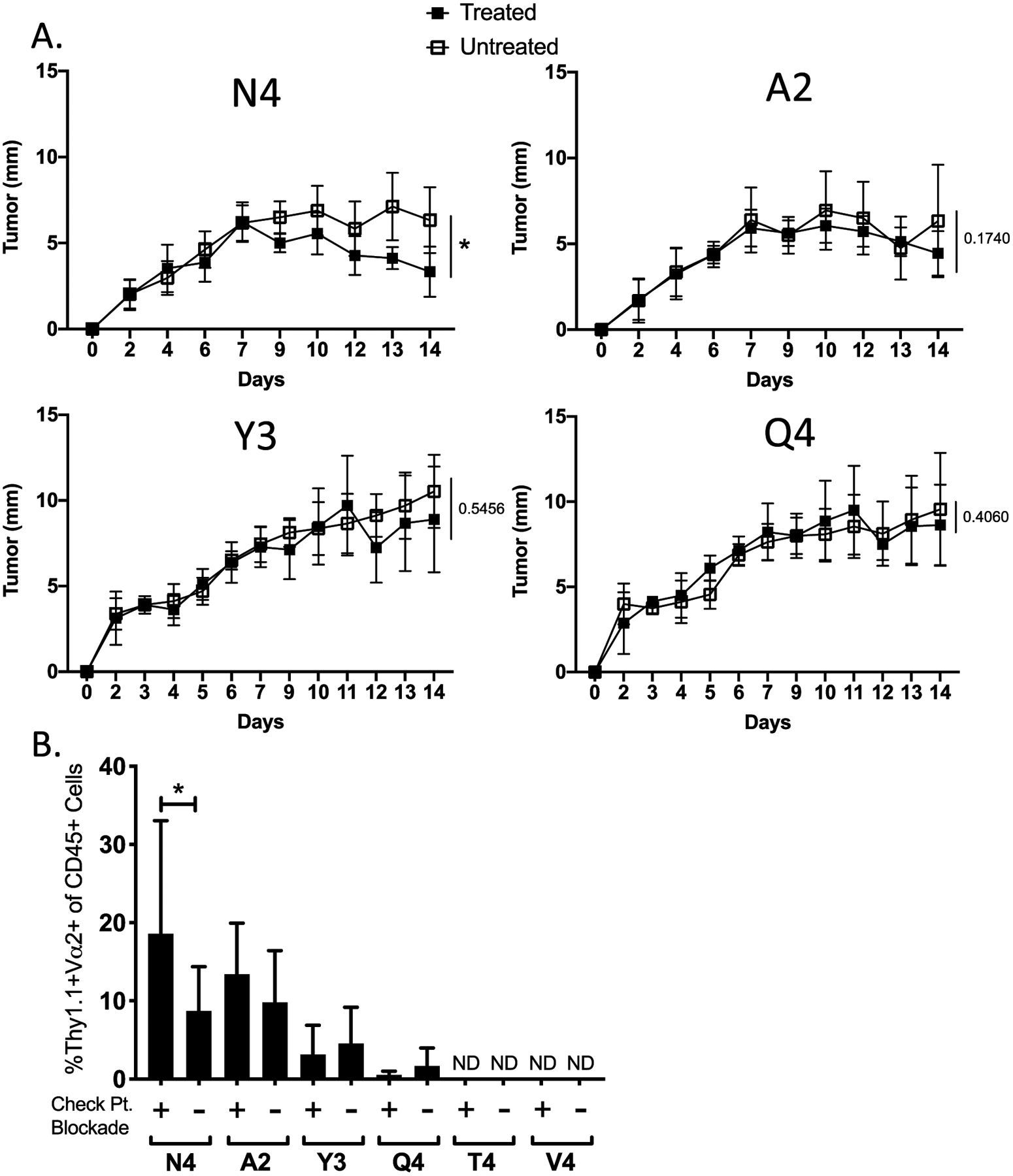
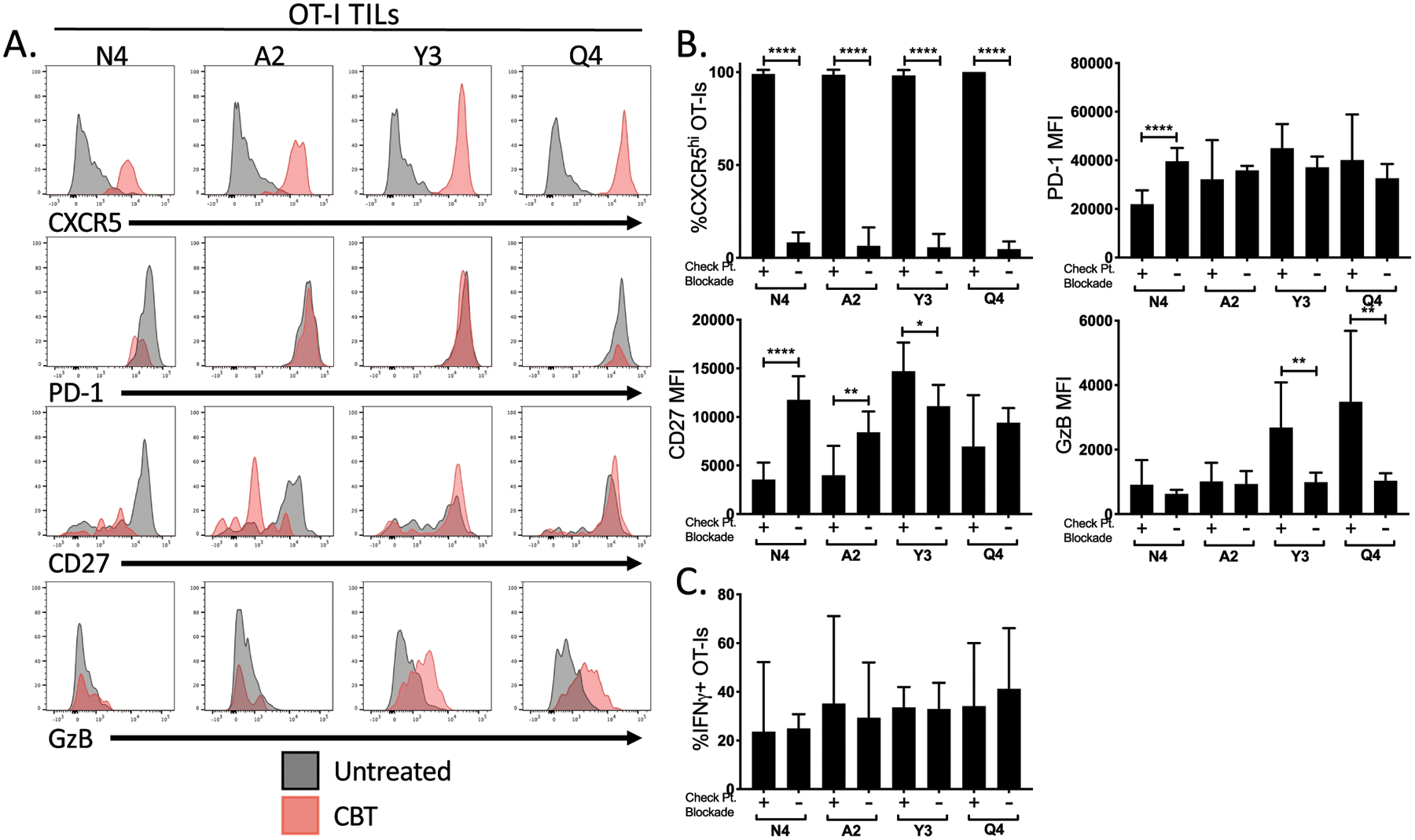
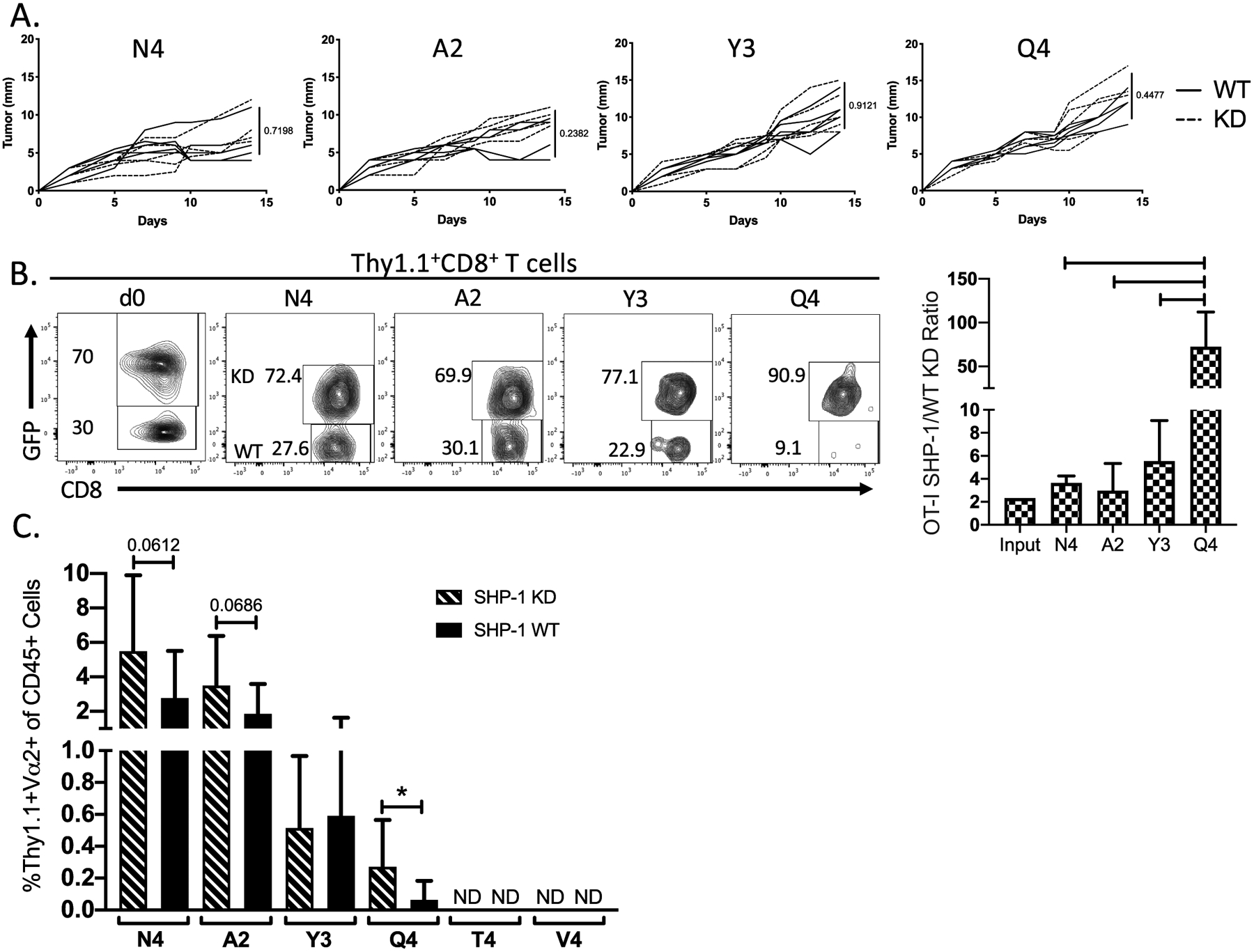
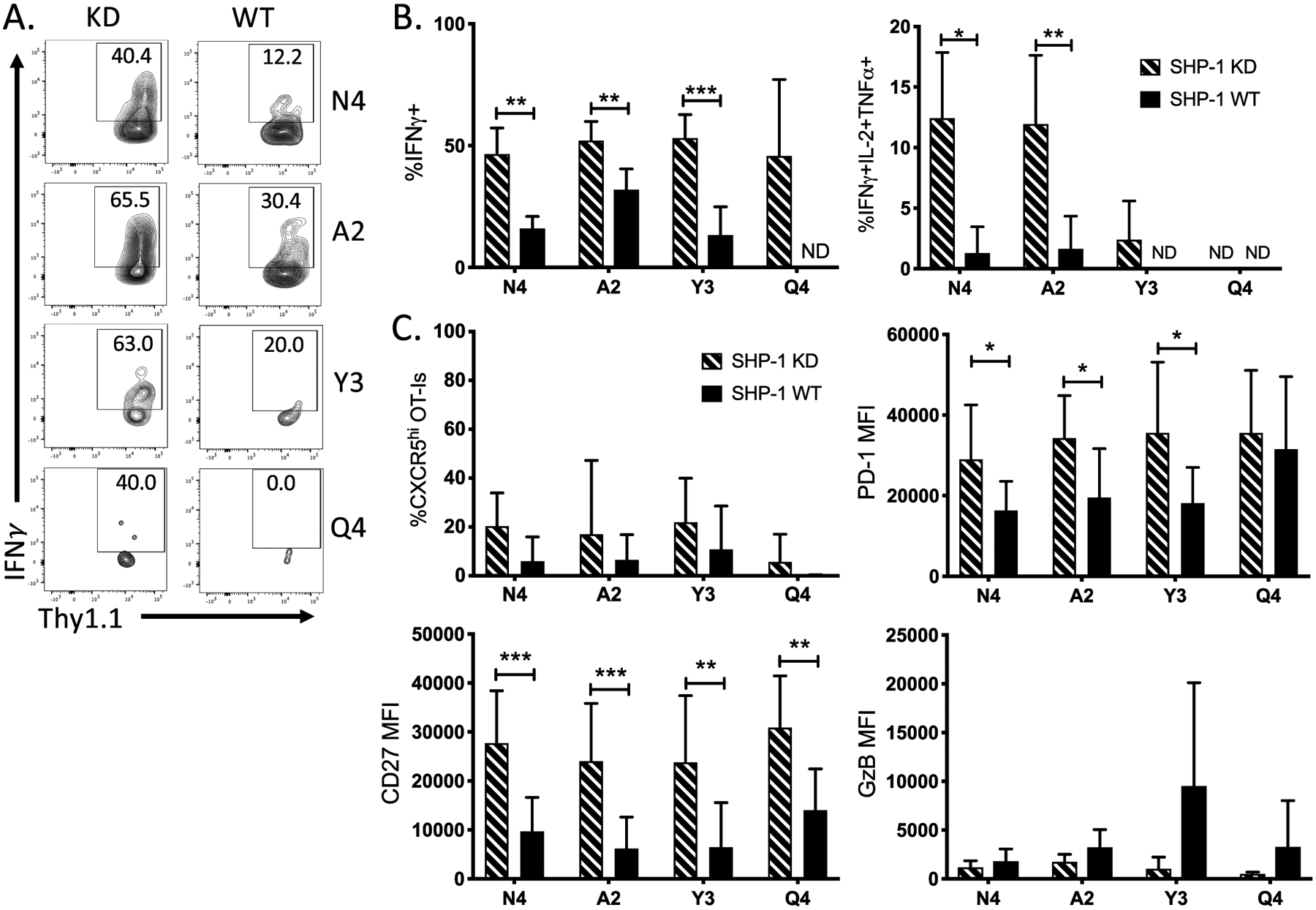
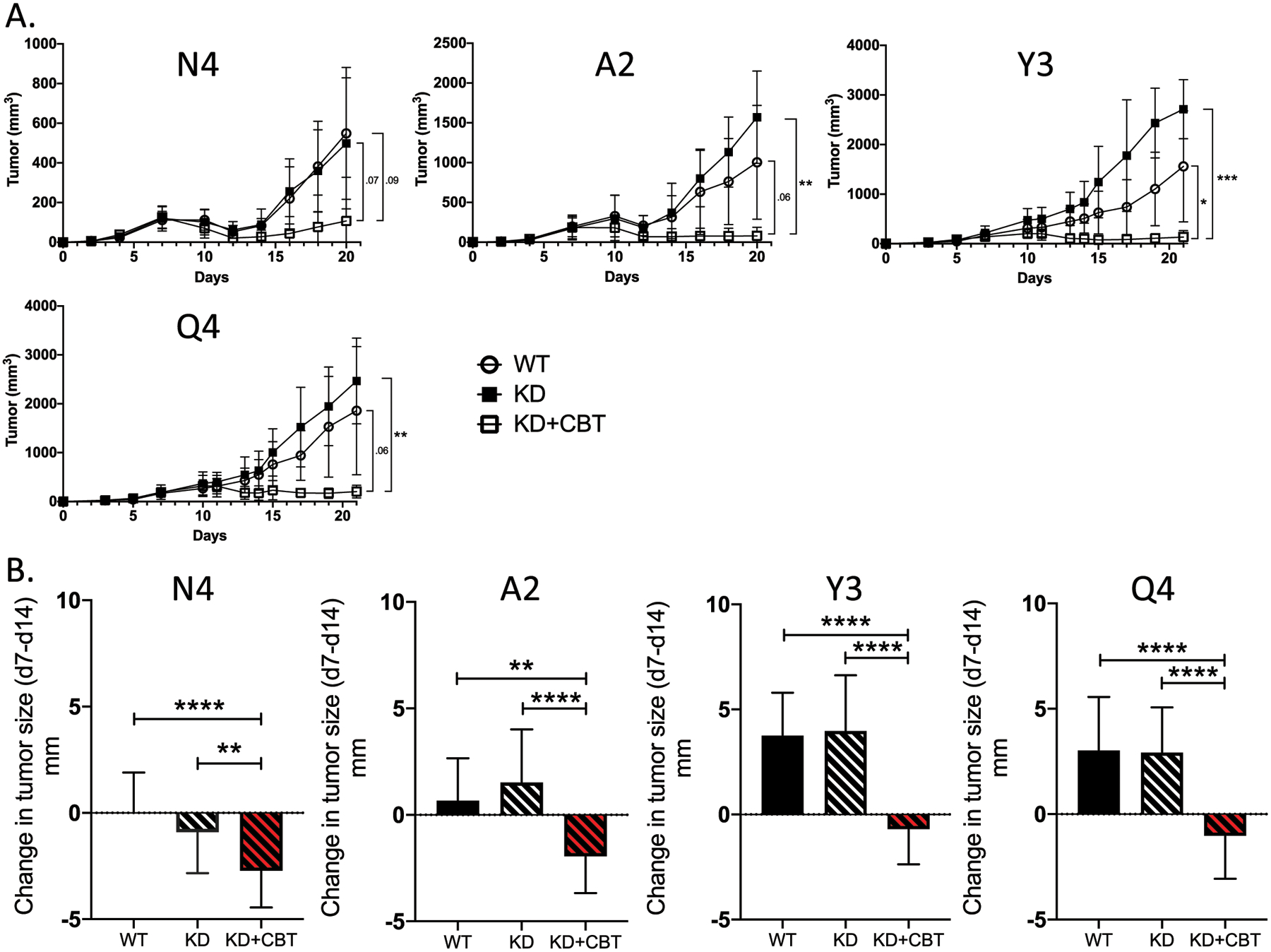
The presence and activity of CD8 T cells within the tumor microenvironment are essential for the control of tumor growth. Utilizing B16-F10 melanoma tumors that express altered peptide ligands of chicken ovalbumin, OVA, we measured high- and low-affinity OVA-specific responses following adoptive transfer of OT-I CD8 T cell into mice subsequently challenged with tumors. T-cell receptor (TCR) affinity positively correlated with the frequency of OT-I tumor-infiltrating lymphocytes (TIL). Differences in TCR affinity inversely corresponded to tumor growth rate. Blockade of the PD-1 and CTLA-4 checkpoints preferentially increased the frequency and antitumor function of TIL responding to high-affinity antigens, while failing to enhance the antitumor activity of low-affinity T cells. To determine whether lowering the TCR activation threshold could enhance the breadth and magnitude of the antitumor T-cell response, we inhibited Src homology region 2 domain-containing phosphatase 1 (SHP-1) in OT-I T cells prior to tumor antigen exposure. SHP-1 knockdown increased the cytokine-producing potential of high- and low-affinity T cells but failed to enhance control of tumor growth. In contrast, when SHP-1 knockdown of OT-I T cells was combined with immunotherapy, we observed a significant and long-lasting suppression of tumor growth mediated by low-affinity T cells. We conclude that lowering the TCR activation threshold by targeting SHP-1 expands the repertoire of T cells available to respond to conventional checkpoint blockade, leading to enhanced control of tumor growth.
CD8 T 细胞在肿瘤微环境中的存在和活性对于控制肿瘤生长至关重要。利用表达鸡卵清蛋白(OVA)改变肽配体的 B16-F10 黑色素瘤肿瘤,我们在随后用肿瘤挑战的小鼠中观察到 OT-I CD8 T 细胞过继转移后高亲和性和低亲和性 OVA 特异性反应。T 细胞受体(TCR)亲和力与 OT-I 肿瘤浸润淋巴细胞(TIL)的频率呈正相关。TCR 亲和力的差异与肿瘤生长速度呈反比。阻断 PD-1 和 CTLA-4 检查点优先增加了对高亲和性抗原的 TIL 的频率和抗肿瘤功能,而未能增强低亲和性 T 细胞的抗肿瘤活性。为了确定降低 TCR 激活阈值是否可以增强抗肿瘤 T 细胞反应的广度和幅度,我们在肿瘤抗原暴露前抑制 OT-I T 细胞中的Src 同源结构域 2 区磷酸酶 1(SHP-1)。SHP-1 敲低增加了高亲和性和低亲和性 T 细胞的细胞因子产生潜力,但未能增强对肿瘤生长的控制。相比之下,当 OT-I T 细胞的 SHP-1 敲低与免疫疗法相结合时,我们观察到低亲和性 T 细胞介导的肿瘤生长的显著和持久抑制。我们得出结论,通过靶向 SHP-1 降低 TCR 激活阈值可以扩大可用于响应常规检查点阻断的 T 细胞库,从而增强对肿瘤生长的控制。