Zaninetti Carlo, Greinacher Andreas
Institut für Immunologie und Transfusionsmedizin, Universitätsmedizin Greifswald, 17489 Greifswald, Germany.
University of Pavia, and IRCCS Policlinico San Matteo Foundation, 27100 Pavia, Italy.
J Clin Med. 2020 Feb 17;9(2):539. doi: 10.3390/jcm9020539.
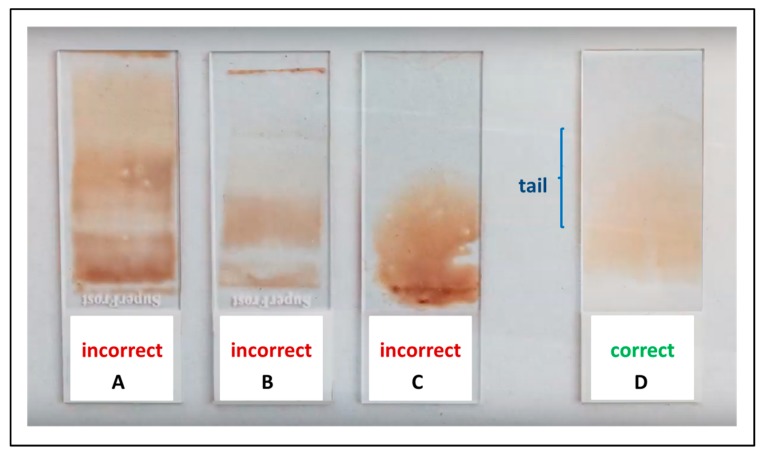
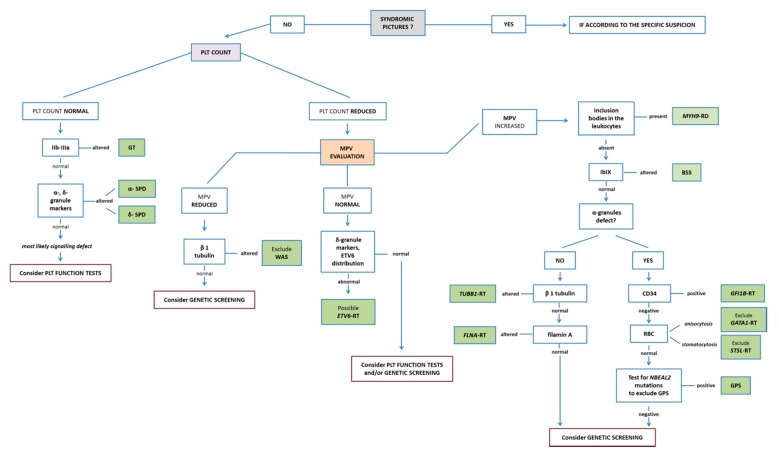
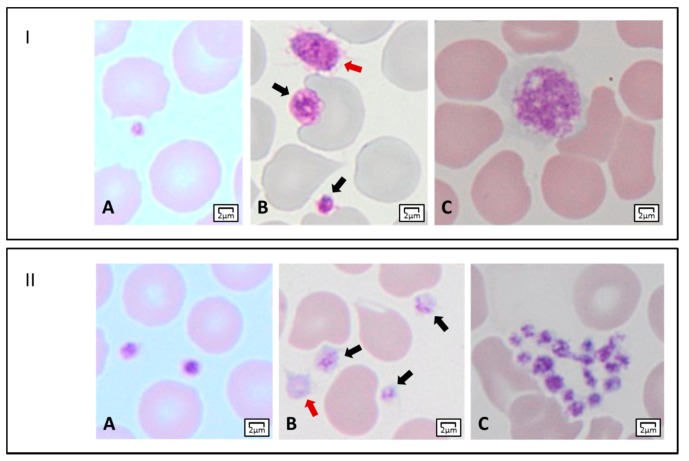
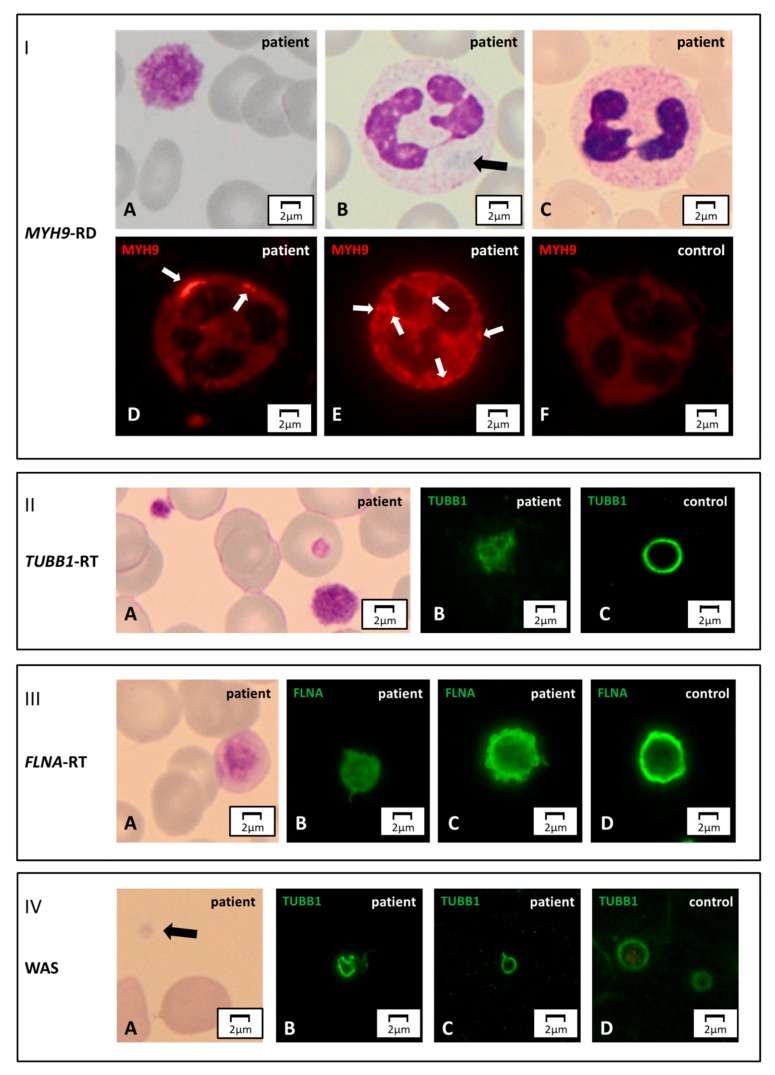
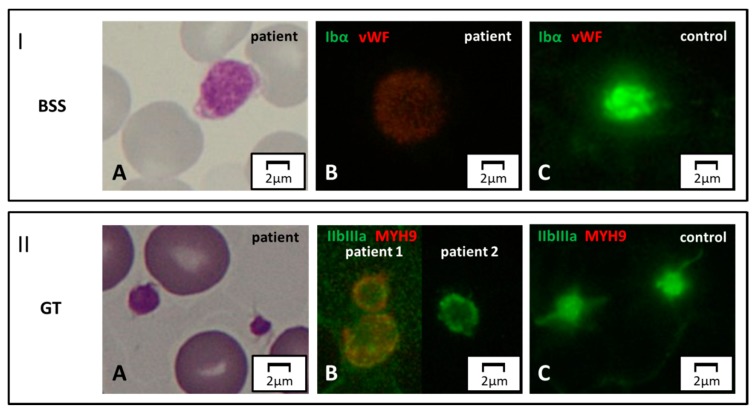
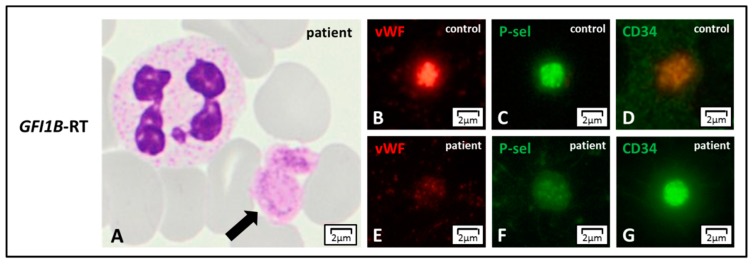
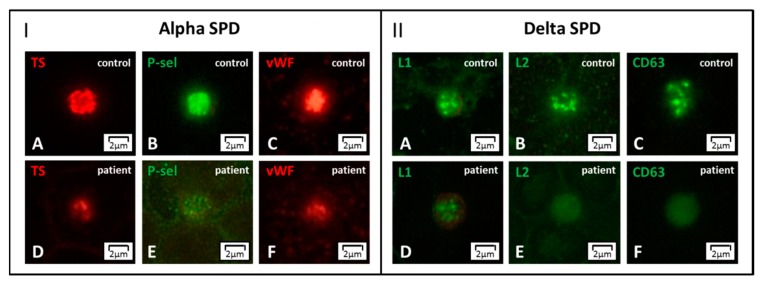
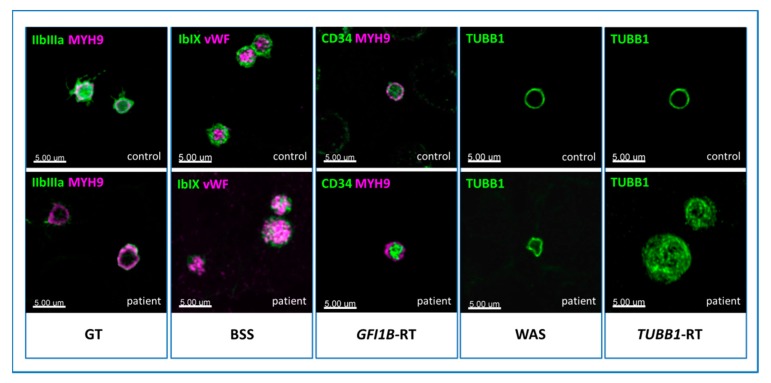
Inherited platelet disorders (IPDs) are rare diseases featured by low platelet count and defective platelet function. Patients have variable bleeding diathesis and sometimes additional features that can be congenital or acquired. Identification of an IPD is desirable to avoid misdiagnosis of immune thrombocytopenia and the use of improper treatments. Diagnostic tools include platelet function studies and genetic testing. The latter can be challenging as the correlation of its outcomes with phenotype is not easy. The immune-morphological evaluation of blood smears (by light- and immunofluorescence microscopy) represents a reliable method to phenotype subjects with suspected IPD. It is relatively cheap, not excessively time-consuming and applicable to shipped samples. In some forms, it can provide a diagnosis by itself, as for -RD, or in addition to other first-line tests as aggregometry or flow cytometry. In regard to genetic testing, it can guide specific sequencing. Since only minimal amounts of blood are needed for the preparation of blood smears, it can be used to characterize thrombocytopenia in pediatric patients and even newborns further. In principle, it is based on visualizing alterations in the distribution of proteins, which result from specific genetic mutations by using monoclonal antibodies. It can be applied to identify deficiencies in membrane proteins, disturbed distribution of cytoskeletal proteins, and alpha as well as delta granules. On the other hand, mutations associated with impaired signal transduction are difficult to identify by immunofluorescence of blood smears. This review summarizes technical aspects and the main diagnostic patterns achievable by this method.
遗传性血小板疾病(IPDs)是一类罕见疾病,其特征为血小板计数低和血小板功能缺陷。患者有不同程度的出血倾向,有时还伴有先天性或后天性的其他特征。明确诊断IPD有助于避免免疫性血小板减少症的误诊以及不当治疗的使用。诊断工具包括血小板功能研究和基因检测。后者可能具有挑战性,因为其结果与表型的相关性并不容易确定。血液涂片的免疫形态学评估(通过光学显微镜和免疫荧光显微镜)是对疑似IPD患者进行表型分析的可靠方法。它相对便宜,耗时不长,适用于送检样本。在某些类型中,它本身就可以提供诊断,如对于-RD,或者作为凝集试验或流式细胞术等其他一线检测的补充。对于基因检测,它可以指导特定的测序。由于制备血液涂片仅需少量血液,它可进一步用于儿科患者甚至新生儿血小板减少症的特征分析。原则上,它基于使用单克隆抗体可视化由特定基因突变导致的蛋白质分布变化。它可用于识别膜蛋白缺陷、细胞骨架蛋白分布紊乱以及α和δ颗粒。另一方面,通过血液涂片免疫荧光难以识别与信号转导受损相关的突变。本综述总结了该方法的技术方面以及可实现的主要诊断模式。