Institute of Biochemistry, Medical Faculty, University of Giessen, Friedrichstrasse 24, 35392 Giessen, Germany.
University Children's Hospital Heidelberg, Department of General Pediatrics, Division of Neuropediatrics and Metabolic Medicine, 69120 Heidelberg, Germany.
Cells. 2020 Feb 19;9(2):477. doi: 10.3390/cells9020477.
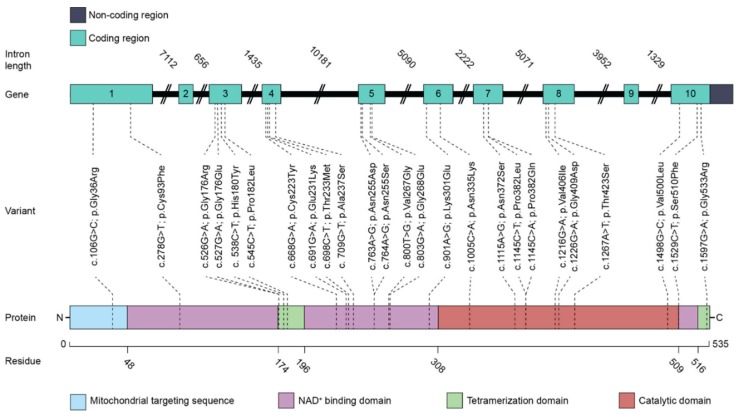
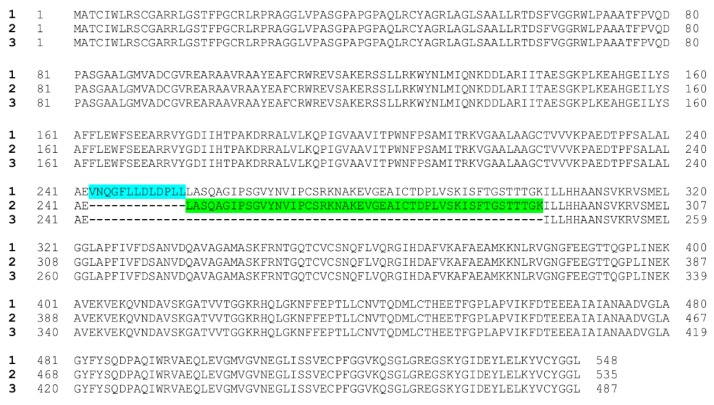
Succinic semialdehyde dehydrogenase deficiency (SSADH-D) is a genetic disorder that results from the aberrant metabolism of the neurotransmitter γ-amino butyric acid (GABA). The disease is caused by impaired activity of the mitochondrial enzyme succinic semialdehyde dehydrogenase. SSADH-D manifests as varying degrees of mental retardation, autism, ataxia, and epileptic seizures, but the clinical picture is highly heterogeneous. So far, there is no approved curative therapy for this disease. In this review, we briefly summarize the molecular genetics of SSADH-D, the past and ongoing clinical trials, and the emerging features of the molecular pathogenesis, including redox imbalance and mitochondrial dysfunction. The main aim of this review is to discuss the potential of further therapy approaches that have so far not been tested in SSADH-D, such as pharmacological chaperones, read-through drugs, and gene therapy. Special attention will also be paid to elucidating the role of patient advocacy organizations in facilitating research and in the communication between researchers and patients.
琥珀酸半醛脱氢酶缺乏症(SSADH-D)是一种遗传疾病,由神经递质γ-氨基丁酸(GABA)的代谢异常引起。这种疾病是由线粒体酶琥珀酸半醛脱氢酶的活性受损引起的。SSADH-D 的表现为不同程度的智力迟钝、自闭症、共济失调和癫痫发作,但临床表现高度异质。到目前为止,还没有针对这种疾病的批准的治疗方法。在这篇综述中,我们简要总结了 SSADH-D 的分子遗传学、过去和正在进行的临床试验以及分子发病机制的新特征,包括氧化还原失衡和线粒体功能障碍。本综述的主要目的是讨论迄今为止尚未在 SSADH-D 中测试过的进一步治疗方法的潜力,例如药理学伴侣、通读药物和基因治疗。我们还将特别关注阐明患者倡导组织在促进研究以及在研究人员和患者之间进行沟通方面的作用。