Medical School, State Key Laboratory of Medicinal Chemical Biology, Key Laboratory of Bioactive Materials for Ministry of Education, Nankai University, Tianjin 300071, China.
Institute of Laser and Optoelectronics, School of Precision Instruments and Optoelectronics Engineering, Tianjin University, Tianjin 300072, China.
Brain Behav Immun. 2020 Jul;87:645-659. doi: 10.1016/j.bbi.2020.02.009. Epub 2020 Feb 22.
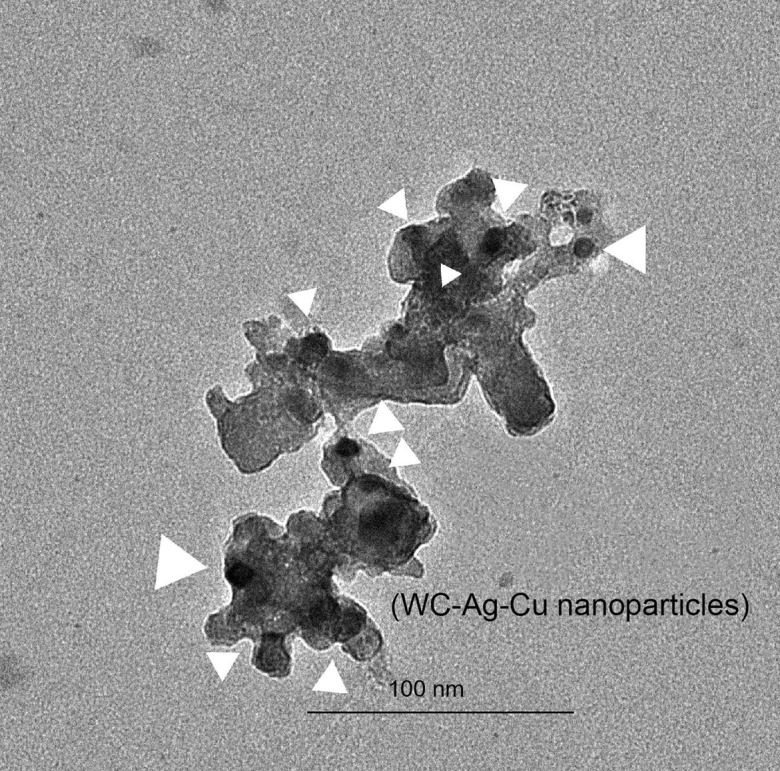
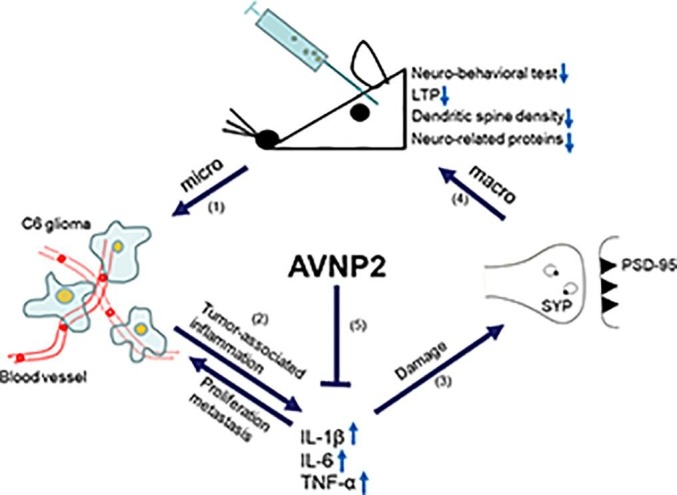
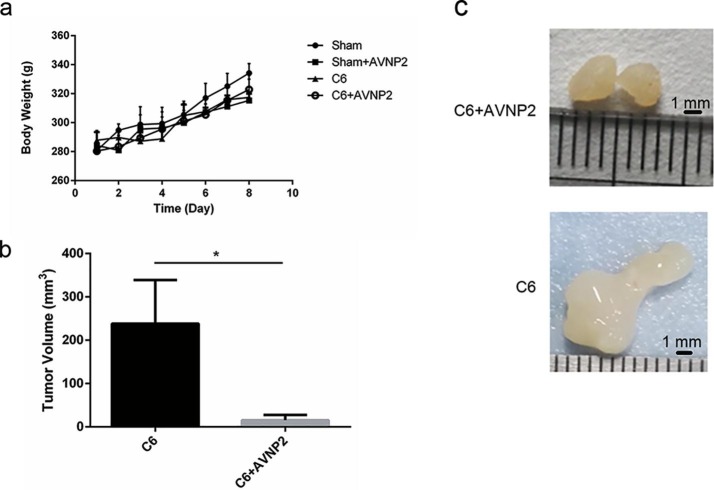
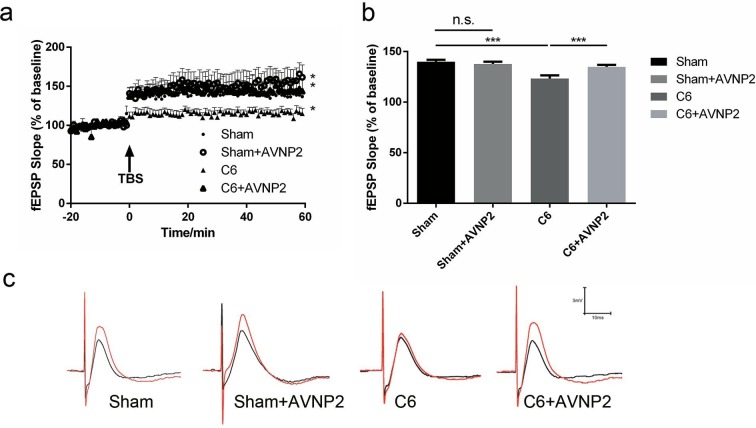
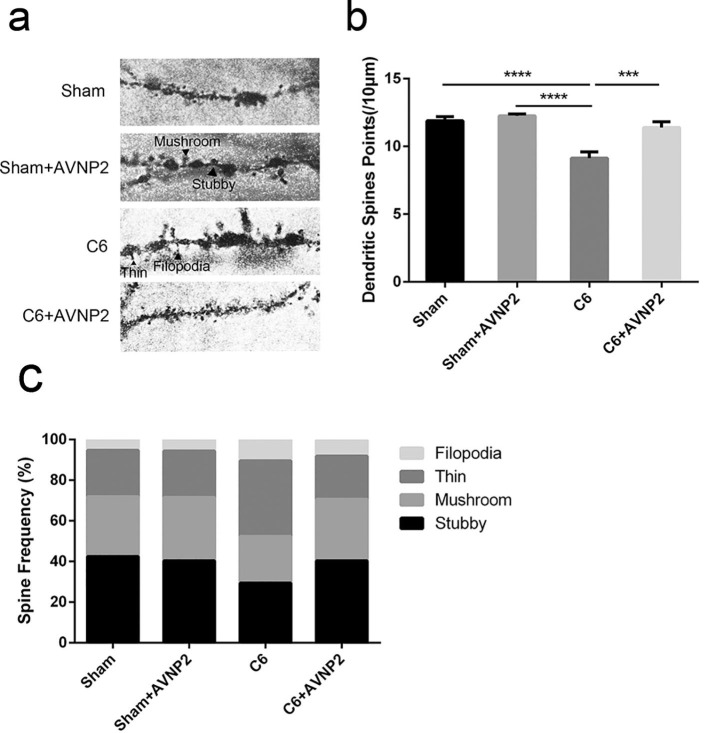
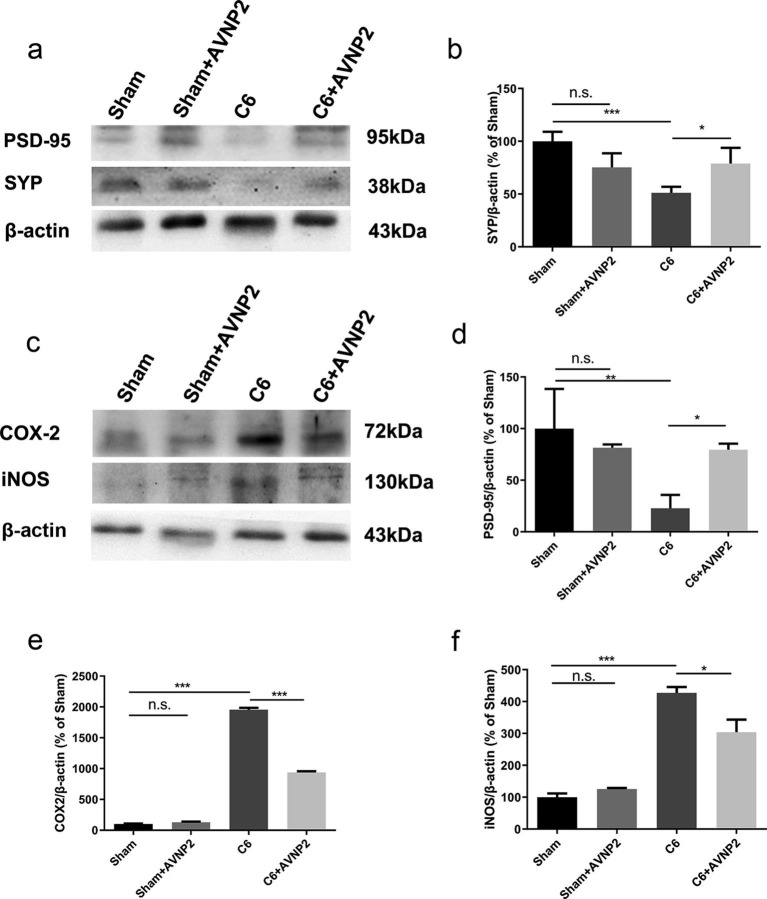
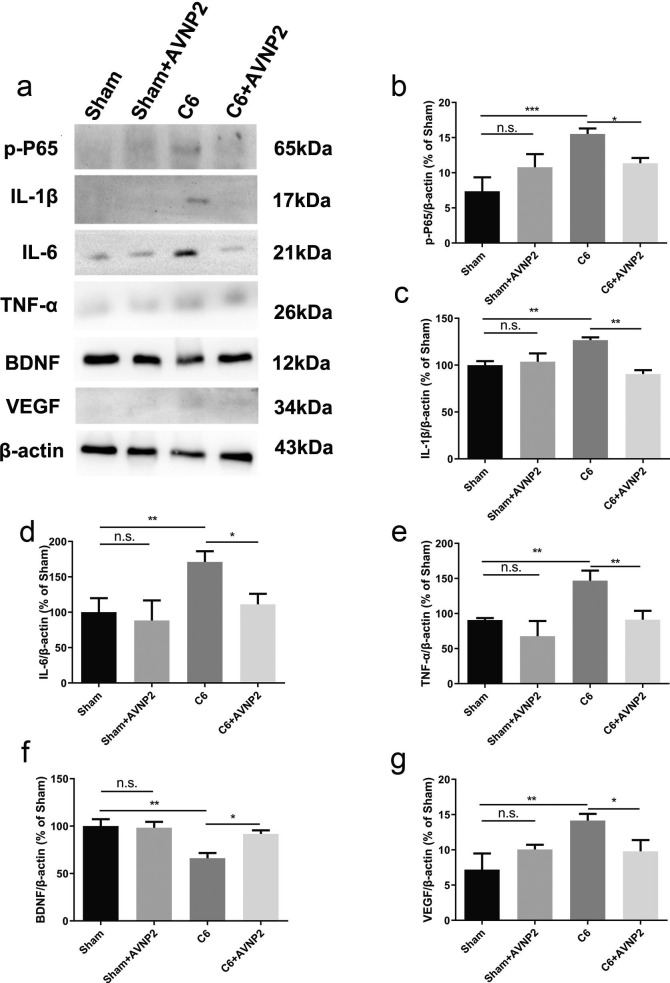
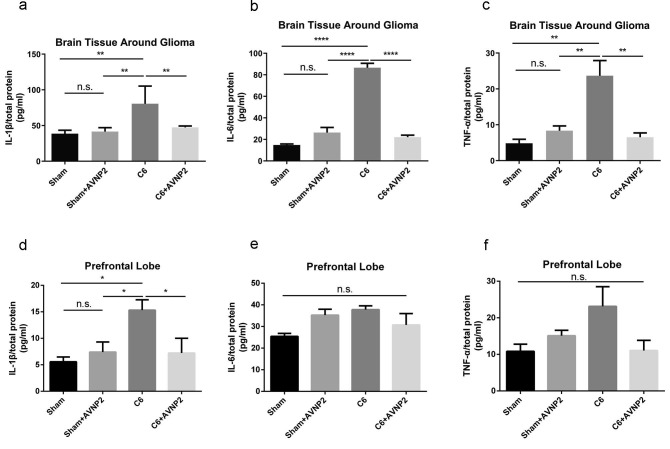
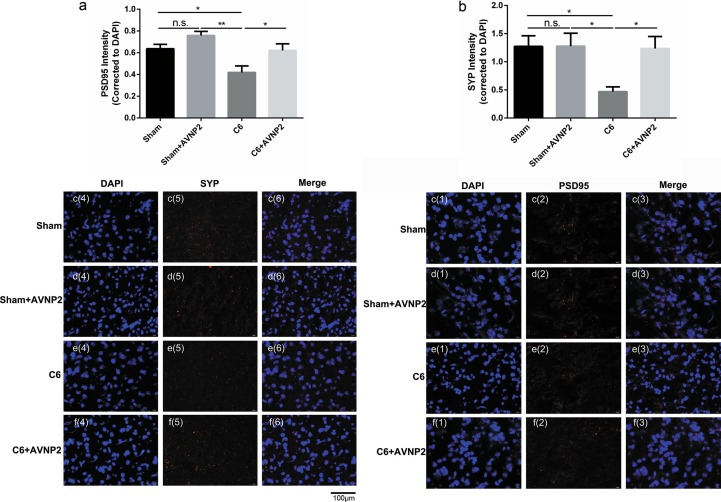
Glioblastoma is a kind of malignant tumour and originates from the central nervous system. In the last century, some researchers and clinician have noticed that the psychosocial and neurocognitive functioning of patients with malignant gliomas can be impaired. Many clinical studies have demonstrated that part of patients, adults or children, diagnosed with glioblastoma will suffer from cognitive deficiency during their clinical course, especially in long-term survivors. Many nanoparticles (NPs) can inhibit the biological functions of tumours by modulating tumour-associated inflammation, which provokes angiogenesis and tumour growth. As one of the best antiviral nanoparticles (AVNPs), AVNP2 is the 2nd generation of AVNP2 that have been conjugated to graphite-graphene for improving physiochemical performance and reducing toxicity. AVNP2 inactivates viruses, such as the H1N1 and H5N1influenza viruses and even the SARS coronavirus, while it inhibits bacteria, such as MRSA and E. coli. As antimicrobials, nanoparticles are considered to be one of the vectors for the administration of therapeutic compounds. Yet, little is known about their potential functionalities and toxicities to the neurotoxic effects of cancer. Herein, we explored the functionality of AVNP2 on inhibiting C6 in glioma-bearing rats. The novel object-recognition test and open-field test showed that AVNP2 significantly improved the neuro-behaviour affected by C6 glioma. AVNP2 also alleviated the decline of long-term potentiation (LTP) and the decreased density of dendritic spines in the CA1 region induced by C6. Western blot assay and immunofluorescence staining showed that the expressions of synaptic-related proteins (PSD-95 and SYP) were increased, and these findings were in accordance with the results mentioned above. It revealed that the sizes of tumours in C6 glioma-bearing rats were smaller after treatment with AVNP2. The decreased expression of inflammatory factors (IL-1β, IL-6 and TNF-α) by Western blotting assay and ELISA, angiogenesis protein (VEGF) by Western blotting assay and other related proteins (BDNF, NF-ĸB, iNOS and COX-2) by Western blotting assay in peri-tumour tissue indicated that AVNP2 could control tumour-associated inflammation, thus efficiently ameliorating the local inflammatory condition and, to some extent, inhibiting angiogenesis in C6-bearing rats. In conclusion, our results suggested that AVNP2 could have an effect on the peri-tumor environment, obviously restraining the growth progress of gliomas, and eventually improving cognitive levels in C6-bearing rats.
胶质母细胞瘤是一种恶性肿瘤,起源于中枢神经系统。在上个世纪,一些研究人员和临床医生注意到,恶性胶质瘤患者的社会心理和神经认知功能可能会受到损害。许多临床研究表明,部分成人或儿童胶质母细胞瘤患者在其临床过程中会出现认知缺陷,尤其是长期幸存者。许多纳米粒子(NPs)可以通过调节肿瘤相关炎症来抑制肿瘤的生物学功能,从而引发血管生成和肿瘤生长。作为最好的抗病毒纳米粒子(AVNPs)之一,AVNP2 是第二代 AVNP2,它已与石墨-石墨烯结合,以改善物理化学性能并降低毒性。AVNP2 可使病毒失活,如 H1N1 和 H5N1 流感病毒,甚至 SARS 冠状病毒,同时抑制细菌,如 MRSA 和大肠杆菌。作为抗菌剂,纳米粒子被认为是治疗化合物给药的载体之一。然而,人们对它们对癌症神经毒性的潜在功能和毒性知之甚少。在此,我们研究了 AVNP2 对荷胶质瘤 C6 大鼠的功能。新物体识别试验和旷场试验表明,AVNP2 显著改善了 C6 胶质母细胞瘤影响的神经行为。AVNP2 还减轻了 C6 引起的 CA1 区长时程增强(LTP)下降和树突棘密度降低。Western blot 检测和免疫荧光染色显示,突触相关蛋白(PSD-95 和 SYP)的表达增加,这些发现与上述结果一致。结果表明,荷胶质瘤 C6 大鼠经 AVNP2 治疗后肿瘤体积减小。Western blot 检测和 ELISA 检测到炎症因子(IL-1β、IL-6 和 TNF-α)表达降低,Western blot 检测到血管生成蛋白(VEGF)和其他相关蛋白(BDNF、NF-ĸB、iNOS 和 COX-2)表达降低提示 AVNP2 可控制肿瘤相关炎症,从而有效改善 C6 荷瘤大鼠的局部炎症状态,并在一定程度上抑制血管生成。总之,我们的结果表明,AVNP2 可能对肿瘤周围环境有影响,明显抑制胶质瘤的生长进程,最终提高 C6 荷瘤大鼠的认知水平。