Lin Ziqi, Zhang Chenlong, Zhang Xiaoxin, Shi Na, Wen Yongjian, Han Chengxia, Du Dan, Liu Tingting, Jin Tao, Deng Lihui, Jiang Kun, Yang Xiaonan, Guo Jia, Philips Anthony, Sutton Robert, Windsor John A, Huang Wei, Xue Ping, Xia Qing
Department of Integrated Traditional Chinese and Western Medicine, Sichuan Provincial Pancreatitis Centre and West China-Liverpool Biomedical Research Centre, West China Hospital, Sichuan University, Chengdu, China.
Department of Traditional Chinese Medicine, Xiang'an Hospital of Xiamen University, School of Medicine, Xiamen University, Xiamen, China.
Evid Based Complement Alternat Med. 2020 Feb 10;2020:9189457. doi: 10.1155/2020/9189457. eCollection 2020.
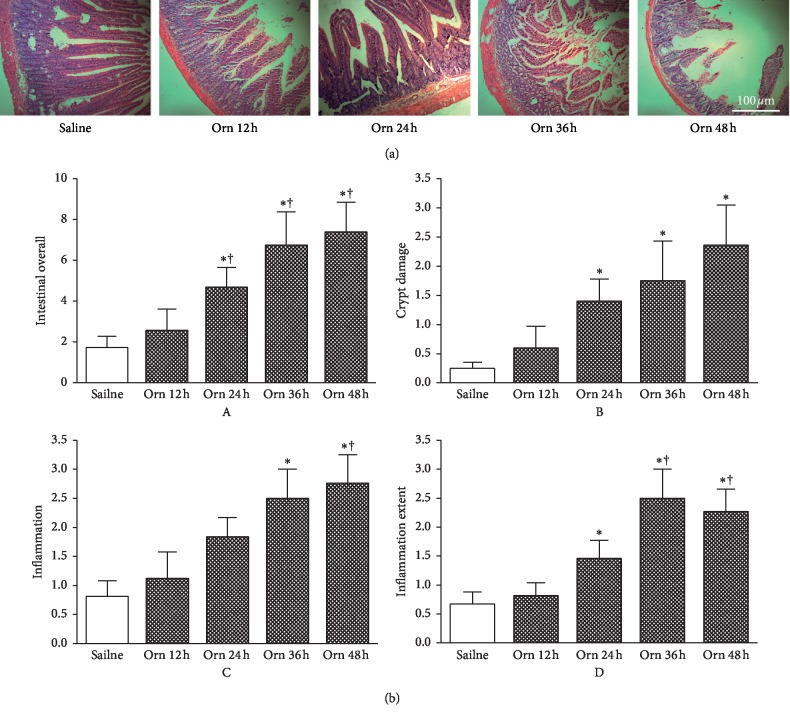
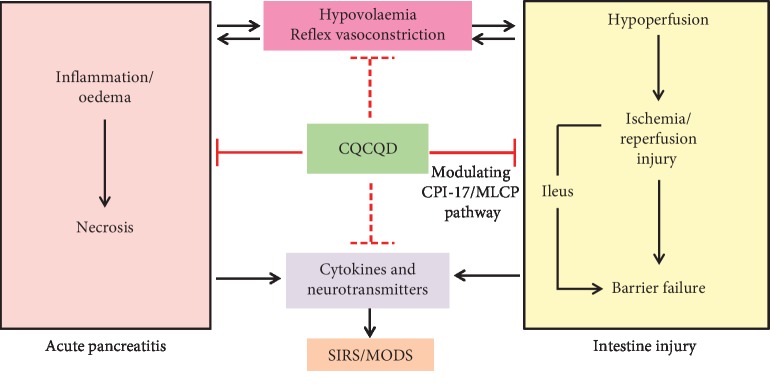
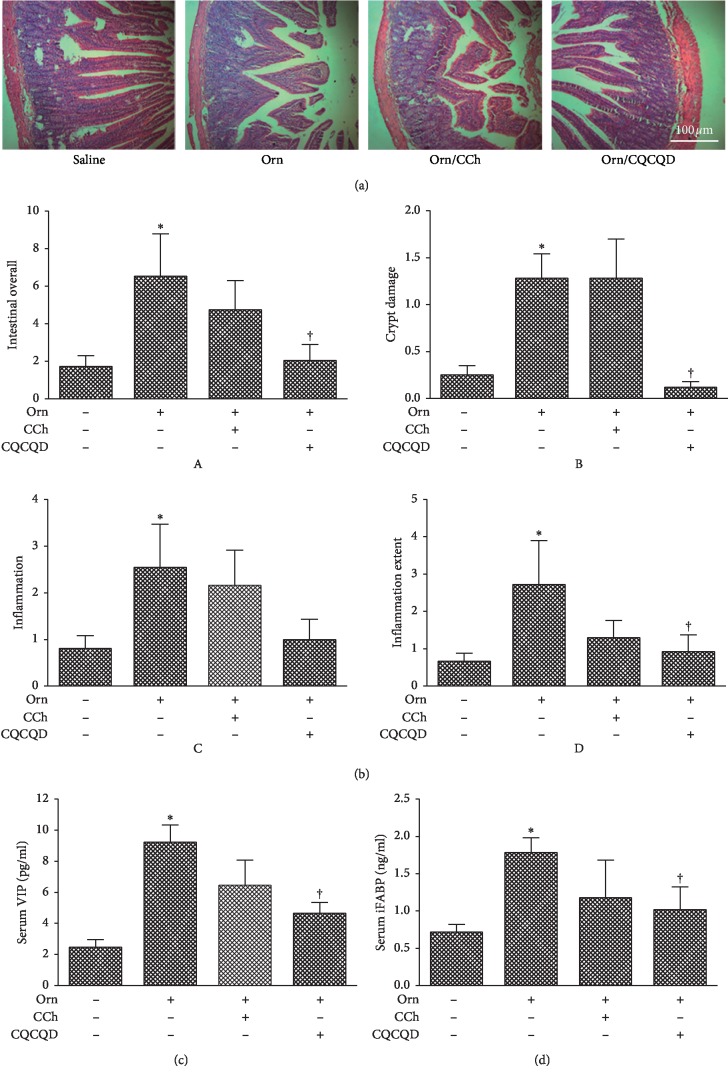
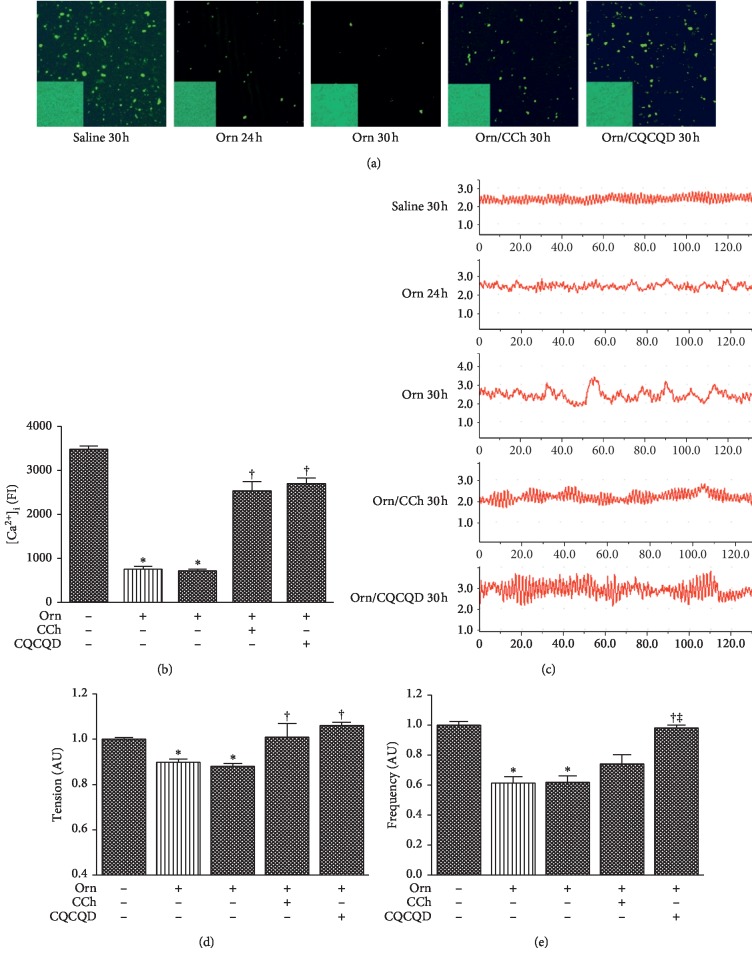
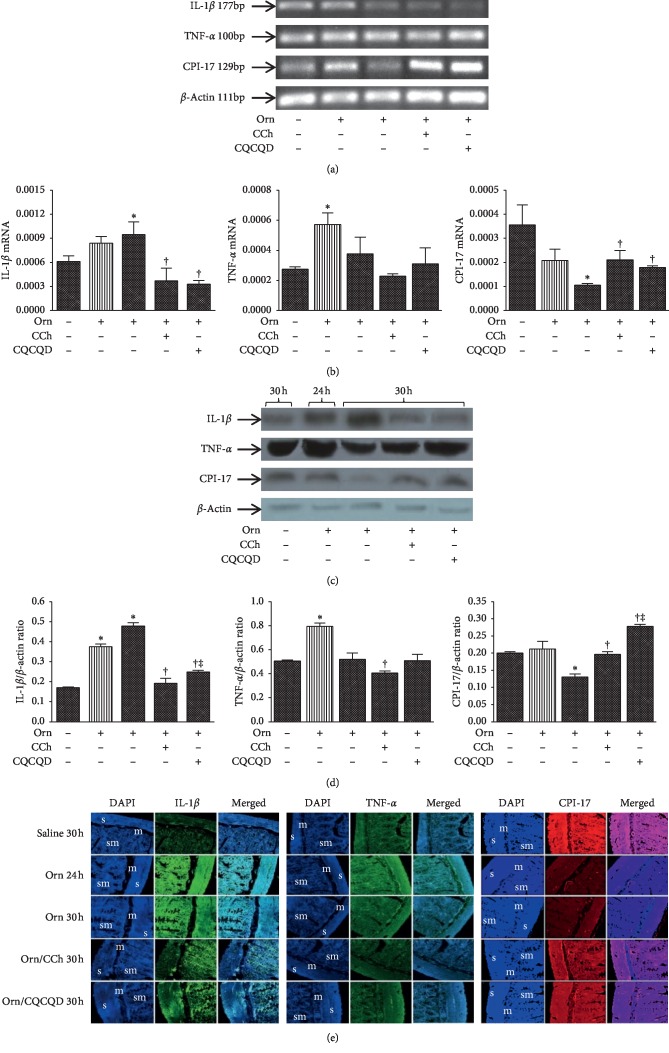
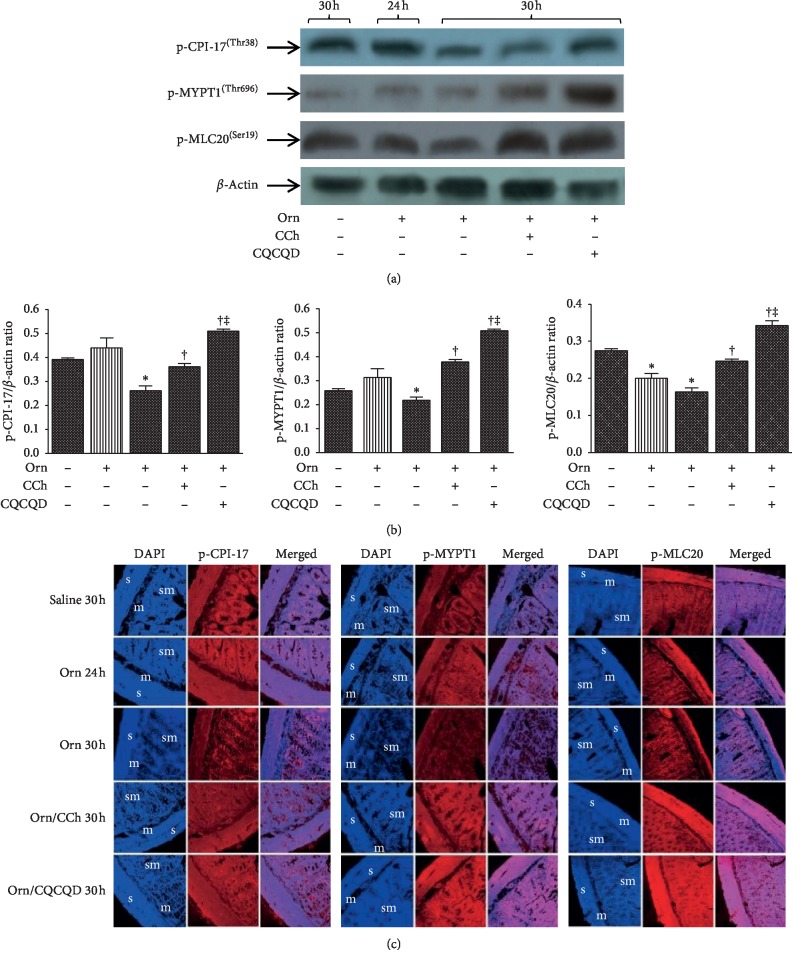
Protein kinase C-potentiated inhibitor protein of 17 kDa (CPI-17), a specific inhibitor of myosin light-chain phosphatase (MLCP) regulated by proinflammatory cytokines, is central for calcium sensitisation. We investigated the effects of chaiqin chengqi decoction (CQCQD) on the CPI-17/MLCP pathway in the small intestinal smooth muscle cells (SMCs) and strips (SMS) in an AP model. Necrotising AP was induced in rats by intraperitoneal injections (IPI) of L-ornithine (3.0 g/kg, pH 7.0; hourly × 2) at 1 hour apart; controls received saline. In treatment groups, carbachol (CCh; 60 g/kg, IPI) or CQCQD (20 g/kg; 2-hourly × 3, intragastric) was administered. The necrotising AP model was associated with systemic inflammation (serum IL-1 and TNF-) and worsened jejunum histopathology and motility (serum vasoactive intestinal peptide and intestinal fatty acid-binding protein) as the disease progressed. There was decreased intracellular calcium concentration ([Ca]) SMCs. Contractile function of isolated SMCs was reduced and associated with down-regulated expression of key mRNAs and proteins of the CPI-17/MLCP pathway as well as increased IL-1 and TNF-. CQCQD and CCh significantly reversed these changes and the disease severity. These data suggest that CQCQD can improve intestinal motility by modulating the CPI-17/MLCP pathway in small intestinal smooth muscle during AP.
蛋白激酶C增强的17 kDa抑制蛋白(CPI-17)是一种受促炎细胞因子调节的肌球蛋白轻链磷酸酶(MLCP)的特异性抑制剂,是钙敏化的关键因素。我们研究了柴芩承气汤(CQCQD)对急性胰腺炎(AP)模型中小肠平滑肌细胞(SMCs)和肠条(SMS)中CPI-17/MLCP通路的影响。通过腹腔注射(IPI)L-鸟氨酸(3.0 g/kg,pH 7.0;每小时1次×2次)诱导大鼠坏死性AP,间隔1小时;对照组注射生理盐水。在治疗组中,给予卡巴胆碱(CCh;60 μg/kg,IPI)或CQCQD(20 g/kg;每2小时1次×3次,灌胃)。随着疾病进展,坏死性AP模型与全身炎症(血清IL-1和TNF-)相关,空肠组织病理学和运动功能恶化(血清血管活性肠肽和肠脂肪酸结合蛋白)。小肠平滑肌细胞内钙浓度([Ca])降低。分离的小肠平滑肌细胞的收缩功能降低,与CPI-17/MLCP通路关键mRNA和蛋白的表达下调以及IL-1和TNF-升高相关。CQCQD和CCh显著逆转了这些变化和疾病严重程度。这些数据表明,CQCQD可通过调节急性胰腺炎期间小肠平滑肌中的CPI-17/MLCP通路来改善肠道运动。