Biomedical Sciences, University of Missouri, Columbia, MO, USA.
Bond Life Sciences Center, University of Missouri, Columbia, MO, USA.
J Neurosci Res. 2021 Jan;99(1):271-283. doi: 10.1002/jnr.24603. Epub 2020 Feb 27.
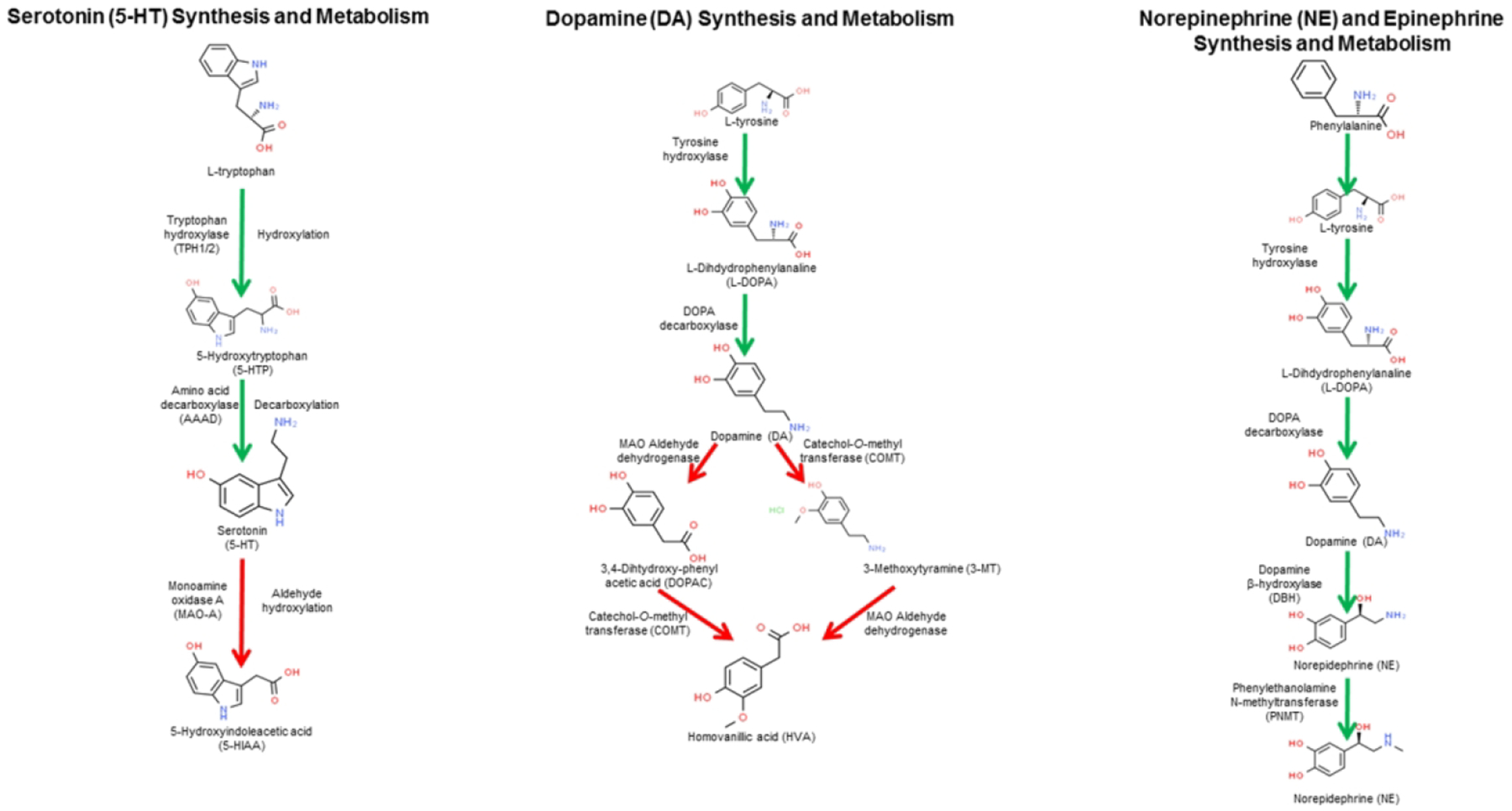
All mammalian species depend on the placenta, a transient organ, for exchange of gases, nutrients, and waste between the mother and conceptus. Besides serving as a conduit for such exchanges, the placenta produces hormones and other factors that influence maternal physiology and fetal development. To meet all of these adaptations, the placenta has evolved to become the most structurally diverse organ within all mammalian taxa. However, commonalities exist as to how placental responses promote survival against in utero threats and can alter the trajectory of fetal development, in particular the brain. Increasing evidence suggests that reactions of the placenta to various in utero stressors may lead to long-standing health outcomes, otherwise considered developmental origin of health and disease effects. Besides transferring nutrients and gases, the placenta produces neurotransmitters, including serotonin, dopamine, norepinephrine/epinephrine, that may circulate and influence brain development. Neurobehavioral disorders, such as autism spectrum disorders, likely trace their origins back to placental disturbances. This intimate relationship between the placenta and brain has led to coinage of the term, the placenta-brain-axis. This axis will be the focus herein, including how conceptus sex might influence it, and technologies employed to parse out the effects of placental-specific transcript expression changes on later neurobehavioral disorders. Ultimately, the placenta might provide a historical record of in utero threats the fetus confronted and a roadmap to understand how placenta responses to such encounters impacts the placental-brain-axis. Improved early diagnostic and preventative approaches may thereby be designed to mitigate such placental disruptions.
所有哺乳动物物种都依赖胎盘来进行母体和胚胎之间的气体、营养物质和废物交换。胎盘不仅是这些交换的通道,还能产生激素和其他因子,影响母体的生理和胎儿的发育。为了适应这些变化,胎盘进化成为所有哺乳动物中结构最为多样化的器官。然而,胎盘对各种宫内威胁的反应方式以及对胎儿发育轨迹的影响存在一些共同之处,尤其是对大脑的影响。越来越多的证据表明,胎盘对各种宫内应激源的反应可能导致长期的健康后果,这些后果被认为是健康和疾病起源的发展影响。除了传输营养物质和气体外,胎盘还会产生神经递质,包括血清素、多巴胺、去甲肾上腺素/肾上腺素,这些物质可能会循环并影响大脑发育。神经行为障碍,如自闭症谱系障碍,可能可以追溯到胎盘紊乱。胎盘和大脑之间的这种密切关系导致了术语“胎盘-大脑轴”的产生。本文将重点介绍这一对关系,包括胚胎性别如何影响它,以及用于分析胎盘特异性转录表达变化对后期神经行为障碍影响的技术。最终,胎盘可能提供胎儿在宫内所面临威胁的历史记录,并为理解胎盘对这些遭遇的反应如何影响胎盘-大脑轴提供一个路线图。因此,可能会设计出更好的早期诊断和预防方法来减轻这种胎盘紊乱。