Yuan Xiaoxiao, Juan Zhaodong, Zhang Rui, Sun Xiaotong, Yan Ru, Yue Feng, Huang Yaru, Yu Jiacheng, Xia Xiaohui
Shandong Provincial Medicine and Health Key Laboratory of Clinical Anesthesia, Department of Anesthesiology, Weifang Medical University, Weifang, China.
Front Pharmacol. 2020 Feb 10;11:28. doi: 10.3389/fphar.2020.00028. eCollection 2020.
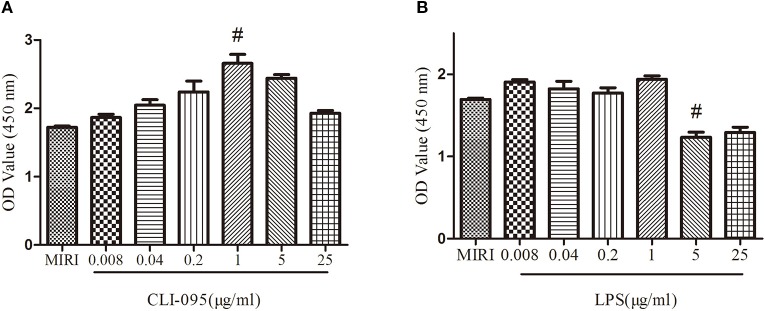
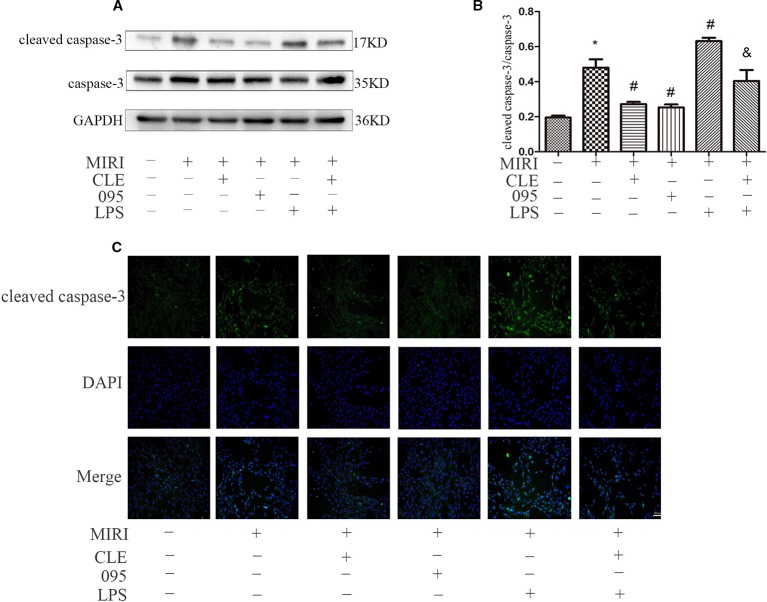
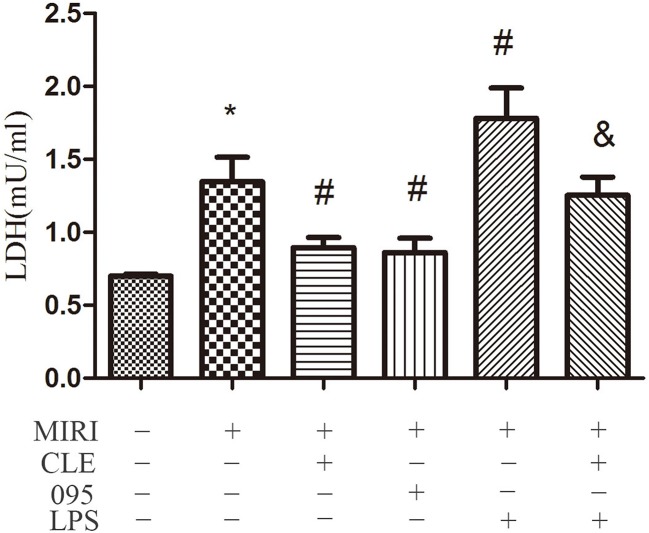
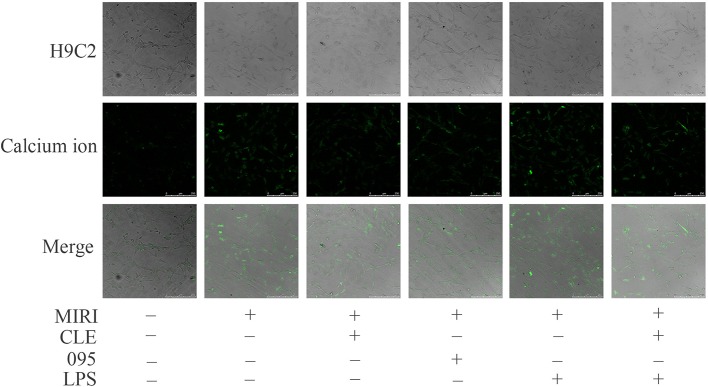
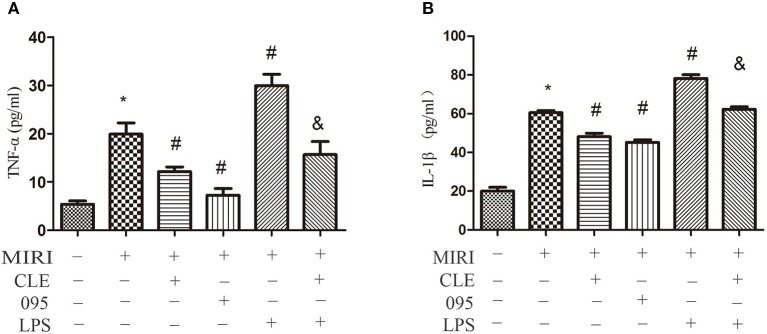
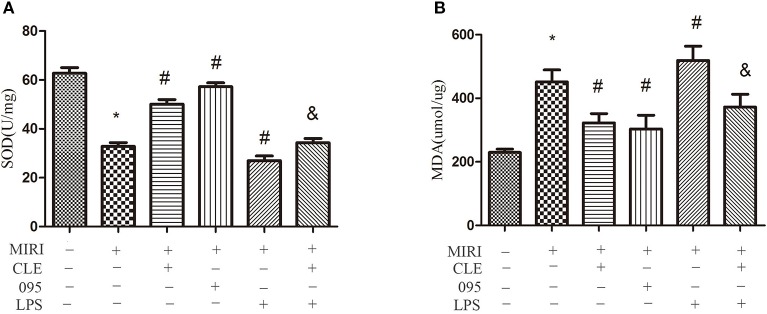
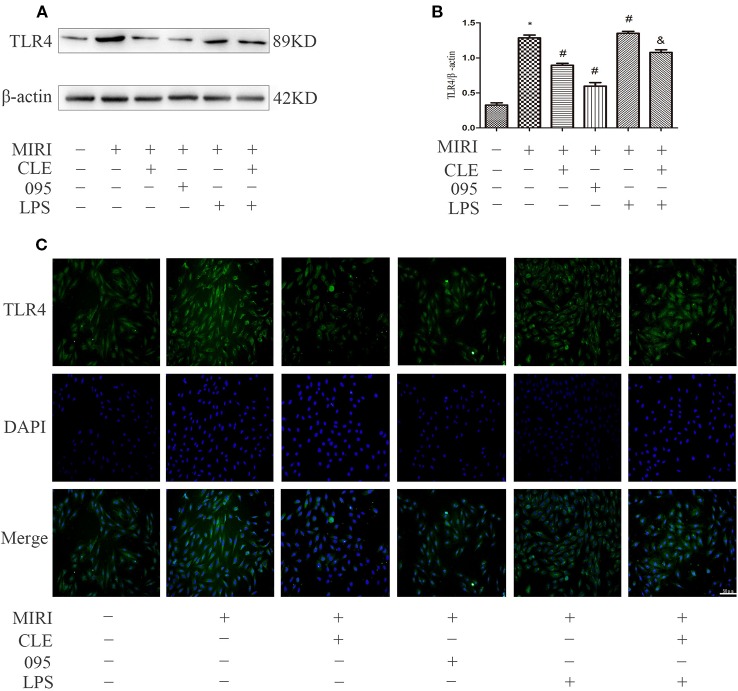
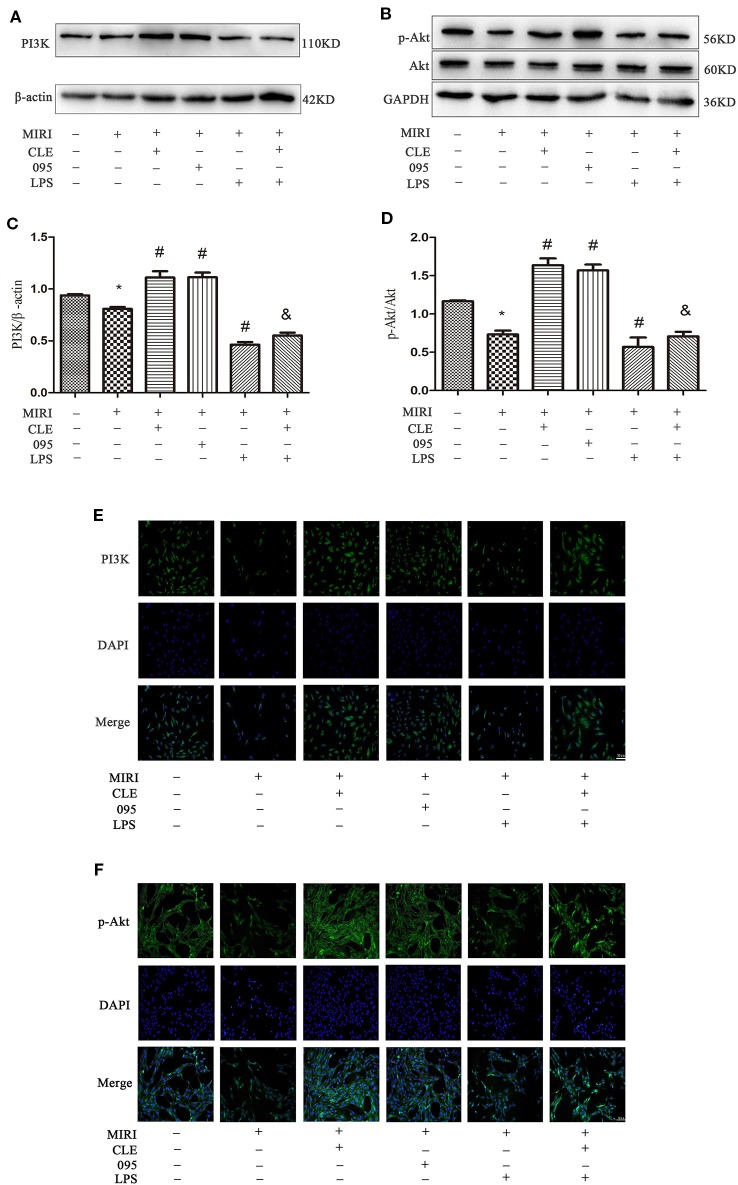
Our pilot studies have shown that clemastine fumarate (CLE) can protect against myocardial ischemia-reperfusion injury (MIRI) through regulation of toll like receptor 4 (TLR4). However, the protective mechanism of CLE and related signaling pathways for MIRI remains unclear. The objective of this study is to determine the mechanism by which CLE relieves MIRI in cardiomyocytes and its relationship with the TLR4/PI3K/Akt signaling pathway. CCK8 analysis was used to test the optimal concentration of TLR4 inhibitor CLI-095 and TLR4 agonist lipopolysaccharide (LPS) on MIRI. The expression of inflammatory factors, oxidative stress response, cell damage, and intracellular calcium redistribution of cardiomyocytes were examined using the ELISA kits, Total Superoxide Dismutase Assay Kit with WST-8 and Lipid Peroxidation MDA Assay Kit, LDH Cytotoxicity Assay Kit, and laser scanning confocal microscope. The expression of TLR4/PI3K/Akt and cleaved caspase-3 were determined by Western blotting and immunofluorescent staining. Our results showed that MIRI aggravated the inflammatory response, oxidative stress, cellular damage of cardiomyocytes, and caused redistribution of intracellular calcium, upregulated the expression of TLR4 protein, cleaved caspase-3 protein, and down-regulated the expression of PI3K/Akt protein. After treatment with CLE, the inflammatory response, oxidative stress, and cellular damage of cardiomyocytes were alleviated, and intracellular calcium ion accumulation decreased. The expression of TLR4 protein, cleaved caspase-3 protein declined, but PI3K/Akt protein expression increased in cardiomyocytes treated with CLE. In addition, after treatment with the TLR4 inhibitor CLI-095, the results were similar to those of CLE treatment. The TLR4 agonist LPS aggravated the reactions caused by MIRI. The role of LPS was reversed after CLE treatment. These results suggested that CLE can attenuate MIRI by activating the TLR4/PI3K/Akt signaling pathway.
我们的前期研究表明,富马酸氯马斯汀(CLE)可通过调节Toll样受体4(TLR4)来预防心肌缺血再灌注损伤(MIRI)。然而,CLE对MIRI的保护机制及相关信号通路仍不清楚。本研究的目的是确定CLE减轻心肌细胞MIRI的机制及其与TLR4/PI3K/Akt信号通路的关系。采用CCK8分析法检测TLR4抑制剂CLI-095和TLR4激动剂脂多糖(LPS)对MIRI的最佳浓度。使用ELISA试剂盒、含WST-8的总超氧化物歧化酶检测试剂盒和脂质过氧化丙二醛检测试剂盒、LDH细胞毒性检测试剂盒以及激光扫描共聚焦显微镜检测心肌细胞的炎症因子表达、氧化应激反应、细胞损伤和细胞内钙重分布。通过蛋白质免疫印迹法和免疫荧光染色法检测TLR4/PI3K/Akt和裂解的半胱天冬酶-3的表达。我们的结果表明,MIRI加重了心肌细胞的炎症反应、氧化应激、细胞损伤,并导致细胞内钙重分布,上调了TLR4蛋白、裂解的半胱天冬酶-3蛋白的表达,下调了PI3K/Akt蛋白的表达。用CLE处理后,心肌细胞的炎症反应、氧化应激和细胞损伤得到缓解,细胞内钙离子积累减少。在CLE处理的心肌细胞中,TLR4蛋白、裂解的半胱天冬酶-3蛋白的表达下降,但PI3K/Akt蛋白表达增加。此外,用TLR4抑制剂CLI-095处理后,结果与CLE处理相似。TLR4激动剂LPS加重了MIRI引起的反应。CLE处理后LPS的作用得到逆转。这些结果表明,CLE可通过激活TLR4/PI3K/Akt信号通路减轻MIRI。