Shi Mengting, Li Na, Xue Yuanyuan, Zhong Zengtao, Yang Menghua
College of Life Sciences, Nanjing Agricultural University, Nanjing, China.
Key Laboratory of Applied Technology on Green-Eco-Healthy Animal Husbandry of Zhejiang Province, College of Animal Science and Technology, Zhejiang A&F University, Hangzhou, China.
Front Microbiol. 2020 Feb 6;11:118. doi: 10.3389/fmicb.2020.00118. eCollection 2020.
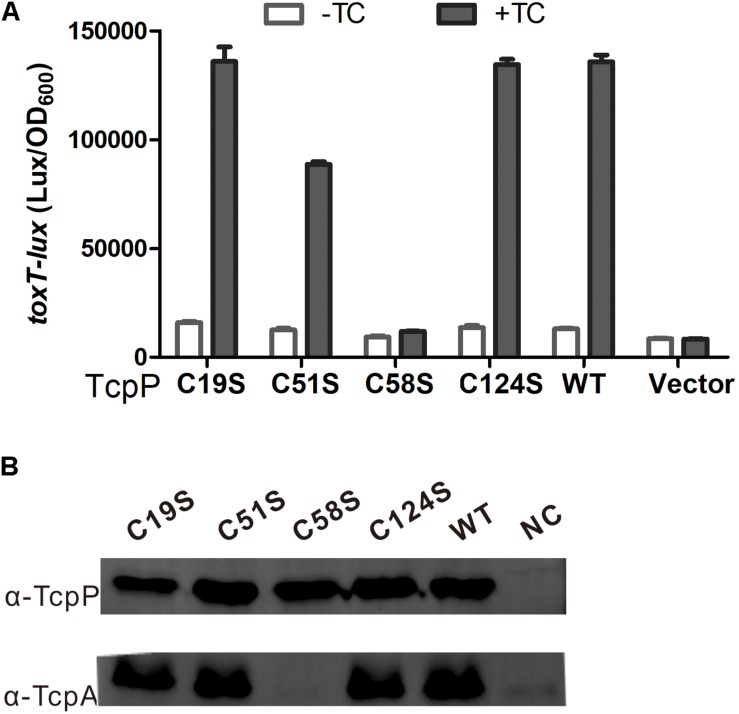
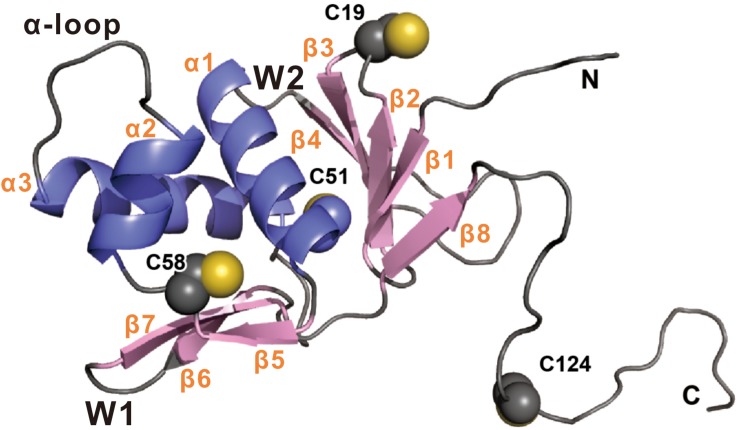
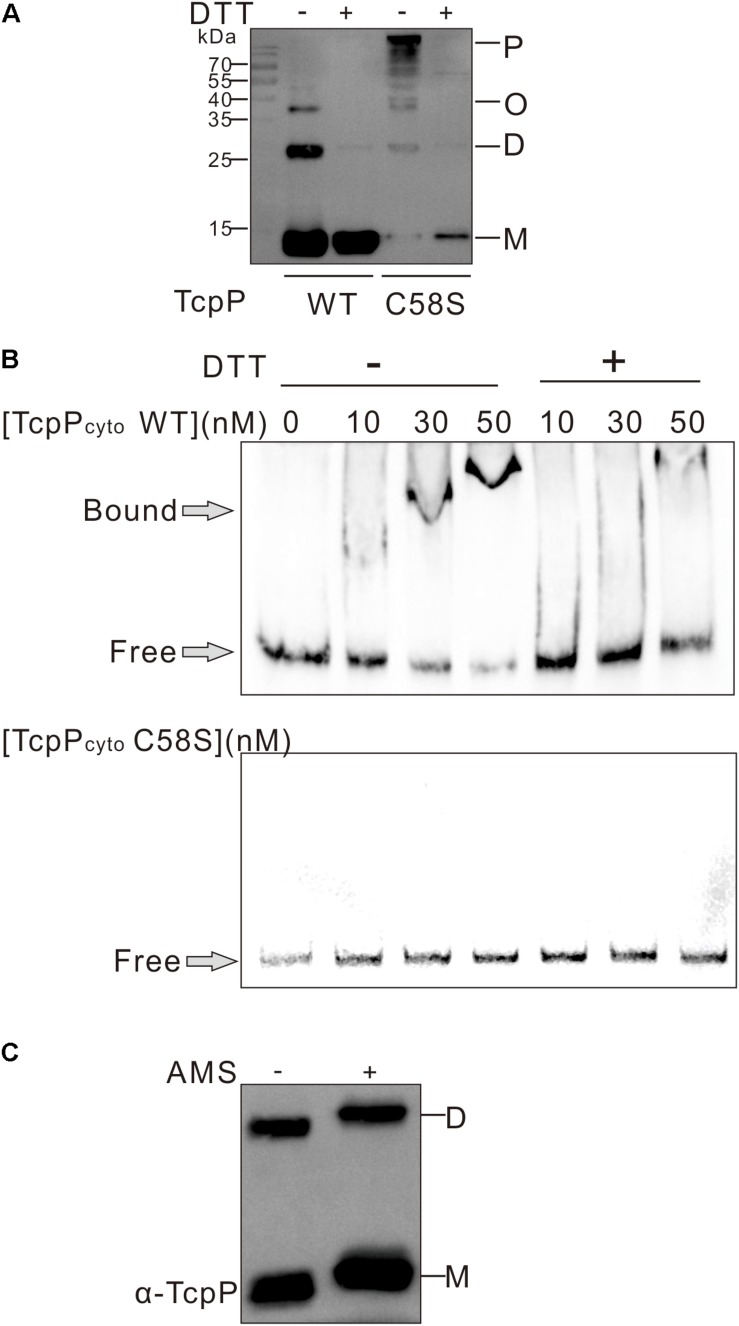
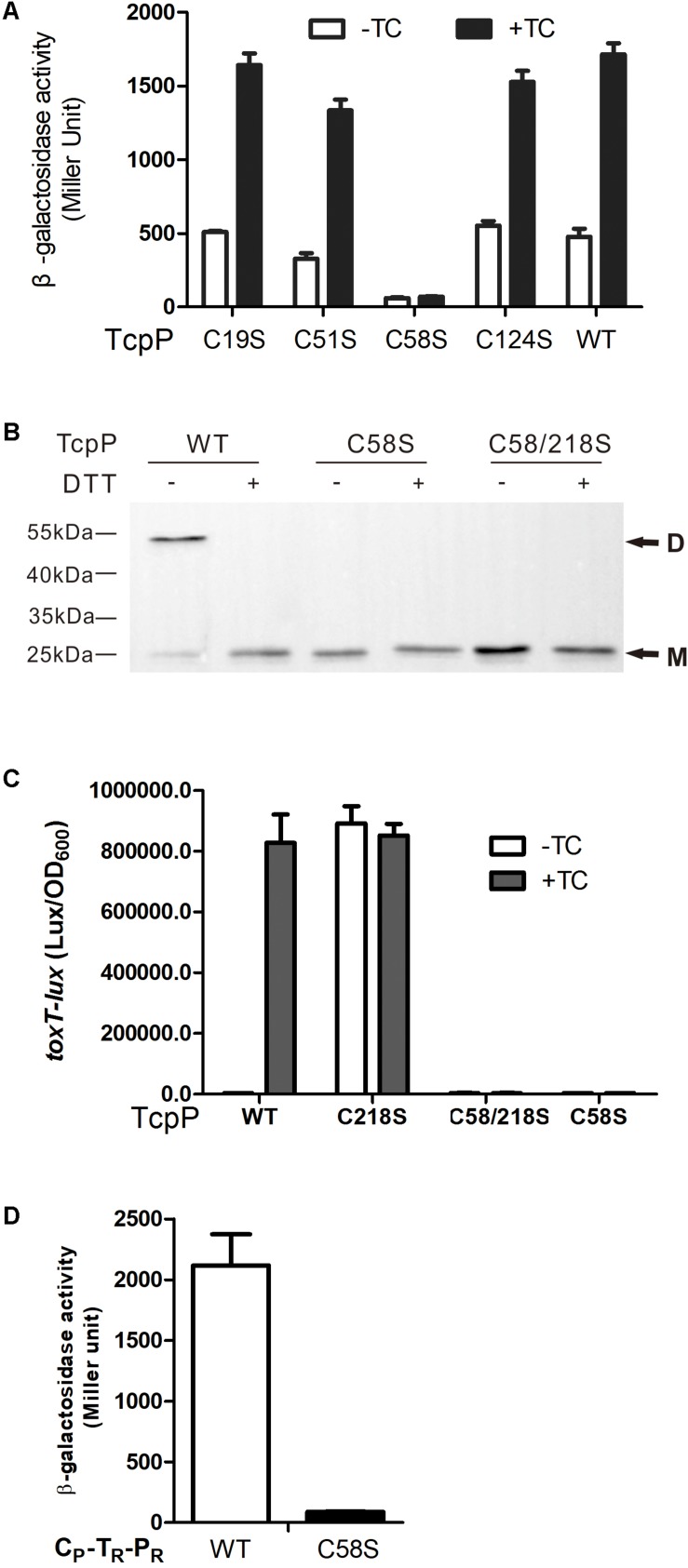
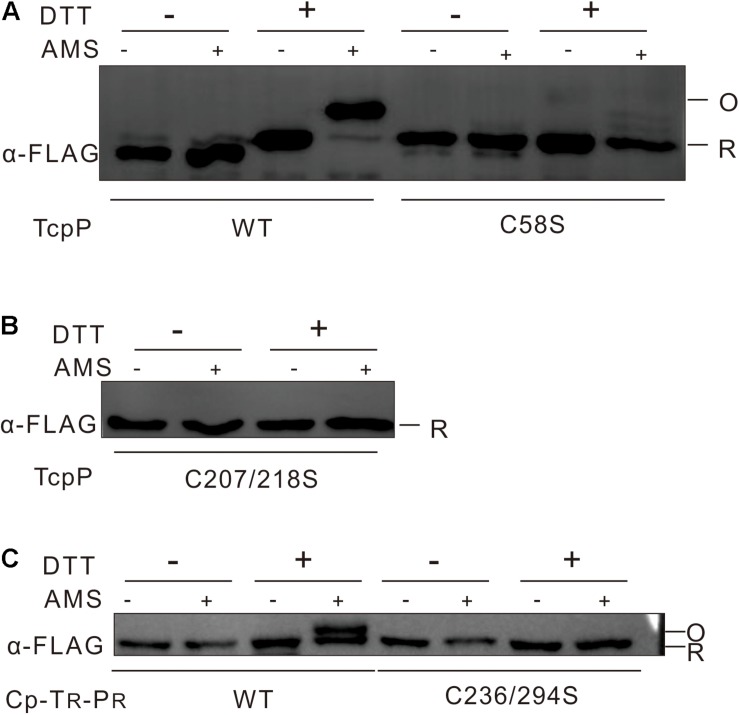
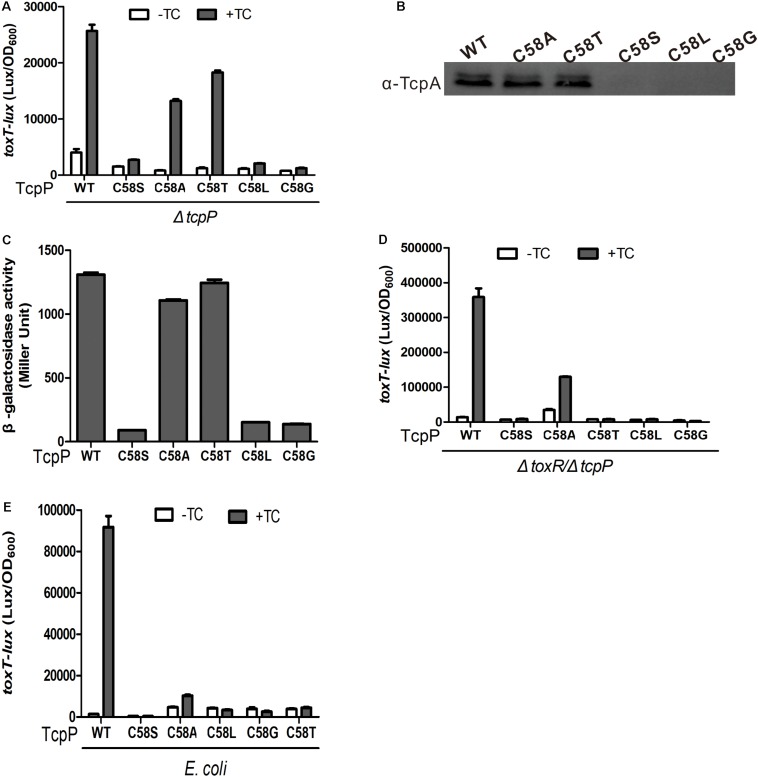
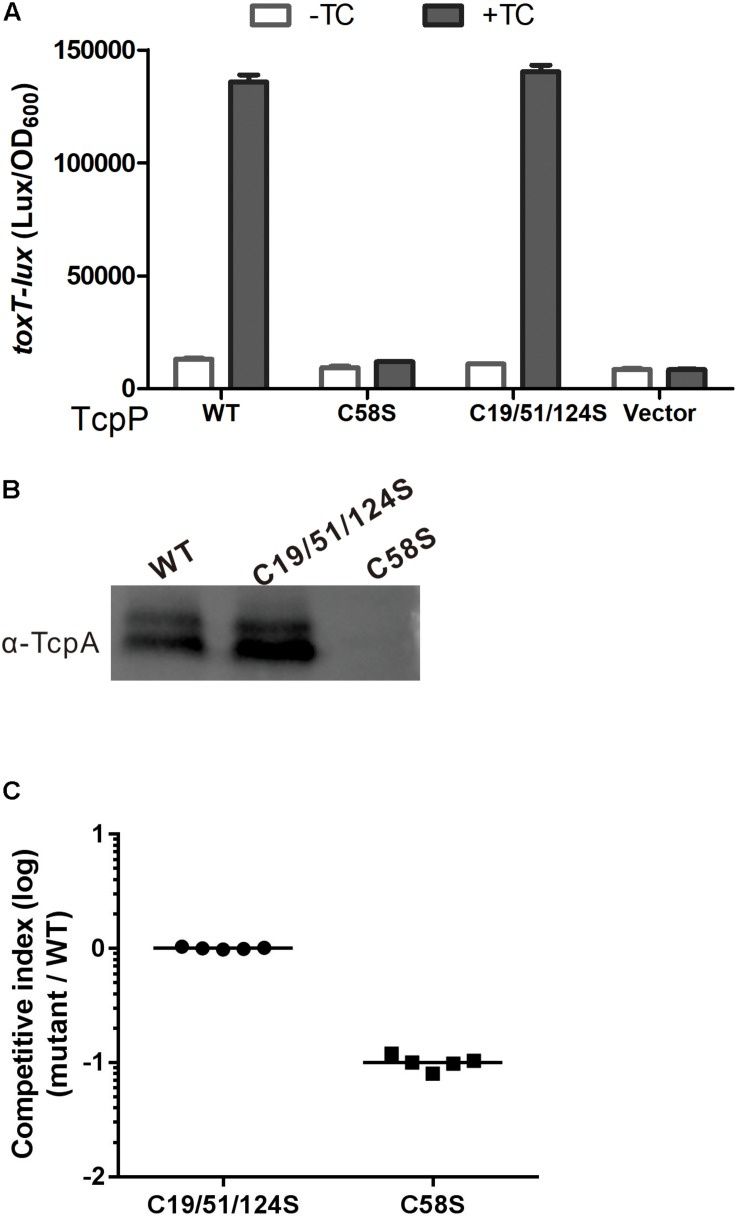
, the causative agent of the severe diarrheal disease cholera, has evolved signal transduction systems to control the expression of virulence determinants. It was previously shown that two cysteine residues in the periplasmic domain of TcpP are important for TcpP dimerization and activation of virulence gene expression by responding to environmental signals in the small intestine such as bile salts. In the cytoplasmic domain of TcpP, there are another four cysteine residues, C19, C51, C58, and C124. In this study, the functions of these four cysteine residues were investigated and we found that only C58 is essential for TcpP dimerization and for activating virulence gene expression. To better characterize this cysteine residue, site-directed mutagenesis was performed to assess the effects on TcpP homodimerization and virulence gene activation. A TcpP mutant was unable to form homodimers and activate virulence gene expression, and did not colonize infant mice. However, a TcpP mutant was not attenuated for virulence. These results suggest that C58 of TcpP is indispensable for TcpP function and is essential for virulence factor production and pathogenesis.
霍乱弧菌是严重腹泻疾病霍乱的病原体,它已经进化出信号转导系统来控制毒力决定因素的表达。先前的研究表明,TcpP周质结构域中的两个半胱氨酸残基对于TcpP二聚化以及通过响应小肠中的环境信号(如胆汁盐)激活毒力基因表达很重要。在TcpP的细胞质结构域中,还有另外四个半胱氨酸残基,即C19、C51、C58和C124。在本研究中,对这四个半胱氨酸残基的功能进行了研究,我们发现只有C58对于TcpP二聚化和激活毒力基因表达是必不可少的。为了更好地表征这个半胱氨酸残基,进行了定点诱变以评估其对TcpP同源二聚化和毒力基因激活的影响。一个TcpP 突变体无法形成同源二聚体并激活毒力基因表达,并且不能在新生小鼠中定殖。然而,一个TcpP 突变体的毒力并未减弱。这些结果表明,TcpP的C58对于TcpP功能是不可或缺的,并且对于毒力因子的产生和发病机制至关重要。