Punzo Francesca, Bellini Giulia, Tortora Chiara, Pinto Daniela Di, Argenziano Maura, Pota Elvira, Paola Alessandra Di, Martino Martina Di, Rossi Francesca
Department of Woman, Child and General and Specialist Surgery, University of Campania "Luigi Vanvitelli", Napoli, NA 80138, Italy.
Department of Experimental Medicine, University of Campania "Luigi Vanvitelli", Napoli, NA 80138, Italy.
Oncotarget. 2020 Feb 18;11(7):687-698. doi: 10.18632/oncotarget.27479.
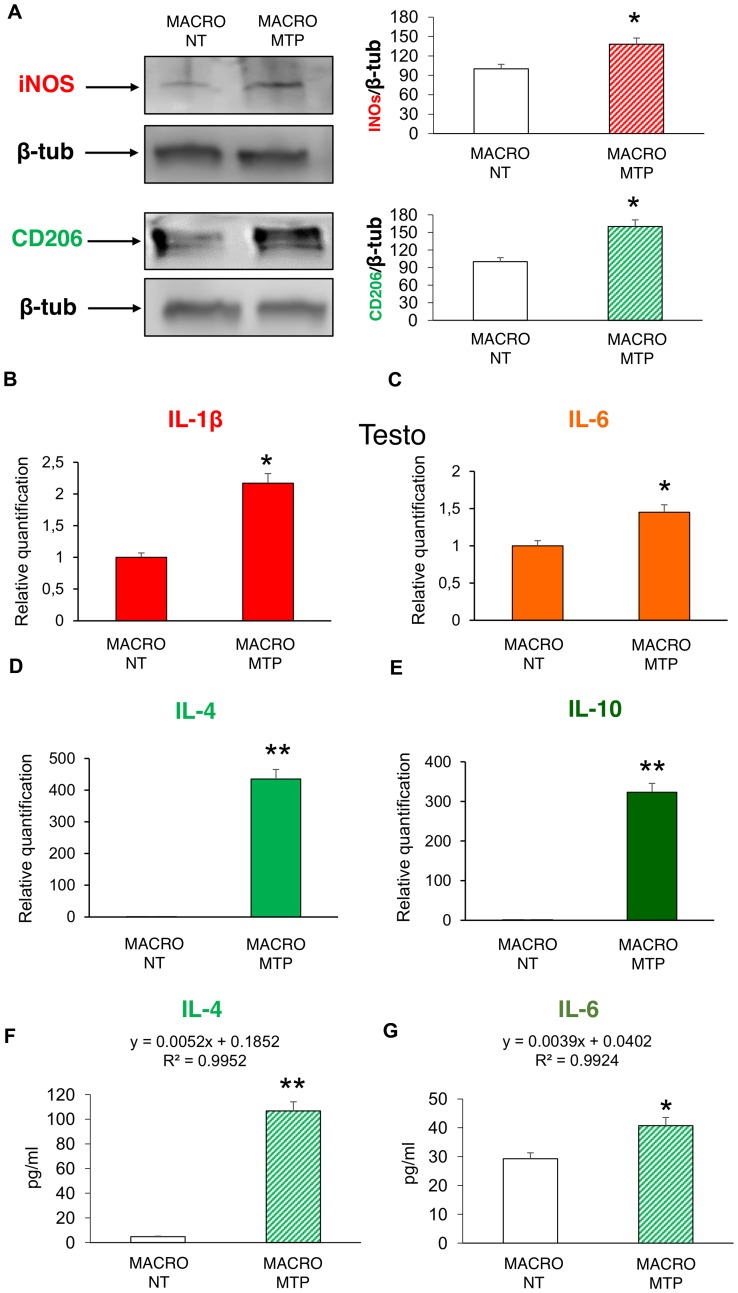
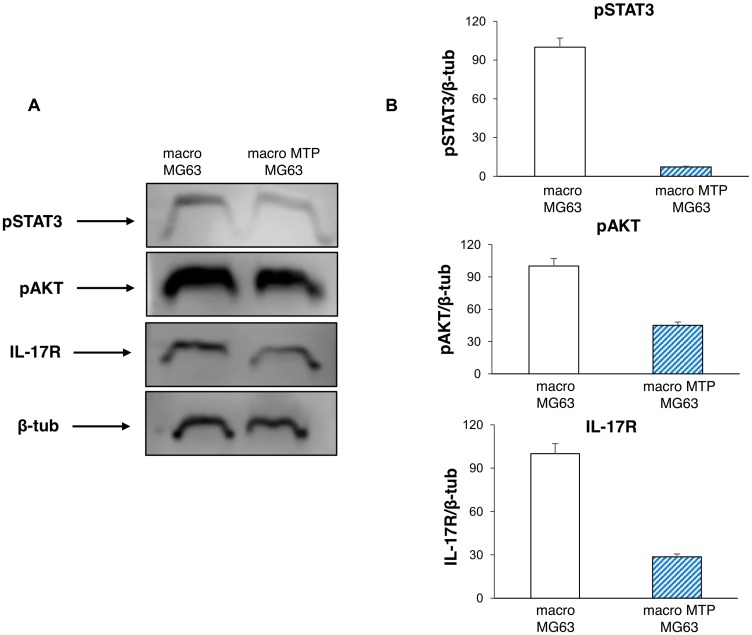
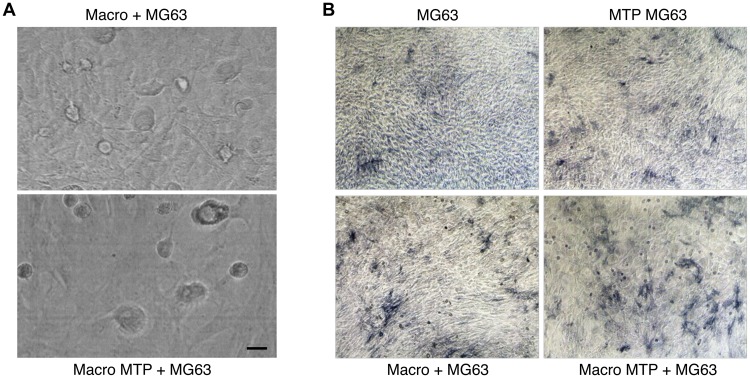
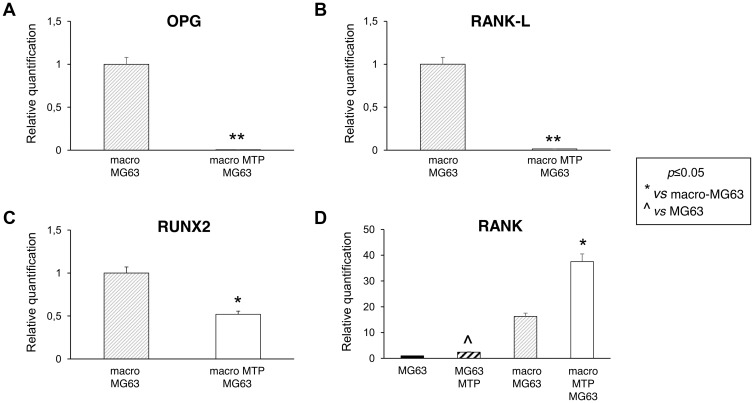
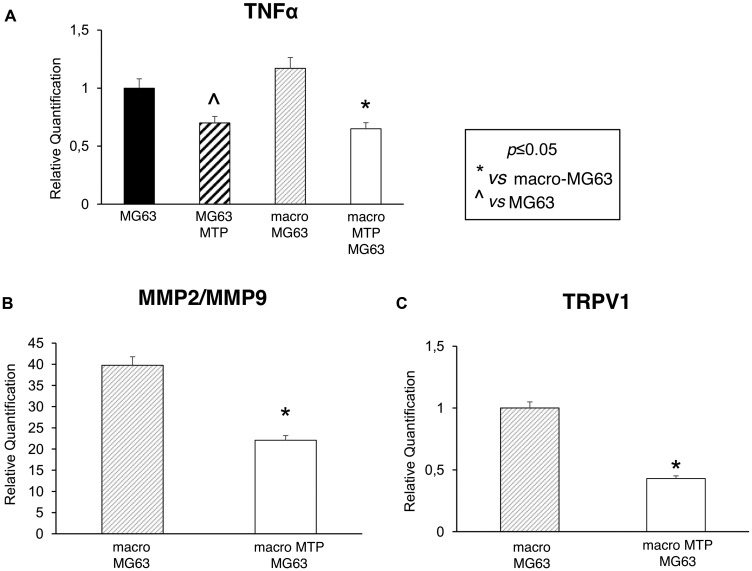
Tumor-associated macrophages and their alternative activation states together with cytokines and growth factors trapped in tumor microenvironment contribute to the progression of OS. In contrast to other tumor types, M2 polarized macrophages, reduce metastasis and improve survival in osteosarcoma patients. Mifamurtide is an immunomodulatory drug given together with standard adjuvant chemotherapy in high-grade osteosarcoma to improve outcome. Macrophages obtained from peripheral blood mononucleated cells of healthy donors and MG63 cells were cultured alone and together, and treated with Mifamurtide. We analyzed the effects of Mifamurtide on macrophage polarization and on MG63 proliferation, migration and differentiation, evaluating the expression of M1/M2 and osteoblast markers and molecules involved in metastasis and proliferation pathways. Our data suggest that Mifamurtide, switching macrophage polarization towards a TAM-like intermediate M1/M2 phenotype, may modulate the delicate balance between pro-inflammatory and immunomodulatory macrophage functions. Moreover, Mifamurtide may inhibit the cellular proliferation and induce the tumor cell differentiation, probably through the down regulation of pSTAT3, pAKT and IL-17R.
肿瘤相关巨噬细胞及其替代激活状态,连同困在肿瘤微环境中的细胞因子和生长因子,共同促进骨肉瘤的进展。与其他肿瘤类型不同,M2极化巨噬细胞可减少骨肉瘤患者的转移并提高生存率。米伐木肽是一种免疫调节药物,在高级别骨肉瘤中与标准辅助化疗联合使用以改善治疗结果。将从健康供体的外周血单核细胞和MG63细胞中获得的巨噬细胞单独培养和共同培养,并用米伐木肽处理。我们分析了米伐木肽对巨噬细胞极化以及对MG63增殖、迁移和分化的影响,评估了M1/M2和成骨细胞标志物以及参与转移和增殖途径的分子的表达。我们的数据表明,米伐木肽将巨噬细胞极化转变为类似肿瘤相关巨噬细胞的中间M1/M2表型,可能会调节促炎和免疫调节巨噬细胞功能之间的微妙平衡。此外,米伐木肽可能通过下调pSTAT3、pAKT和IL-17R来抑制细胞增殖并诱导肿瘤细胞分化。