Department of Genetics, Physiology and Microbiology, Faculty of Biology, Universidad Complutense de Madrid (UCM), C/José Antonio Novais, 12, 28040 Madrid, Spain.
Astrobiology Center (INTA-CSIC), Carretera de Ajalvir km 4, Torrejón de Ardoz, 28850 Madrid, Spain.
Int J Environ Res Public Health. 2020 Mar 3;17(5):1650. doi: 10.3390/ijerph17051650.
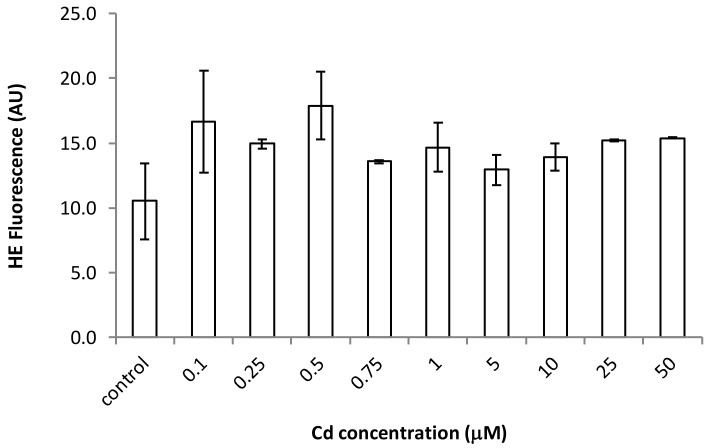
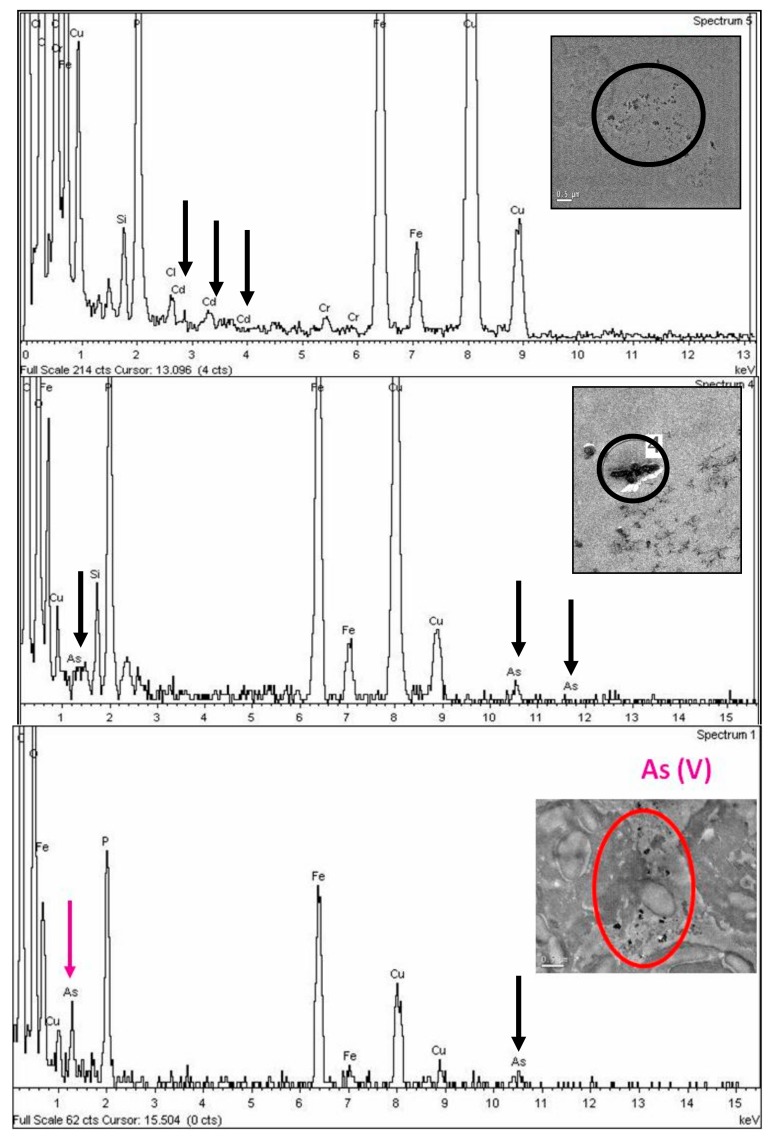
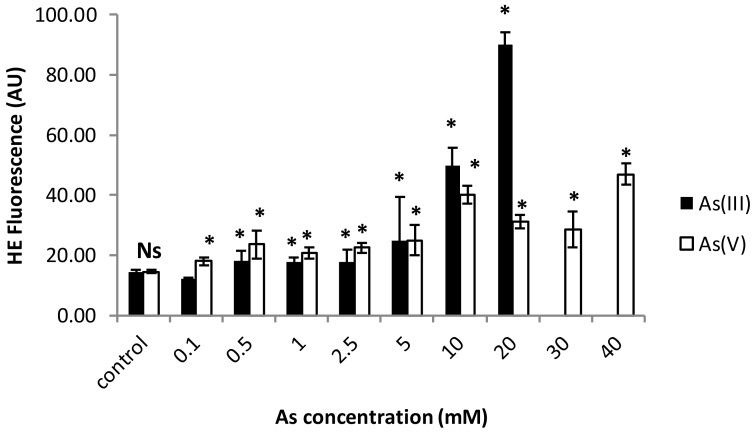
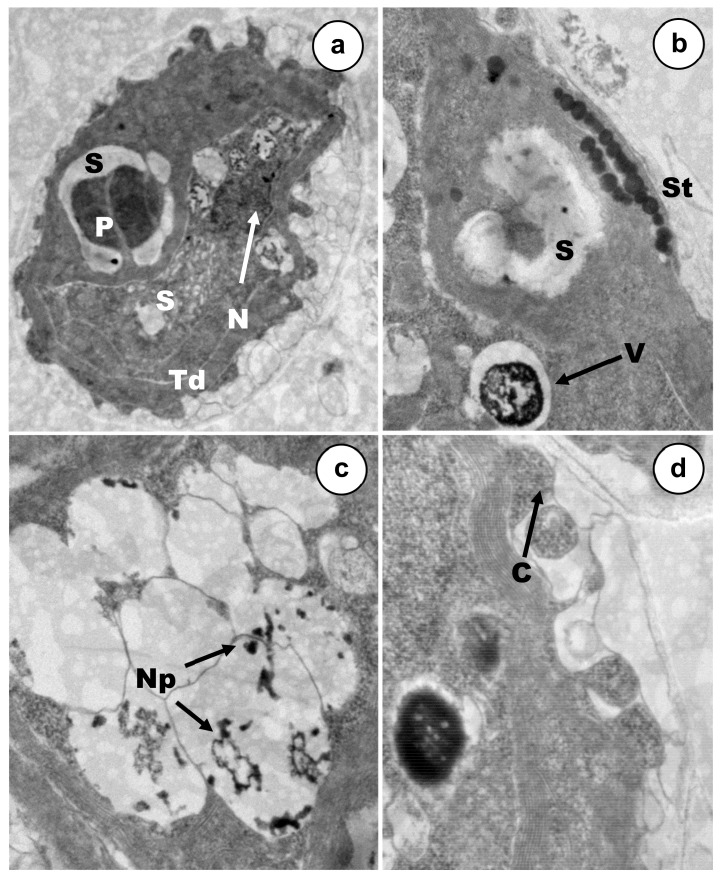
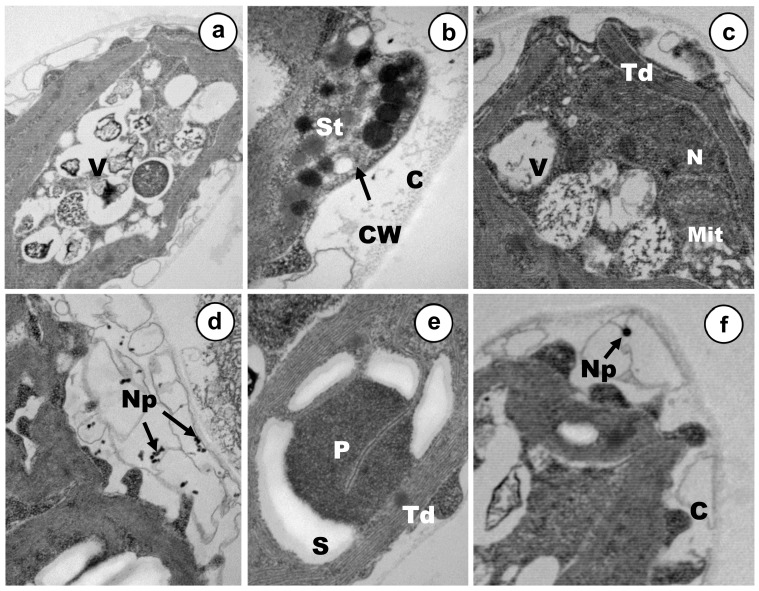
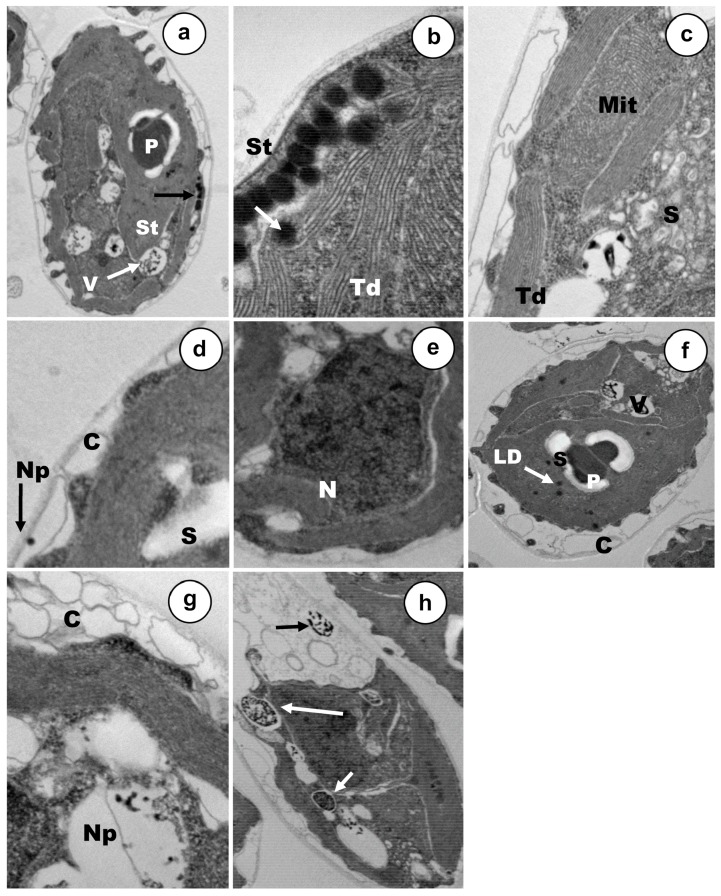
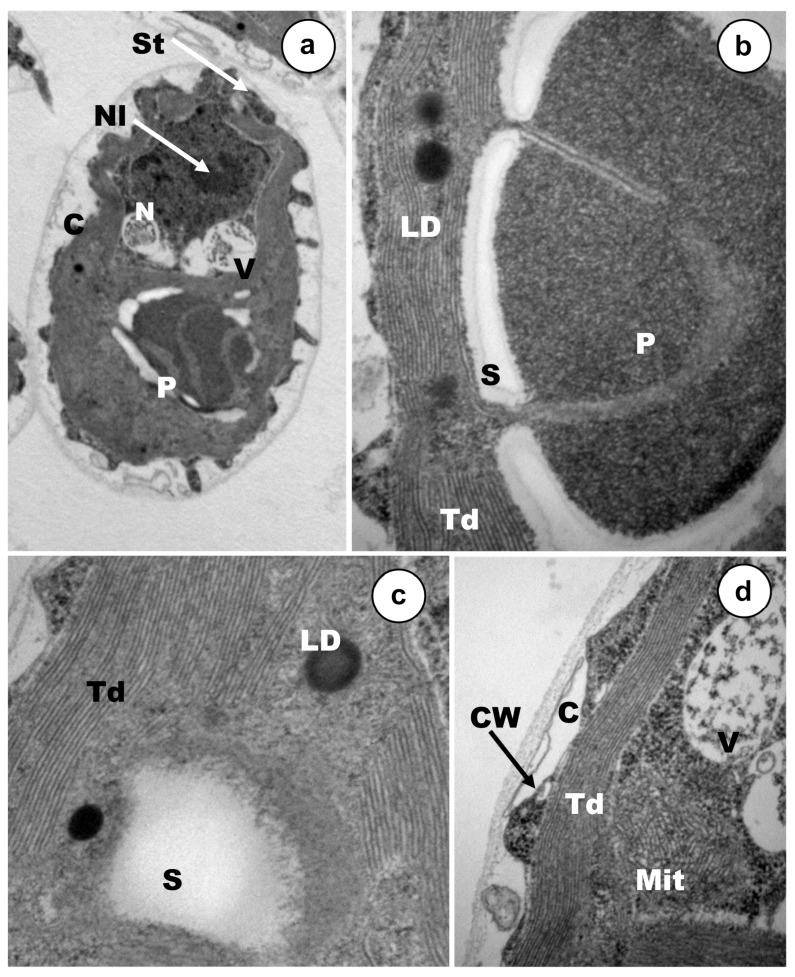
The cytotoxicity of cadmium (Cd), arsenate (As(V)), and arsenite (As(III)) on a strain of , isolated from the Rio Tinto, an acidic environment containing high metal(l)oid concentrations, was analyzed. We used a broad array of methods to produce complementary information: cell viability and reactive oxygen species (ROS) generation measures, ultrastructural observations, transmission electron microscopy energy dispersive x-ray microanalysis (TEM-XEDS), and gene expression. This acidophilic microorganism was affected differently by the tested metal/metalloid: It showed high resistance to arsenic while Cd was the most toxic heavy metal, showing an LC = 1.94 µM. Arsenite was almost four-fold more toxic (LC= 10.91 mM) than arsenate (LC = 41.63 mM). Assessment of ROS generation indicated that both arsenic oxidation states generate superoxide anions. Ultrastructural analysis of exposed cells revealed that stigma, chloroplast, nucleus, and mitochondria were the main toxicity targets. Intense vacuolization and accumulation of energy reserves (starch deposits and lipid droplets) were observed after treatments. Electron-dense intracellular nanoparticle-like formation appeared in two cellular locations: inside cytoplasmic vacuoles and entrapped into the capsule, around each cell. The chemical nature (Cd or As) of these intracellular deposits was confirmed by TEM-XEDS. Additionally, they also contained an unexpected high content in phosphorous, which might support an essential role of poly-phosphates in metal resistance.
我们分析了从富含金属/类金属的 Rio Tinto 酸性环境中分离出的一株菌对镉 (Cd)、砷酸盐 (As(V)) 和亚砷酸盐 (As(III)) 的细胞毒性。我们使用了一系列广泛的方法来提供互补信息:细胞活力和活性氧 (ROS) 生成的测量、超微结构观察、透射电子显微镜能量色散 X 射线微分析 (TEM-XEDS) 和基因表达。这种嗜酸微生物对测试的金属/类金属的影响不同:它对砷表现出高抗性,而 Cd 是最有毒的重金属,LC=1.94µM。亚砷酸盐的毒性比砷酸盐高近四倍 (LC=10.91mM) (LC=41.63mM)。ROS 生成的评估表明,两种砷氧化态都会产生超氧阴离子。暴露细胞的超微结构分析表明,菌毛、叶绿体、核和线粒体是主要的毒性靶标。处理后观察到强烈的空泡化和能量储备(淀粉沉积物和脂质滴)的积累。在两个细胞位置观察到电子致密的细胞内纳米颗粒状形成:细胞质空泡内和胶囊内,每个细胞周围。这些细胞内沉积物的化学性质(Cd 或 As)通过 TEM-XEDS 得到了证实。此外,它们还含有出乎意料的高磷含量,这可能支持多磷酸盐在金属抗性中的重要作用。