Tang Hailing, Rui Mengjie, Mai Junhua, Guo Wei, Xu Yuhong
Institute of Molecular Medicine, Renji Hospital, Shanghai Jiao Tong University School of Medicine, Shanghai 200127, China.
School of Pharmacy, Shanghai Jiao Tong University, Shanghai 200240, China.
Acta Pharm Sin B. 2020 Mar;10(3):546-556. doi: 10.1016/j.apsb.2019.06.011. Epub 2019 Jul 2.
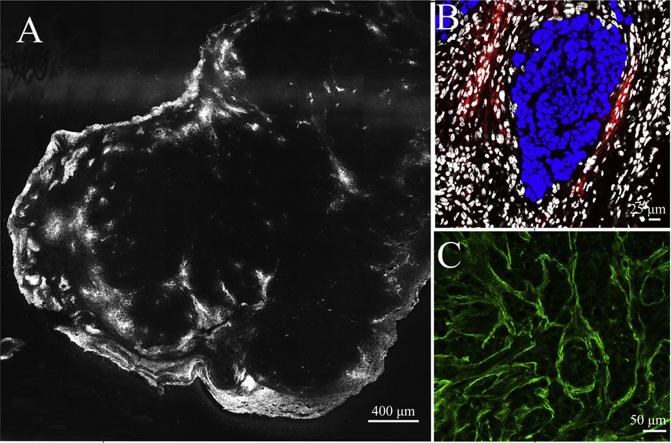
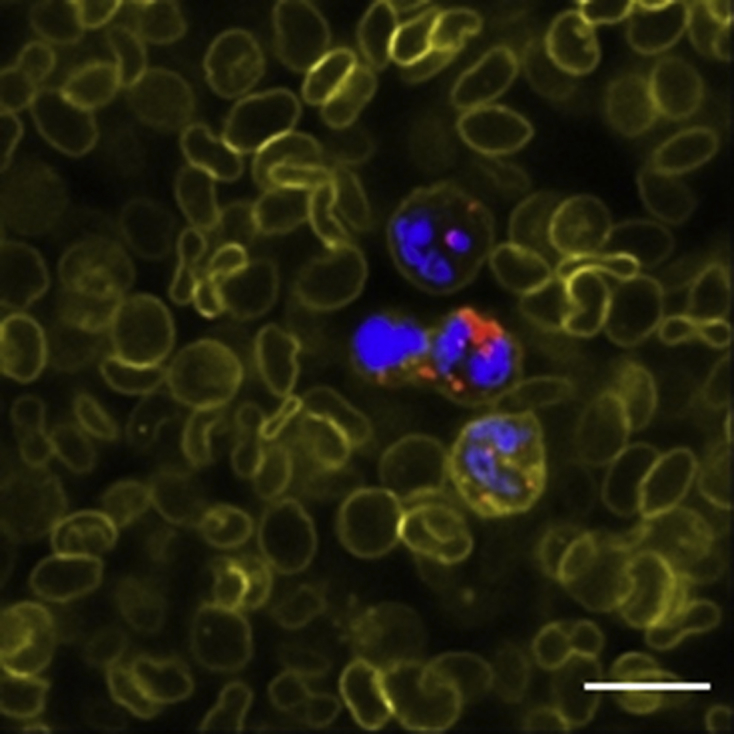
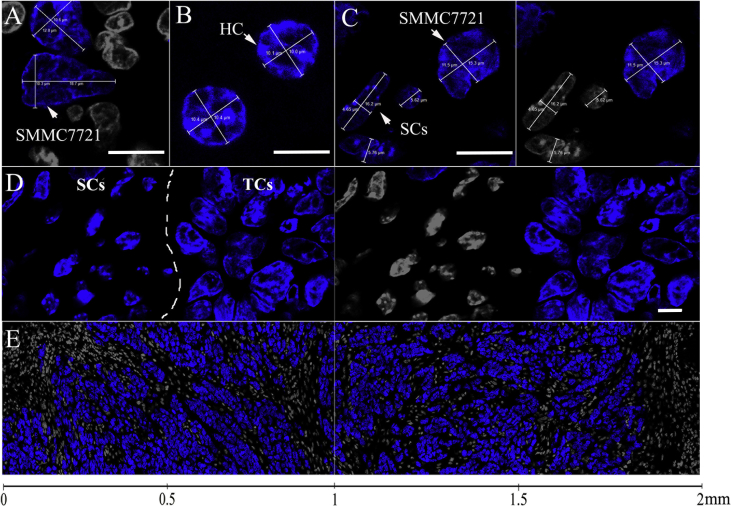
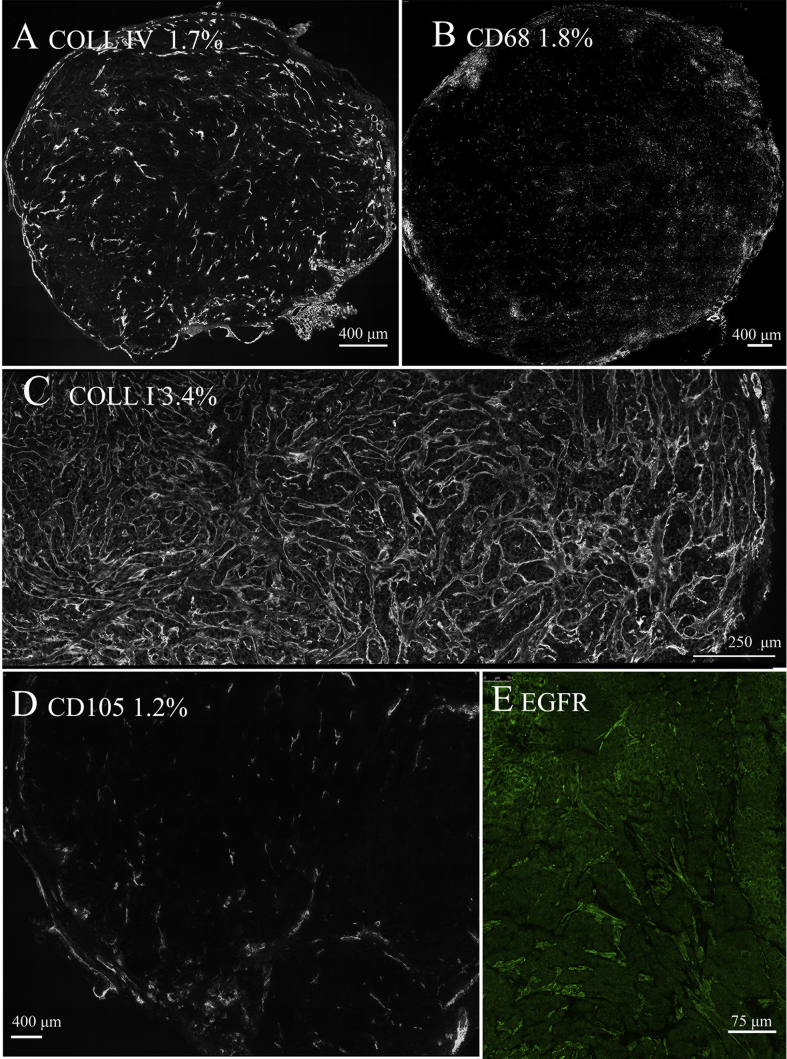
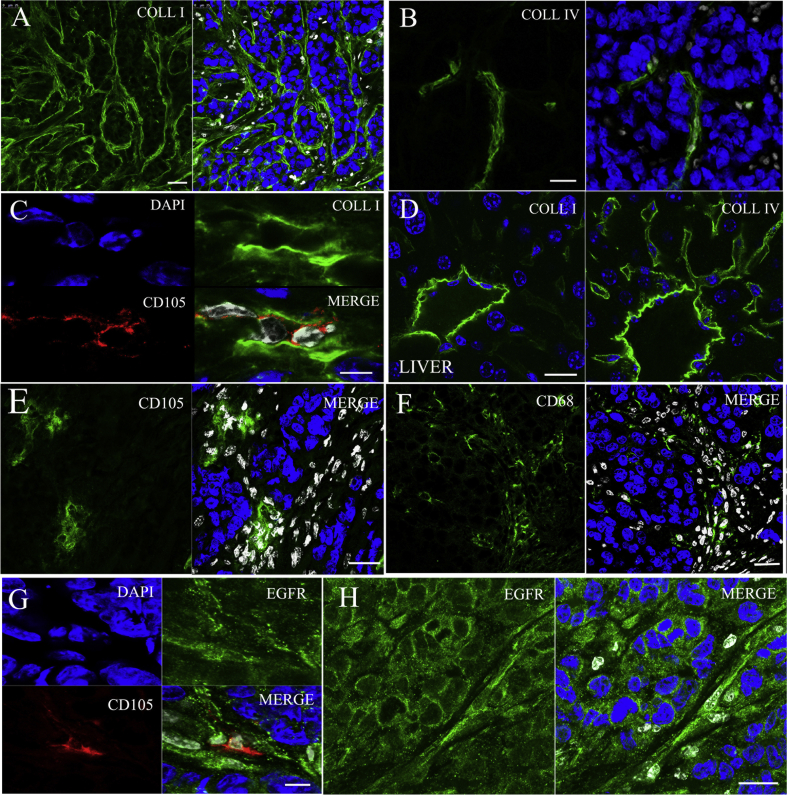
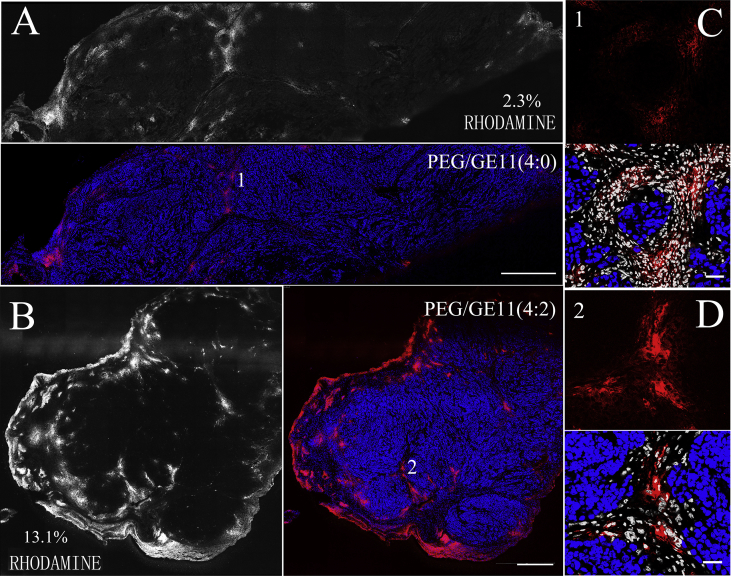
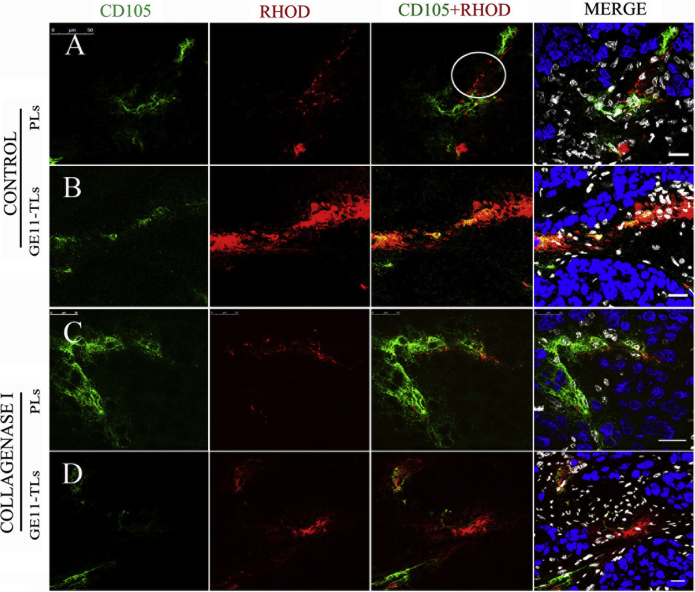
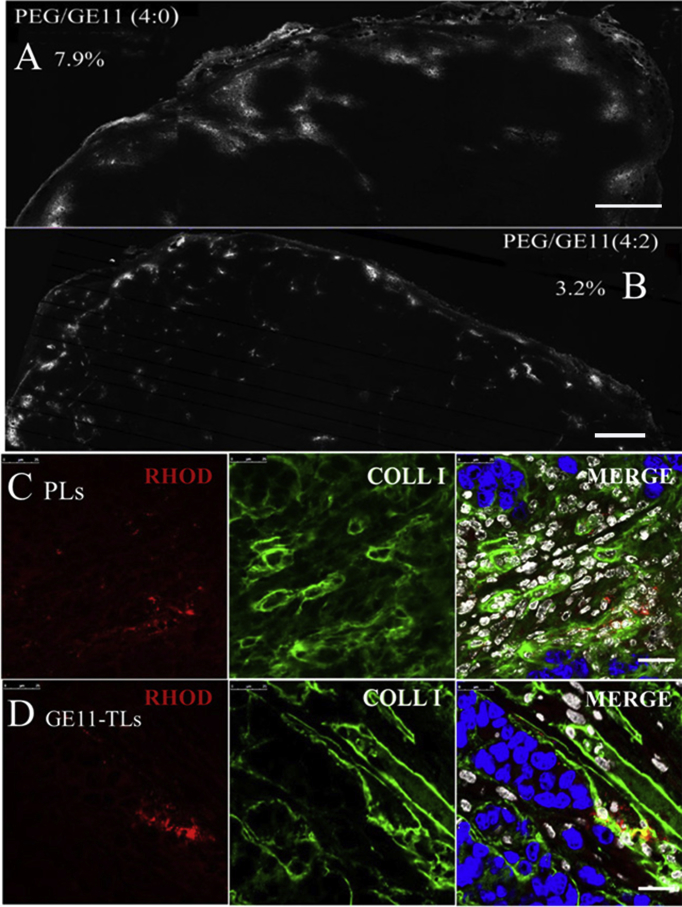
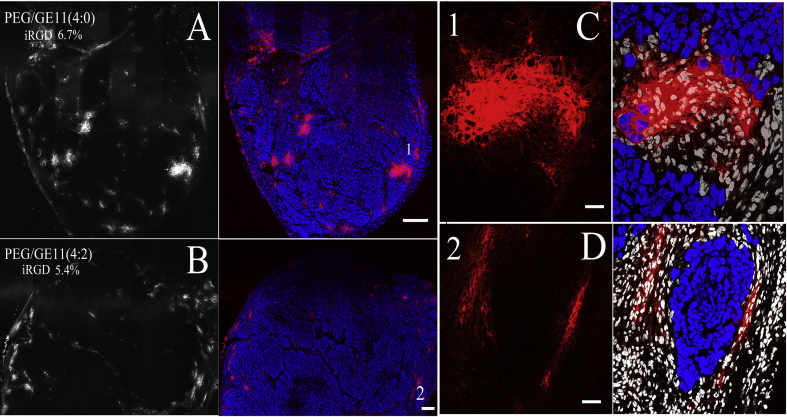
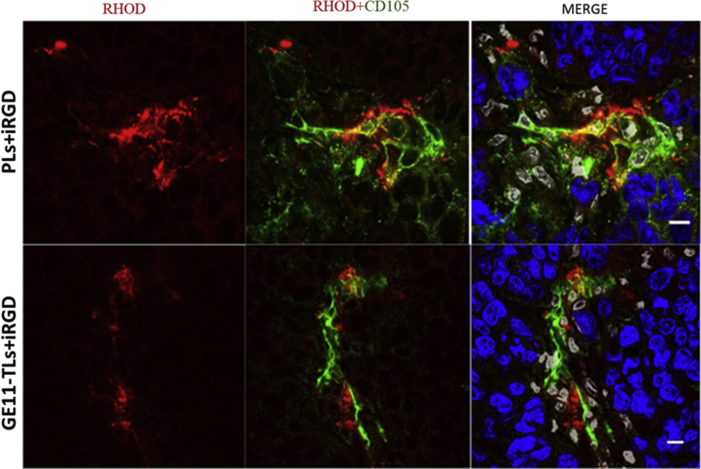
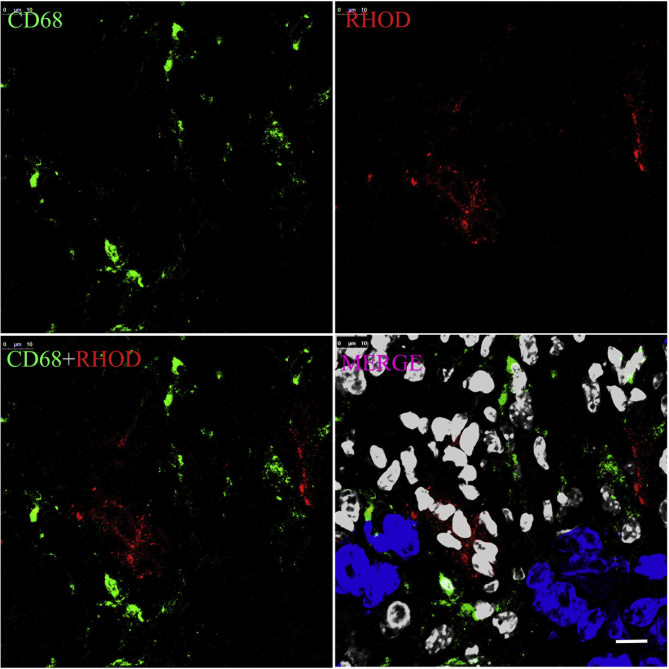
Liposomes, as one of the most successful nanotherapeutics, have a major impact on many biomedical areas. In this study, we performed laser scanning confocal microscope (LSCM) and immunohistochemistry (IHC) assays to investigate the intra-tumor transport and antitumor mechanism of GE11 peptide-conjugated active targeting liposomes (GE11-TLs) in SMMC7721 xenograft model. According to classification of individual cell types in high resolution images, biodistribution of macrophages, tumor cells, cells with high epidermal growth factor receptor (EGFR) expression and interstitial matrix in tumor microenvironment, in addition, their impacts on intra-tumor penetration of GE11-TLs were estimated. Type I collagen fibers and macrophage flooded in the whole SMMC7721 tumor xenografts. Tumor angiogenesis was of great heterogeneity from the periphery to the center region. However, the receptor-binding site barriers were supposed to be the leading cause of poor penetration of GE11-TLs. We anticipate these images can give a deep reconsideration for rational design of target nanoparticles for overcoming biological barriers to drug delivery.
脂质体作为最成功的纳米治疗药物之一,在许多生物医学领域都有重大影响。在本研究中,我们进行了激光扫描共聚焦显微镜(LSCM)和免疫组织化学(IHC)分析,以研究GE11肽偶联的主动靶向脂质体(GE11-TLs)在SMMC7721异种移植模型中的肿瘤内转运和抗肿瘤机制。根据高分辨率图像中单个细胞类型的分类,评估了肿瘤微环境中巨噬细胞、肿瘤细胞、表皮生长因子受体(EGFR)高表达细胞和间质基质的生物分布,此外,还评估了它们对GE11-TLs肿瘤内渗透的影响。I型胶原纤维和巨噬细胞充斥在整个SMMC7721肿瘤异种移植物中。肿瘤血管生成从周边到中心区域具有很大的异质性。然而,受体结合位点障碍被认为是GE11-TLs渗透不良的主要原因。我们期望这些图像能够为合理设计用于克服药物递送生物屏障的靶向纳米颗粒提供深入的思考。