Institute of Applied Biosciences/Centre for Research and Technology Hellas, 57001, Thessaloniki, Greece.
Faculty of Biology, Johannes Gutenberg University Mainz, 55122, Mainz, Germany; Human Embryo and Stem Cell Laboratory, The Francis Crick Institute, NW1 1AT, London, UK.
Redox Biol. 2020 May;32:101458. doi: 10.1016/j.redox.2020.101458. Epub 2020 Feb 11.
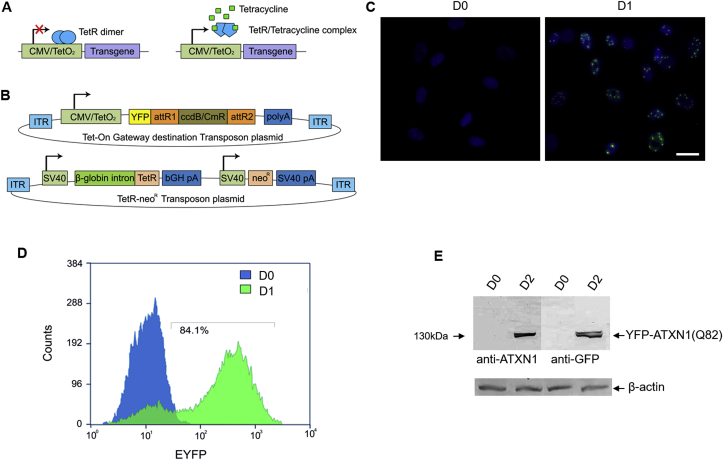
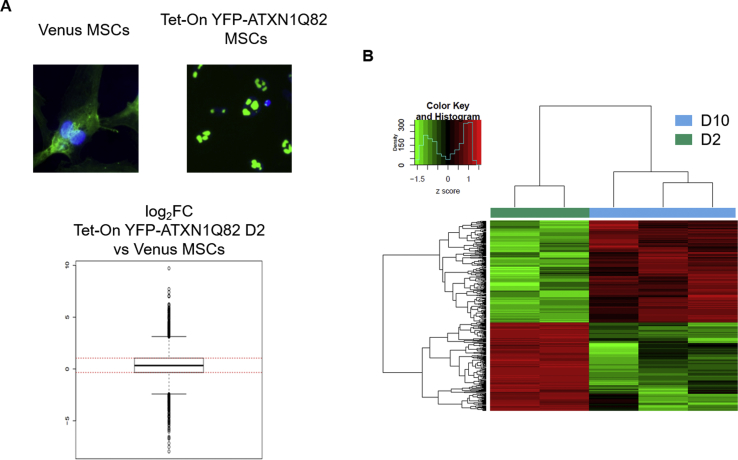
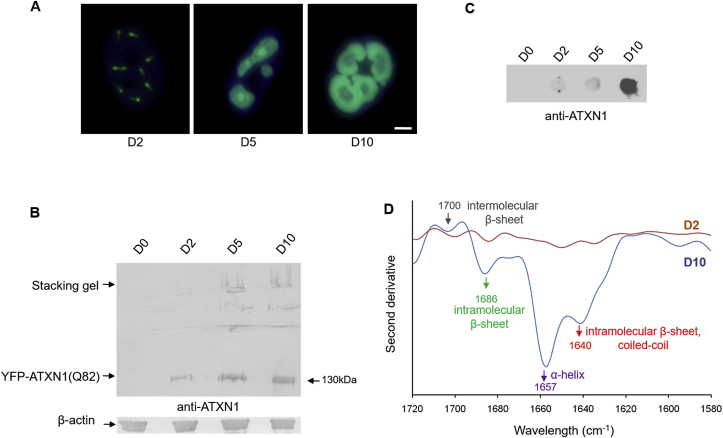
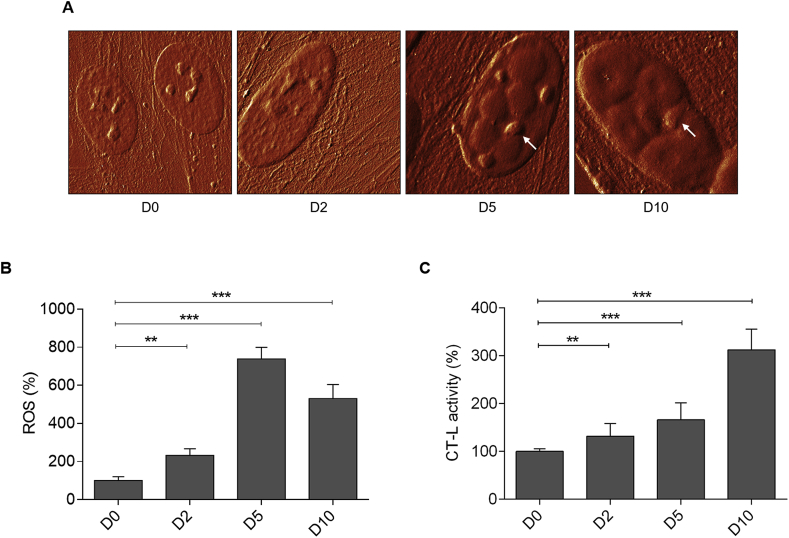
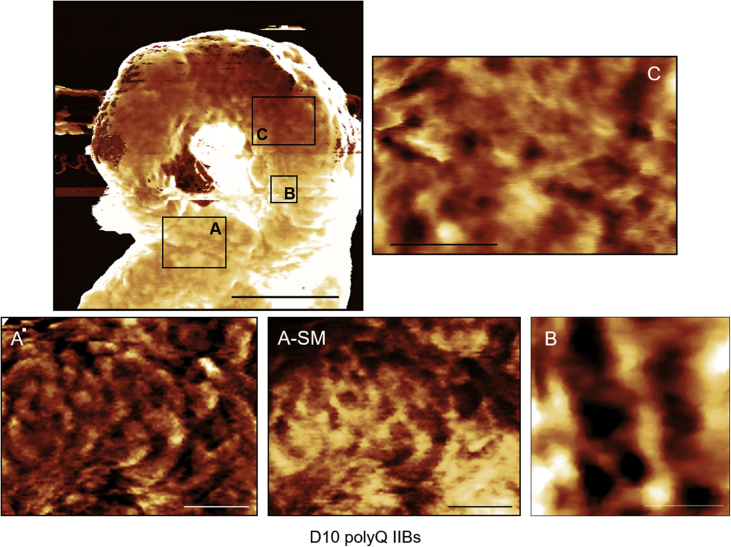
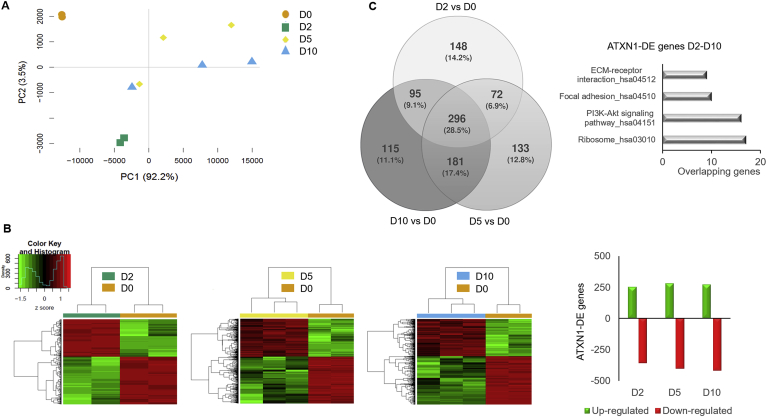
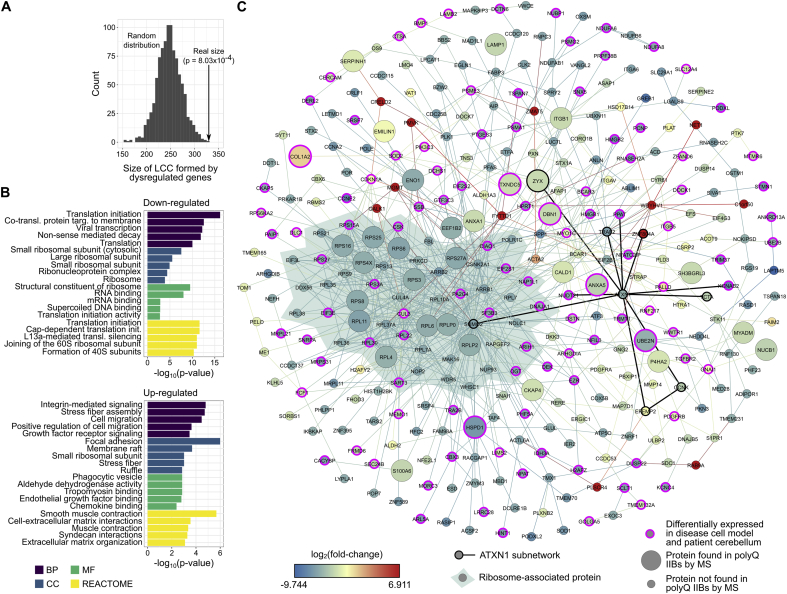
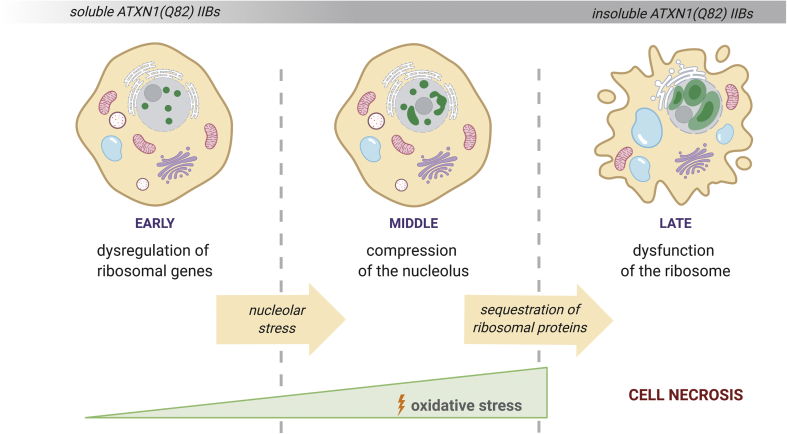
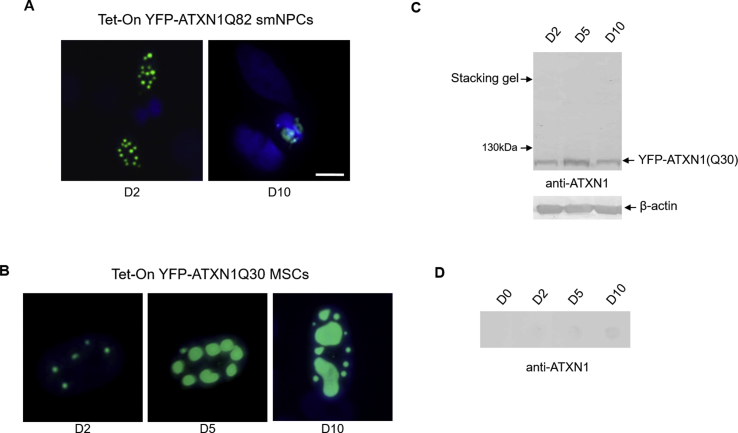
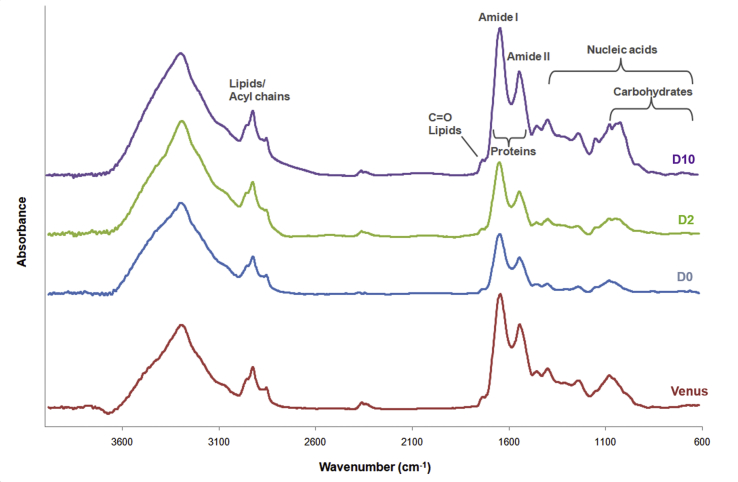
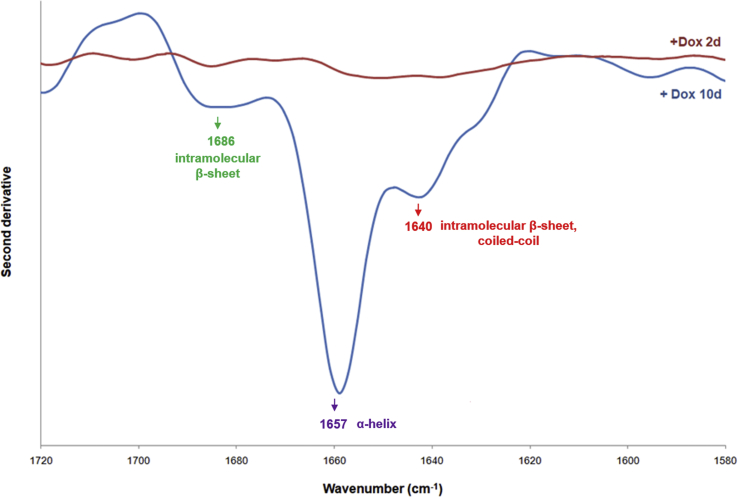
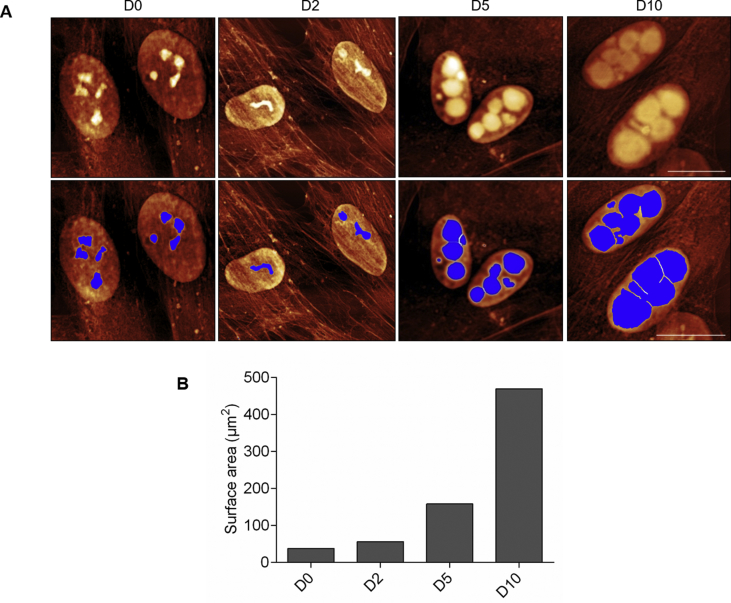
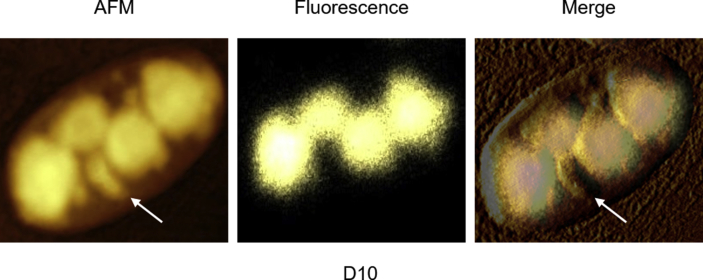
Spinocerebellar ataxia type-1 (SCA1) is caused by an abnormally expanded polyglutamine (polyQ) tract in ataxin-1. These expansions are responsible for protein misfolding and self-assembly into intranuclear inclusion bodies (IIBs) that are somehow linked to neuronal death. However, owing to lack of a suitable cellular model, the downstream consequences of IIB formation are yet to be resolved. Here, we describe a nuclear protein aggregation model of pathogenic human ataxin-1 and characterize IIB effects. Using an inducible Sleeping Beauty transposon system, we overexpressed the ATXN1(Q82) gene in human mesenchymal stem cells that are resistant to the early cytotoxic effects caused by the expression of the mutant protein. We characterized the structure and the protein composition of insoluble polyQ IIBs which gradually occupy the nuclei and are responsible for the generation of reactive oxygen species. In response to their formation, our transcriptome analysis reveals a cerebellum-specific perturbed protein interaction network, primarily affecting protein synthesis. We propose that insoluble polyQ IIBs cause oxidative and nucleolar stress and affect the assembly of the ribosome by capturing or down-regulating essential components. The inducible cell system can be utilized to decipher the cellular consequences of polyQ protein aggregation. Our strategy provides a broadly applicable methodology for studying polyQ diseases.
脊髓小脑共济失调 1 型(SCA1)是由ataxin-1 中异常扩展的多聚谷氨酰胺(polyQ)片段引起的。这些扩展负责蛋白质错误折叠和自我组装成核内包涵体(IIBs),这些包涵体与神经元死亡有关。然而,由于缺乏合适的细胞模型,IIB 形成的下游后果仍有待解决。在这里,我们描述了一种致病性人类 ataxin-1 的核蛋白聚集模型,并对 IIB 的影响进行了表征。我们使用可诱导的 Sleeping Beauty 转座子系统,在对突变蛋白表达引起的早期细胞毒性作用具有抗性的人间充质干细胞中过表达 ATXN1(Q82)基因。我们对不溶性 polyQ IIBs 的结构和蛋白质组成进行了表征,这些包涵体逐渐占据细胞核,并导致活性氧的产生。作为对它们形成的反应,我们的转录组分析揭示了一个小脑特异性的受扰蛋白相互作用网络,主要影响蛋白质合成。我们提出,不溶性 polyQ IIBs 引起氧化和核仁应激,并通过捕获或下调必需成分来影响核糖体的组装。可诱导的细胞系统可用于破译 polyQ 蛋白聚集的细胞后果。我们的策略为研究 polyQ 疾病提供了一种广泛适用的方法。