Viau Charles, Haçariz Orçun, Karimian Farial, Xia Jianguo
Institute of Parasitology, McGill University, Montreal, Canada.
Department of Animal Science, McGill University, Montreal, Quebec, Canada.
PeerJ. 2020 Feb 27;8:e8684. doi: 10.7717/peerj.8684. eCollection 2020.
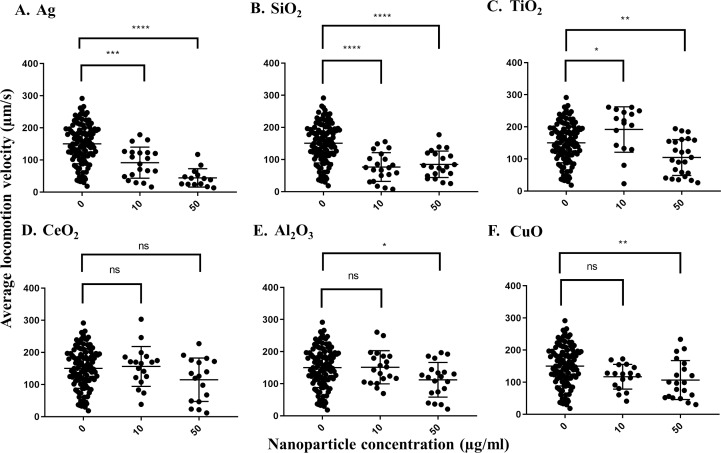
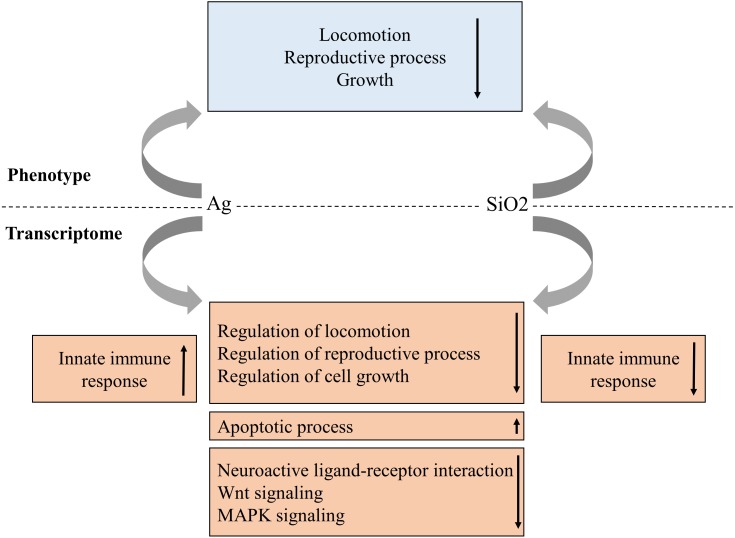
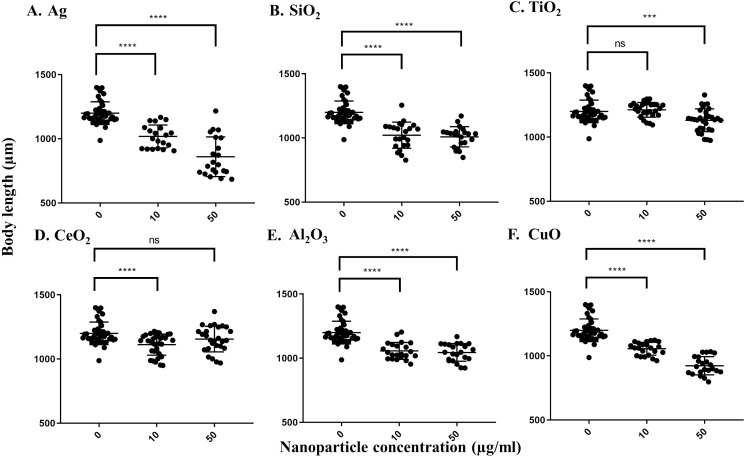
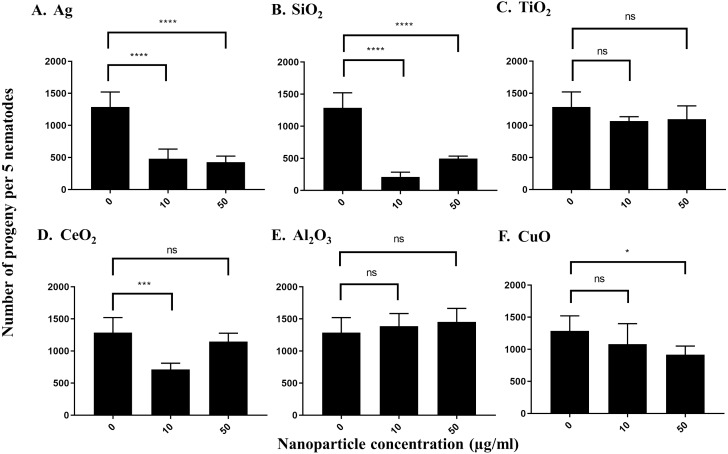
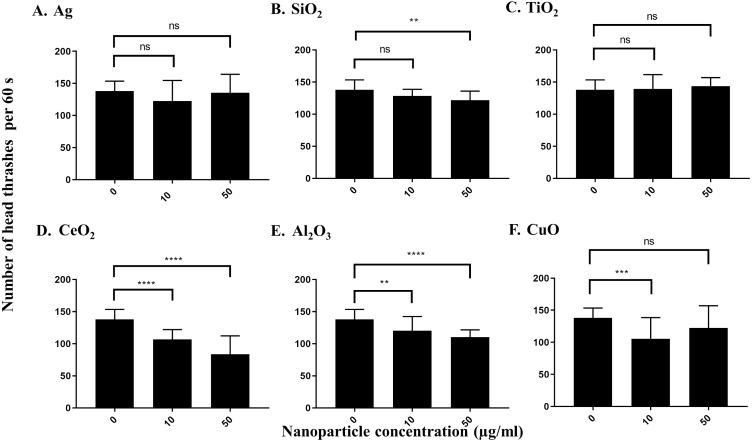
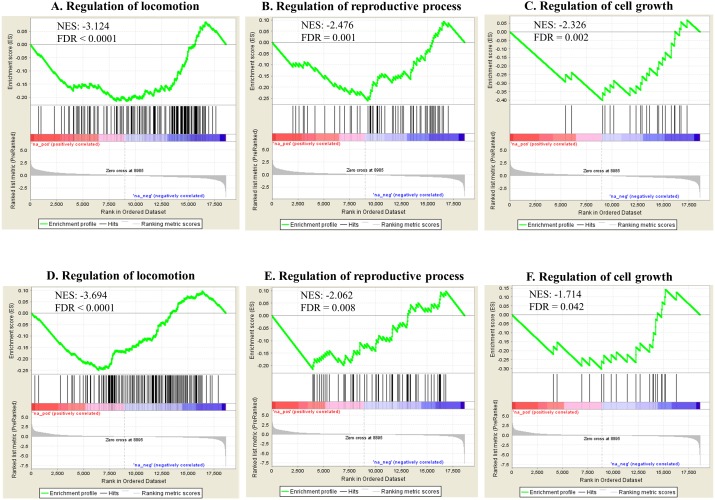
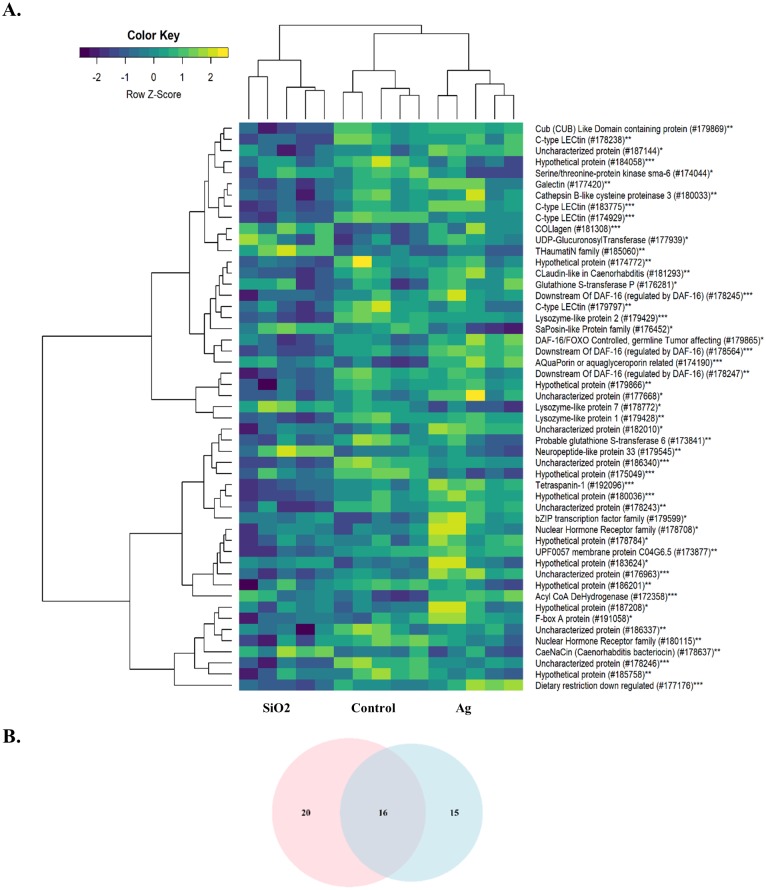
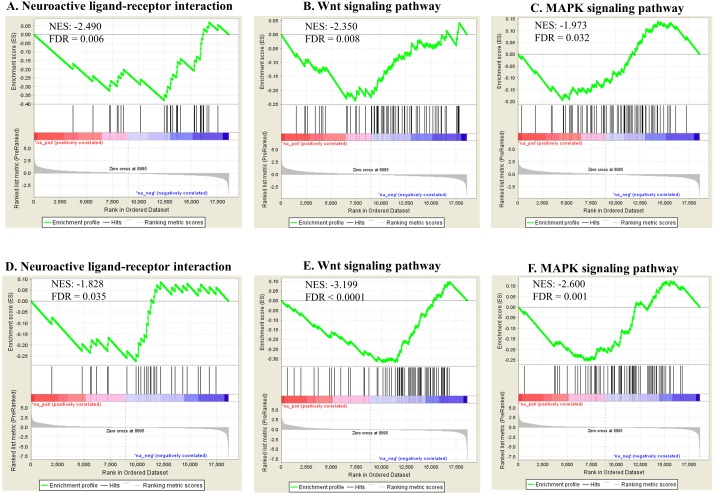
Engineered nanoparticles are used at an increasing rate in both industry and medicine without fully understanding their impact on health and environment. The nematode is a suitable model to study the toxic effects of nanoparticles as it is amenable to comprehensive phenotyping, such as locomotion, growth, neurotoxicity and reproduction. In this study, we systematically evaluated the effects of silver (Ag) and five metal oxide nanoparticles: SiO, CeO, CuO, AlO and TiO. The results showed that Ag and SiO exposures had the most toxic effects on locomotion velocity, growth and reproduction, whereas CeO, AlO and CuO exposures were mostly neurotoxic. We further performed RNAseq to compare the gene expression profiles underlying Ag and SiOtoxicities. Gene set enrichment analyses revealed that exposures to Ag and SiOconsistently downregulated several biological processes (regulations in locomotion, reproductive process and cell growth) and pathways (neuroactive ligand-receptor interaction, wnt and MAPK signaling, etc.), with opposite effects on genes involved in innate immunity. Our results contribute to mechanistic insights into toxicity of Ag and SiO nanoparticles and demonstrated that as a valuable model for nanotoxicity assessment.
工程纳米颗粒在工业和医学中的使用频率日益增加,但人们并未充分了解它们对健康和环境的影响。线虫是研究纳米颗粒毒性效应的合适模型,因为它适合进行全面的表型分析,如运动、生长、神经毒性和繁殖。在本研究中,我们系统地评估了银(Ag)和五种金属氧化物纳米颗粒:二氧化硅(SiO)、氧化铈(CeO)、氧化铜(CuO)、氧化铝(AlO)和二氧化钛(TiO)的影响。结果表明,暴露于Ag和SiO对运动速度、生长和繁殖的毒性作用最大,而暴露于CeO、AlO和CuO主要具有神经毒性。我们进一步进行了RNA测序,以比较Ag和SiO毒性背后的基因表达谱。基因集富集分析表明,暴露于Ag和SiO会持续下调几个生物学过程(运动调节、生殖过程和细胞生长)和通路(神经活性配体-受体相互作用、wnt和MAPK信号传导等),对参与先天免疫的基因产生相反的影响。我们的结果有助于深入了解Ag和SiO纳米颗粒的毒性机制,并证明线虫是纳米毒性评估的有价值模型。