Rico Daniel, Peñas Elena, García María Del Carmen, Martínez-Villaluenga Cristina, Rai Dilip K, Birsan Rares I, Frias Juana, Martín-Diana Ana B
Subdirection of Research and Technology, Agro-Technological Institute of Castilla y León, Consejería de Agricultura y Ganadería, Finca de Zamadueñas, 47171 Valladolid, Spain.
Department of Food Characterization, Quality and Safety; Institute of Food Science, Technology and Nutrition (ICTAN-CSIC), 28006 Madrid, Spain.
Foods. 2020 Mar 5;9(3):296. doi: 10.3390/foods9030296.
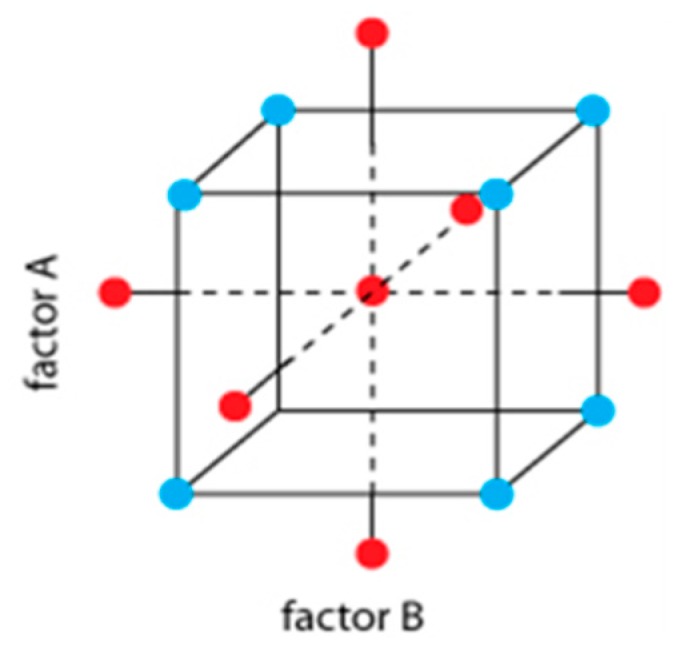
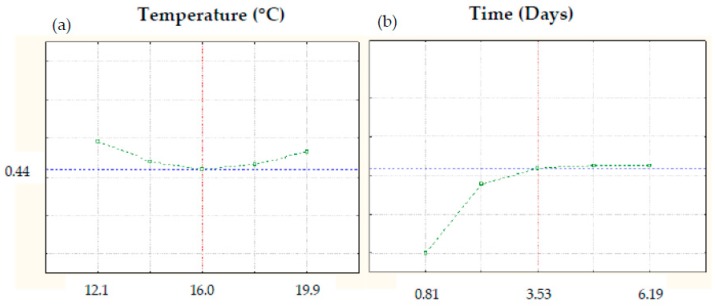
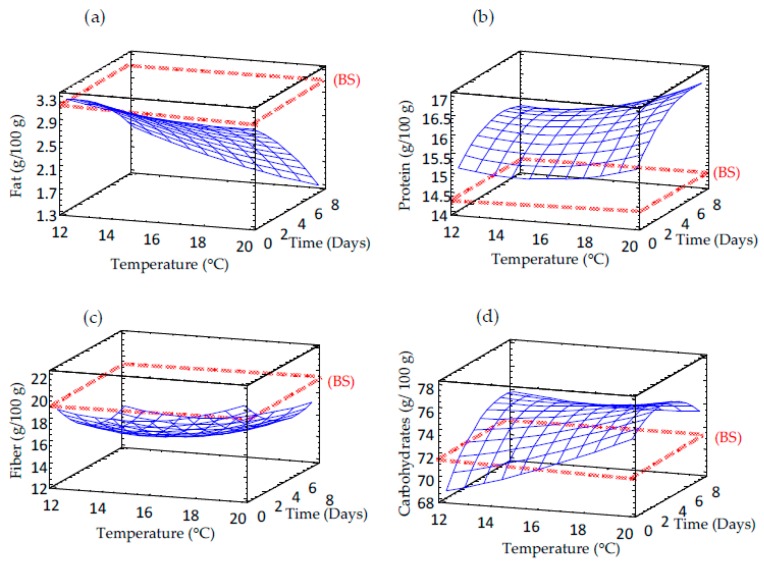
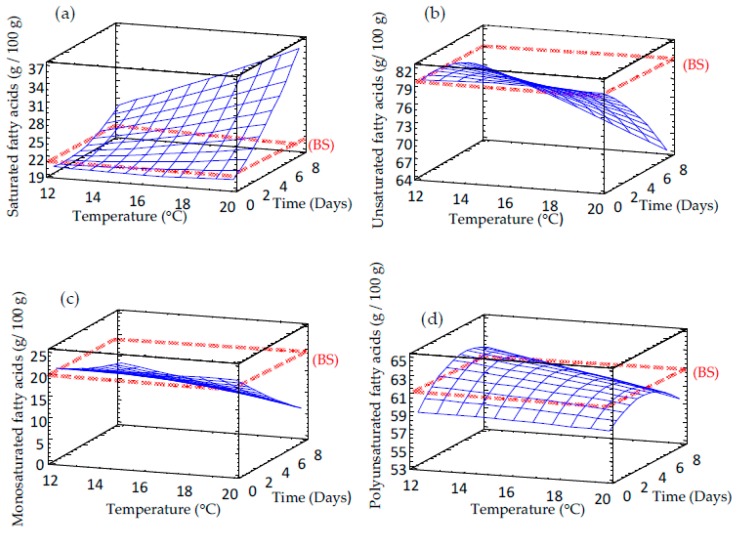
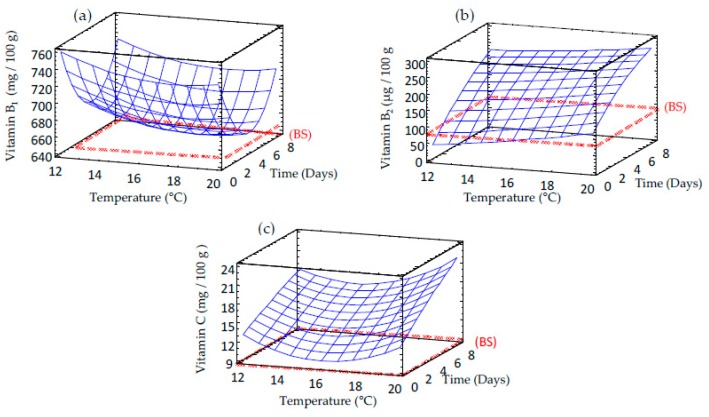
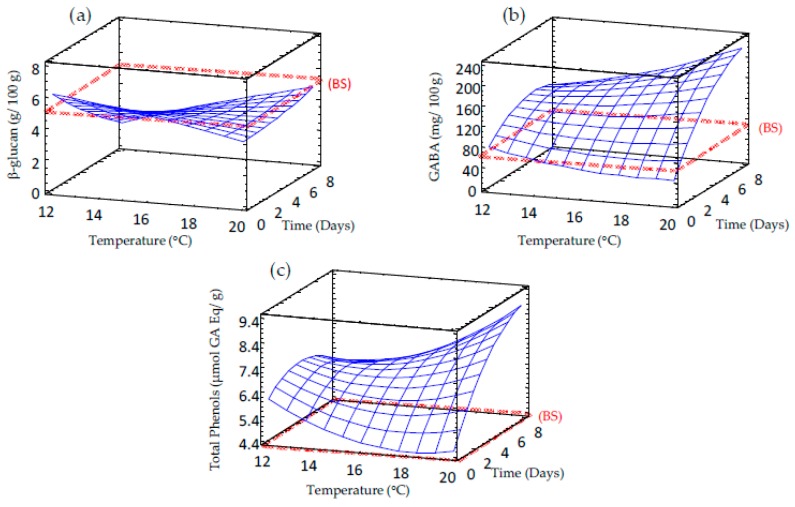
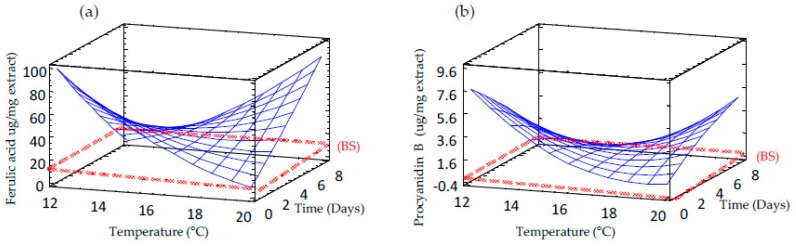
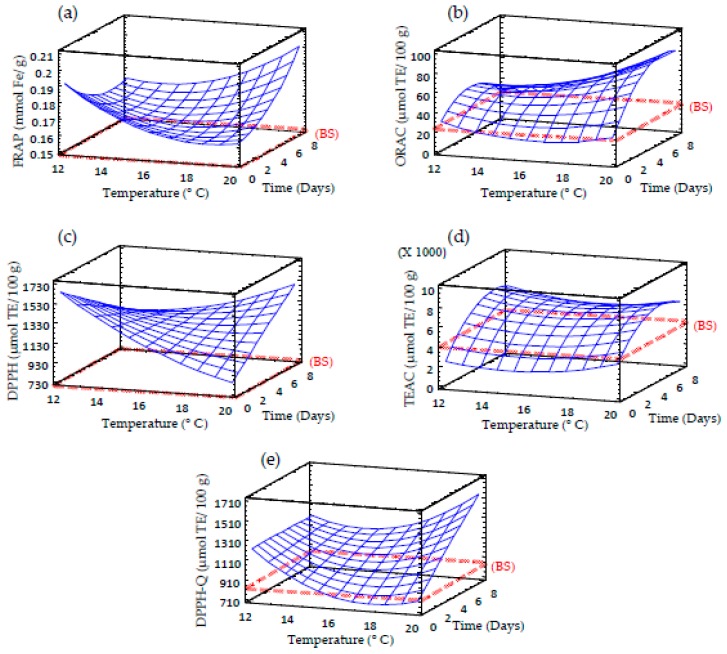
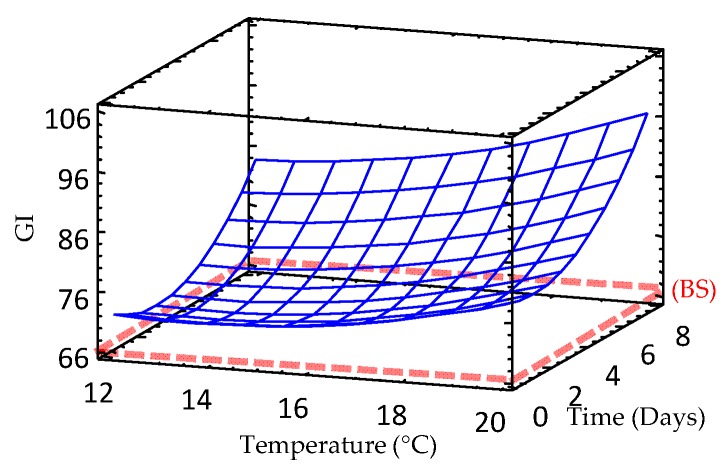
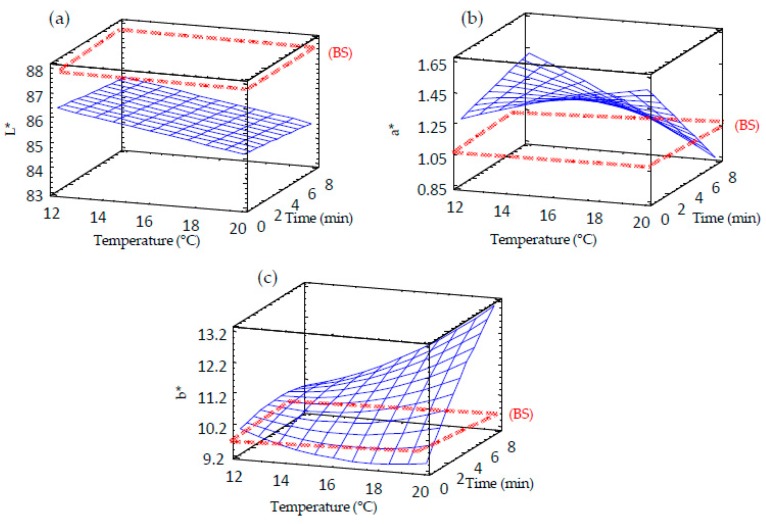
The increasing demand for healthy food products has promoted the use of germinated seeds to produce functional flours. In this study, germination conditions were optimized in barley grains with the aim to produce flours with high nutritional and biofunctional potential using response surface methodology (RSM). The impact of germination time (0.8-6 days) and temperature (12-20 °C) on barley quality was studied. Non-germinated barley was used as the control. The content of vitamins B, B and C, and proteins increased notably after germination, especially at longer times, while levels of fat, carbohydrates, fibre, and b-glucan were reduced. Total phenolic compounds, g-aminobutyric acid and antioxidant activity determined by Oxygen Radical Absorbance Capacity increased between 2-fold and 4-fold during sprouting, depending on germination conditions and this increase was more pronounced at higher temperatures (16-20 °C) and longer times (5-6 days). Procyanidin B and ferulic acid were the main phenolics in the soluble and insoluble fraction, respectively. Procyanidin B levels decreased while bound ferulic acid content increased during germination. Germinated barley flours exhibited lower brightness and a higher glycemic index than the control ones. This study shows that germination at 16 °C for 3.5 days was the optimum process to obtain nutritious and functional barley flours. Under these conditions, sprouts retained 87% of the initial b-glucan content, and exhibited levels of ascorbic acid, riboflavin, phenolic compounds and GABA between 1.4-fold and 2.5-fold higher than the non-sprouted grain.
对健康食品日益增长的需求推动了发芽种子在生产功能性面粉中的应用。在本研究中,利用响应面法(RSM)对大麦籽粒的发芽条件进行了优化,旨在生产具有高营养和生物功能潜力的面粉。研究了发芽时间(0.8 - 6天)和温度(12 - 20℃)对大麦品质的影响。未发芽的大麦用作对照。发芽后,维生素B、B和C以及蛋白质的含量显著增加,尤其是发芽时间较长时,而脂肪、碳水化合物、纤维和β-葡聚糖的含量则降低。根据发芽条件,通过氧自由基吸收能力测定的总酚类化合物、γ-氨基丁酸和抗氧化活性在发芽过程中增加了2至4倍,并且在较高温度(16 - 20℃)和较长时间(5 - 6天)下这种增加更为明显。原花青素B和阿魏酸分别是可溶部分和不溶部分中的主要酚类物质。发芽过程中原花青素B的含量降低,而结合态阿魏酸的含量增加。发芽大麦粉的亮度低于对照,血糖指数高于对照。本研究表明,在16℃下发芽3.5天是获得营养丰富且具有功能性的大麦粉的最佳工艺。在这些条件下,芽苗保留了初始β-葡聚糖含量的87%,并且抗坏血酸、核黄素、酚类化合物和γ-氨基丁酸的含量比未发芽的籽粒高出1.4至2.5倍。