Bansal Neha, Adams M Jacob, Ganatra Sarju, Colan Steven D, Aggarwal Sanjeev, Steiner Rudolf, Amdani Shahnawaz, Lipshultz Emma R, Lipshultz Steven E
1Division of Pediatric Cardiology, Children's Hospital at Montefiore, Bronx, NY USA.
2Department of Public Health Sciences, University of Rochester School of Medicine and Dentistry, Rochester, NY USA.
Cardiooncology. 2019 Dec 2;5:18. doi: 10.1186/s40959-019-0054-5. eCollection 2019.
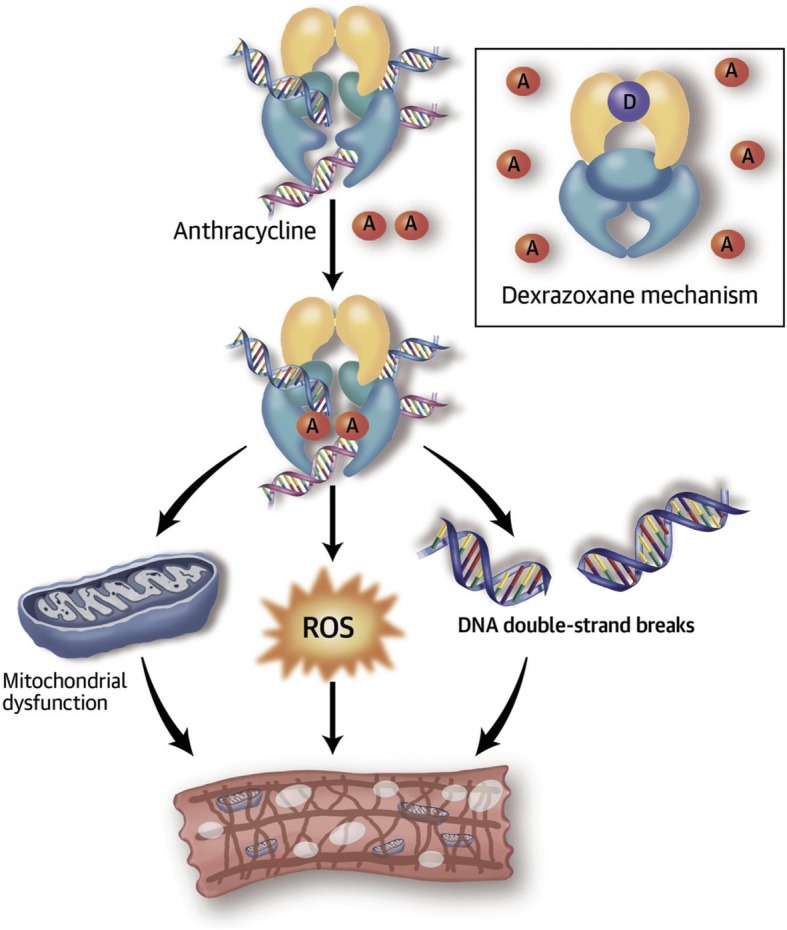
Cancer diagnostics and therapies have improved steadily over the last few decades, markedly increasing life expectancy for patients at all ages. However, conventional and newer anti-neoplastic therapies can cause short- and long-term cardiotoxicity. The clinical implications of this cardiotoxicity become more important with the increasing use of cardiotoxic drugs. The implications are especially serious among patients predisposed to adverse cardiac effects, such as youth, the elderly, those with cardiovascular comorbidities, and those receiving additional chemotherapies or thoracic radiation. However, the optimal strategy for preventing and managing chemotherapy-induced cardiotoxicity remains unknown. The routine use of neurohormonal antagonists for cardioprotection is not currently justified, given the marginal benefits and associated adverse events, particularly with long-term use. The only United States Food and Drug Administration and European Medicines Agency approved treatment for preventing anthracycline-related cardiomyopathy is dexrazoxane. We advocate administering dexrazoxane during cancer treatment to limit the cardiotoxic effects of anthracycline chemotherapy.
在过去几十年中,癌症诊断和治疗稳步改善,显著提高了各年龄段患者的预期寿命。然而,传统和新型抗肿瘤疗法都可能导致短期和长期心脏毒性。随着心脏毒性药物使用的增加,这种心脏毒性的临床影响变得更加重要。在易发生不良心脏效应的患者中,影响尤为严重,如年轻人、老年人、患有心血管合并症的患者以及接受额外化疗或胸部放疗的患者。然而,预防和管理化疗引起的心脏毒性的最佳策略仍然未知。鉴于益处有限以及相关不良事件,特别是长期使用时,目前常规使用神经激素拮抗剂进行心脏保护并不合理。美国食品药品监督管理局和欧洲药品管理局唯一批准的预防蒽环类药物相关心肌病的治疗方法是右丙亚胺。我们主张在癌症治疗期间给予右丙亚胺,以限制蒽环类化疗的心脏毒性作用。