Faculty of Chemistry and Chemical Technology, University of Maribor, Smetanova 17, SI-2000 Maribor, Slovenia.
Institute of Molecular Modeling and Simulation, University of Natural Resources and Life Sciences, Muthgasse 18, 1190 Vienna, Austria.
J Chem Theory Comput. 2020 Apr 14;16(4):2795-2802. doi: 10.1021/acs.jctc.9b01104. Epub 2020 Mar 20.
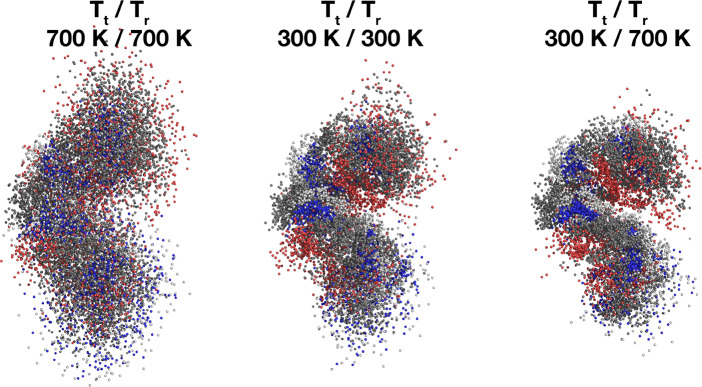
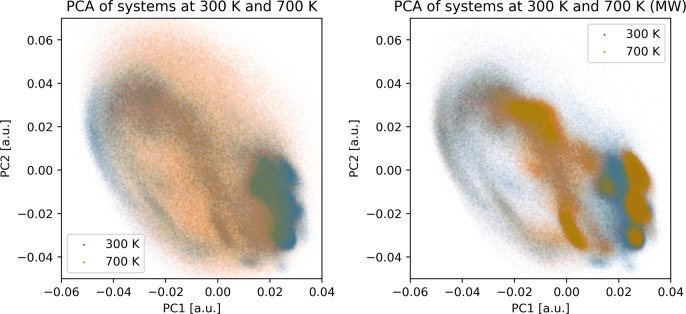
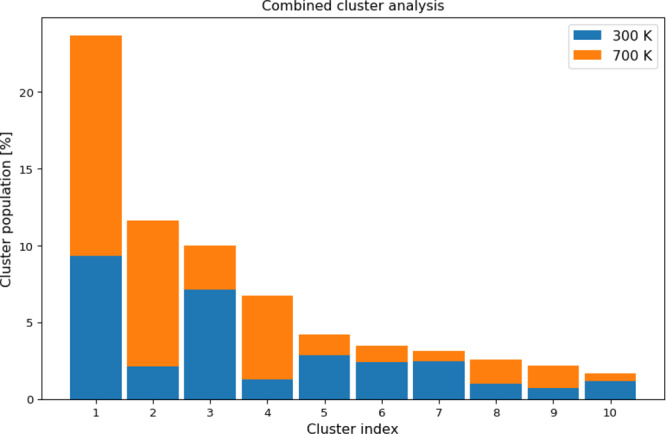
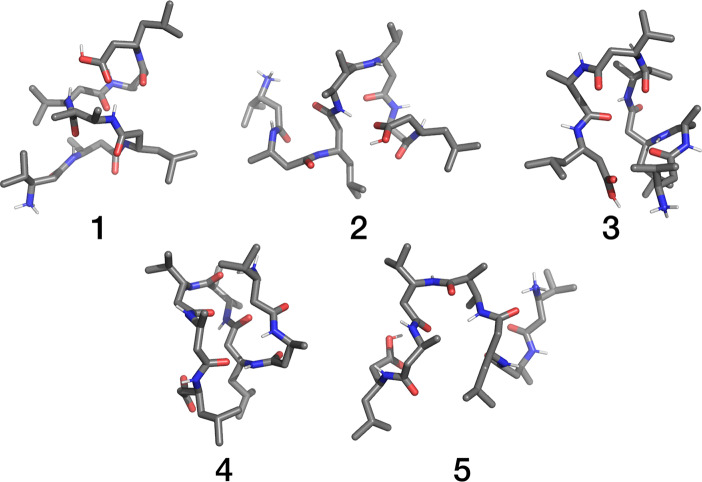
Microwaves have been experimentally shown to affect the folding dynamics of peptides and proteins. Using molecular dynamics, we performed all-atom simulations of a model β-peptide in aqueous solution where individual degrees of freedom of solvent molecules were decoupled to allow for investigation at non-equilibrium microwave-irradiated conditions. An elevated rotational temperature of the water medium was found to significantly affect the conformation of the peptide due to the weakened hydrogen-bonding interactions with the surrounding solvent molecules. Cluster analysis revealed that microwave irradiation can indeed act as a promoter in the formation of new misfolded peptide structures of the hairpin type, which are generally associated with the onset of several neurodegenerative disorders such as Alzheimer's, Parkinson's, Huntington's, and Creutzfeldt-Jakob diseases as well as certain cancer types such as amyloidosis.
微波已被实验证明会影响肽和蛋白质的折叠动力学。我们使用分子动力学对模型β-肽在水溶液中的折叠动力学进行了全原子模拟,其中溶剂分子的个别自由度被解耦,以允许在非平衡微波辐照条件下进行研究。发现水介质的旋转温度升高会显著影响肽的构象,因为与周围溶剂分子的氢键相互作用减弱。聚类分析表明,微波辐射确实可以作为促进剂,形成发夹型新的错误折叠的肽结构,这些结构通常与阿尔茨海默病、帕金森病、亨廷顿病和克雅氏病等几种神经退行性疾病以及某些癌症类型(如淀粉样变性)的发生有关。