Department of Biology, Mount St. Joseph University, 5701 Delhi Ave, Cincinnati, OH, 45233, USA.
Department of Biological Sciences, Wright State University, 3640 Colonel Glenn Hwy, Dayton, OH, 45435, USA.
BMC Genomics. 2020 Mar 12;21(1):226. doi: 10.1186/s12864-020-6602-4.
Cope's gray treefrog, Dryophytes chrysoscelis, withstands the physiological challenges of corporeal freezing, partly by accumulating cryoprotective compounds of hepatic origin, including glycerol, urea, and glucose. We hypothesized that expression of genes related to cryoprotectant mobilization and stress tolerance would be differentially regulated in response to cold. Using high-throughput RNA sequencing (RNA-Seq), a hepatic transcriptome was generated for D. chrysoscelis, and gene expression was compared among frogs that were warm-acclimated, cold-acclimated, and frozen.
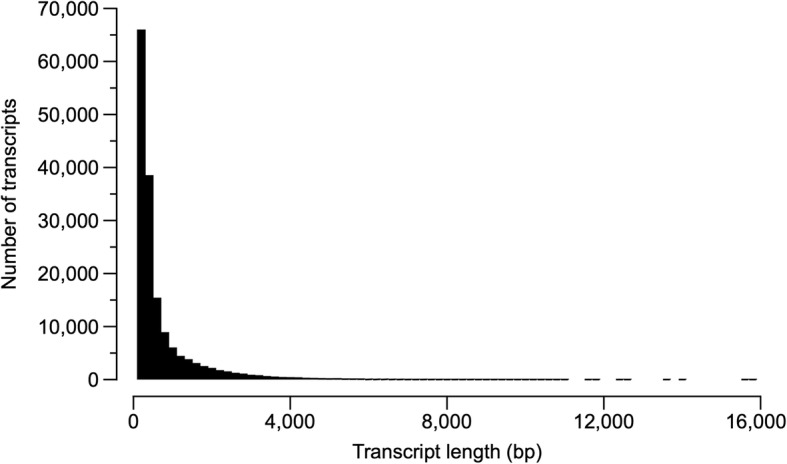
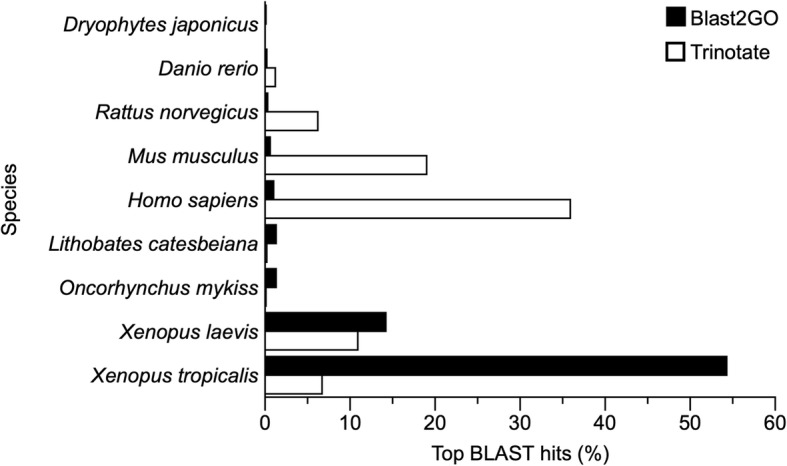
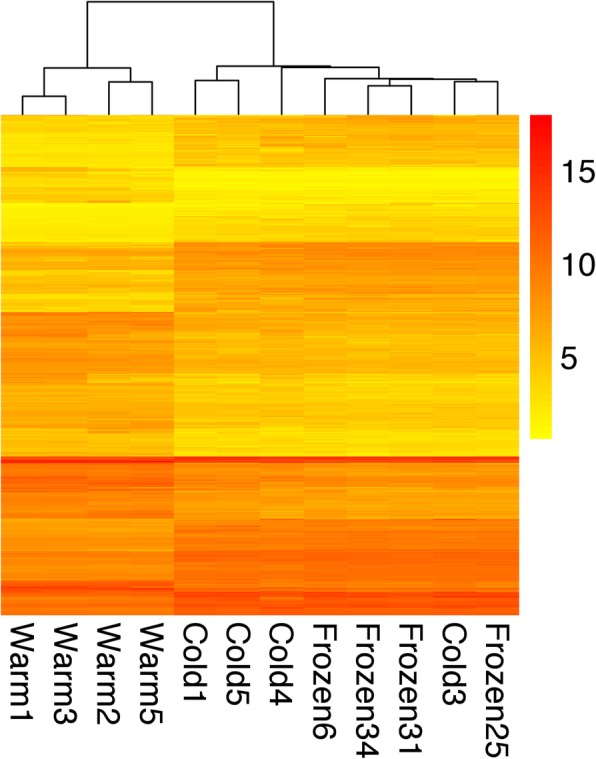
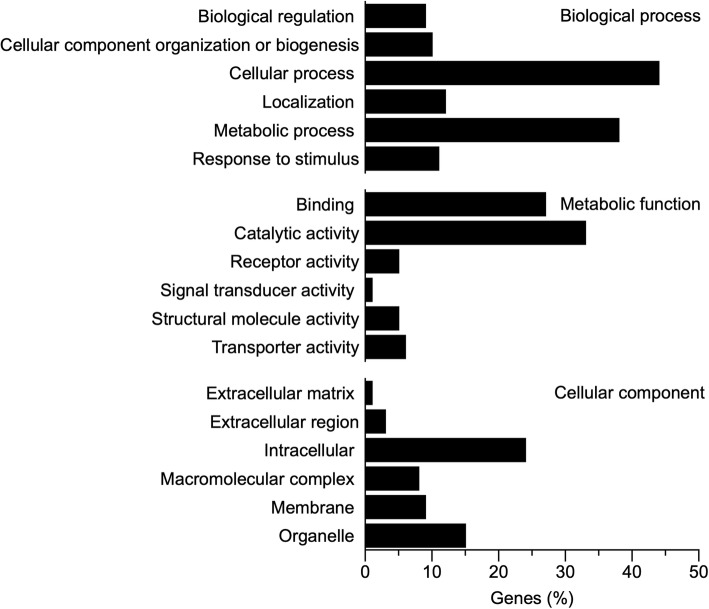
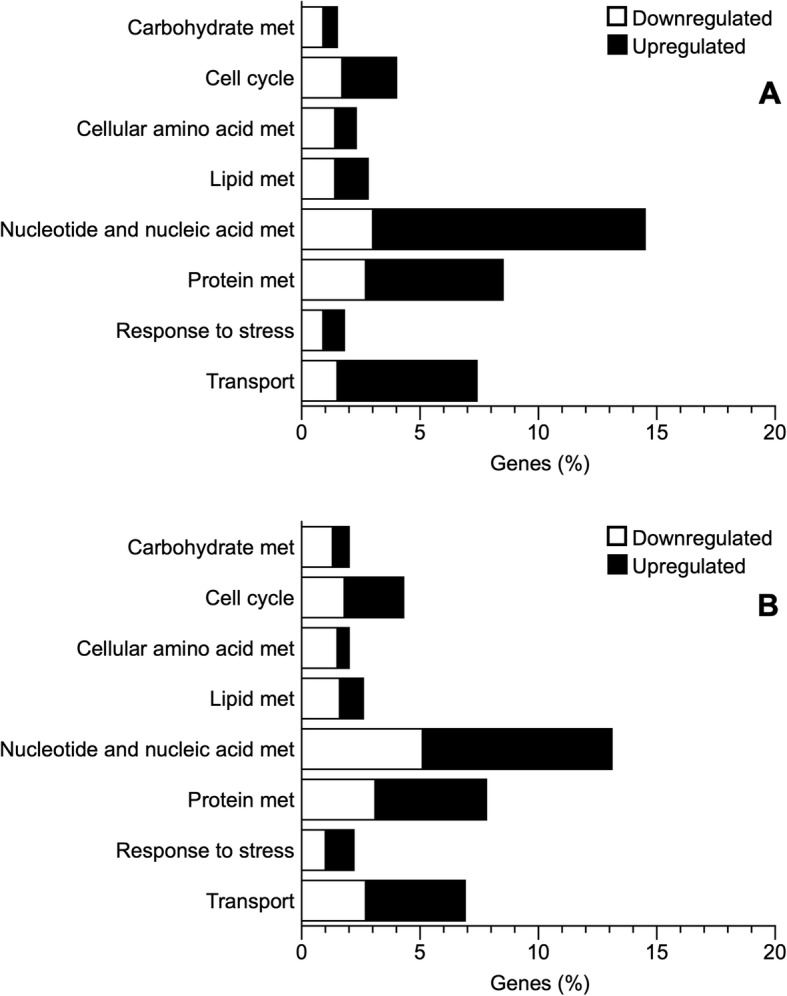
A total of 159,556 transcripts were generated; 39% showed homology with known transcripts, and 34% of all transcripts were annotated. Gene-level analyses identified 34,936 genes, 85% of which were annotated. Cold acclimation induced differential expression both of genes and non-coding transcripts; freezing induced few additional changes. Transcript-level analysis followed by gene-level aggregation revealed 3582 differentially expressed genes, whereas analysis at the gene level revealed 1324 differentially regulated genes. Approximately 3.6% of differentially expressed sequences were non-coding and of no identifiable homology. Expression of several genes associated with cryoprotectant accumulation was altered during cold acclimation. Of note, glycerol kinase expression decreased with cold exposure, possibly promoting accumulation of glycerol, whereas glucose export was transcriptionally promoted by upregulation of glucose-6-phosphatase and downregulation of genes of various glycolytic enzymes. Several genes related to heat shock protein response, DNA repair, and the ubiquitin proteasome pathway were upregulated in cold and frozen frogs, whereas genes involved in responses to oxidative stress and anoxia, both potential sources of cellular damage during freezing, were downregulated or unchanged.
Our study is the first to report transcriptomic responses to low temperature exposure in a freeze-tolerant vertebrate. The hepatic transcriptome of Dryophytes chrysoscelis is responsive to cold and freezing. Transcriptomic regulation of genes related to particular pathways, such as glycerol biosynthesis, were not all regulated in parallel. The physiological demands associated with cold and freezing, as well as the transcriptomic responses observed in this study, are shared with several organisms that face similar ecophysiological challenges, suggesting common regulatory mechanisms. The role of transcriptional regulation relative to other cellular processes, and of non-coding transcripts as elements of those responses, deserve further study.
蟾胡树蛙(Dryophytes chrysoscelis)能够承受身体冻结带来的生理挑战,部分原因是其肝脏中积累了多种具有防冻作用的化合物,包括甘油、尿素和葡萄糖。我们假设,与防冻物质动员和应激耐受相关的基因表达会因低温而发生差异调控。利用高通量 RNA 测序(RNA-Seq)技术,我们生成了蟾胡树蛙的肝脏转录组,并比较了温暖驯化、寒冷驯化和冷冻状态下的青蛙基因表达情况。
共生成了 159556 个转录本,其中 39%与已知转录本具有同源性,34%的转录本被注释。基因水平分析共鉴定出 34936 个基因,其中 85%被注释。寒冷驯化诱导了基因和非编码转录本的差异表达,而冷冻仅诱导了少数额外的变化。转录水平分析后再进行基因水平聚合,共鉴定出 3582 个差异表达基因,而基因水平分析则鉴定出 1324 个差异调控基因。大约 3.6%的差异表达序列为非编码序列,且无明显同源性。在寒冷驯化过程中,与防冻物质积累相关的几个基因的表达发生了改变。值得注意的是,甘油激酶的表达随着寒冷暴露而下降,可能促进了甘油的积累,而葡萄糖的输出则通过葡萄糖-6-磷酸酶的转录上调和各种糖酵解酶基因的下调来促进。在寒冷和冷冻的青蛙中,许多与热休克蛋白反应、DNA 修复和泛素蛋白酶体途径相关的基因上调,而与氧化应激和缺氧反应相关的基因下调或不变,这两种反应都可能是冷冻过程中细胞损伤的潜在来源。
本研究首次报道了耐冻结脊椎动物对低温暴露的转录组反应。蟾胡树蛙的肝脏转录组对低温和冷冻有反应。与特定途径相关的基因(如甘油生物合成)的转录调控并非全部平行调节。与寒冷和冷冻相关的生理需求,以及本研究中观察到的转录组反应,与面临类似生态生理挑战的几种生物共享,表明存在共同的调控机制。转录调控相对于其他细胞过程的作用,以及非编码转录本作为这些反应的组成部分,值得进一步研究。