Department of Dermatology, the First Hospital, Shanxi Medical University, Taiyuan, Shanxi, China.
Shanxi Key Laboratory of Otorhinolaryngology Head and Neck Cancer, Shanxi Medical University, Taiyuan, Shanxi, China.
Int J Biol Sci. 2020 Feb 10;16(7):1264-1273. doi: 10.7150/ijbs.38415. eCollection 2020.
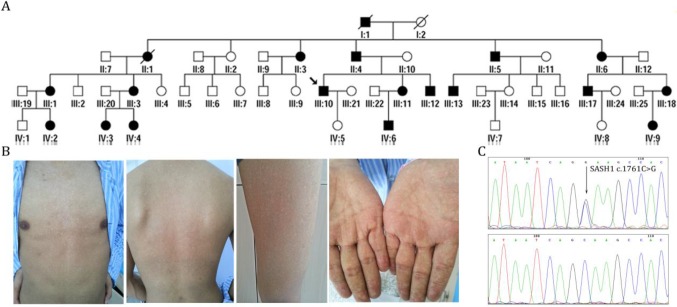
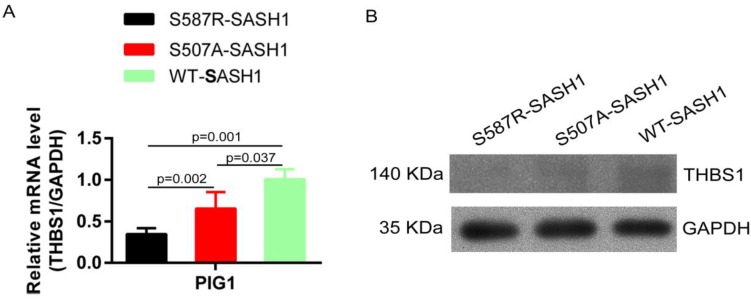
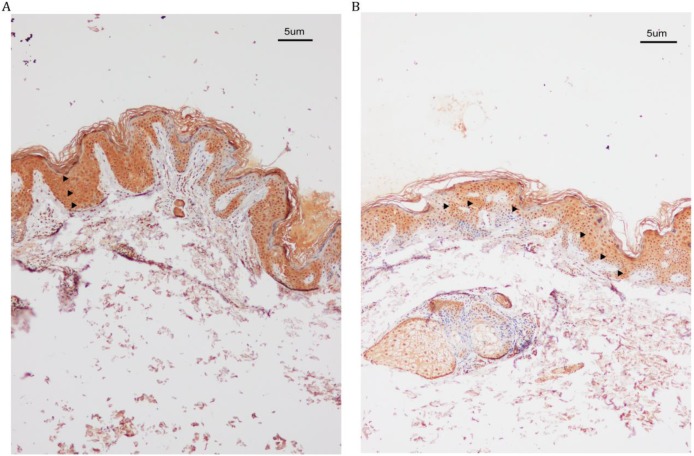
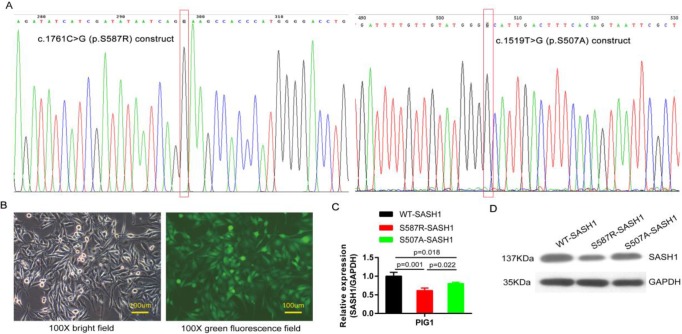
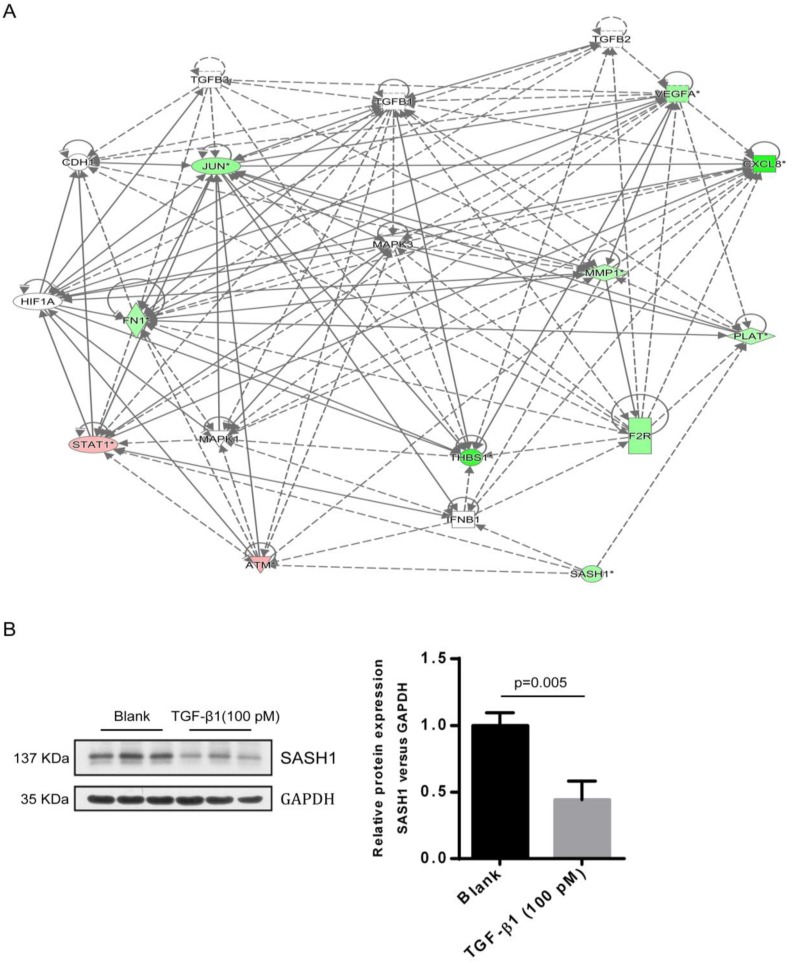
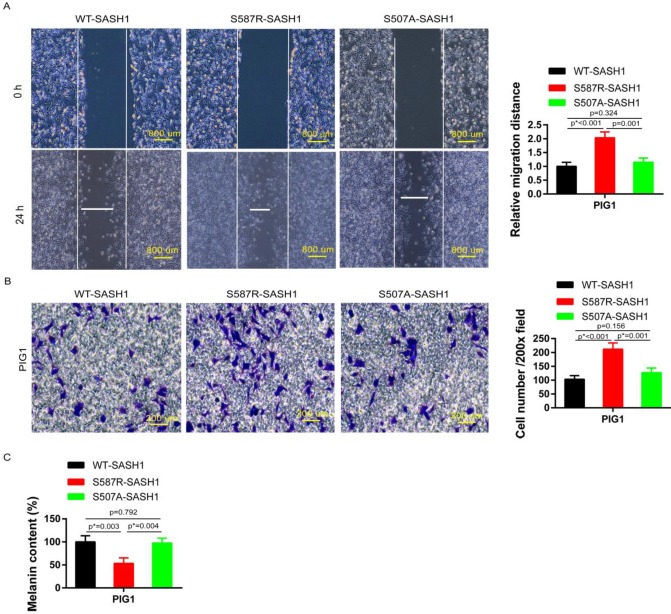
Dyschromatosis universalis hereditaria (DUH) is an autosomal dominant pigmentary genodermatosis characterized by the presence of patches of hyperpigmentation and hypopigmented macules distributed over the body, with most cases reported in Asia. DUH is a heterogeneous disease and a small portion of patients carry the ABCB6 variant. In the present study, exome sequencing of four generations of a Chinese family with DUH identified a c.1761C>G (p.Ser587Arg) mutation in exon 15 of SAM and SH3 domain containing 1 (SASH1) that was found to co-segregate in some family members. Immunohistological analysis of biopsy specimens showed that SASH1 was diffusely distributed in all layers of the epidermis, suggesting increased transepithelial migration of melanocytes (MCs). The point mutation c.1761C>G of SASH1 was successfully induced in immortalized human melanocyte (PIG1) cells, which resulted in the downregulation of SASH1 expression. Bioinformatics analysis showed that mutated SASH1 downregulated thrombospondin 1 (THBS1) expression and inactivated transforming growth factor beta 1 (TGF-β1) signaling. TGF-β1 expression by PIG1cells was found to negatively regulate SASH1 protein expression. Transwell migration and wound-healing assays showed an increase in the migration and invasion capabilities of the cells carrying the mutation. Further, SASH1 mutations induced downregulation of melanin content. The study results suggest cross-talking between SASH1-TGF-β1 signaling, demonstrating the proposed MC migration modulation models and affecting melanin trafficking in the epithelium.
遗传性全身色素异常症(DUH)是一种常染色体显性遗传的色素性皮肤遗传病,其特征是身体上出现色素沉着和色素减退的斑块,大多数病例发生在亚洲。DUH 是一种异质性疾病,一小部分患者携带 ABCB6 变异体。在本研究中,对一个有 DUH 病史的四代中国家庭进行外显子组测序,发现 SAM 和 SH3 域含有 1 (SASH1)的外显子 15 中的 c.1761C>G(p.Ser587Arg)突变,该突变在一些家庭成员中共同遗传。活检标本的免疫组织化学分析显示,SASH1 在表皮的所有层中均广泛分布,表明黑素细胞(MC)的跨上皮迁移增加。SASH1 的 c.1761C>G 点突变成功地诱导了永生化人黑素细胞(PIG1)细胞中 SASH1 的表达下调。生物信息学分析表明,突变的 SASH1 下调了血小板反应蛋白 1(THBS1)的表达并使转化生长因子β1(TGF-β1)信号失活。发现 PIG1 细胞中的 TGF-β1 表达可负调控 SASH1 蛋白表达。Transwell 迁移和划痕愈合试验显示携带突变的细胞迁移和侵袭能力增加。此外,SASH1 突变诱导黑色素含量下调。研究结果表明 SASH1-TGF-β1 信号之间存在串扰,证明了提出的 MC 迁移调节模型,并影响了上皮细胞中的黑色素转运。