Fataei Shirin, Secrieru Egor, Mechtcherine Viktor
Institute of Construction Materials, Technische Universität Dresden, 01187 Dresden, Germany.
Materials (Basel). 2020 Mar 9;13(5):1233. doi: 10.3390/ma13051233.
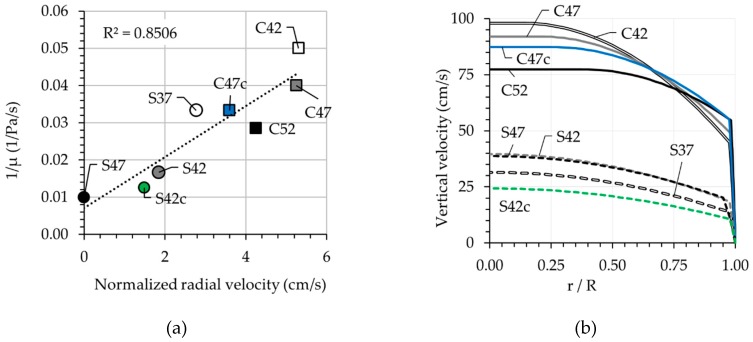
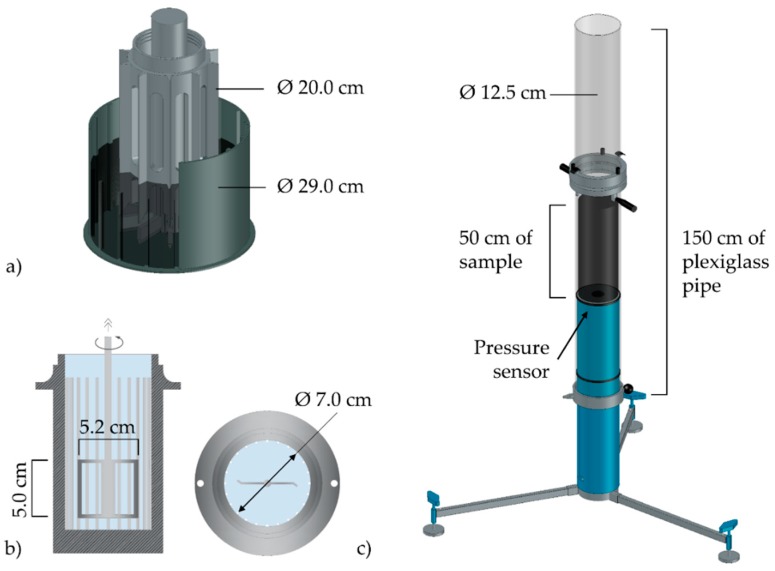
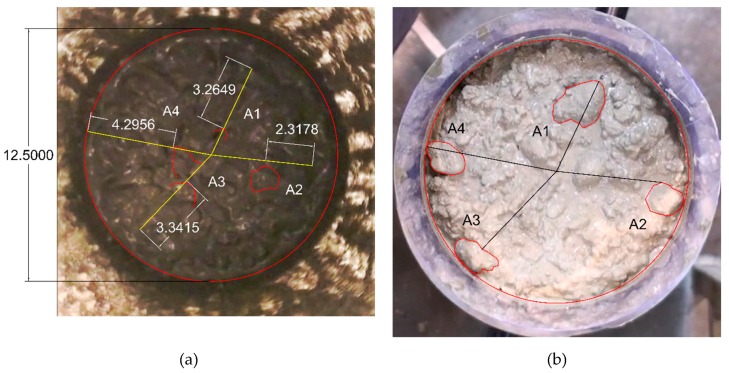
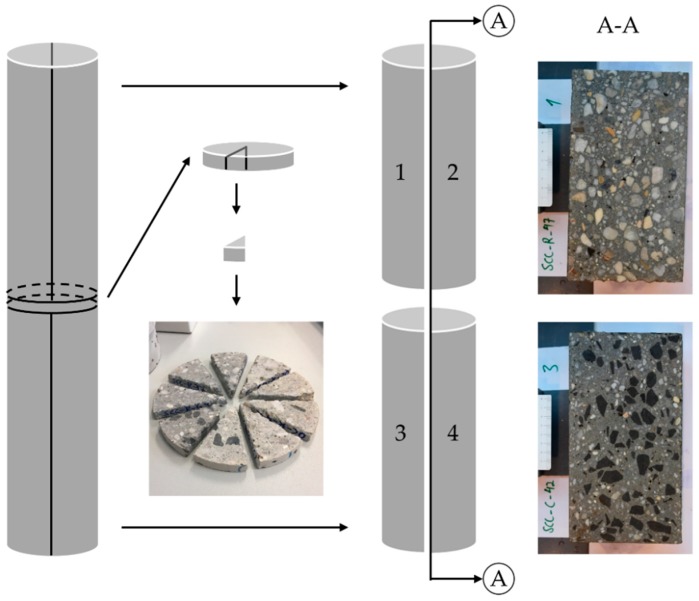
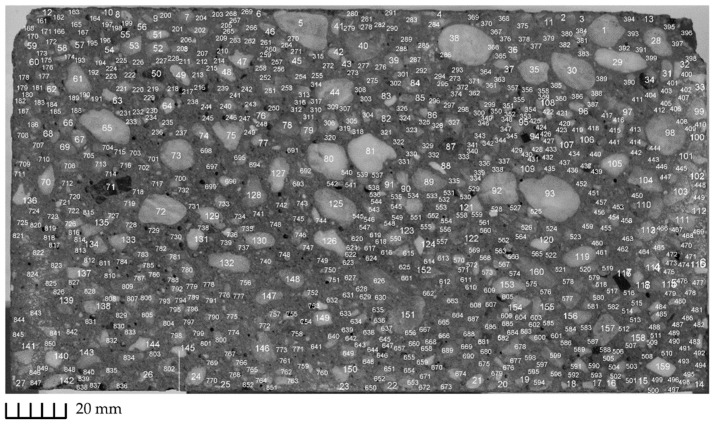
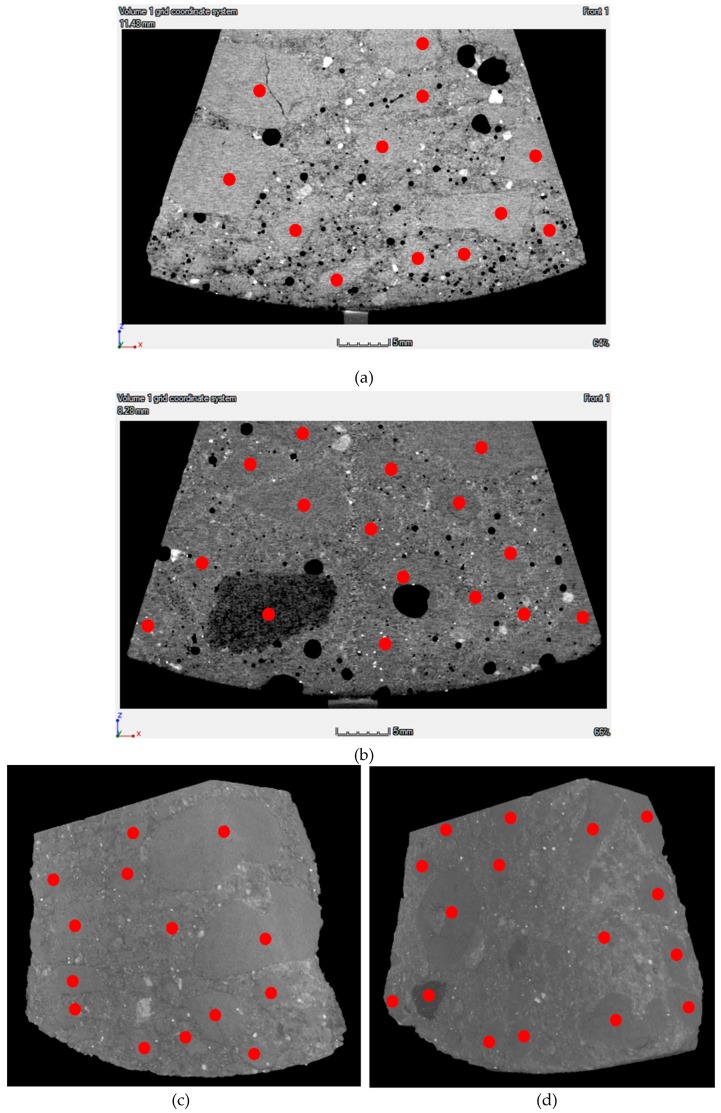
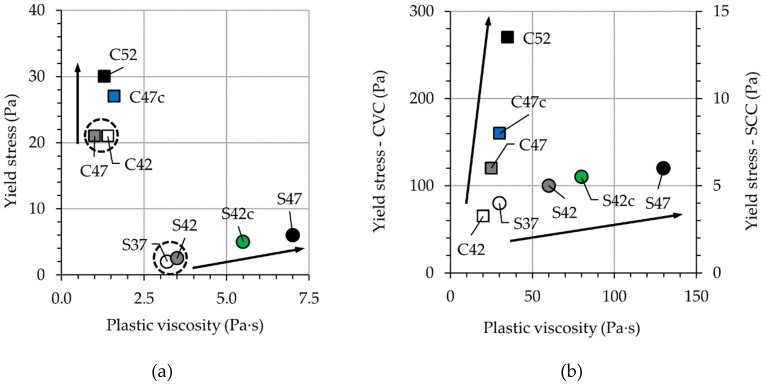
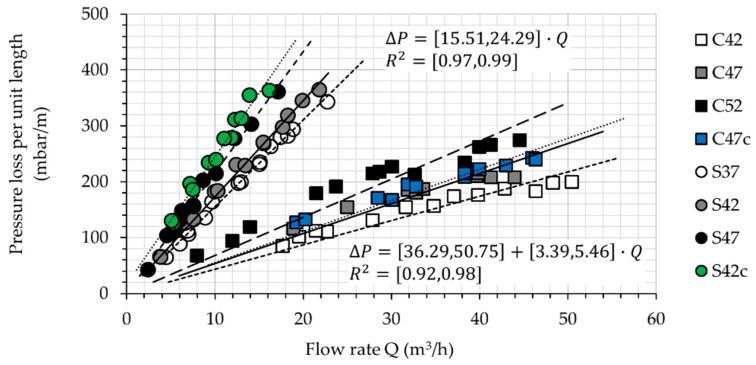
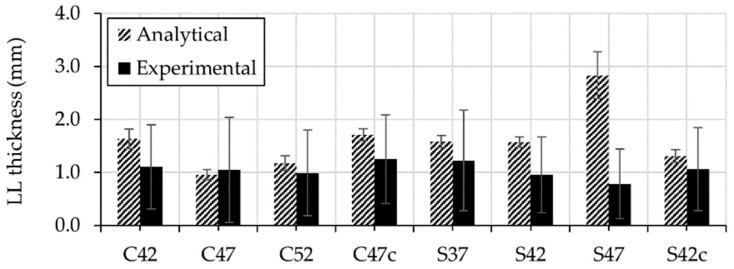
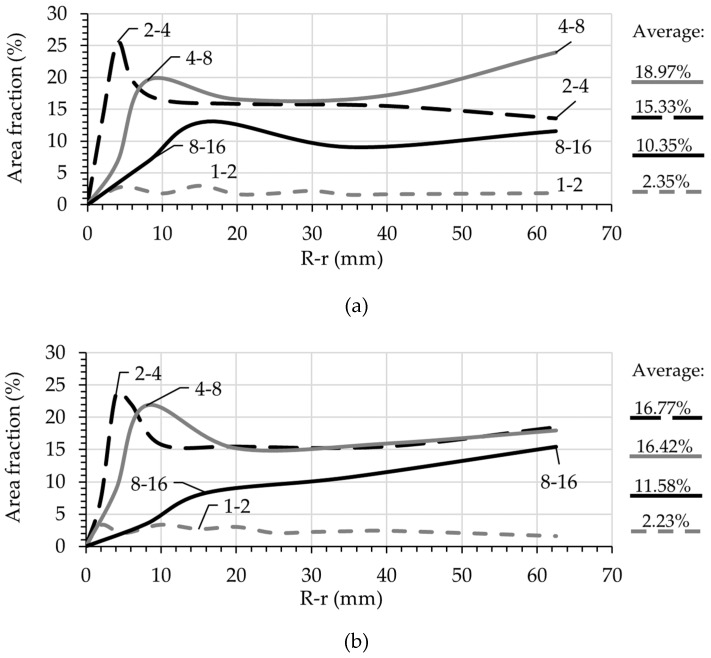
In this paper, the authors have focused on shear-induced particle migration (SIPM), its effect on concrete flow patterns, and lubricating layer formation during pumping. For this purpose, various volume-fractions of aggregates were selected. The particle migration was analyzed by applying two methods: sampling hardened concrete exposed to pumping and performing X-ray microcomputed tomography (μCT) and image analysis to determine the thickness of the lubricating layer due to SIPM. The results indicate that the first approach is unsuitable due to the nearly equal molecular density of particles and matrix. The second approach indicated that the actual thickness of the lubricating layer depends on the discharge rate as well as on and viscosity of concrete bulk; hence, it cannot be defined as a constant parameter for all concrete mixtures. Additionally, the concrete pipe-flow pattern, i.e., plug versus shear flow, was captured and studied while considering pumping pressure and discharge rate. It was concluded that particle migration is essential in the cases of both flowable and very flowable concretes with a high volume-fraction of solids. The changes in rheological properties caused by SIPM are severe enough to influence the definition of the flow pattern as plug or shear and the discharge rate of pumped concrete as well.
在本文中,作者重点研究了剪切诱导颗粒迁移(SIPM)、其对混凝土流动模式的影响以及泵送过程中润滑层的形成。为此,选择了不同体积分数的骨料。通过两种方法分析颗粒迁移:对泵送后的硬化混凝土进行取样,并进行X射线微计算机断层扫描(μCT)和图像分析,以确定由SIPM引起的润滑层厚度。结果表明,由于颗粒和基体的分子密度几乎相等,第一种方法不合适。第二种方法表明,润滑层的实际厚度取决于出料速度以及混凝土拌合物的 和粘度;因此,它不能被定义为所有混凝土混合物的恒定参数。此外,在考虑泵送压力和出料速度的同时,捕捉并研究了混凝土管内的流动模式,即柱塞流与剪切流。得出的结论是,在固体体积分数高的可流动和高流动性混凝土的情况下,颗粒迁移至关重要。SIPM引起的流变性能变化严重到足以影响流动模式是柱塞流还是剪切流的定义以及泵送混凝土的出料速度。