• 文献检索
  • 文档翻译
  • 深度研究
  • 学术资讯
  • Suppr Zotero 插件Zotero 插件
  • 邀请有礼
  • 套餐&价格
  • 历史记录
应用&插件
Suppr Zotero 插件Zotero 插件浏览器插件Mac 客户端Windows 客户端微信小程序
定价
高级版会员购买积分包购买API积分包
服务
文献检索文档翻译深度研究API 文档MCP 服务
关于我们
关于 Suppr公司介绍联系我们用户协议隐私条款
关注我们

Suppr 超能文献

核心技术专利:CN118964589B侵权必究
粤ICP备2023148730 号-1Suppr @ 2026

文献检索

告别复杂PubMed语法,用中文像聊天一样搜索,搜遍4000万医学文献。AI智能推荐,让科研检索更轻松。

立即免费搜索

文件翻译

保留排版,准确专业,支持PDF/Word/PPT等文件格式,支持 12+语言互译。

免费翻译文档

深度研究

AI帮你快速写综述,25分钟生成高质量综述,智能提取关键信息,辅助科研写作。

立即免费体验

车削AISI 304过程中提高刀具耐磨性的微槽刀具的摩擦学性能

Tribological Performance of Micro-Groove Tools of Improving Tool Wear Resistance in Turning AISI 304 Process.

作者信息

Wu Jinxing, Zhan Gang, He Lin, Zou Zhongfei, Zhou Tao, Du Feilong

机构信息

School of Mechanical Engineering, Guizhou University, Guiyang 550025, China.

School of Mechanical and Electrical Engineering, GuiZhou MinZu University, GuiYang 550025, China.

出版信息

Materials (Basel). 2020 Mar 9;13(5):1236. doi: 10.3390/ma13051236.

DOI:10.3390/ma13051236
PMID:32182875
原文链接:https://pmc.ncbi.nlm.nih.gov/articles/PMC7085089/
Abstract

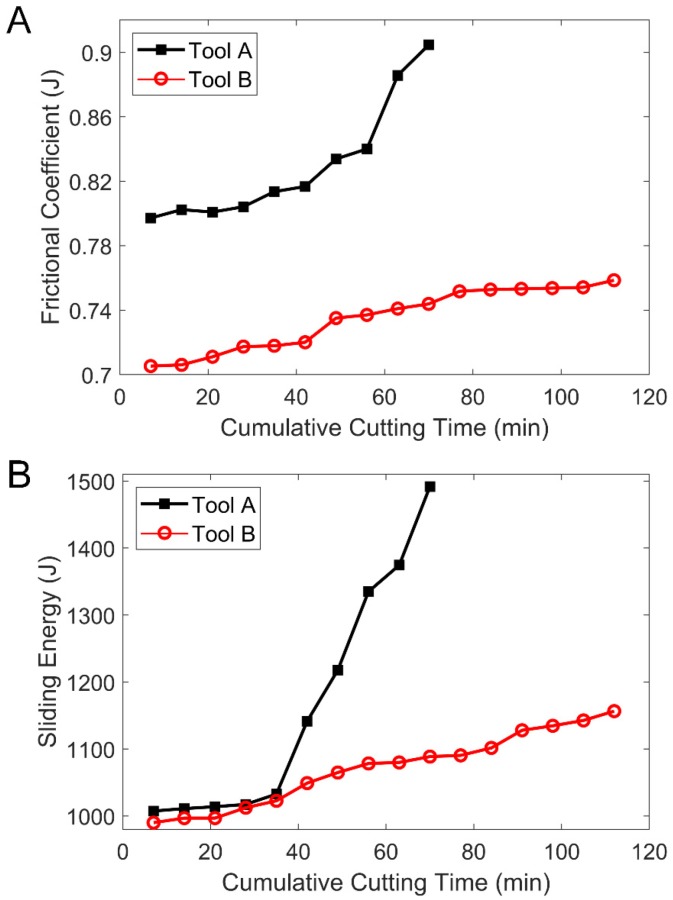
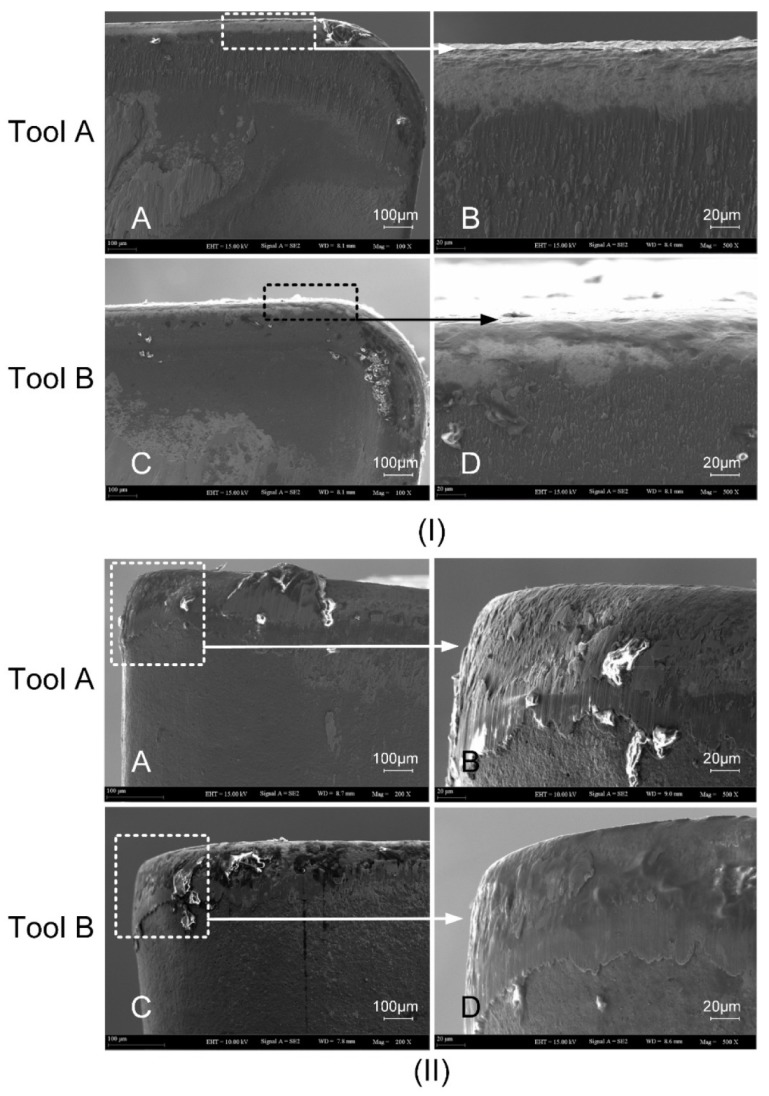
AISI 304 has good physical and chemical properties and thus is widely used. However, due to the low thermal diffusivity, the cutting temperature of AISI 304 is high accelerating the wear of the tool. Therefore, tool wear is a major problem in machining hard cutting materials. In this study, we developed a new type of micro-groove tool whose rake surface was distributed with micro-groove by powder metallurgy based on the finite element temperature field morphology. We compared the wear of the proposed micro-groove tool with an untreated one by using a scanning electron microscope (SEM) and an X-ray energy spectrum. The abrasive, adhesive, and oxidation wear of the rake and the flank face of the micro-groove tool were lower than that of the untreated one. Due to the micro-groove on the rake face of the tool, the contact length between the tool and chip was reduced, leaving more extension space. Furthermore, chip extrusion deformation was avoided, and the energy caused by chip deformation was reduced. After 70 min of cutting, the counterpart reached the specified wear amount while the main cutting force, the feed resistance, and the cutting depth resistance of the proposed micro-groove tool were reduced by 16.1%, 33.9%, and 40.1%, respectively. With regard to steady state, the cutting temperature was reduced by 17.2% and the wear width of the flank face was reduced by 36.7%.

摘要

AISI 304具有良好的物理和化学性能,因此被广泛应用。然而,由于热扩散率低,AISI 304的切削温度较高,加速了刀具的磨损。因此,刀具磨损是加工硬切削材料时的一个主要问题。在本研究中,我们基于有限元温度场形态,通过粉末冶金开发了一种新型微槽刀具,其前刀面分布有微槽。我们使用扫描电子显微镜(SEM)和X射线能谱比较了所提出的微槽刀具与未处理刀具的磨损情况。微槽刀具前刀面和后刀面的磨粒磨损、粘着磨损和氧化磨损均低于未处理刀具。由于刀具前刀面上的微槽,刀具与切屑之间的接触长度减小,留出了更多的延伸空间。此外,避免了切屑挤压变形,降低了切屑变形产生的能量。切削70分钟后,对比刀具达到规定磨损量,而所提出的微槽刀具的主切削力、进给抗力和切削深度抗力分别降低了16.1%、33.9%和40.1%。在稳态方面,切削温度降低了17.2%,后刀面磨损宽度降低了36.7%。
https://cdn.ncbi.nlm.nih.gov/pmc/blobs/17a9/7085089/bcbbf55d0115/materials-13-01236-g019.jpg
https://cdn.ncbi.nlm.nih.gov/pmc/blobs/17a9/7085089/e73155a33e65/materials-13-01236-g001.jpg
https://cdn.ncbi.nlm.nih.gov/pmc/blobs/17a9/7085089/f30669f05f7c/materials-13-01236-g002.jpg
https://cdn.ncbi.nlm.nih.gov/pmc/blobs/17a9/7085089/dd6c6839da7e/materials-13-01236-g003.jpg
https://cdn.ncbi.nlm.nih.gov/pmc/blobs/17a9/7085089/c67609e37b01/materials-13-01236-g004.jpg
https://cdn.ncbi.nlm.nih.gov/pmc/blobs/17a9/7085089/29bb5dcd3907/materials-13-01236-g005.jpg
https://cdn.ncbi.nlm.nih.gov/pmc/blobs/17a9/7085089/f147897456b7/materials-13-01236-g006.jpg
https://cdn.ncbi.nlm.nih.gov/pmc/blobs/17a9/7085089/87e4a6de8c69/materials-13-01236-g007.jpg
https://cdn.ncbi.nlm.nih.gov/pmc/blobs/17a9/7085089/d76ca8605323/materials-13-01236-g008.jpg
https://cdn.ncbi.nlm.nih.gov/pmc/blobs/17a9/7085089/4b90250527cc/materials-13-01236-g009.jpg
https://cdn.ncbi.nlm.nih.gov/pmc/blobs/17a9/7085089/73de379dacc1/materials-13-01236-g010.jpg
https://cdn.ncbi.nlm.nih.gov/pmc/blobs/17a9/7085089/03335f6476b9/materials-13-01236-g011.jpg
https://cdn.ncbi.nlm.nih.gov/pmc/blobs/17a9/7085089/2ea20d3d980d/materials-13-01236-g012.jpg
https://cdn.ncbi.nlm.nih.gov/pmc/blobs/17a9/7085089/ccef611f10a3/materials-13-01236-g013.jpg
https://cdn.ncbi.nlm.nih.gov/pmc/blobs/17a9/7085089/7c21d40379a5/materials-13-01236-g014.jpg
https://cdn.ncbi.nlm.nih.gov/pmc/blobs/17a9/7085089/2247df7352e2/materials-13-01236-g015.jpg
https://cdn.ncbi.nlm.nih.gov/pmc/blobs/17a9/7085089/287aaf07cee6/materials-13-01236-g016.jpg
https://cdn.ncbi.nlm.nih.gov/pmc/blobs/17a9/7085089/ff17557f09a8/materials-13-01236-g017.jpg
https://cdn.ncbi.nlm.nih.gov/pmc/blobs/17a9/7085089/20537dc181e3/materials-13-01236-g018.jpg
https://cdn.ncbi.nlm.nih.gov/pmc/blobs/17a9/7085089/bcbbf55d0115/materials-13-01236-g019.jpg
https://cdn.ncbi.nlm.nih.gov/pmc/blobs/17a9/7085089/e73155a33e65/materials-13-01236-g001.jpg
https://cdn.ncbi.nlm.nih.gov/pmc/blobs/17a9/7085089/f30669f05f7c/materials-13-01236-g002.jpg
https://cdn.ncbi.nlm.nih.gov/pmc/blobs/17a9/7085089/dd6c6839da7e/materials-13-01236-g003.jpg
https://cdn.ncbi.nlm.nih.gov/pmc/blobs/17a9/7085089/c67609e37b01/materials-13-01236-g004.jpg
https://cdn.ncbi.nlm.nih.gov/pmc/blobs/17a9/7085089/29bb5dcd3907/materials-13-01236-g005.jpg
https://cdn.ncbi.nlm.nih.gov/pmc/blobs/17a9/7085089/f147897456b7/materials-13-01236-g006.jpg
https://cdn.ncbi.nlm.nih.gov/pmc/blobs/17a9/7085089/87e4a6de8c69/materials-13-01236-g007.jpg
https://cdn.ncbi.nlm.nih.gov/pmc/blobs/17a9/7085089/d76ca8605323/materials-13-01236-g008.jpg
https://cdn.ncbi.nlm.nih.gov/pmc/blobs/17a9/7085089/4b90250527cc/materials-13-01236-g009.jpg
https://cdn.ncbi.nlm.nih.gov/pmc/blobs/17a9/7085089/73de379dacc1/materials-13-01236-g010.jpg
https://cdn.ncbi.nlm.nih.gov/pmc/blobs/17a9/7085089/03335f6476b9/materials-13-01236-g011.jpg
https://cdn.ncbi.nlm.nih.gov/pmc/blobs/17a9/7085089/2ea20d3d980d/materials-13-01236-g012.jpg
https://cdn.ncbi.nlm.nih.gov/pmc/blobs/17a9/7085089/ccef611f10a3/materials-13-01236-g013.jpg
https://cdn.ncbi.nlm.nih.gov/pmc/blobs/17a9/7085089/7c21d40379a5/materials-13-01236-g014.jpg
https://cdn.ncbi.nlm.nih.gov/pmc/blobs/17a9/7085089/2247df7352e2/materials-13-01236-g015.jpg
https://cdn.ncbi.nlm.nih.gov/pmc/blobs/17a9/7085089/287aaf07cee6/materials-13-01236-g016.jpg
https://cdn.ncbi.nlm.nih.gov/pmc/blobs/17a9/7085089/ff17557f09a8/materials-13-01236-g017.jpg
https://cdn.ncbi.nlm.nih.gov/pmc/blobs/17a9/7085089/20537dc181e3/materials-13-01236-g018.jpg
https://cdn.ncbi.nlm.nih.gov/pmc/blobs/17a9/7085089/bcbbf55d0115/materials-13-01236-g019.jpg

相似文献

1
Tribological Performance of Micro-Groove Tools of Improving Tool Wear Resistance in Turning AISI 304 Process.车削AISI 304过程中提高刀具耐磨性的微槽刀具的摩擦学性能
Materials (Basel). 2020 Mar 9;13(5):1236. doi: 10.3390/ma13051236.
2
Wear Mechanism of Multilayer Coated Carbide Cutting Tool in the Milling Process of AISI 4340 under Cryogenic Environment.低温环境下AISI 4340铣削过程中多层涂层硬质合金刀具的磨损机理
Materials (Basel). 2022 Jan 11;15(2):524. doi: 10.3390/ma15020524.
3
Predicting Cutting Force and Primary Shear Behavior in Micro-Textured Tools Assisted Machining of AISI 630: Numerical Modeling and Taguchi Analysis.预测AISI 630微织构刀具辅助加工中的切削力和主剪切行为:数值模拟与田口分析
Micromachines (Basel). 2022 Jan 7;13(1):91. doi: 10.3390/mi13010091.
4
Cutting Performance Evaluation of the Coated Tools in High-Speed Milling of AISI 4340 Steel.AISI 4340钢高速铣削中涂层刀具的切削性能评估
Materials (Basel). 2019 Oct 7;12(19):3266. doi: 10.3390/ma12193266.
5
Effect of Built-Up Edge Formation during Stable State of Wear in AISI 304 Stainless Steel on Machining Performance and Surface Integrity of the Machined Part.AISI 304不锈钢磨损稳定状态下积屑瘤形成对加工零件加工性能和表面完整性的影响。
Materials (Basel). 2017 Oct 25;10(11):1230. doi: 10.3390/ma10111230.
6
A Numerical Model for Predicting the Effect of Tool Nose Radius on Machining Process Performance during Orthogonal Cutting of AISI 1045 Steel.一种用于预测刀尖半径对AISI 1045钢正交切削加工过程性能影响的数值模型。
Materials (Basel). 2022 May 8;15(9):3369. doi: 10.3390/ma15093369.
7
Comparative Evaluation of Surface Quality, Tool Wear, and Specific Cutting Energy for Wiper and Conventional Carbide Inserts in Hard Turning of AISI 4340 Alloy Steel.AISI 4340合金钢硬车削中刀片和传统硬质合金刀片表面质量、刀具磨损及比切削能的对比评估
Materials (Basel). 2020 Nov 19;13(22):5233. doi: 10.3390/ma13225233.
8
Study on the Cutting Performance of Micro Textured Tools on Cutting Ti-6Al-4V Titanium Alloy.微织构刀具切削Ti-6Al-4V钛合金的切削性能研究
Micromachines (Basel). 2020 Jan 25;11(2):137. doi: 10.3390/mi11020137.
9
The Research of Tool Wear Mechanism for High-Speed Milling ADC12 Aluminum Alloy Considering the Cutting Force Effect.考虑切削力影响的高速铣削ADC12铝合金刀具磨损机理研究
Materials (Basel). 2021 Feb 24;14(5):1054. doi: 10.3390/ma14051054.
10
Investigation on Cutting Performance of Micro-Textured Cutting Tools.微织构切削刀具切削性能研究
Micromachines (Basel). 2019 May 28;10(6):352. doi: 10.3390/mi10060352.

引用本文的文献

1
Novel Cemented Carbide Inserts for Metal Grooving Applications.用于金属切槽应用的新型硬质合金刀片
Materials (Basel). 2025 Aug 5;18(15):3674. doi: 10.3390/ma18153674.
2
Influence of Microgroove Structure on Cutting Performance and Chip Morphology during the Turning of Superalloy Inconel 718.微槽结构对高温合金Inconel 718车削加工中切削性能及切屑形态的影响
Materials (Basel). 2021 Jul 25;14(15):4142. doi: 10.3390/ma14154142.
3
A Review of Indirect Tool Condition Monitoring Systems and Decision-Making Methods in Turning: Critical Analysis and Trends.
车削加工中间接刀具状态监测系统与决策方法综述:批判性分析与趋势
Sensors (Basel). 2020 Dec 26;21(1):108. doi: 10.3390/s21010108.
4
Investigation of Fracture Behavior and Mechanism in High-Speed Precise Shearing for Metal Bars with Prefabricated Fracture-Start Kerfs.带有预制起裂切口的金属棒材高速精密剪切断裂行为及机理研究
Materials (Basel). 2020 Sep 14;13(18):4073. doi: 10.3390/ma13184073.
5
Investigation of Notch-Induced Precise Splitting of Different Bar Materials under High-Speed Load.高速载荷下不同棒材切口诱导精确劈裂的研究
Materials (Basel). 2020 May 28;13(11):2461. doi: 10.3390/ma13112461.