Colapietro Alessandro, Gravina Giovanni Luca, Petragnano Francesco, Fasciani Irene, Scicchitano Bianca Maria, Beirinckx Filip, Pujuguet Philippe, Saniere Laurent, Van der Aar Ellen, Musio Daniela, De Felice Francesca, Mattei Vincenzo, Martellucci Stefano, Maggio Roberto, Tombolini Vincenzo, Festuccia Claudio, Marampon Francesco
Department of Biotechnological and Applied Clinical Sciences, Laboratory of Radiobiology, University of L'Aquila, L'Aquila, Italy.
Department of Biotechnological and Applied Clinical Sciences, Laboratory of Pharmacology, University of L'Aquila, L'Aquila, Italy.
J Oncol. 2020 Feb 27;2020:9342732. doi: 10.1155/2020/9342732. eCollection 2020.
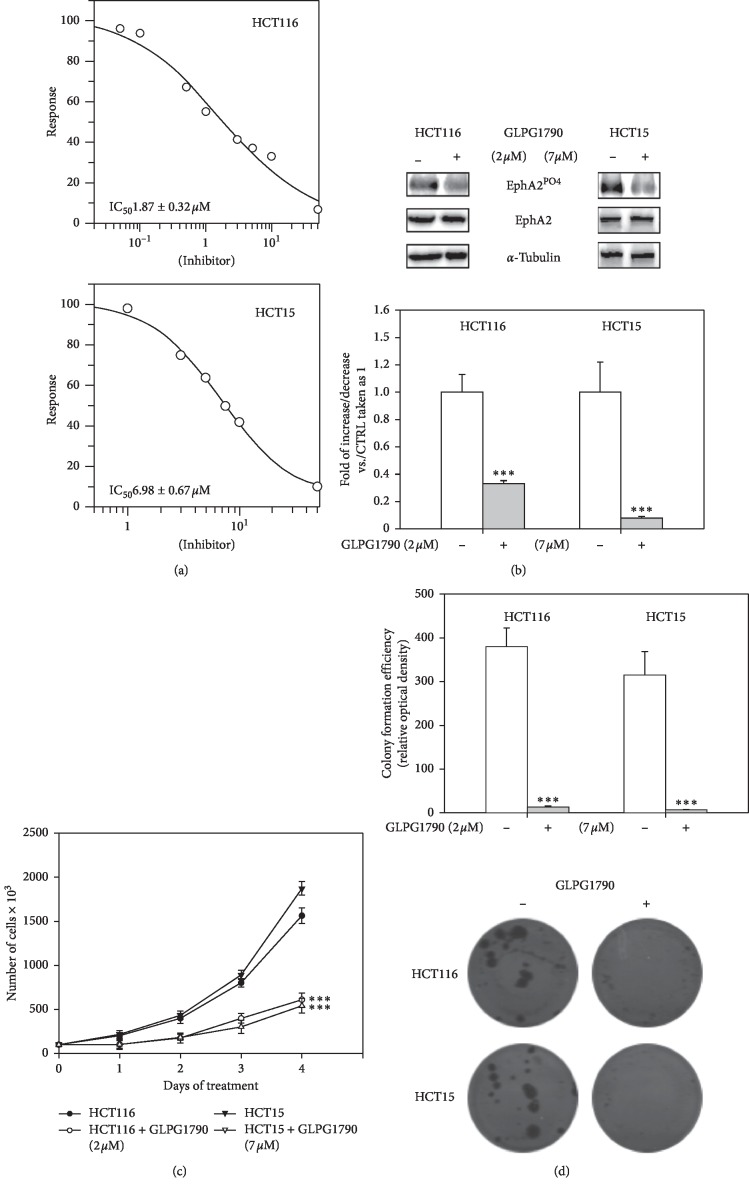
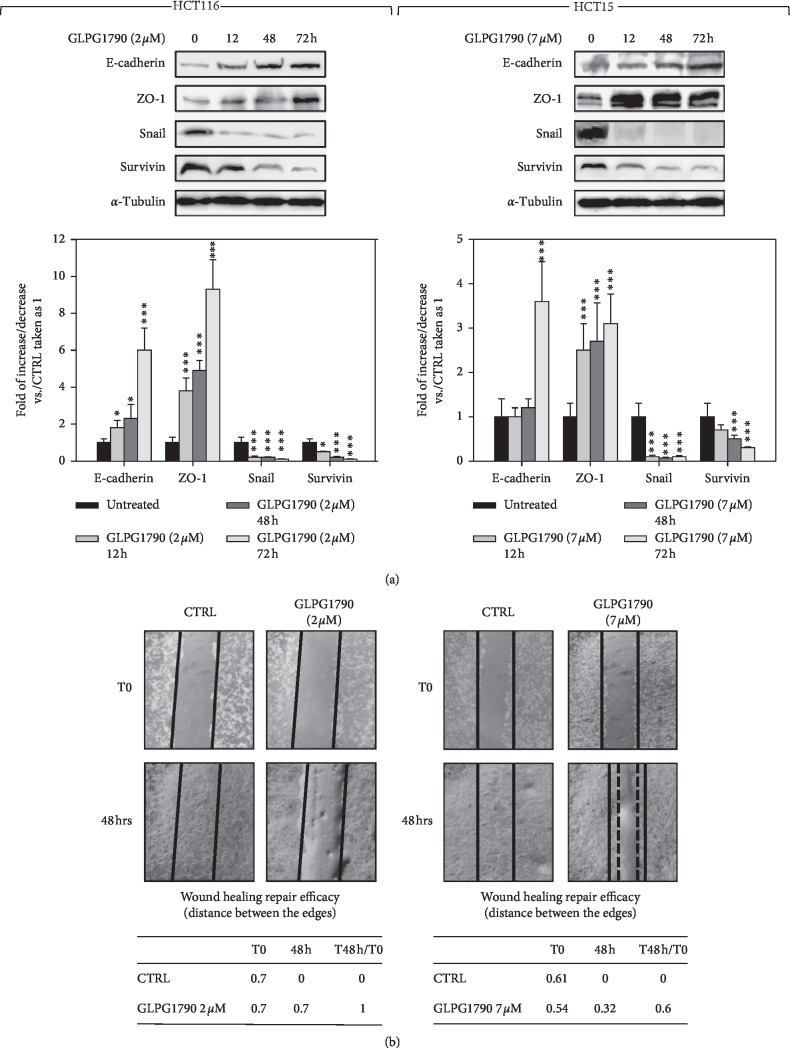
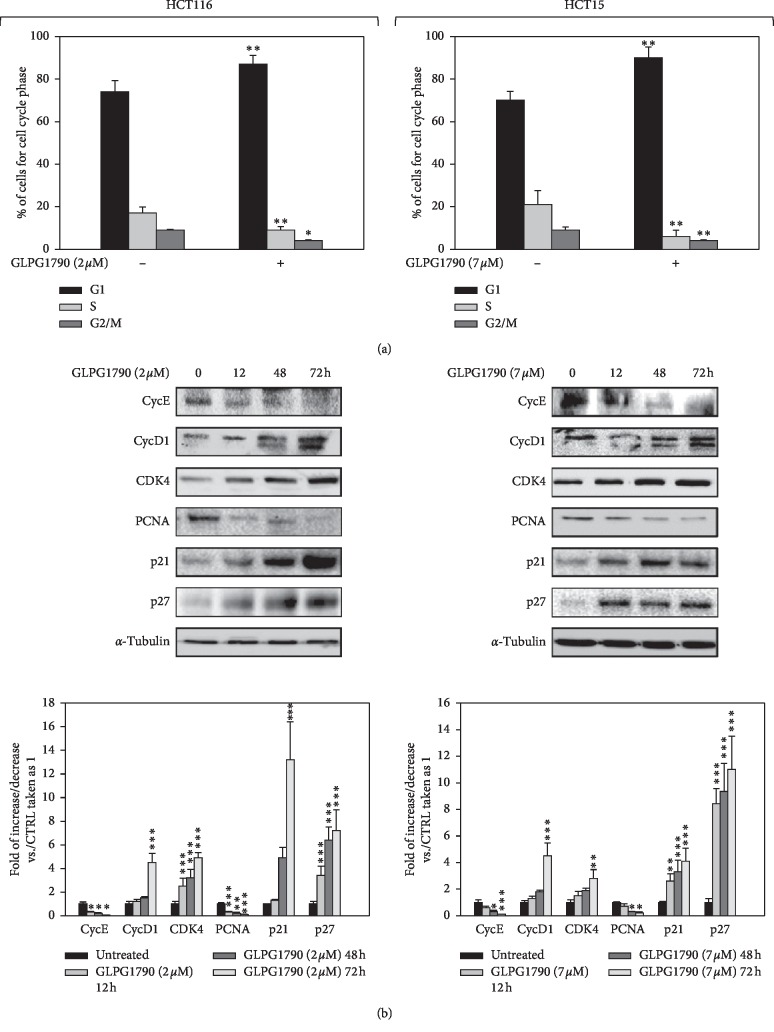
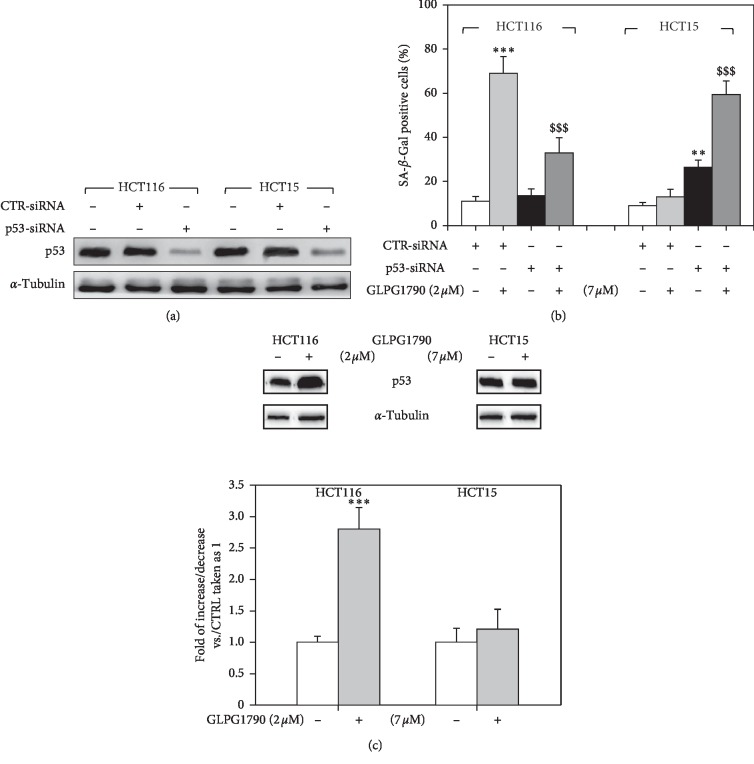
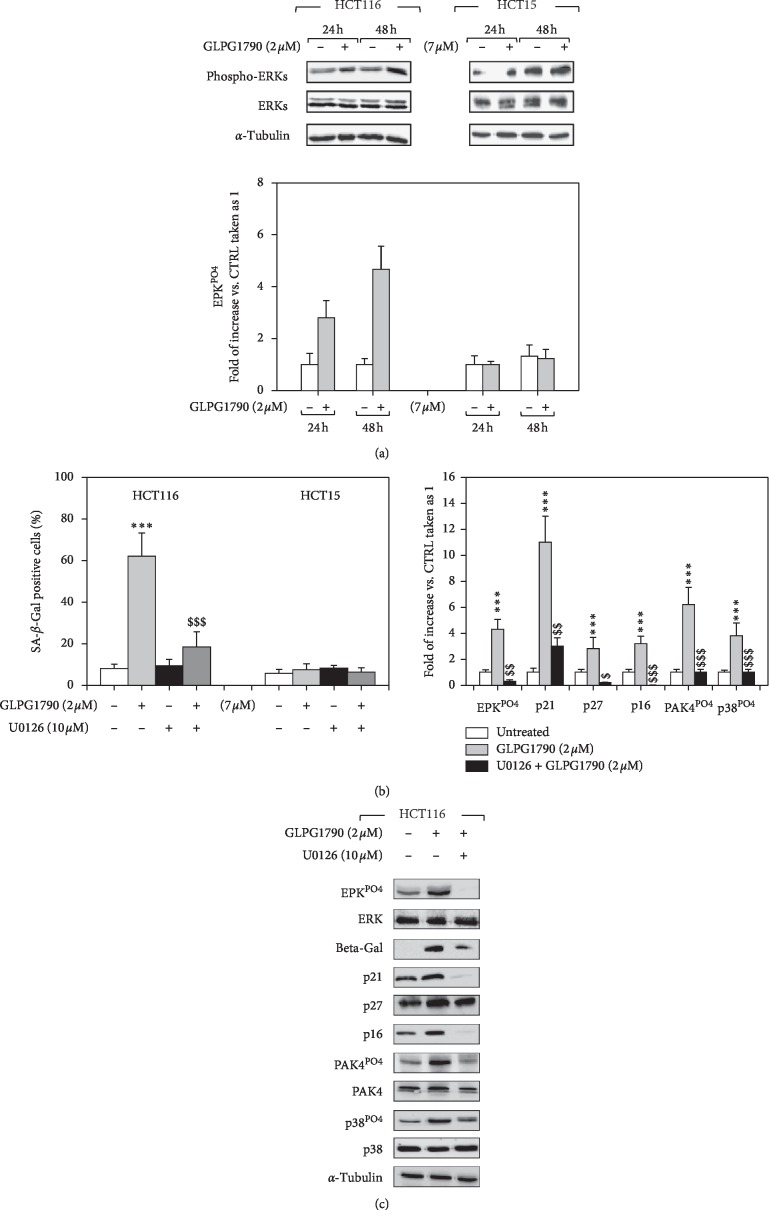
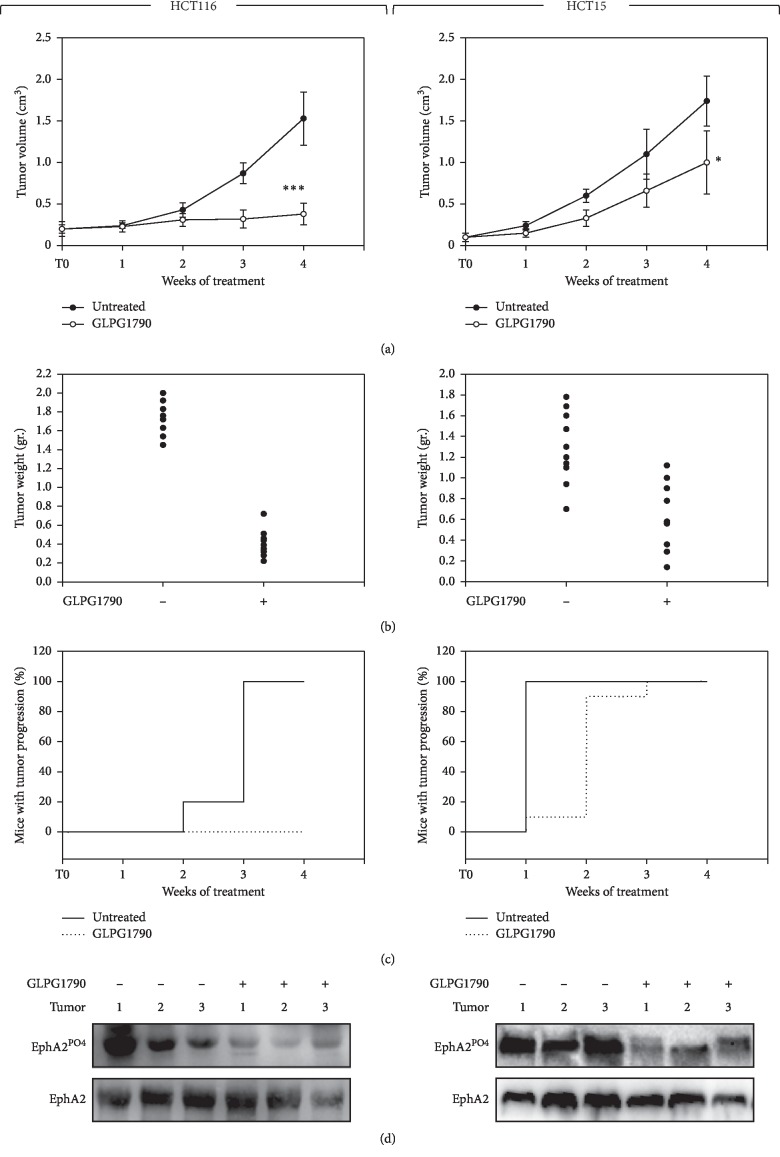
Erythropoietin-producing hepatocellular receptors (Eph) promote the onset and sustain the progression of cancers such as colorectal cancer (CRC), in which the A2 subtype of Eph receptor expression has been shown to correlate with a poor prognosis and has been identified as a promising therapeutic target. Herein, we investigated, and , the effects of treatment with GLPG1790, a potent pan-Eph inhibitor. The small molecule has selective activity against the EphA2 isoform in human HCT116 and HCT15 CRC cell lines expressing a constitutively active form of RAS concurrently with a wild-type or mutant form of p53, respectively. GLPG1790 reduced EPHA2 phosphorylation/activation and induced G/S cell-cycle growth arrest by downregulating the expression of cyclin E and PCNA, while upregulating p21 and p27. The inhibition of ephrin signaling induced quiescence in HCT15 and senescence in HCT116 cells. While investigating the role of CRC-related, pro-oncogenic p53 and RAS pathways, we found that GLPG1790 upregulated p53 expression and that silencing p53 or inhibiting RAS (human rat sarcoma)/ERKs (extracellular signal-regulated kinase) signaling restrained the ability of GLPG1790 to induce senescence in HCT116 cells. On the other hand, HCT15 silencing of p53 predisposed cells to GLPG1790-induced senescence, whilst no effects of ERK inhibition were observed. Finally, GLPG1790 hindered the epithelial-mesenchymal transition, reduced the migratory capacities of CRC, and affected tumor formation in xenograft models more efficiently using HCT116 than HCT15 for xenografts. Taken together, our data suggest the therapeutic potential of GLPG1790 as a signal transduction-based therapeutic strategy in to treat CRC.
促红细胞生成素产生肝细胞受体(Eph)促进诸如结直肠癌(CRC)等癌症的发生并维持其进展,其中Eph受体A2亚型的表达已被证明与预后不良相关,并已被确定为一个有前景的治疗靶点。在此,我们研究了强效泛Eph抑制剂GLPG1790的治疗效果。该小分子分别对人HCT116和HCT15结直肠癌细胞系中的EphA2亚型具有选择性活性,这两种细胞系分别同时表达野生型或突变型p53的组成型活性形式的RAS。GLPG1790降低了EPHA2的磷酸化/激活,并通过下调细胞周期蛋白E和增殖细胞核抗原(PCNA)的表达诱导G/S期细胞周期生长停滞,同时上调p21和p27。对ephrin信号的抑制在HCT15细胞中诱导静止,在HCT116细胞中诱导衰老。在研究与CRC相关的促癌p53和RAS信号通路的作用时,我们发现GLPG1790上调p53表达,并且沉默p53或抑制RAS(大鼠肉瘤)/细胞外信号调节激酶(ERK)信号会抑制GLPG1790诱导HCT116细胞衰老的能力。另一方面,HCT15细胞中p53的沉默使细胞易受GLPG1790诱导的衰老影响,而未观察到ERK抑制的作用。最后,GLPG1790阻碍上皮-间质转化,降低CRC的迁移能力,并在异种移植模型中更有效地影响肿瘤形成,异种移植使用HCT116比使用HCT15更有效。综上所述,我们的数据表明GLPG1790作为一种基于信号转导的治疗策略在治疗CRC方面具有治疗潜力。