Division of Rheumatology, Department of Medicine, Medical University of South Carolina, Charleston, South Carolina, United States of America.
Department of Public Health Sciences, Medical University of South Carolina, Charleston, South Carolina, United States of America.
PLoS One. 2020 Mar 18;15(3):e0230499. doi: 10.1371/journal.pone.0230499. eCollection 2020.
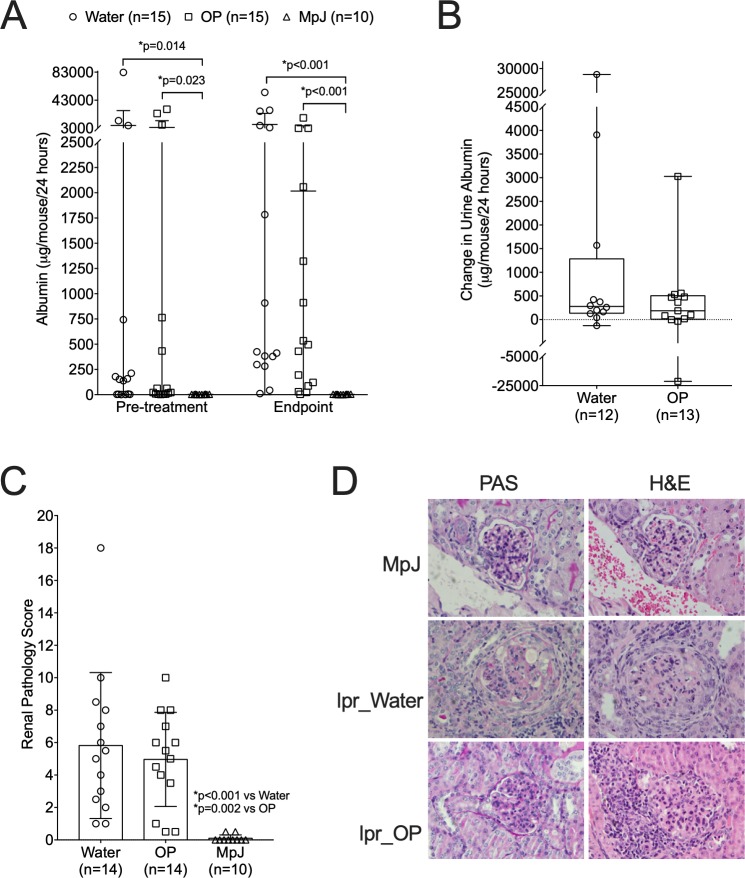
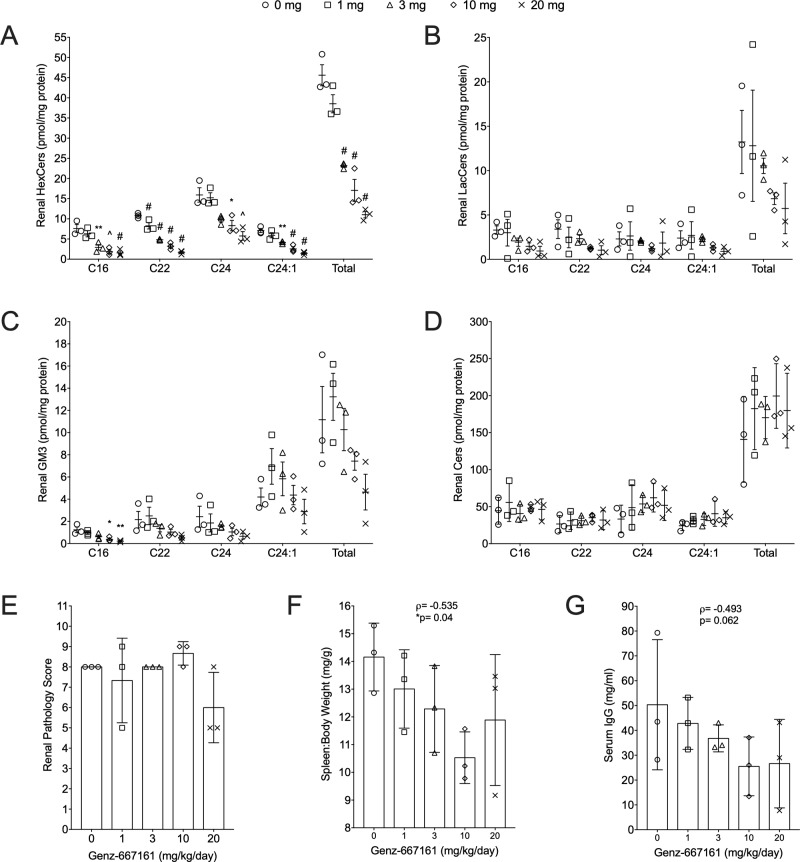
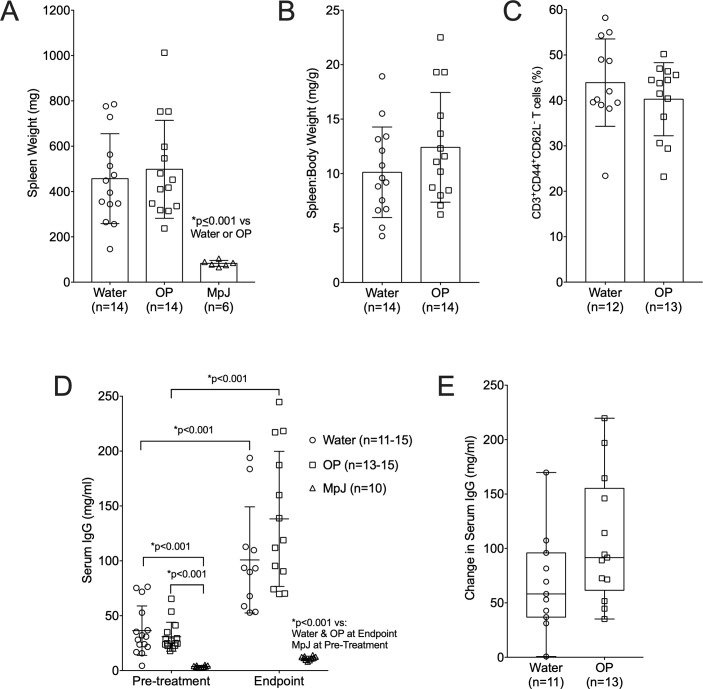
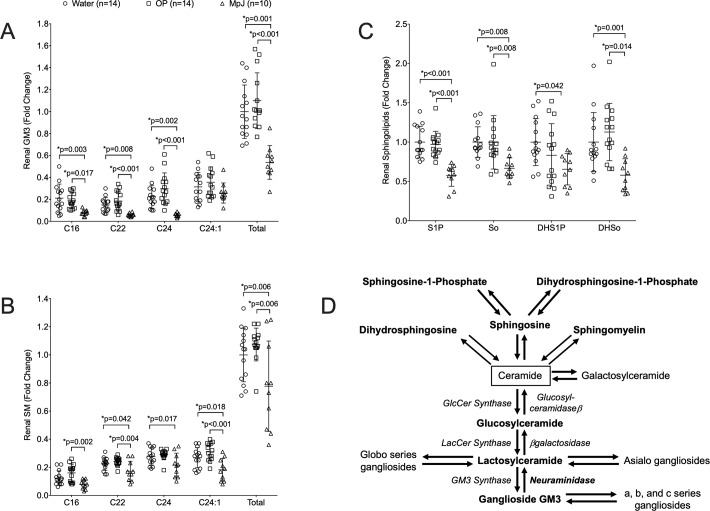
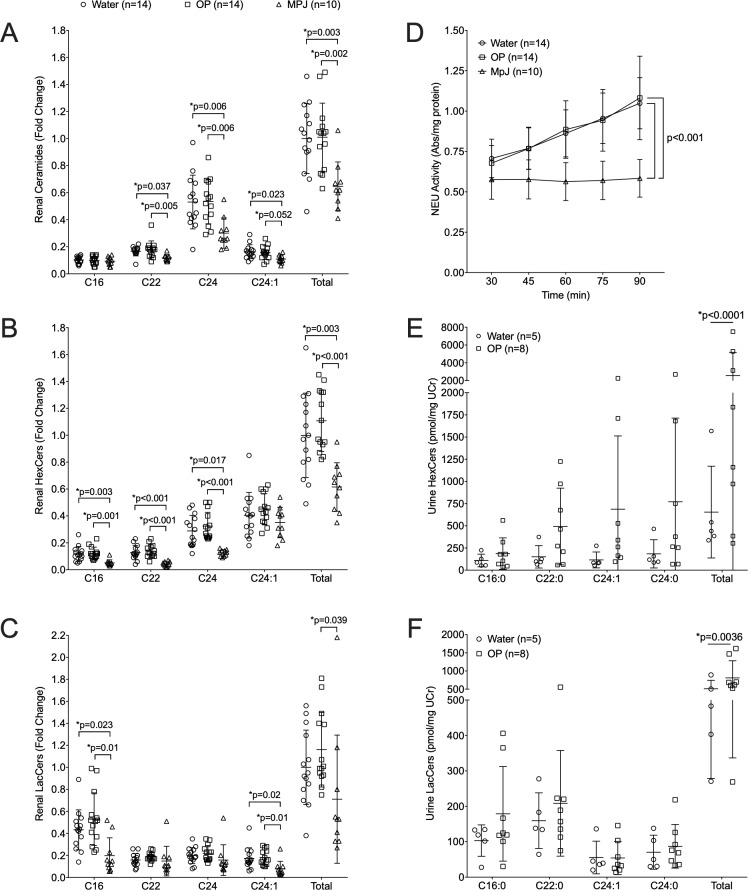
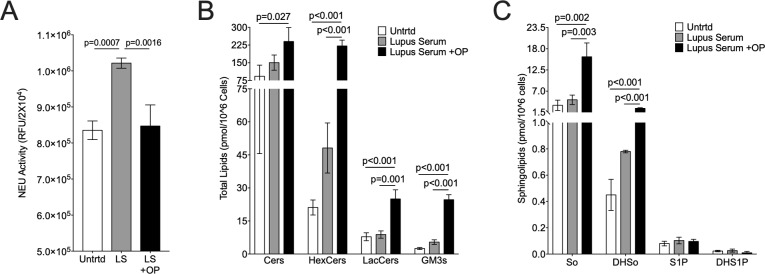
Glycosphingolipids (GSLs) hexosylceramides and lactosylceramides are elevated in lupus mice and human patients with nephritis. Whereas other renal diseases characterized by increased GSL levels are thought to be a result of upregulated GSL synthesis, our results suggest elevated hexosylceramides and lactosylceramides in lupus nephritis is a result of increased catabolism of ganglioside GM3 due to significantly increased neuraminidase (NEU) activity. Thus, we hypothesized GM3 would be decreased in lupus nephritis kidneys and blocking NEU activity would reduce GSLs and improve disease in lupus mice. Female MRL/lpr lupus mice were treated with water or the NEU inhibitor oseltamivir phosphate at the onset of proteinuria to block GSL catabolism. Age-matched (non-nephritic) female MRL/MpJ lupus mice served as controls. Renal GM3 levels were significantly higher in the nephritic MRL/lpr water-treated mice compared to non-nephritic MRL/MpJ mice, despite significantly increased renal NEU activity. Blocking GSL catabolism increased, rather than decreased, renal and urine GSL levels and disease was not significantly impacted. A pilot study treating MRL/lpr females with GlcCer synthase inhibitor Genz-667161 to block GSL synthesis resulted in a strong significant negative correlation between Genz-667161 dose and renal GSL hexosylceramide and GM3 levels. Splenomegaly was negatively correlated and serum IgG levels were marginally correlated with increasing Genz-667161 dose. These results suggest accumulation of renal GM3 may be due to dysregulation of one or more of the GSL ganglioside pathways and inhibiting GSL synthesis, but not catabolism, may be a therapeutic approach for treating lupus nephritis.
糖鞘脂(GSLs)己糖神经酰胺和乳糖神经酰胺在狼疮小鼠和肾炎人类患者中升高。虽然其他以 GSL 水平升高为特征的肾脏疾病被认为是由于 GSL 合成上调所致,但我们的结果表明,狼疮肾炎中升高的己糖神经酰胺和乳糖神经酰胺是由于神经氨酸酶(NEU)活性显著增加导致神经节苷脂 GM3 分解代谢增加的结果。因此,我们假设狼疮肾炎肾脏中的 GM3 会减少,并且阻断 NEU 活性会减少 GSL 并改善狼疮小鼠的疾病。在蛋白尿发作时,雌性 MRL/lpr 狼疮小鼠用生理盐水或 NEU 抑制剂奥司他韦磷酸盐治疗以阻断 GSL 分解代谢。年龄匹配(非肾炎)的雌性 MRL/MpJ 狼疮小鼠作为对照。尽管肾脏 NEU 活性显著增加,但肾炎 MRL/lpr 水治疗小鼠的肾脏 GM3 水平明显高于非肾炎 MRL/MpJ 小鼠。阻断 GSL 分解代谢增加了肾脏和尿液 GSL 水平,而不是减少了肾脏和尿液 GSL 水平,疾病没有明显受到影响。一项用 GlcCer 合酶抑制剂 Genz-667161 治疗 MRL/lpr 雌性动物以阻断 GSL 合成的初步研究表明,Genz-667161 剂量与肾脏 GSL 己糖神经酰胺和 GM3 水平之间存在强烈的负相关。脾肿大与 Genz-667161 剂量呈负相关,血清 IgG 水平与 Genz-667161 剂量呈正相关。这些结果表明,肾脏 GM3 的积累可能是由于一个或多个 GSL 神经节苷脂途径的失调,并且抑制 GSL 合成而不是分解代谢可能是治疗狼疮肾炎的一种治疗方法。