von Karstedt Silvia, Walczak Henning
1Department of Translational Genomics, Center of Integrated Oncology Cologne-Bonn, Medical Faculty, University of Cologne, Cologne, Germany.
2CECAD Cluster of Excellence, University of Cologne, Cologne, Germany.
Cell Death Discov. 2020 Mar 17;6:14. doi: 10.1038/s41420-020-0249-4. eCollection 2020.
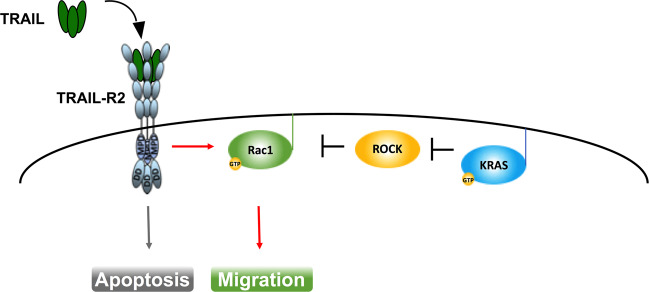
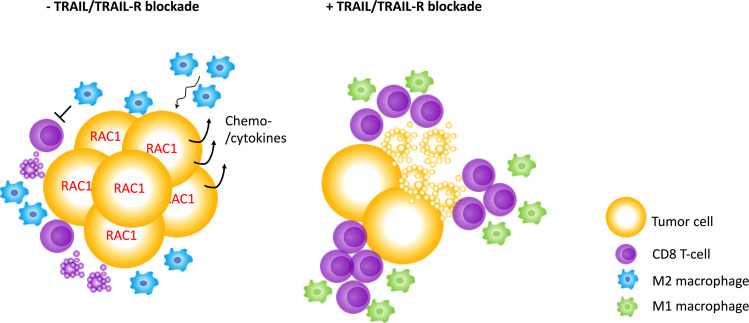
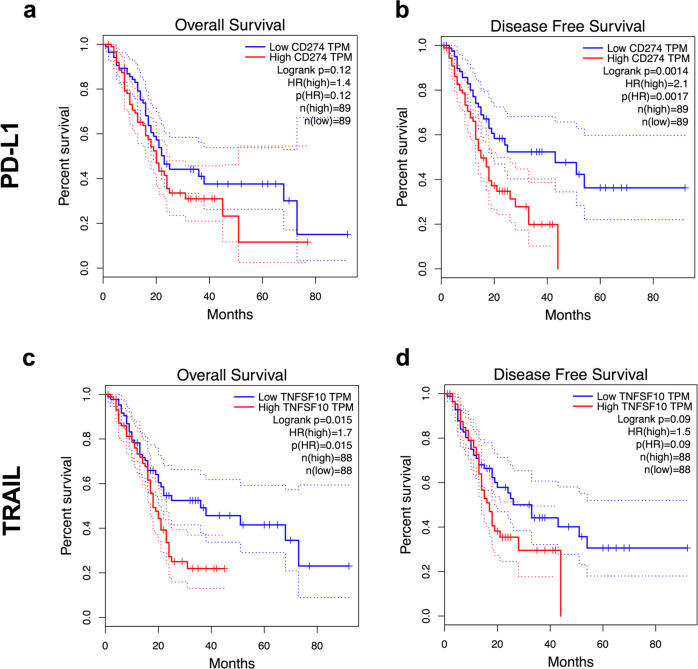
Twenty-one percent of all human cancers bear constitutively activating mutations in the proto-oncogene . This incidence is substantially higher in some of the most inherently therapy-resistant cancers including 30% of non-small cell lung cancers (NSCLC), 50% of colorectal cancers, and 95% of pancreatic ductal adenocarcinomas (PDAC). Importantly, survival of patients with KRAS-mutated PDAC and NSCLC has not significantly improved since the 1970s highlighting an urgent need to re-examine how oncogenic KRAS influences cell death signaling outputs. Interestingly, cancers expressing oncogenic KRAS manage to escape antitumor immunity via upregulation of programmed cell death 1 ligand 1 (PD-L1). Recently, the development of next-generation KRAS-selective inhibitors has shown therapeutic efficacy by triggering antitumor immunity. Yet, clinical trials testing immune checkpoint blockade in KRAS-mutated cancers have yielded disappointing results suggesting other, additional means endow these tumors with the capacity to escape immune recognition. Intriguingly, oncogenic KRAS reprograms regulated cell death pathways triggered by death receptors of the tumor necrosis factor (TNF) receptor superfamily. Perverting the course of their intended function, KRAS-mutated cancers use endogenous TNF-related apoptosis-inducing ligand (TRAIL) and its receptor(s) to promote tumor growth and metastases. Yet, endogenous TRAIL-TRAIL-receptor signaling can be therapeutically targeted and, excitingly, this may not only counteract oncogenic KRAS-driven cancer cell migration, invasion, and metastasis, but also the immunosuppressive reprogramming of the tumor microenvironment it causes. Here, we provide a concise summary of the current literature on oncogenic KRAS-mediated reprogramming of cell death signaling and antitumor immunity with the aim to open novel perspectives on combinatorial treatment strategies involving death receptor targeting.
所有人类癌症中,21%在原癌基因中携带组成性激活突变。在一些最具内在抗药性的癌症中,这一发生率显著更高,包括30%的非小细胞肺癌(NSCLC)、50%的结直肠癌和95%的胰腺导管腺癌(PDAC)。重要的是,自20世纪70年代以来,KRAS突变的PDAC和NSCLC患者的生存率并未显著提高,这凸显了迫切需要重新审视致癌性KRAS如何影响细胞死亡信号输出。有趣的是,表达致癌性KRAS的癌症通过上调程序性细胞死亡1配体1(PD-L1)设法逃避免疫抗肿瘤作用。最近,新一代KRAS选择性抑制剂的开发通过触发抗肿瘤免疫显示出治疗效果。然而,在KRAS突变癌症中测试免疫检查点阻断的临床试验产生了令人失望的结果,这表明还有其他额外的方式赋予这些肿瘤逃避免疫识别的能力。有趣的是,致癌性KRAS重新编程由肿瘤坏死因子(TNF)受体超家族死亡受体触发的调节性细胞死亡途径。KRAS突变的癌症扭曲其预期功能的过程,利用内源性肿瘤坏死因子相关凋亡诱导配体(TRAIL)及其受体来促进肿瘤生长和转移。然而,内源性TRAIL-TRAIL受体信号传导可以成为治疗靶点,令人兴奋的是,这不仅可能抵消致癌性KRAS驱动的癌细胞迁移、侵袭和转移,还可能抵消其引起的肿瘤微环境的免疫抑制重编程。在这里,我们简要总结了目前关于致癌性KRAS介导的细胞死亡信号重编程和抗肿瘤免疫的文献,旨在为涉及死亡受体靶向的联合治疗策略开辟新的视角。