The Ohio State University College of Medicine, Columbus, OH, USA.
Department of Radiology, Nationwide Children's Hospital, 700 Children's Drive, Columbus, OH, 43205, USA.
Pediatr Radiol. 2020 May;50(6):869-876. doi: 10.1007/s00247-020-04649-6. Epub 2020 Mar 21.
Sialorrhea is common in children with neurological disorders and leads to social isolation, aspiration pneumonia and increased caregiver burden. Sialorrhea management includes anticholinergic medications and a variety of surgeries, but these are limited by side effects, recurrence and risks.
We present our method of salivary gland ablation, an interventional radiology treatment for sialorrhea, and report safety and efficacy data from pediatric patients who underwent salivary gland ablation.
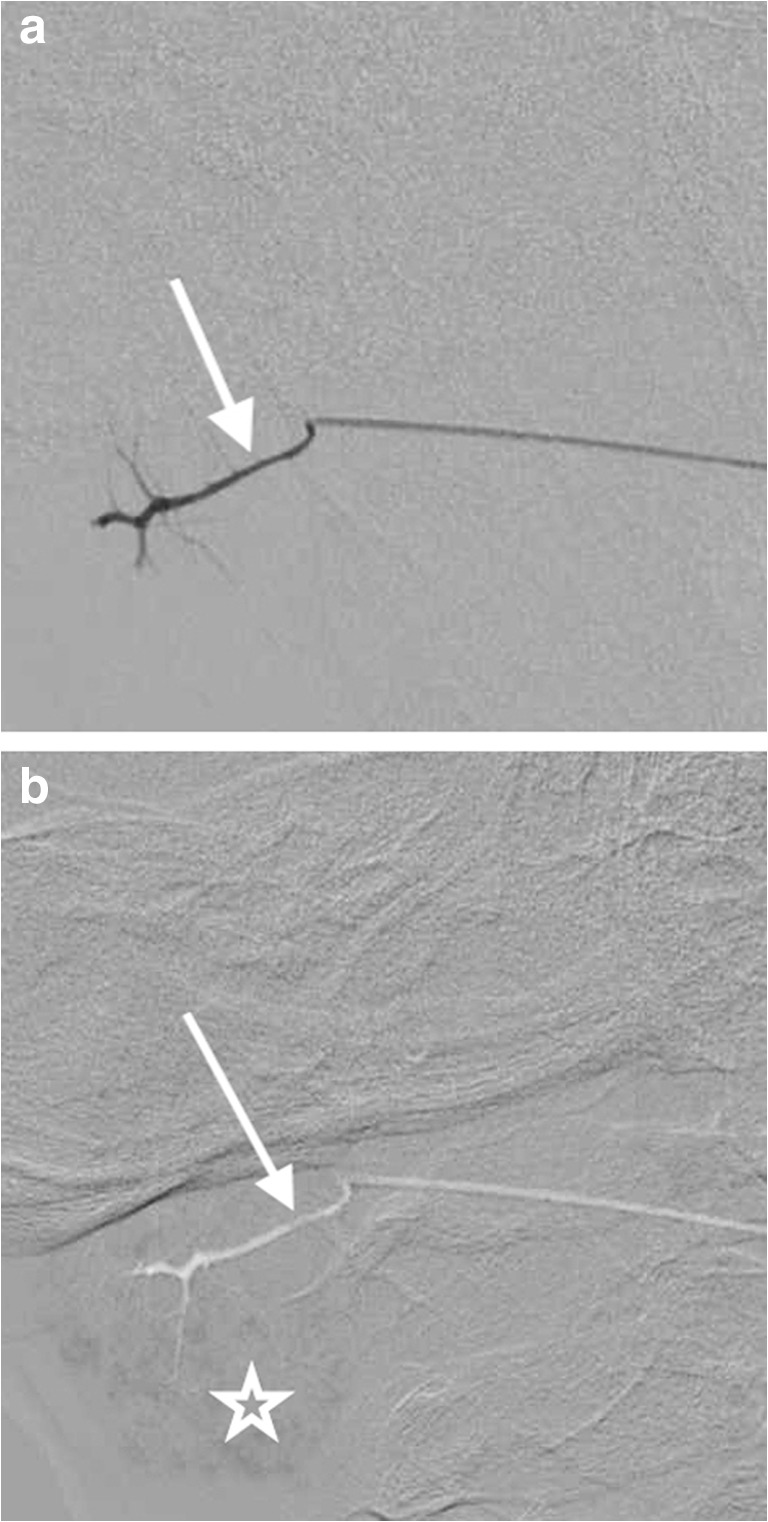
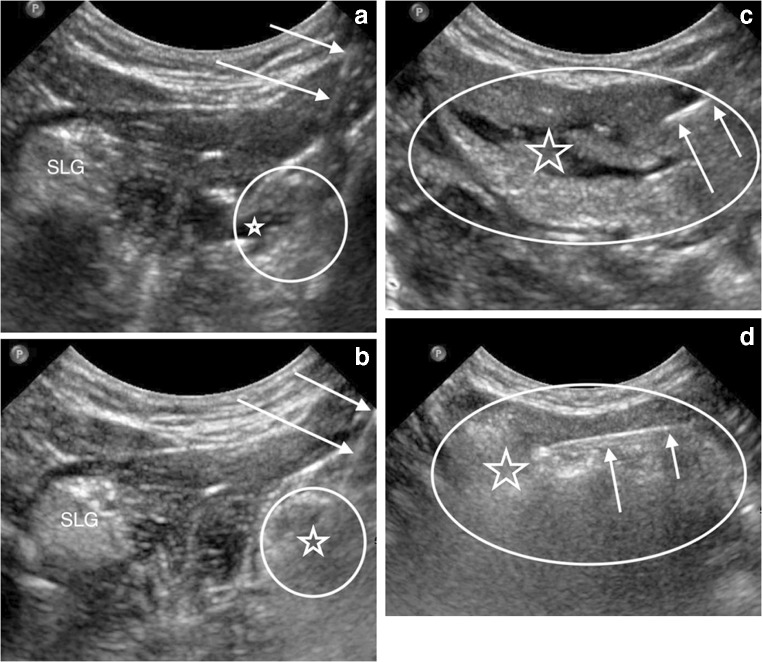
Salivary gland ablation uses image-guided sotradecol and ethanol dual-drug injection into the salivary glands. Submandibular and sublingual glands are injected percutaneously using ultrasound. Parotid glands are injected retrograde through Stensen ducts using fluoroscopy. We conducted a retrospective review of the medical records of patients who underwent salivary gland ablation at our institution between 2005 and 2019. Pre- and post-procedure Drooling Frequency and Drooling Severity (DFDS) scale scores were compared and caregiver satisfaction was assessed. We devised two cohorts, one to study patient safety and a subcohort to study clinical efficacy using DFDS scores.
One hundred and seventy salivary gland ablation procedures were performed in the 99 patients comprising the safety cohort. Of the procedures, 88.8% resulted in no or minimal complications. Respiratory difficulty, temporary nerve palsy and infection represent the majority of the 11.2% of patients who experienced periprocedural complications. There were no complications resulting in permanent sequelae. Twenty-seven patients met our inclusion criteria for the efficacy subcohort with a mean follow-up time of 5.4 years. DFDS at follow-up decreased from a median score of nine to a seven post-procedure (P=0.000018). The proportion of caregivers who were satisfied with the procedure increased as more glands were ablated, which suggests a causal link between the number of glands ablated and the outcome.
Salivary gland ablation is a safe and effective procedure with the potential for permanent decrease in symptoms related to sialorrhea.
流涎是神经障碍儿童常见的问题,会导致社交孤立、吸入性肺炎和增加照顾者的负担。流涎的管理包括抗胆碱能药物和各种手术,但这些方法受到副作用、复发和风险的限制。
我们介绍了唾液腺消融术,这是一种用于流涎症的介入放射学治疗方法,并报告了在我们机构接受唾液腺消融术的儿科患者的安全性和疗效数据。
唾液腺消融术使用影像引导下的丝裂霉素 C 和乙醇双药物注射到唾液腺中。使用超声经皮注射下颌下腺和舌下腺。使用透视逆行注射腮腺通过 Stensen 导管。我们对 2005 年至 2019 年在我们机构接受唾液腺消融术的患者的病历进行了回顾性审查。比较了术前和术后流涎频率和流涎严重程度(DFDS)评分,并评估了照顾者的满意度。我们设计了两个队列,一个用于研究患者安全性,一个亚组用于使用 DFDS 评分研究临床疗效。
在由 99 名患者组成的安全性队列中,共进行了 170 次唾液腺消融术。其中 88.8%的手术没有或仅有轻微的并发症。呼吸困难、暂时性神经麻痹和感染是 11.2%发生围手术期并发症的患者的主要并发症。没有导致永久性后遗症的并发症。27 名患者符合我们的疗效亚组纳入标准,平均随访时间为 5.4 年。随访时 DFDS 评分从术前的中位数 9 分降至术后 7 分(P=0.000018)。随着消融的腺体数量增加,对手术满意的照顾者比例增加,这表明消融的腺体数量与结果之间存在因果关系。
唾液腺消融术是一种安全有效的方法,有潜力永久性降低与流涎相关的症状。