Liu Min, Tao Xin Cao, Zhai Zhenguo, Ma Zhanhong, Zhu Li, Luo Jie
Department of Radiology, China-Japan Friendship Hospital, Beijing, China.
Department of Pulmonary and Critical Care Medicine, China-Japan Friendship Hospital, Beijing, China.
Pulm Circ. 2020 Mar 6;10(1):2045894020910687. doi: 10.1177/2045894020910687. eCollection 2020 Jan-Mar.
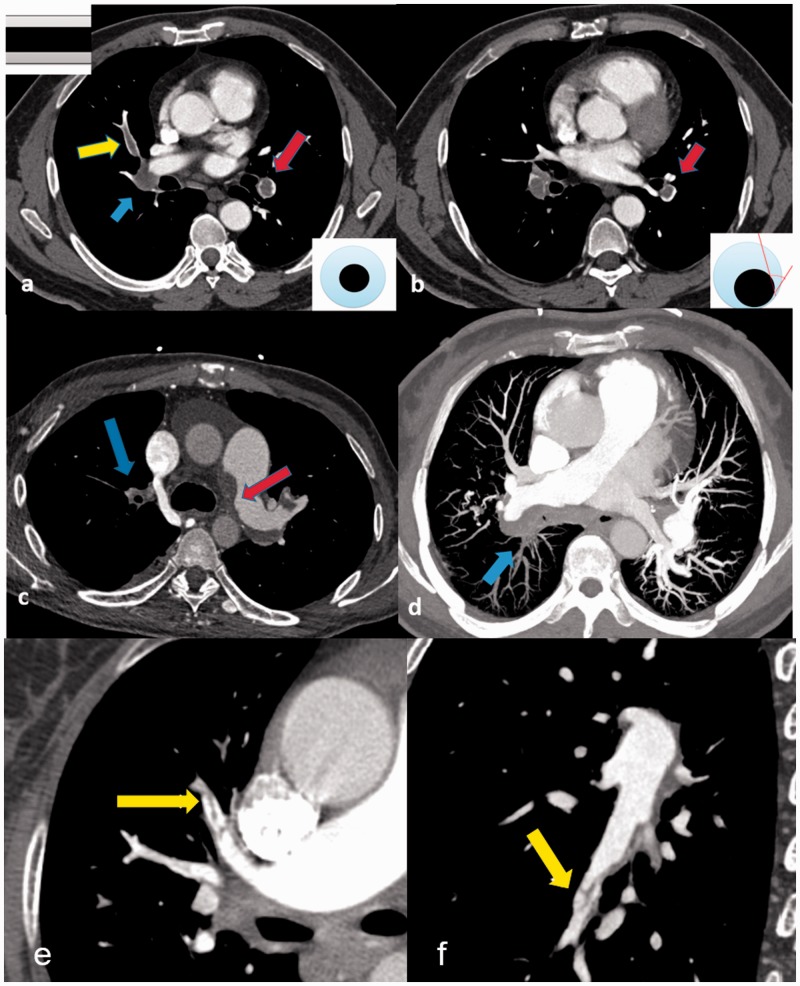
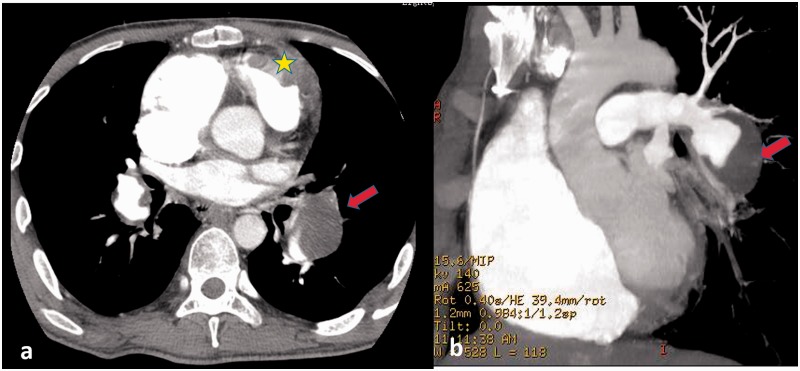
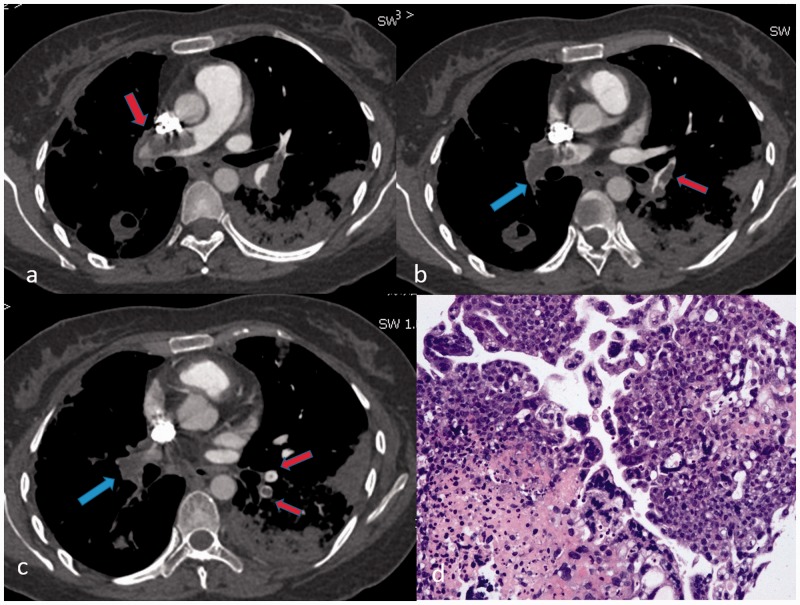
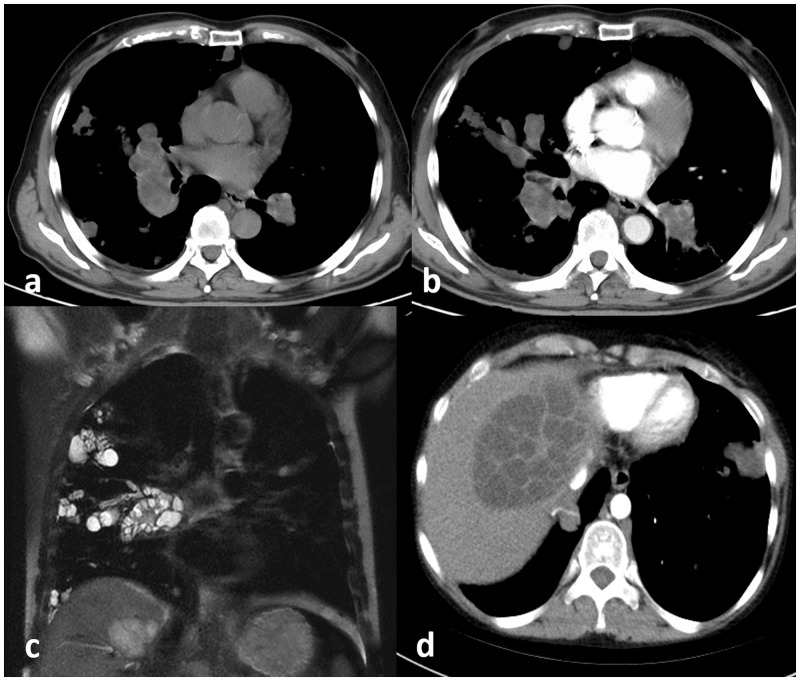
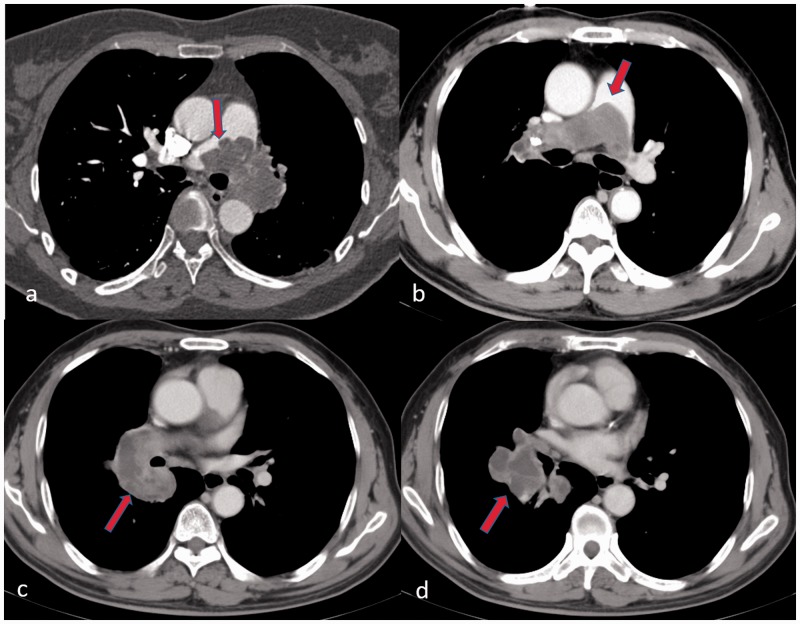
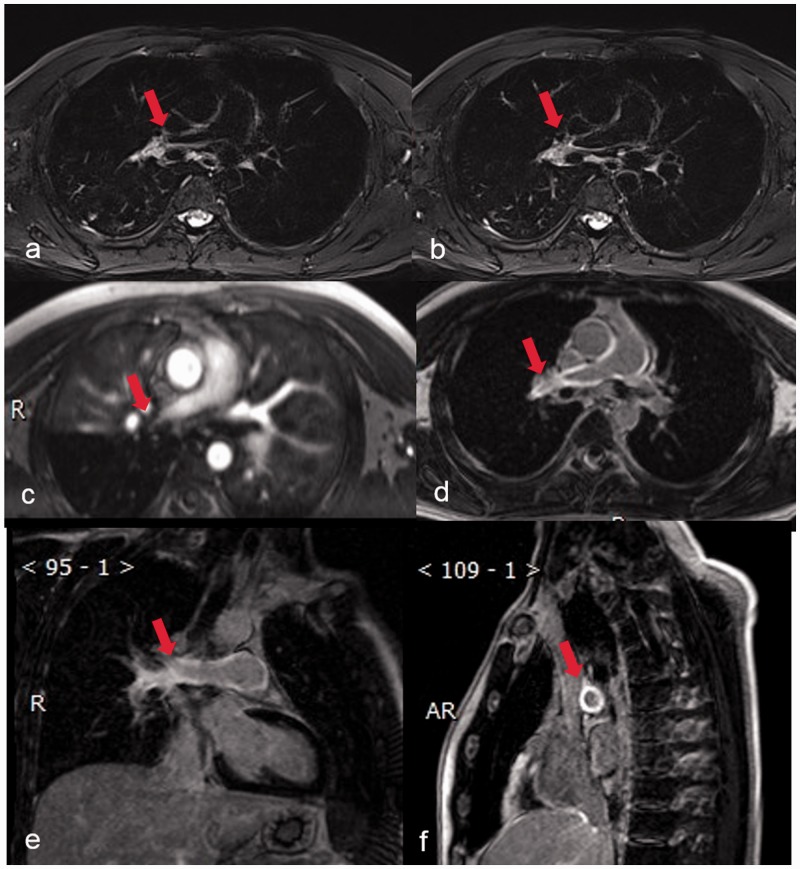
The most common cause of pulmonary artery filling defects on computed tomography pulmonary angiography or magnetic resonance imaging is pulmonary thromboembolism, but not infrequently, the presentation of this finding lacks specificity. Given that the morbidity and mortality associated with pulmonary thromboembolism is high, proper diagnosis of the condition is essential. Unusual or more rarely encountered etiologies must be considered when clinical manifestations and imaging findings are inconsistent. With this review, our purpose is to describe possible causes of pulmonary arterial filling defects. We aim to provide clinicians with a comprehensive list of differential diagnoses to facilitate a measured approach to the assessment of pulmonary arterial filling defects on computed tomography pulmonary angiography or magnetic resonance imaging.
计算机断层扫描肺动脉造影或磁共振成像上肺动脉充盈缺损的最常见原因是肺血栓栓塞,但这种表现往往缺乏特异性。鉴于肺血栓栓塞相关的发病率和死亡率很高,正确诊断该疾病至关重要。当临床表现和影像学表现不一致时,必须考虑不常见或更罕见的病因。通过本综述,我们的目的是描述肺动脉充盈缺损的可能原因。我们旨在为临床医生提供一份全面的鉴别诊断清单,以便在计算机断层扫描肺动脉造影或磁共振成像上对肺动脉充盈缺损进行评估时采取审慎的方法。