Hans Popper Laboratory of Molecular Hepatology, Division of Gastroenterology and Hepatology, Department of Medicine III, Medical University of Vienna, Vienna, Austria.
Division of Gastroenterology and Hepatology, Joan and Sanford I. Weill Cornell Department of Medicine, Weill Cornell Medical College, New York, NY.
Hepatology. 2020 Sep;72(3):1117-1126. doi: 10.1002/hep.31250.
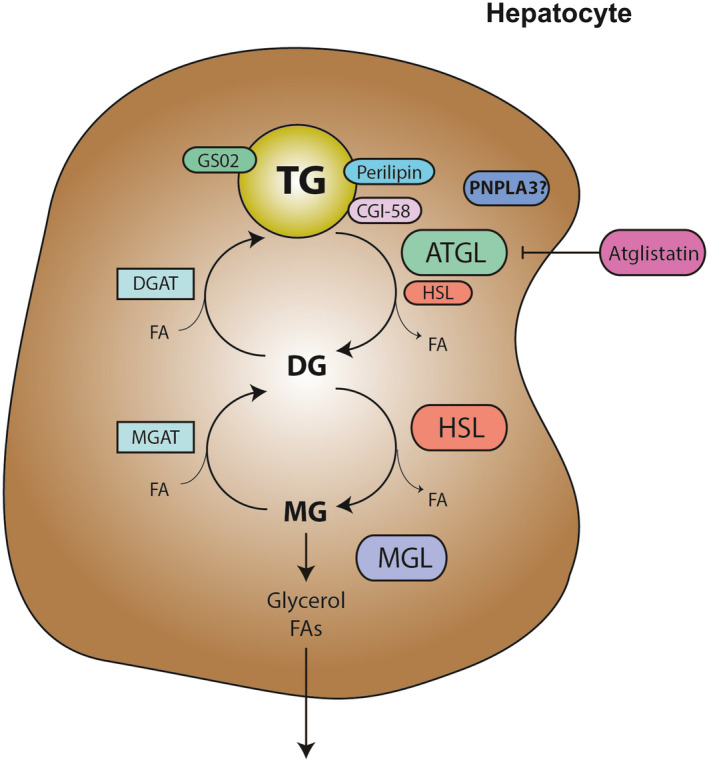
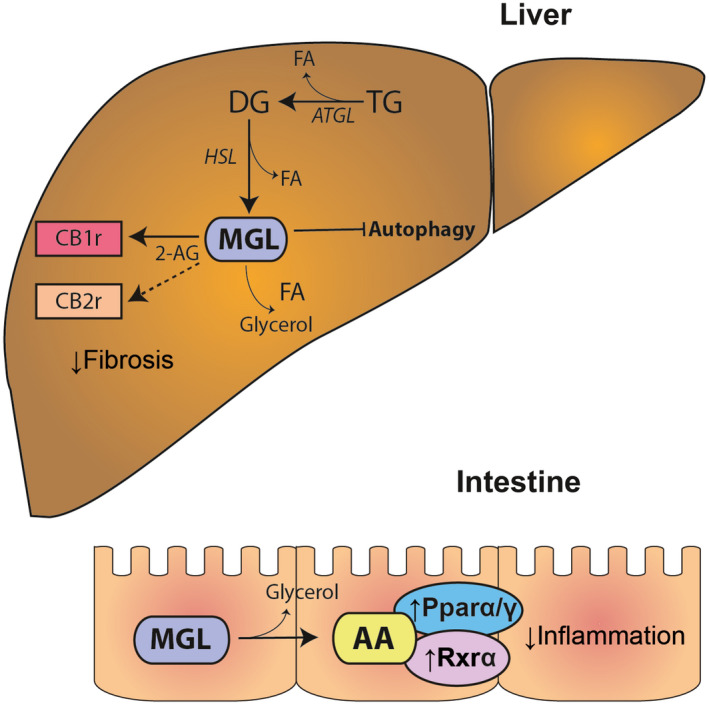
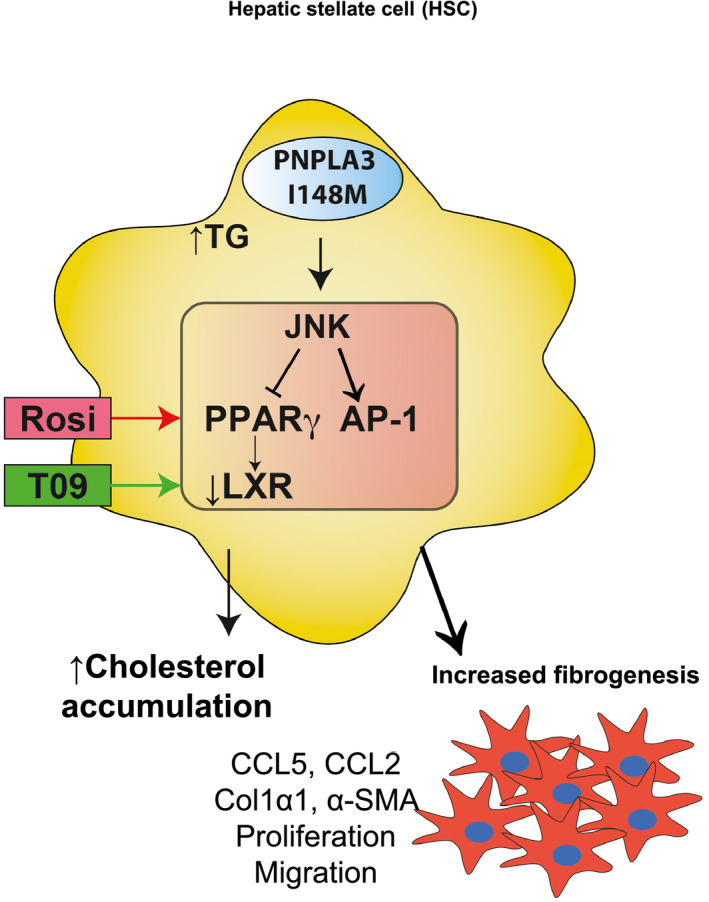
Intracellular lipolysis is an enzymatic pathway responsible for the catabolism of triglycerides (TGs) that is complemented by lipophagy as the autophagic breakdown of lipid droplets. The hydrolytic cleavage of TGs generates free fatty acids (FFAs), which can serve as energy substrates, precursors for lipid synthesis, and mediators in cell signaling. Despite the fundamental and physiological importance of FFAs, an oversupply can trigger lipotoxicity with impaired membrane function, endoplasmic reticulum stress, mitochondrial dysfunction, cell death, and inflammation. Conversely, impaired release of FFAs and other lipid mediators can also disrupt key cellular signaling functions that regulate metabolism and inflammatory processes. This review will focus on specific functions of intracellular lipases in lipid partitioning, covering basic and translational findings in the context of liver disease. In addition, the clinical relevance of genetic mutations in human disease and potential therapeutic opportunities will be discussed.
细胞内脂肪分解是一种负责分解甘油三酯 (TGs) 的酶促途径,它与自噬性脂滴分解的脂噬作用相辅相成。TGs 的水解裂解产生游离脂肪酸 (FFAs),FFAs 可以作为能量底物、脂质合成的前体以及细胞信号转导中的介质。尽管 FFAs 具有基础性和生理学重要性,但过量供应会引发脂毒性,导致膜功能障碍、内质网应激、线粒体功能障碍、细胞死亡和炎症。相反,FFAs 和其他脂质介质的释放受损也会破坏调节代谢和炎症过程的关键细胞信号转导功能。这篇综述将重点关注细胞内脂肪酶在脂质分配中的特定功能,涵盖肝病背景下的基础和转化研究发现。此外,还将讨论人类疾病中基因突变的临床相关性和潜在的治疗机会。