Division of Pediatric Oncology, The Sidney Kimmel Comprehensive Cancer Center at Johns Hopkins, Baltimore, Maryland 21287, USA.
Division of Pediatric Radiology, Johns Hopkins University School of Medicine, Baltimore, Maryland 21287, USA.
Cold Spring Harb Mol Case Stud. 2020 Apr 1;6(2). doi: 10.1101/mcs.a004820. Print 2020 Apr.
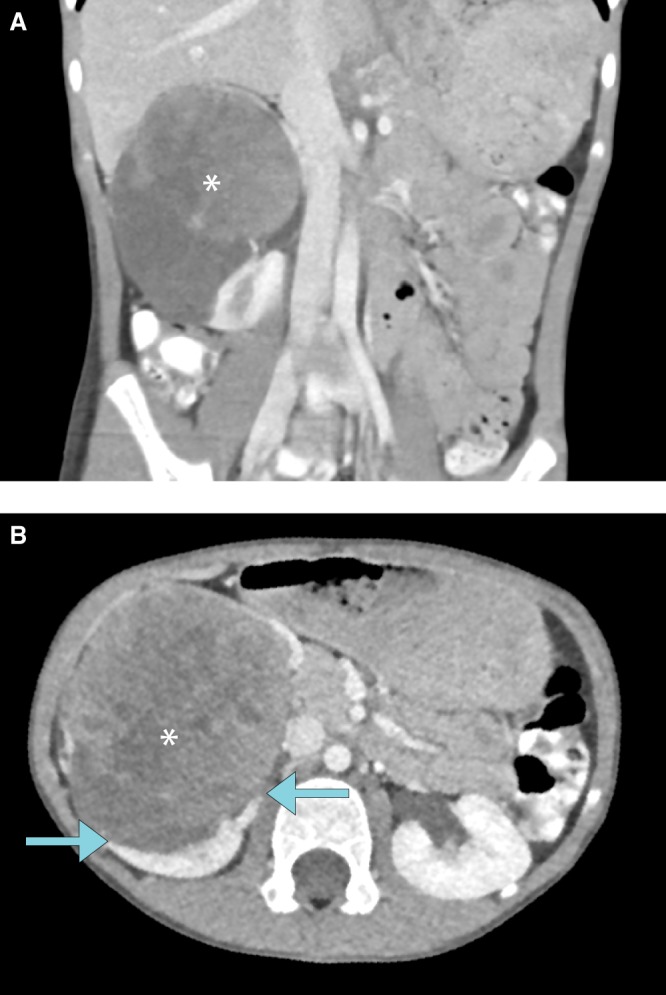
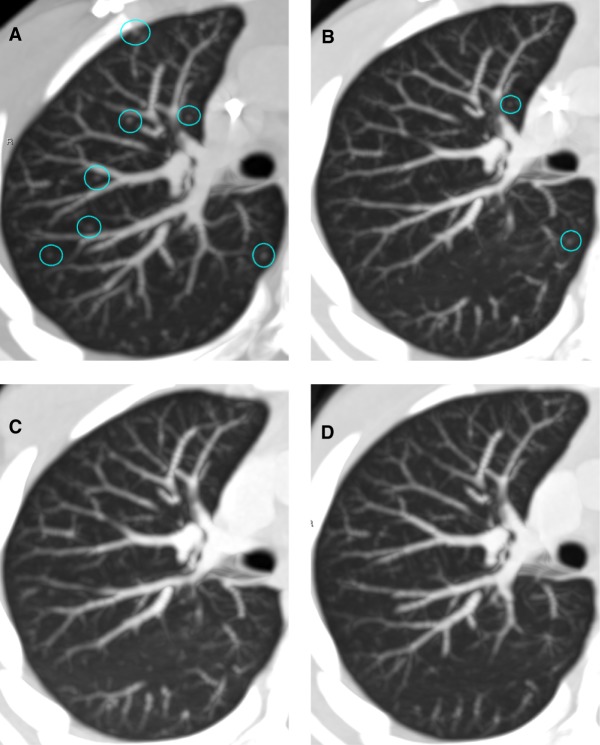
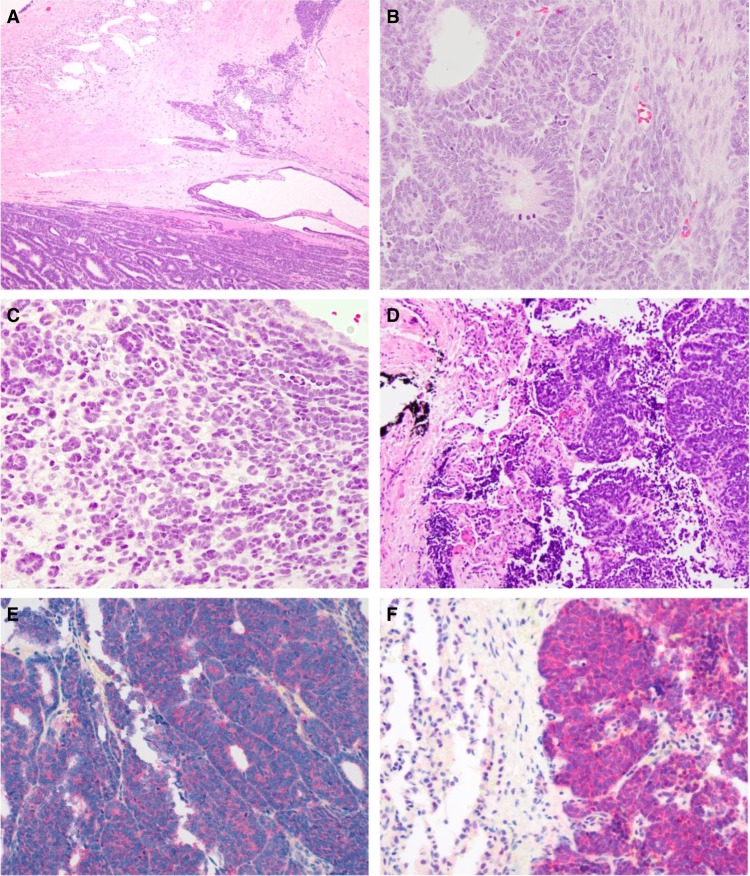
Wilms tumor (WT) is the most common renal malignancy of childhood and accounts for 6% of all childhood malignancies. With current therapies, the 5-yr overall survival (OS) for children with unilateral favorable histology WT is greater than 85%. The prognosis is worse, however, for the roughly 15% of patients who relapse, with only 50%-80% OS reported in those with recurrence. Herein, we describe the extended and detailed clinical course of a rare case of a child with recurrent, pulmonary metastatic, favorable histology WT harboring a BRAF V600E mutation. The BRAF V600E mutation, commonly found in melanoma and other cancers, and previously undescribed in WT, has recently been reported by our group in a subset of epithelial-predominant WT. This patient, who was included in that series, presented with unilateral, stage 1, favorable histology WT and was treated with standard chemotherapy. Following the completion of therapy, the patient relapsed with pulmonary metastatic disease, that then again recurred despite an initial response to salvage chemotherapy and radiation. Next-generation sequencing (NGS) on the metastatic pulmonary nodule revealed a BRAF V600E mutation. After weighing the therapeutic options, a novel approach with dual BRAF/MEK inhibitor combination therapy was initiated. Complete radiographic response was observed following 4 months of therapy with dabrafenib and trametinib. At 12 months following the start of BRAF/MEK combination treatment, the patient continues with a complete response and has experienced minimal treatment-related side effects. This represents the first case, to our knowledge, of effective treatment with BRAF/MEK molecularly targeted therapy in a pediatric Wilms tumor patient.
威尔姆斯瘤(WT)是儿童最常见的肾恶性肿瘤,占儿童所有恶性肿瘤的 6%。采用目前的治疗方法,单侧组织学良好 WT 儿童的 5 年总生存率(OS)大于 85%。然而,对于大约 15%的复发患者来说,预后较差,复发患者的 OS 报道仅为 50%-80%。在此,我们描述了一例罕见的儿童复发性、肺转移性、组织学良好的 WT 伴 BRAF V600E 突变的详细扩展临床过程。BRAF V600E 突变常见于黑色素瘤和其他癌症,以前在 WT 中未见描述,最近被我们小组在一组上皮优势型 WT 中报道。该患者被纳入该系列,表现为单侧、1 期、组织学良好的 WT,并接受了标准的化疗。治疗完成后,患者出现肺转移性疾病复发,尽管最初对挽救化疗和放疗有反应,但再次复发。转移性肺结节的下一代测序(NGS)显示 BRAF V600E 突变。在权衡治疗选择后,采用新型双重 BRAF/MEK 抑制剂联合治疗方案。在接受 dabrafenib 和 trametinib 治疗 4 个月后,观察到完全放射学反应。在开始 BRAF/MEK 联合治疗 12 个月后,患者继续完全缓解,并且经历了最小的治疗相关副作用。据我们所知,这是首例采用 BRAF/MEK 分子靶向治疗治疗儿童威尔姆斯瘤患者有效的病例。