Department of Family and Community Medicine, Faculty of Medicine, University of Toronto, Toronto, ON, Canada.
Institute of Health Policy, Management and Evaluation, Dalla Lana School of Public Health, University of Toronto, Toronto, ON, Canada.
Trials. 2020 Apr 7;21(1):319. doi: 10.1186/s13063-020-04243-z.
Despite the high prevalence of comorbid chronic pain and depression, this comorbidity remains understudied. Meditation has demonstrated efficacy for both chronic pain and depression independently, yet there have been few studies examining its effectiveness when both conditions are present concurrently. Furthermore, while meditation is generally accepted as a safe and effective health intervention, little is known about how to implement meditation programs within or alongside the health care system.
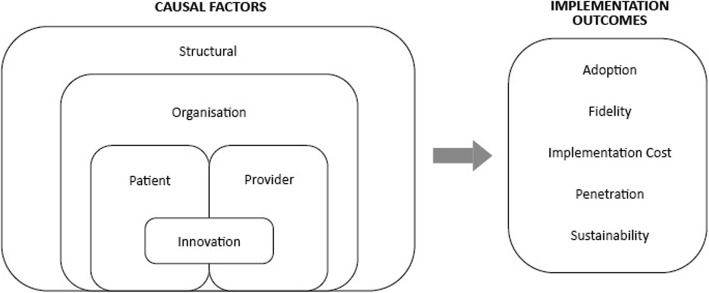
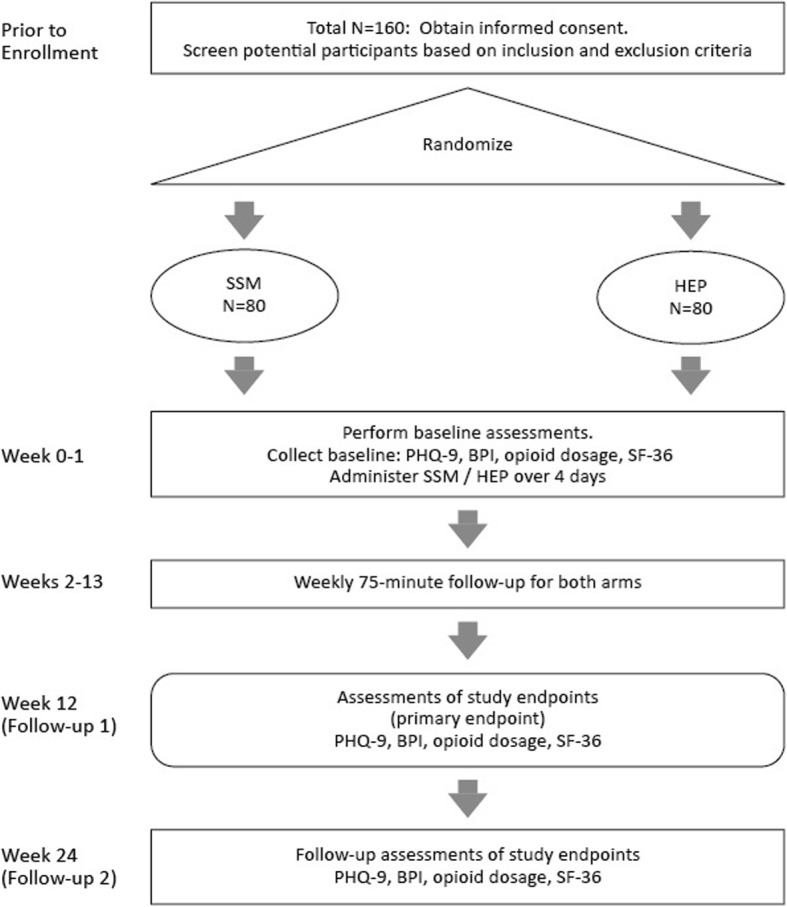
We will conduct a hybrid type 1 effectiveness-implementation evaluation. To measure effectiveness, we will conduct a randomized controlled trial comparing Sahaj Samadhi Meditation and the Health Enhancement Program in 160 people living with chronic pain, clinically significant depressive symptoms, and on long-term opioid therapy. Changes in depressive symptoms will be our primary outcome; pain severity, pain-related function, opioid use, and quality of life will be the secondary outcomes. The primary end point will be at 12 weeks with a secondary end point at 24 weeks to measure the sustainability of acute effects. Patients will be recruited from a community-based chronic pain clinic in a large urban center in Mississauga, Canada. The meditation program will be delivered in the clinical environment where patients normally receive their chronic pain care by certified meditation teachers who are not regulated health care providers. We will use a mixed-methods design using the multi-level framework to understand the implementation of this particular co-location model.
Results of this hybrid evaluation will add important knowledge about the effectiveness of meditation for managing depressive symptoms in people with chronic pain. The implementation evaluation will inform both effectiveness outcomes and future program development, scalability, and sustainability.
ClinicalTrials.gov: NCT04039568. Registered on 31 July 2019.
尽管慢性疼痛和抑郁共病的患病率很高,但对此共病的研究仍不够充分。冥想已被证明对慢性疼痛和抑郁均具有疗效,然而,针对同时存在这两种疾病的情况下冥想效果的研究却很少。此外,虽然冥想通常被认为是一种安全有效的健康干预措施,但对于如何在医疗保健系统内或其之外实施冥想项目,我们知之甚少。
我们将进行混合 1 型有效性-实施评估。为了评估效果,我们将在 160 名患有慢性疼痛、有临床意义的抑郁症状且长期接受阿片类药物治疗的患者中进行随机对照试验,比较 Sahaj Samadhi 冥想和健康增强计划。抑郁症状的变化将是我们的主要结果;疼痛严重程度、与疼痛相关的功能、阿片类药物的使用和生活质量将是次要结果。主要终点将在 12 周进行,次要终点在 24 周进行,以测量急性效果的可持续性。患者将从加拿大密西沙加市一个大型城市中心的社区慢性疼痛诊所招募。冥想课程将在患者通常接受慢性疼痛护理的临床环境中进行,由未经监管的合格冥想教师授课。我们将使用混合方法设计,使用多层次框架来理解这种特定的共同定位模式的实施情况。
这项混合评估的结果将为冥想治疗慢性疼痛患者抑郁症状的有效性提供重要知识。实施评估将为有效性结果以及未来的项目开发、可扩展性和可持续性提供信息。
ClinicalTrials.gov:NCT04039568。注册于 2019 年 7 月 31 日。