Nieman Gary F, Al-Khalisy Hassan, Kollisch-Singule Michaela, Satalin Joshua, Blair Sarah, Trikha Girish, Andrews Penny, Madden Maria, Gatto Louis A, Habashi Nader M
Department of Surgery, SUNY Upstate Medical University, Syracuse, NY, United States.
Department of Medicine, SUNY Upstate Medical University, Syracuse, NY, United States.
Front Physiol. 2020 Mar 19;11:227. doi: 10.3389/fphys.2020.00227. eCollection 2020.
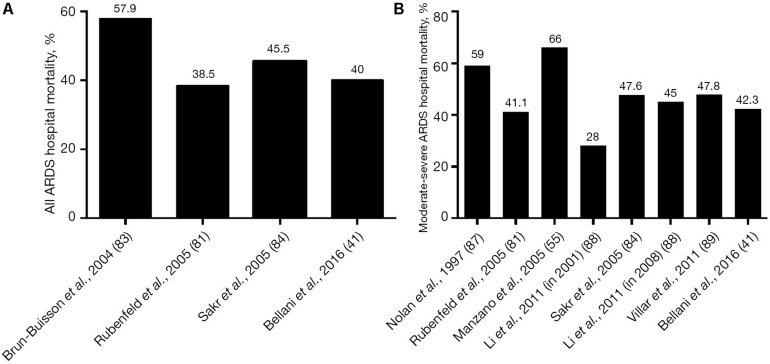
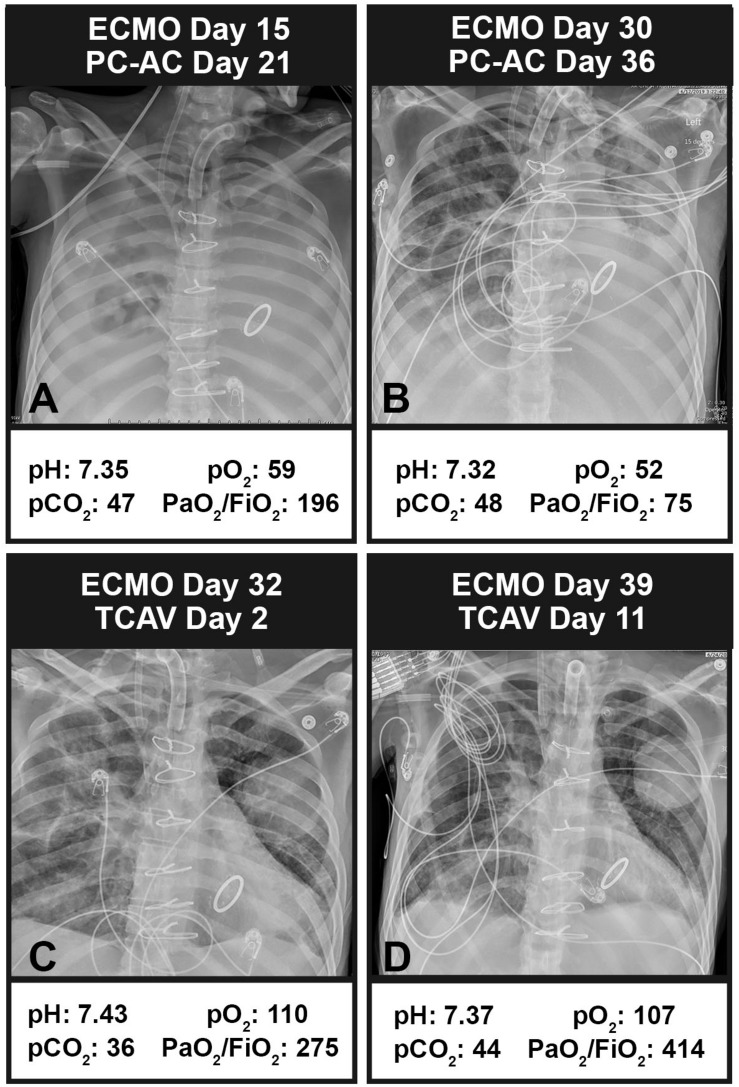
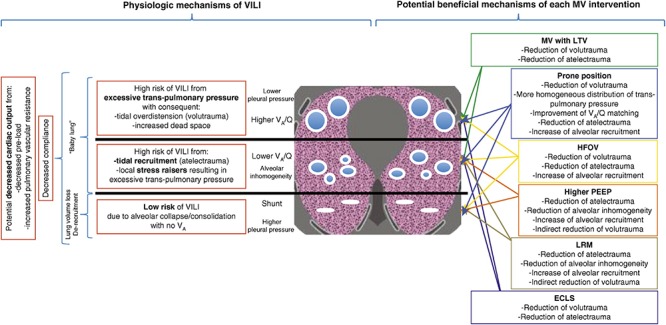
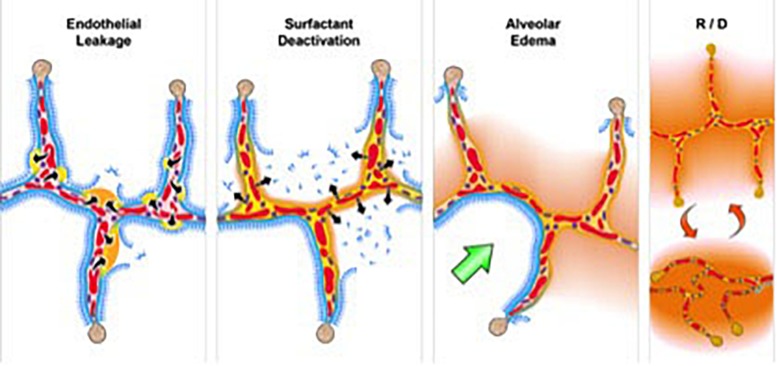
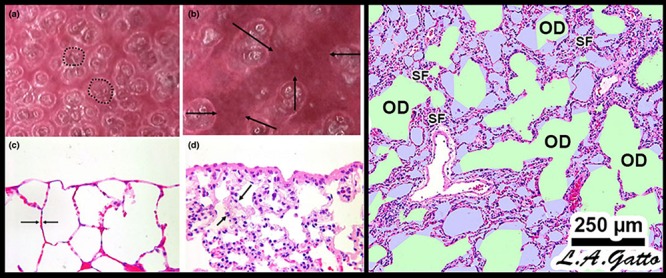
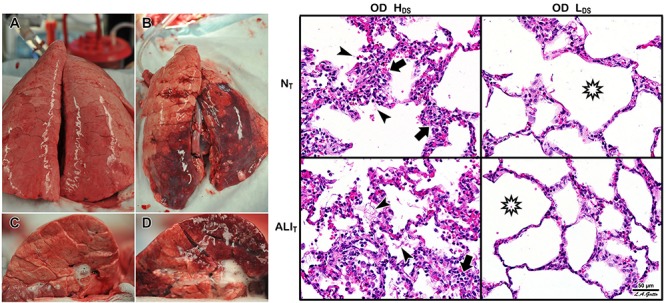
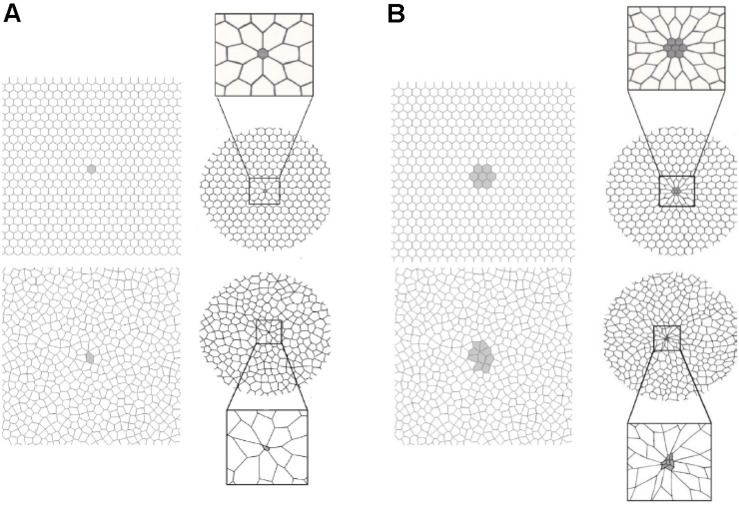
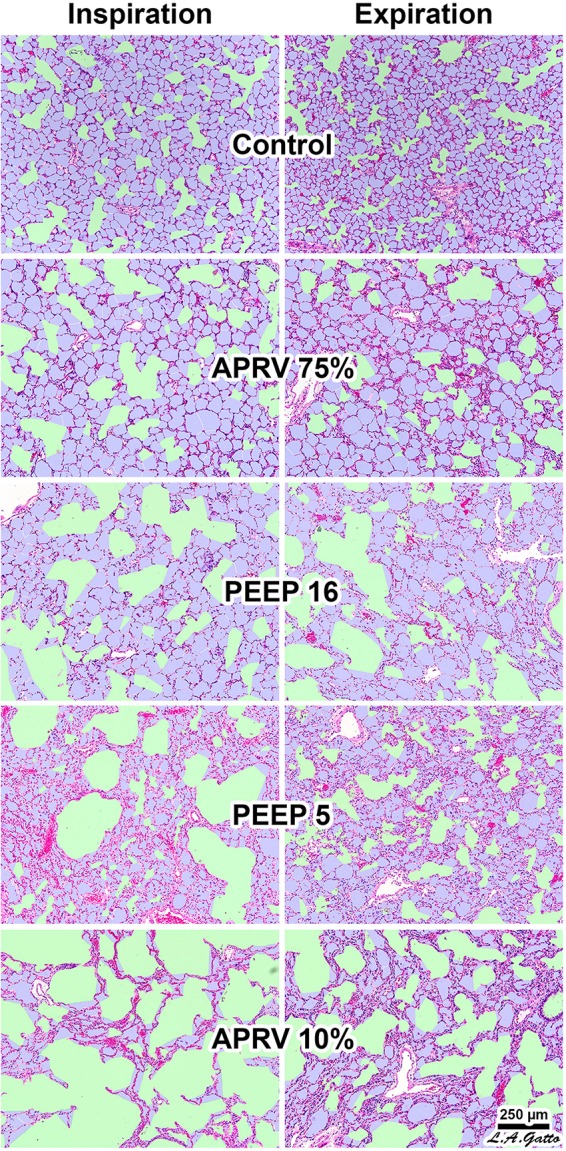
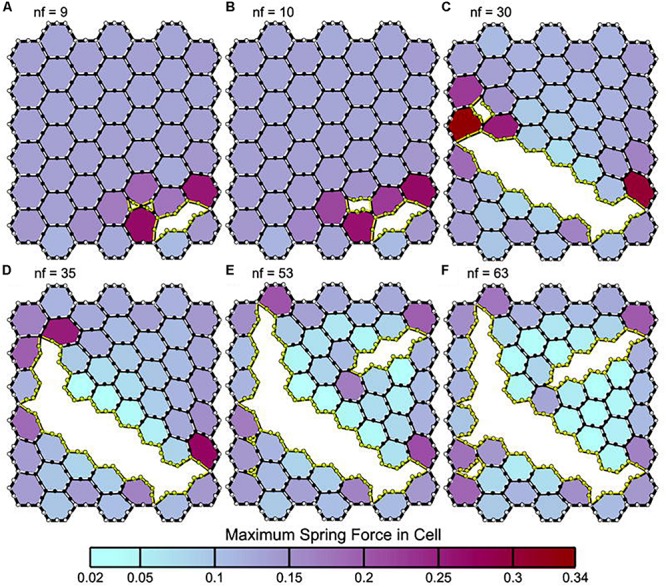
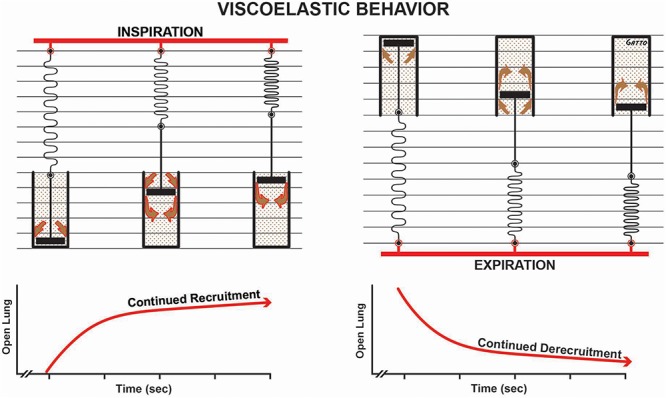
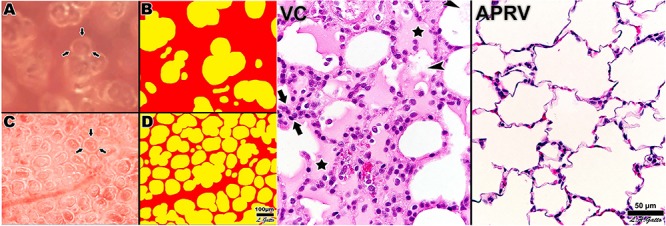
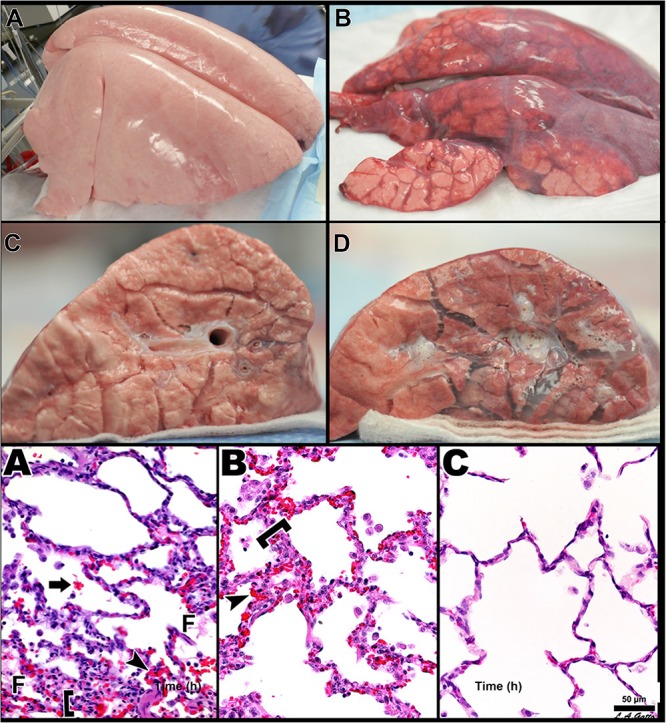
Acute respiratory distress syndrome (ARDS) causes a heterogeneous lung injury and remains a serious medical problem, with one of the only treatments being supportive care in the form of mechanical ventilation. It is very difficult, however, to mechanically ventilate the heterogeneously damaged lung without causing secondary ventilator-induced lung injury (VILI). The acutely injured lung becomes and dependent, meaning that it takes more time and pressure to open the lung, and it recollapses more quickly and at higher pressure. Current protective ventilation strategies, ARDSnet low tidal volume (LVt) and the open lung approach (OLA), have been unsuccessful at further reducing ARDS mortality. We postulate that this is because the LVt strategy is constrained to ventilating a lung with a heterogeneous mix of normal and focalized injured tissue, and the OLA, although designed to fully open and stabilize the lung, is often unsuccessful at doing so. In this review we analyzed the pathophysiology of ARDS that renders the lung susceptible to VILI. We also analyzed the alterations in alveolar and alveolar duct mechanics that occur in the acutely injured lung and discussed how these alterations are a key mechanism driving VILI. Our analysis suggests that the component of each mechanical breath, at both inspiration and expiration, is critical to normalize alveolar mechanics and protect the lung from VILI. Animal studies and a meta-analysis have suggested that the time-controlled adaptive ventilation (TCAV) method, using the airway pressure release ventilation mode, eliminates the constraints of ventilating a lung with heterogeneous injury, since it is highly effective at opening and stabilizing the and -dependent lung. In animal studies it has been shown that by "casting open" the acutely injured lung with TCAV we can (1) reestablish normal expiratory lung volume as assessed by direct observation of subpleural alveoli; (2) return normal parenchymal microanatomical structural support, known as alveolar interdependence and parenchymal tethering, as assessed by morphometric analysis of lung histology; (3) facilitate regeneration of normal surfactant function measured as increases in surfactant proteins A and B; and (4) significantly increase lung compliance, which reduces the pathologic impact of driving pressure and mechanical power at any given tidal volume.
急性呼吸窘迫综合征(ARDS)会导致肺部出现异质性损伤,它仍然是一个严重的医学问题,目前唯一的治疗方法之一是以机械通气形式提供的支持性护理。然而,要对异质性受损的肺部进行机械通气而不引起继发性呼吸机诱导性肺损伤(VILI)是非常困难的。急性损伤的肺变得顺应性降低且压力依赖,这意味着打开肺部需要更多时间和压力,并且它会更快地重新塌陷且压力更高。当前的保护性通气策略,即ARDSnet低潮气量(LVt)和肺开放策略(OLA),在进一步降低ARDS死亡率方面并未取得成功。我们推测这是因为LVt策略局限于对正常组织和局部损伤组织混合存在异质性的肺部进行通气,而OLA虽然旨在使肺部完全开放并稳定,但往往无法做到这一点。在本综述中,我们分析了使肺部易患VILI的ARDS病理生理学。我们还分析了急性损伤肺部中肺泡和肺泡管力学的改变,并讨论了这些改变如何成为驱动VILI的关键机制。我们的分析表明,每次机械呼吸在吸气和呼气时的压力控制部分对于使肺泡力学正常化以及保护肺部免受VILI至关重要。动物研究和一项荟萃分析表明,采用气道压力释放通气模式的时间控制适应性通气(TCAV)方法消除了对异质性损伤肺部进行通气的限制,因为它在打开和稳定顺应性降低且压力依赖的肺部方面非常有效。在动物研究中已表明,通过用TCAV“撑开”急性损伤的肺部,我们可以:(1)通过直接观察胸膜下肺泡评估,重新建立正常的呼气肺容积;(2)通过对肺组织学进行形态计量分析评估,恢复正常的实质微解剖结构支持,即肺泡相互依存和实质束缚;(3)促进表面活性物质功能的正常再生,以表面活性物质蛋白A和B的增加来衡量;(4)显著提高肺顺应性,这在任何给定潮气量下都能降低驱动压力和机械功率的病理影响。