The Manchester Institute of Biotechnology, School of Natural Sciences, Department of Chemistry, The University of Manchester, 131 Princess Street, Manchester M1 7DN, United Kingdom.
Manchester Synthetic Biology Research Centre for Fine and Speciality Chemicals (SYNBIOCHEM), The University of Manchester, 131 Princess Street, Manchester M1 7DN, United Kingdom.
J Biol Chem. 2020 May 29;295(22):7595-7607. doi: 10.1074/jbc.RA119.011630. Epub 2020 Apr 17.
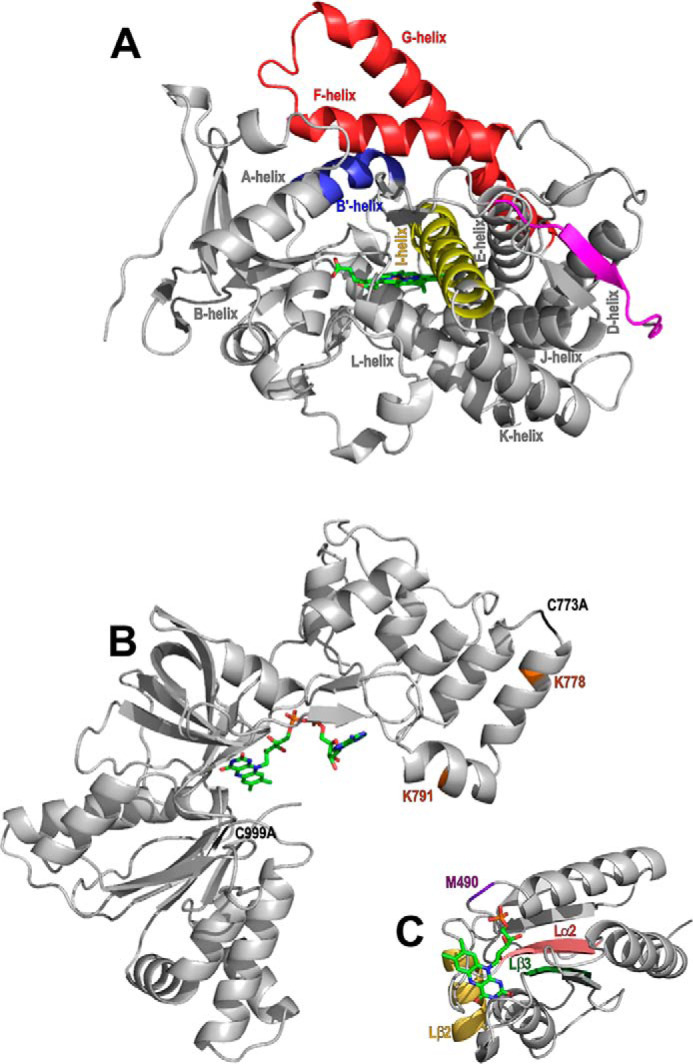
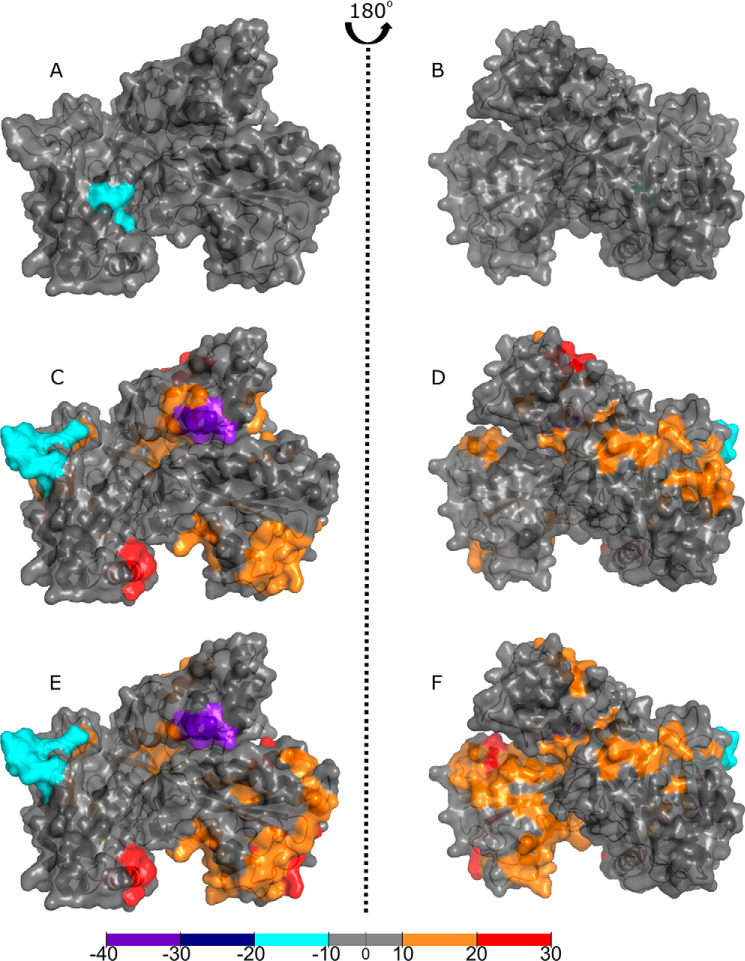
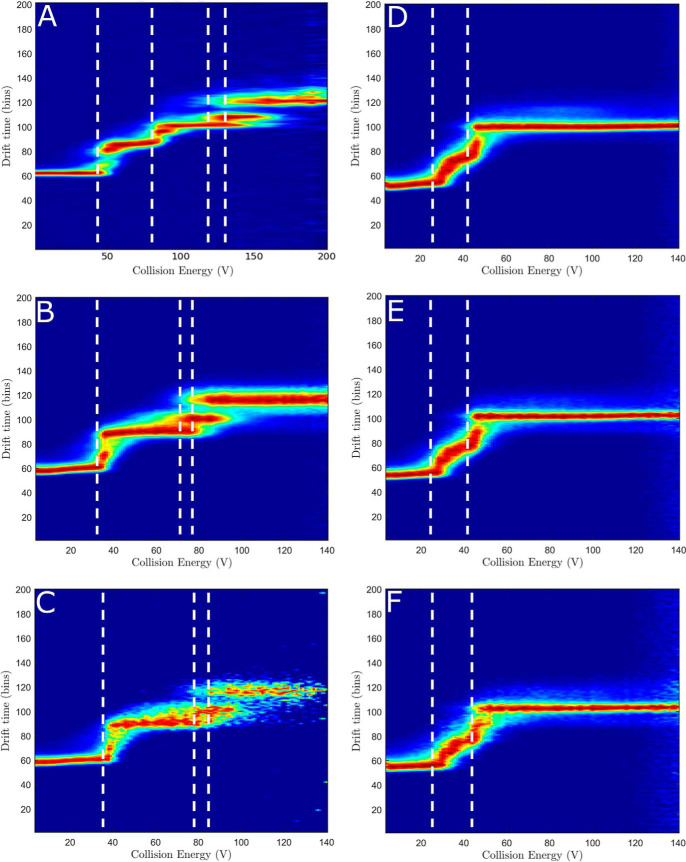
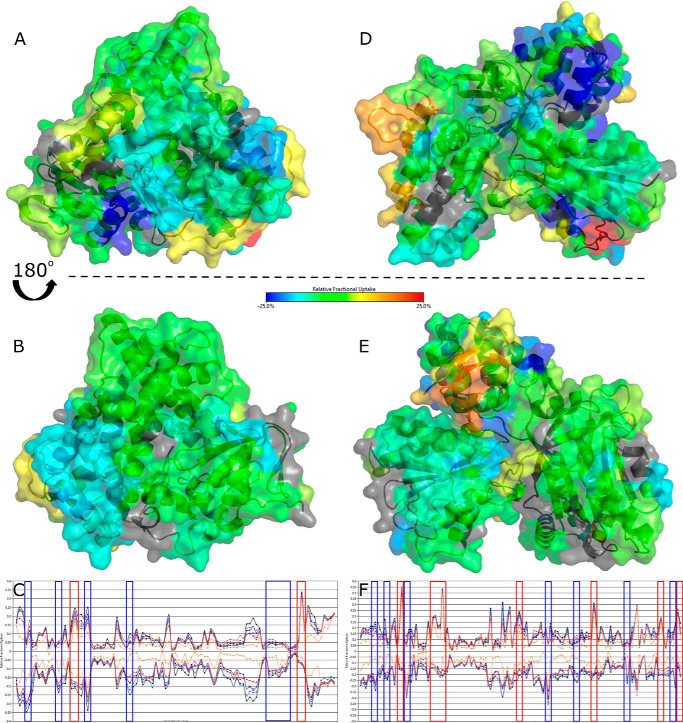
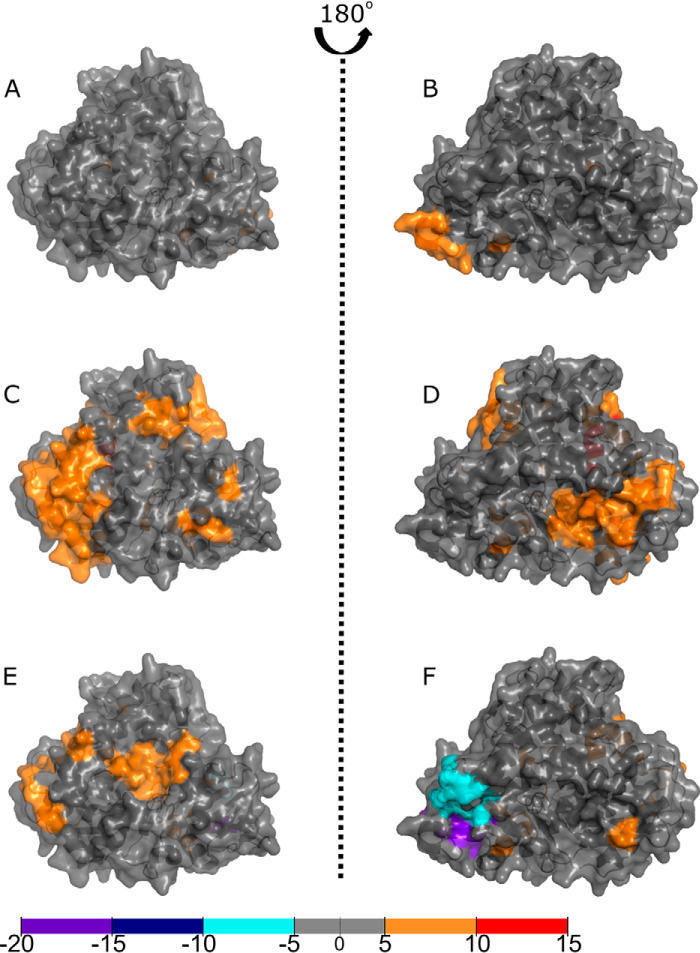
The cytochrome P450 monooxygenase P450 BM3 (BM3) is a biotechnologically important and versatile enzyme capable of producing important compounds such as the medical drugs pravastatin and artemether, and the steroid hormone testosterone. BM3 is a natural fusion enzyme comprising two major domains: a cytochrome P450 (heme-binding) catalytic domain and a NADPH-cytochrome P450 reductase (CPR) domain containing FAD and FMN cofactors in distinct domains of the CPR. A crystal structure of full-length BM3 enzyme is not available in its monomeric or catalytically active dimeric state. In this study, we provide detailed insights into the protein-protein interactions that occur between domains in the BM3 enzyme and characterize molecular interactions within the BM3 dimer by using several hybrid mass spectrometry (MS) techniques, namely native ion mobility MS (IM-MS), collision-induced unfolding (CIU), and hydrogen-deuterium exchange MS (HDX-MS). These methods enable us to probe the structure, stoichiometry, and domain interactions in the ∼240 kDa BM3 dimeric complex. We obtained high-sequence coverage (88-99%) in the HDX-MS experiments for full-length BM3 and its component domains in both the ligand-free and ligand-bound states. We identified important protein interaction sites, in addition to sites corresponding to heme-CPR domain interactions at the dimeric interface. These findings bring us closer to understanding the structure and catalytic mechanism of P450 BM3.
细胞色素 P450 单加氧酶 P450 BM3(BM3)是一种具有生物技术重要性和多功能的酶,能够产生重要化合物,如药物普伐他汀和青蒿素,以及甾体激素睾酮。BM3 是一种天然融合酶,由两个主要结构域组成:一个细胞色素 P450(血红素结合)催化结构域和一个 NADPH-细胞色素 P450 还原酶(CPR)结构域,CPR 结构域中的 FAD 和 FMN 辅因子位于 CPR 的不同结构域中。目前还没有全长 BM3 酶在其单体或催化活性二聚体状态下的晶体结构。在这项研究中,我们通过使用几种混合质谱(MS)技术,即天然离子淌度 MS(IM-MS)、碰撞诱导解折叠(CIU)和氢氘交换 MS(HDX-MS),提供了关于 BM3 酶中结构域之间发生的蛋白质-蛋白质相互作用的详细见解,并对 BM3 二聚体中的分子相互作用进行了表征。这些方法使我们能够探测∼240 kDa BM3 二聚体复合物的结构、化学计量和结构域相互作用。我们在 HDX-MS 实验中获得了全长 BM3 及其组成结构域在配体结合和配体游离状态下的高序列覆盖率(88-99%)。我们确定了重要的蛋白质相互作用位点,除了二聚体界面处血红素-CPR 结构域相互作用的对应位点外。这些发现使我们更接近于理解 P450 BM3 的结构和催化机制。