Department of Laboratory Medicine, The First Affiliated Hospital of Chongqing Medical University, Chongqing, People's Republic of China.
NHC Key Laboratory of Diagnosis and Treatment on Brain Functional Diseases, The First Affiliated Hospital of Chongqing Medical University, Chongqing, People's Republic of China.
Drug Des Devel Ther. 2020 Mar 31;14:1279-1294. doi: 10.2147/DDDT.S229145. eCollection 2020.
Depression is a highly prevalent mental illness that severely impacts the quality of life of affected individuals. Our recent studies demonstrated that diterpene ginkgolides (DG) have antidepressant effects in mice. However, the underlying molecular mechanisms remained much unclear.
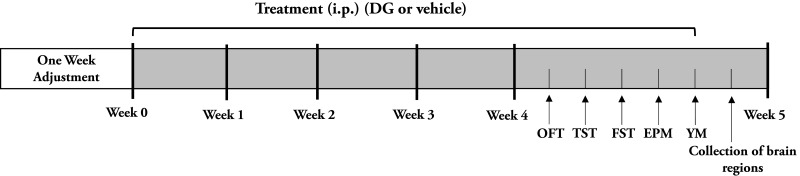
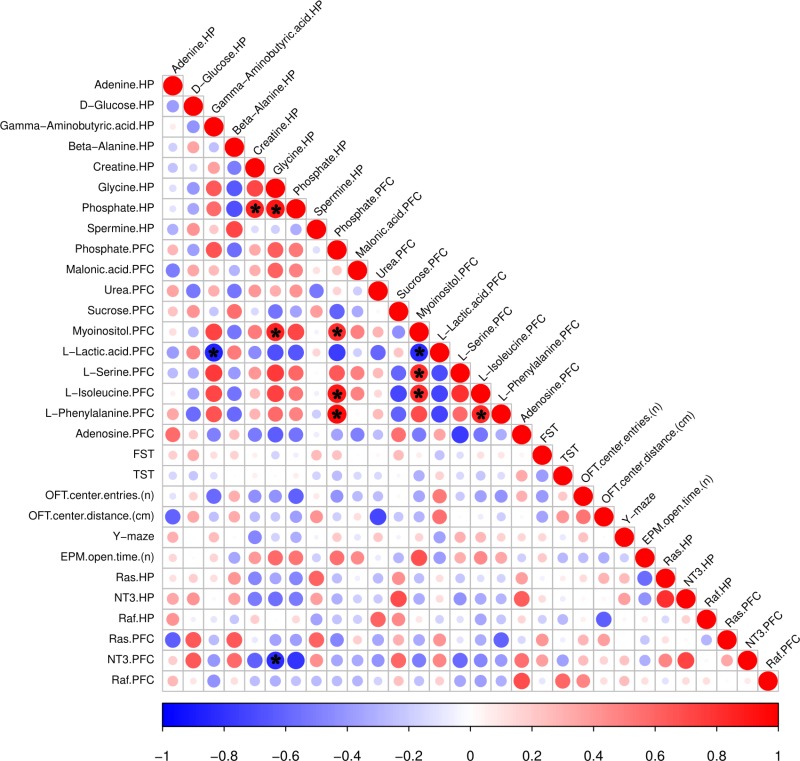
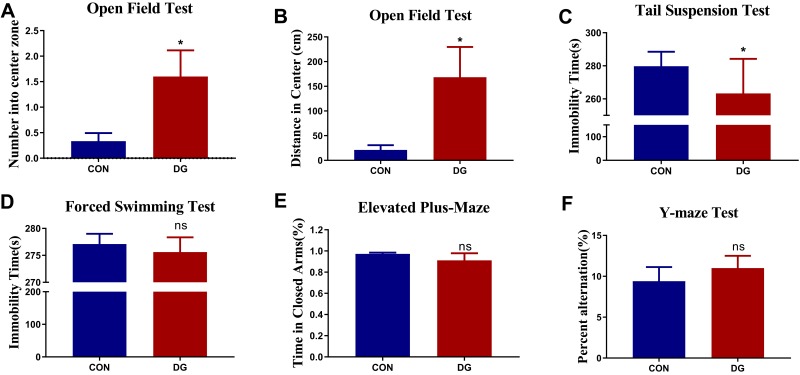
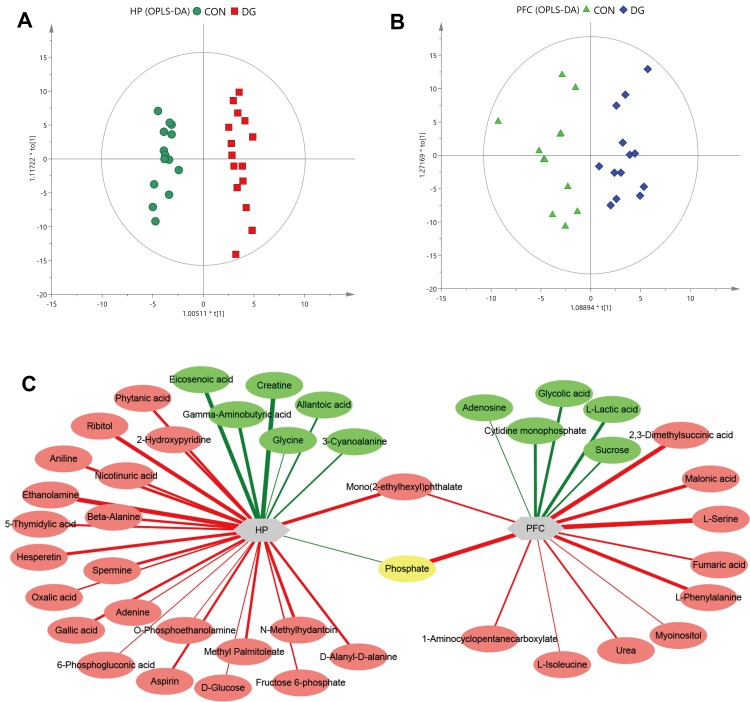
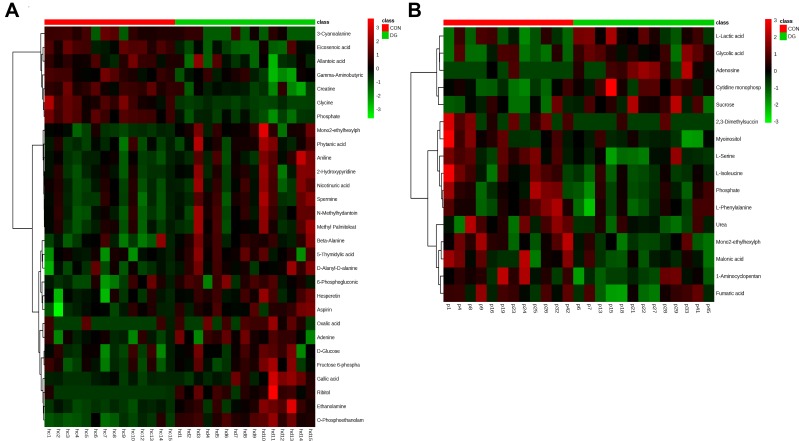
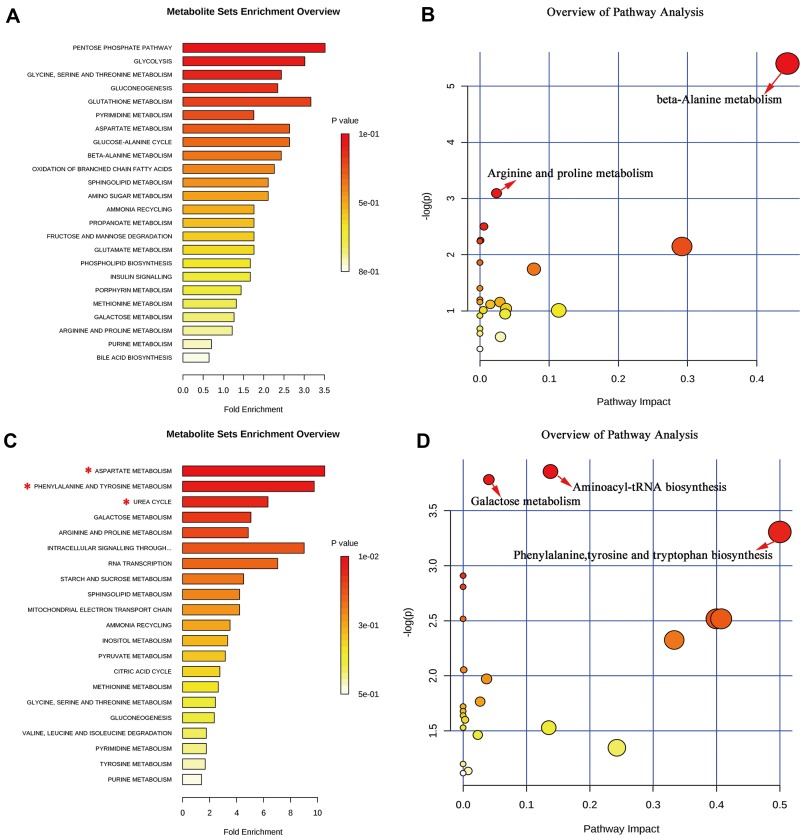
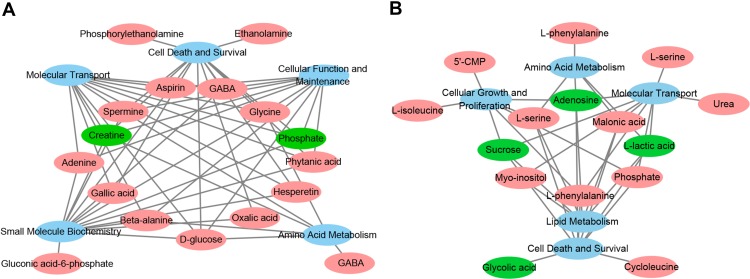
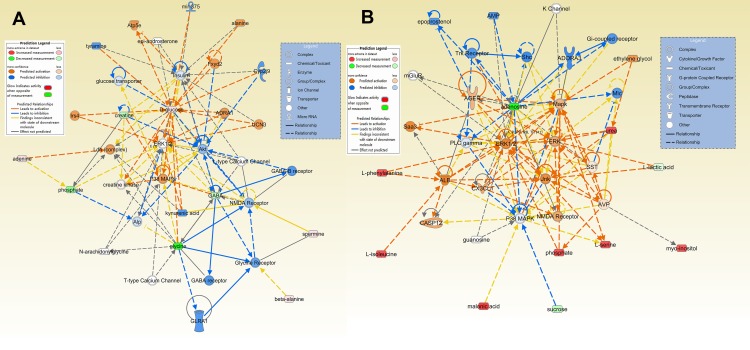
In this study, we assessed the antidepressant effects of chronic DG therapy in rats by evaluating depression-related behaviors, we also examined potential side effects using biochemical indicators. Furthermore, we performed an in-depth molecular network analysis of gene-protein-metabolite interactions on the basis of metabolomics.
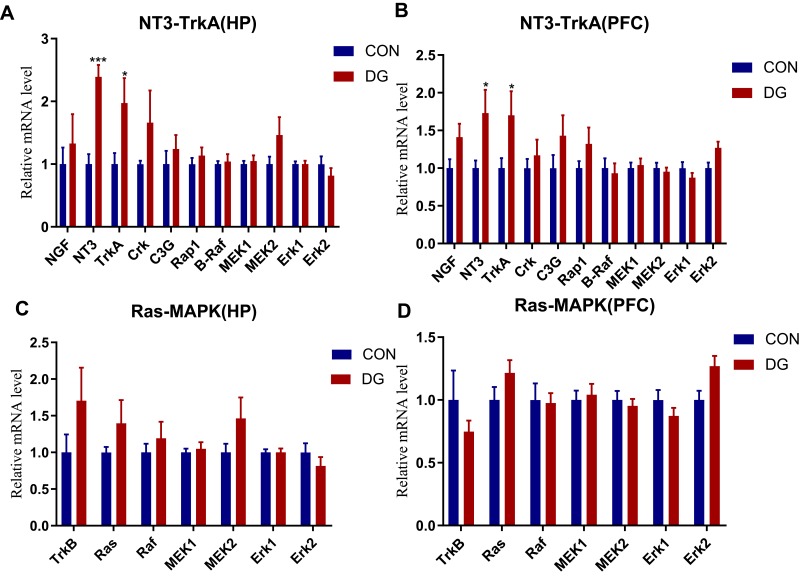
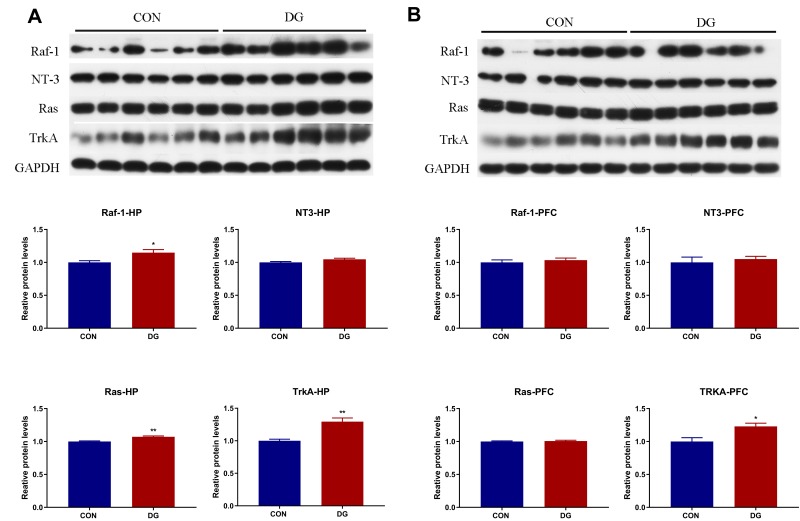
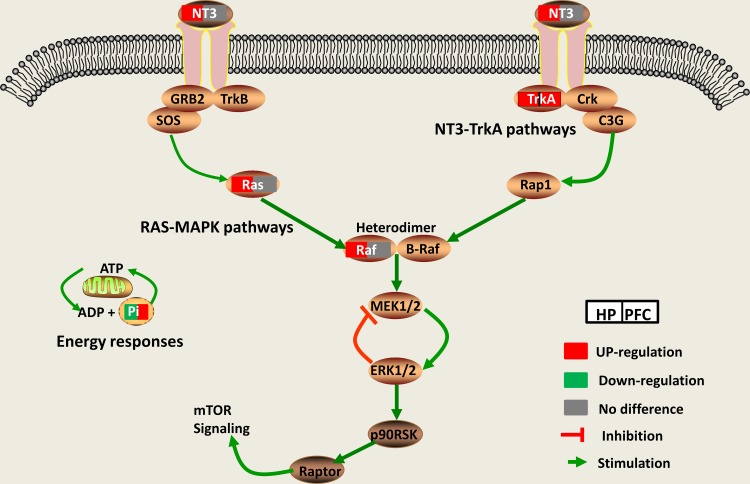
Chronic DG treatment significantly ameliorated the depressive-like behavioral phenotype. Furthermore, the neurotrophin signaling-related NT3-TrkA and Ras-MAPK pathways may play an important role in the antidepressant effect of DG in the hippocampus.
These findings provide novel insight into the mechanisms underlying the antidepressant action of DG, and should help advance the development of new therapeutic strategies for depression.
抑郁症是一种高发的精神疾病,严重影响患者的生活质量。我们最近的研究表明,二萜银杏内酯(DG)在小鼠中具有抗抑郁作用。然而,其潜在的分子机制仍不清楚。
在这项研究中,我们通过评估与抑郁相关的行为来评估 DG 慢性治疗在大鼠中的抗抑郁作用,我们还使用生化指标检查了潜在的副作用。此外,我们基于代谢组学对基因-蛋白-代谢物相互作用进行了深入的分子网络分析。
DG 慢性治疗可显著改善抑郁样行为表型。此外,神经生长因子信号相关的 NT3-TrkA 和 Ras-MAPK 通路可能在 DG 对海马体的抗抑郁作用中发挥重要作用。
这些发现为 DG 的抗抑郁作用机制提供了新的见解,并应有助于推进抑郁症新治疗策略的发展。