Mirzaei Hossein, Abdi Zhaleh, Ahmadnezhad Elham, Gohrimehr Mahshad, Abdalmaleki Elham, Alvandi Rezvaneh, Harirchi Iraj
HIV/STI Surveillance Research Center, WHO Collaborating Center for HIV Surveillance, Institute for Futures Studies in Health, Kerman University of Medical Sciences, Kerman, Iran.
National Institute for Health Research (NIHR), Tehran University of Medical Sciences, Tehran, Iran.
Iran J Public Health. 2020 Jan;49(1):86-95.
The aim of this study was to evaluate the health status of the Iranians following the sustainable development goals' (SDGs) introduction and the recent health reform implementation in Iran and to compare with those of the Middle East and North Africa region (MENA) and global average.
This comparative study used secondary data to investigate socio-demographic and health status indicators. The sources included census, population-based surveys and death registries. Global and regional health status indicators were obtained from international databases including WHO, the World Bank and the Institute for Health Metric and Evaluation (IHME).
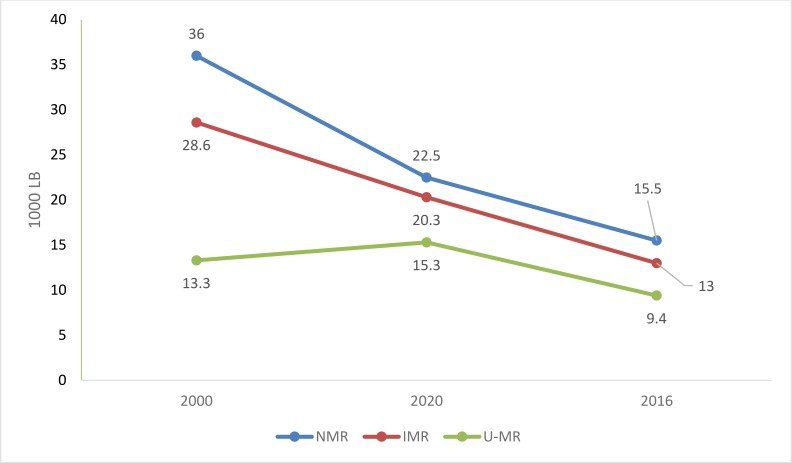
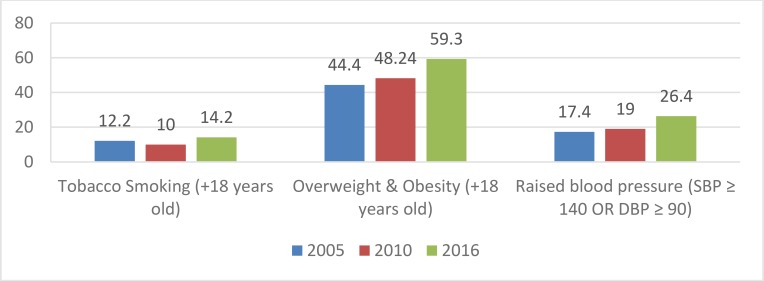
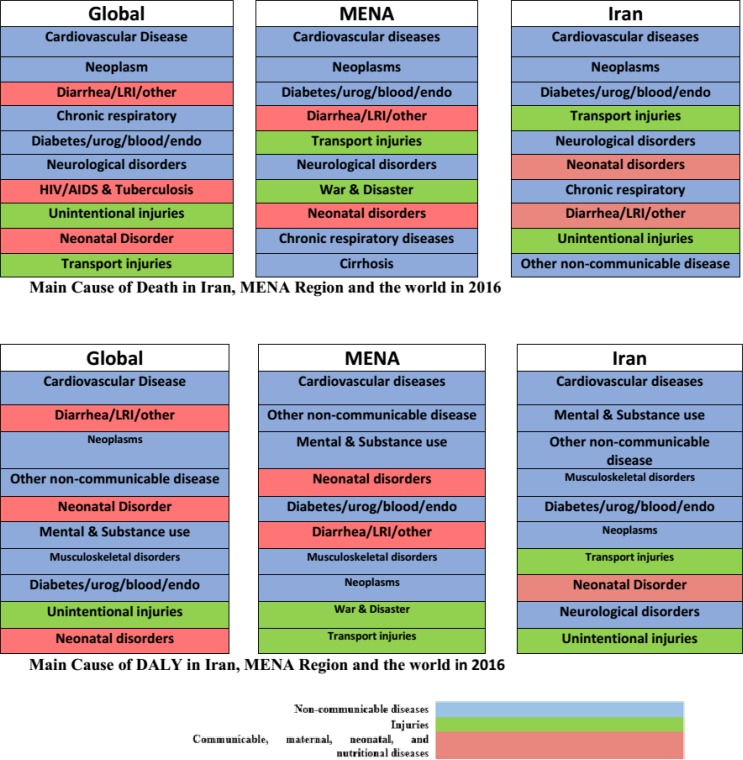
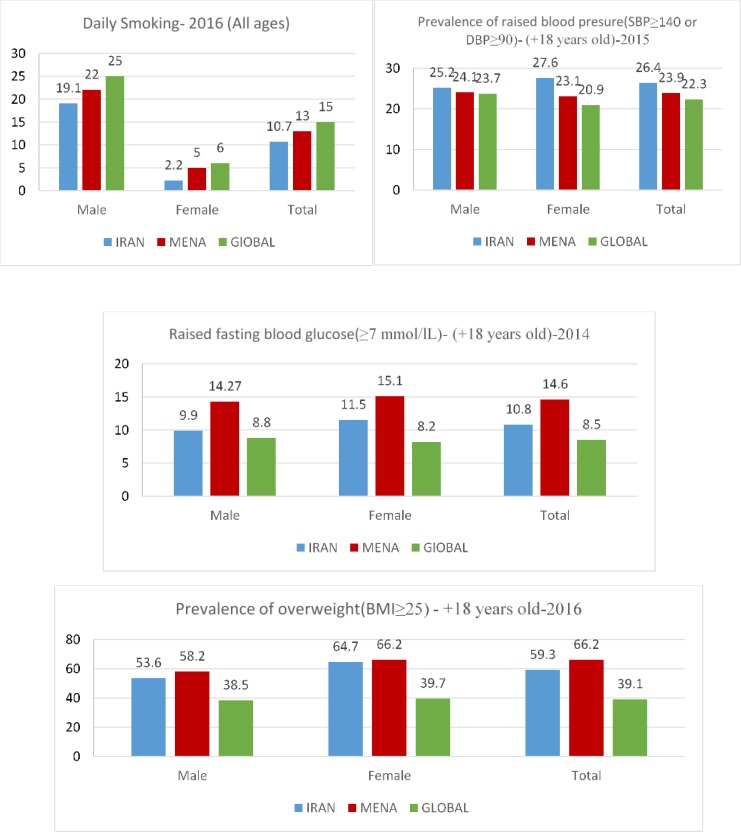
Life expectancy and human development index improved following the reform implementation. Among causes of death, 74.6% were attributed to non-communicable diseases (NCDs). There was an increasing trend in risk factors for NCDs in Iran, while at the same time neonatal, infant and under-5 mortality rates reduced. Compared to the MENA, Iran has a lower maternal mortality ratio, neonatal, infant, and under-5 mortality rates, and a higher life expectancy. NCDs and road traffic injuries accounted for a larger portion of disability-adjusted life years in Iran compared to the MENA and worldwide.
Actions against communicable diseases and road traffic injuries are required together with continued efforts to address NCDs. Although based on the results, Iran has relatively high rankings, there is a need to develop a roadmap to accelerate achieving global health goals and SDGs targets.
本研究旨在评估伊朗在引入可持续发展目标(SDGs)以及近期实施卫生改革之后民众的健康状况,并与中东和北非地区(MENA)以及全球平均水平进行比较。
本比较研究使用二手数据来调查社会人口统计学和健康状况指标。数据来源包括人口普查、基于人群的调查和死亡登记处。全球和区域健康状况指标来自包括世界卫生组织(WHO)、世界银行和健康指标与评估研究所(IHME)在内的国际数据库。
改革实施后,预期寿命和人类发展指数有所提高。在死因中,74.6%归因于非传染性疾病(NCDs)。伊朗非传染性疾病的危险因素呈上升趋势,与此同时,新生儿、婴儿和5岁以下儿童死亡率有所下降。与中东和北非地区相比,伊朗的孕产妇死亡率、新生儿、婴儿和5岁以下儿童死亡率较低,预期寿命较高。与中东和北非地区以及全球相比,非传染性疾病和道路交通伤害在伊朗残疾调整生命年中所占比例更大。
在持续努力应对非传染性疾病的同时,需要采取针对传染病和道路交通伤害的行动。尽管根据结果来看,伊朗排名相对较高,但仍需要制定路线图以加速实现全球卫生目标和可持续发展目标。