Division of Cardiology, Department of Internal Medicine, Tri-Service General Hospital, National Defense Medical Center, Taipei, Taiwan.
Institute of Microbiology and Immunology, National Yang-Ming University, Taipei, Taiwan.
Sci Rep. 2020 Apr 22;10(1):6805. doi: 10.1038/s41598-020-63311-1.
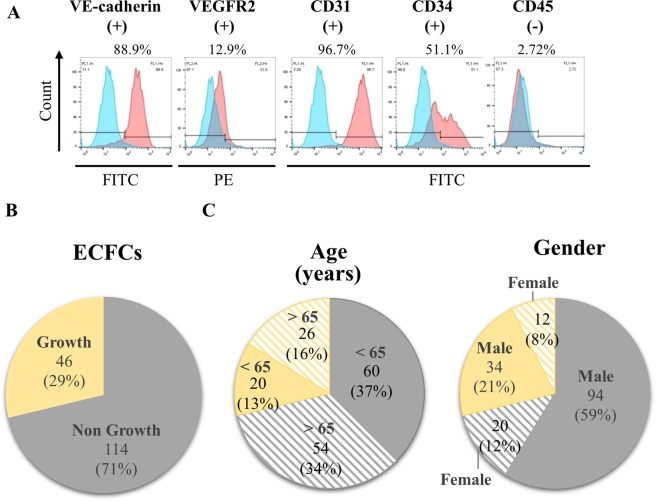
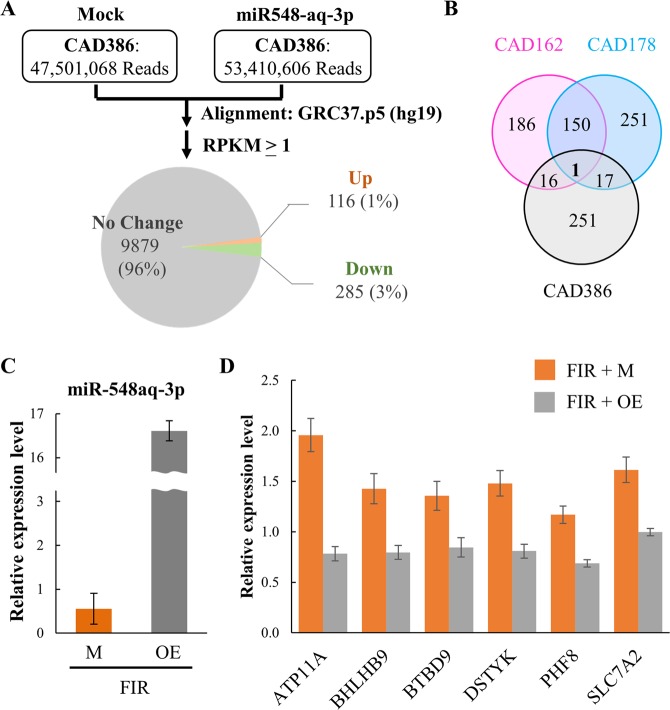
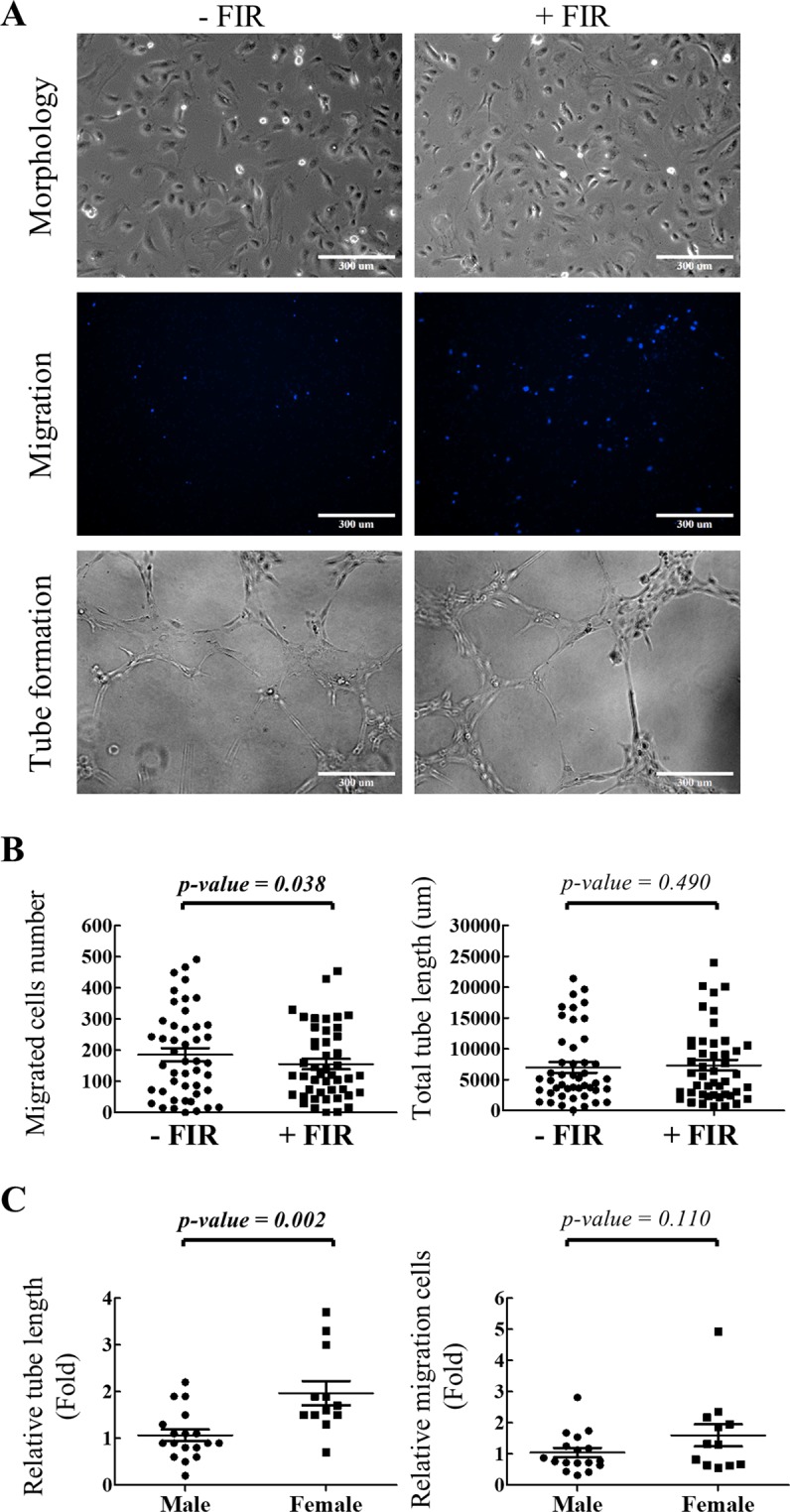
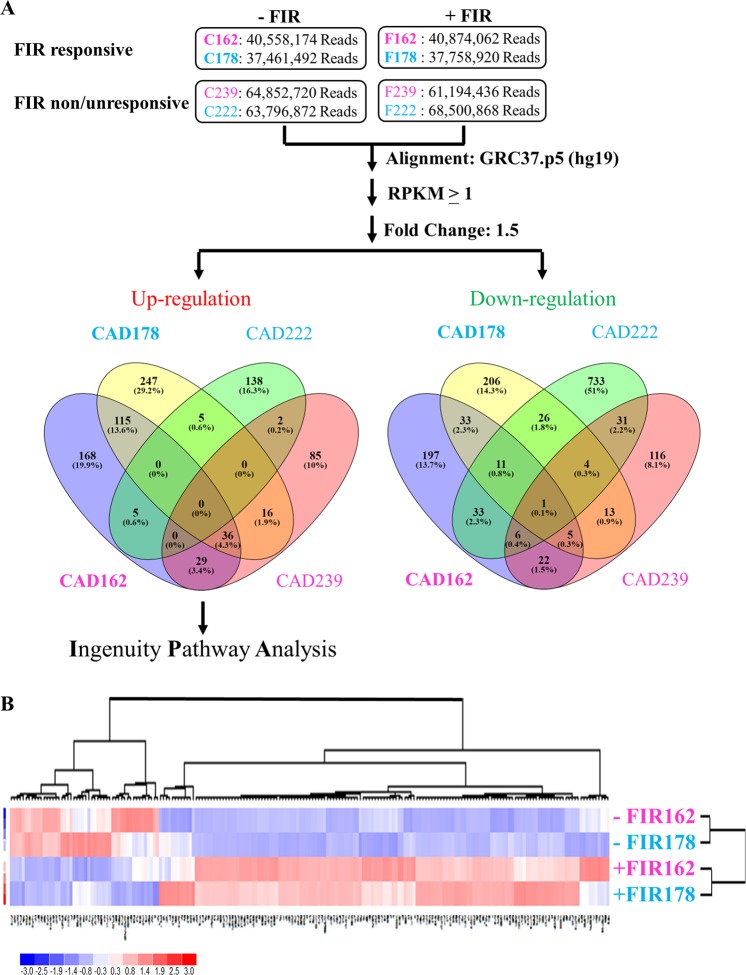
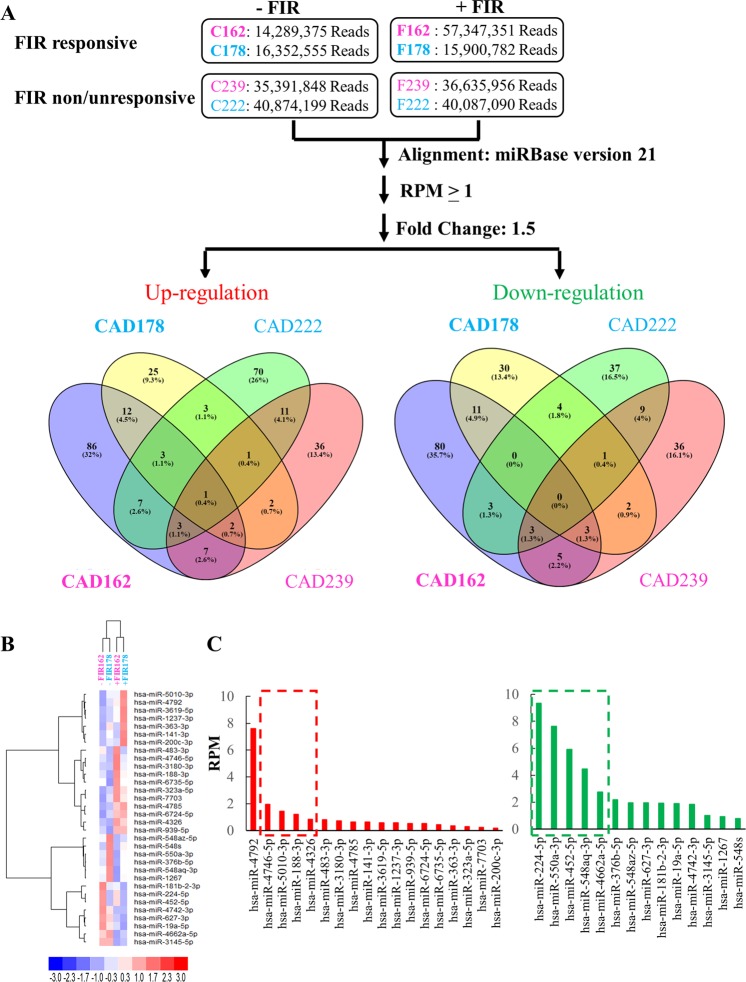
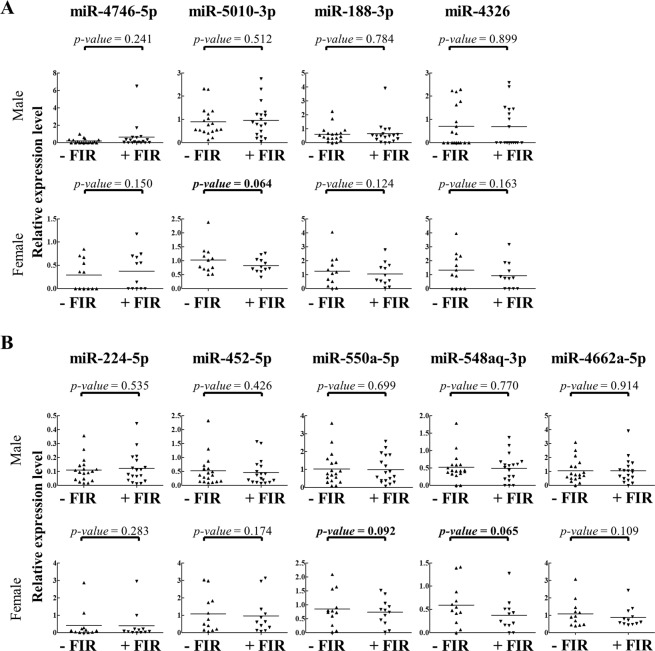
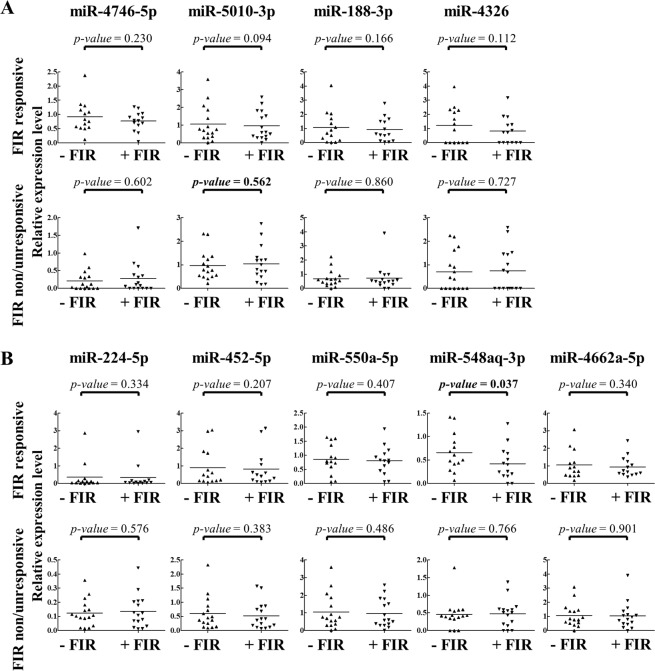
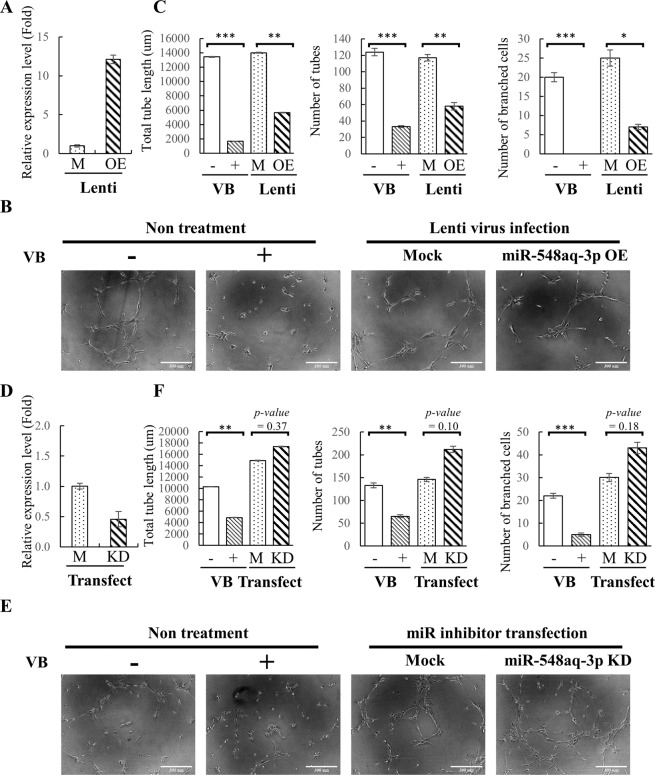
Non-invasive far infrared radiation (FIR) has been observed to improve the health of patients with coronary artery disease (CAD). Endothelial colony forming cells (ECFCs) contribute to vascular repair and CAD. The goal of this study was to uncover the role of FIR in ECFCs function and to reveal potential biomarkers for indication of FIR therapy in CAD patients. FIR significantly enhanced in vitro migration (transwell assay) and tube formation (tube length) capacities in a subpopulation of CAD ECFCs. Clinical parameters associated with the responsiveness of ECFCs to FIR include smoking and gender. ECFCs from CAD patients that smoke did not respond to FIR in most cases. In contrast, ECFCs from females showed a higher responsiveness to FIR than ECFCs from males. To decipher the molecular mechanisms by which FIR modulates ECFCs functions, regardless of sex, RNA sequencing analysis was performed in both genders of FIR-responsive and FIR-non/unresponsive ECFCs. Gene Ontology (GO) analysis of FIR up-regulated genes indicated that the pathways enriched in FIR-responsive ECFCs were involved in cell viability, angiogenesis and transcription. Small RNA sequencing illustrated 18 and 14 miRNAs that are up- and down-regulated, respectively, in FIR-responsive CAD ECFCs in both genders. Among the top 5 up- and down-regulated miRNAs, down-regulation of miR-548aq-3p in CAD ECFCs after FIR treatment was observed in FIR-responsive CAD ECFCs by RT-qPCR. Down-regulation of miR-548aq-3p was correlated with the tube formation activity of CAD ECFCs enhanced by FIR. After establishment of the down-regulation of miR-548aq-3p by FIR in CAD ECFCs, we demonstrated through overexpression and knockdown experiments that miR-548aq-3p contributes to the inhibition of the tube formation of ECFCs. This study suggests the down-regulation of miR-548aq-3p by FIR may contribute to the improvement of ECFCs function, and represents a novel biomarker for therapeutic usage of FIR in CAD patients.
非侵入性远红外辐射(FIR)已被观察到可改善冠心病(CAD)患者的健康。内皮祖细胞(ECFCs)有助于血管修复和 CAD。本研究的目的是揭示 FIR 对 ECFC 功能的作用,并揭示潜在的生物标志物,以指示 CAD 患者的 FIR 治疗。FIR 显著增强了 CAD ECFC 亚群的体外迁移(transwell 测定)和管状形成(管长度)能力。与 ECFC 对 FIR 反应相关的临床参数包括吸烟和性别。在大多数情况下,来自吸烟 CAD 患者的 ECFC 对 FIR 无反应。相比之下,来自女性的 ECFC 对 FIR 的反应性高于来自男性的 ECFC。为了解释 FIR 调节 ECFC 功能的分子机制,无论性别如何,均对 FIR 反应性和 FIR 非/无反应性 ECFCs 的两性进行了 RNA 测序分析。FIR 上调基因的基因本体论(GO)分析表明,在 FIR 反应性 ECFCs 中富集的途径涉及细胞活力,血管生成和转录。小 RNA 测序表明,在两性中,FIR 反应性 CAD ECFCs 中分别上调和下调了 18 个和 14 个 miRNA。在 top 5 上调和下调 miRNA 中,在 FIR 反应性 CAD ECFCs 中观察到 miR-548aq-3p 在 FIR 处理后的下调。miR-548aq-3p 的下调与 FIR 增强的 CAD ECFC 管状形成活性相关。在 FIR 在 CAD ECFCs 中下调 miR-548aq-3p 后,我们通过过表达和敲低实验证明,miR-548aq-3p 有助于抑制 ECFCs 的管状形成。本研究表明,FIR 下调 miR-548aq-3p 可能有助于改善 ECFC 功能,并代表 FIR 在 CAD 患者中治疗用途的新型生物标志物。