Tarkhan Amneh H, Saleh Khaled M M, Al-Zghoul Mohammad Borhan
Department of Applied Biological Sciences, Faculty of Science and Arts, Jordan University of Science and Technology, P.O. Box 3030, Irbid 22110, Jordan.
Department of Basic Medical Veterinary Sciences, Faculty of Veterinary Medicine, Jordan University of Science and Technology, P.O. Box 3030, Irbid 22110, Jordan.
Vet Sci. 2020 Apr 22;7(2):49. doi: 10.3390/vetsci7020049.
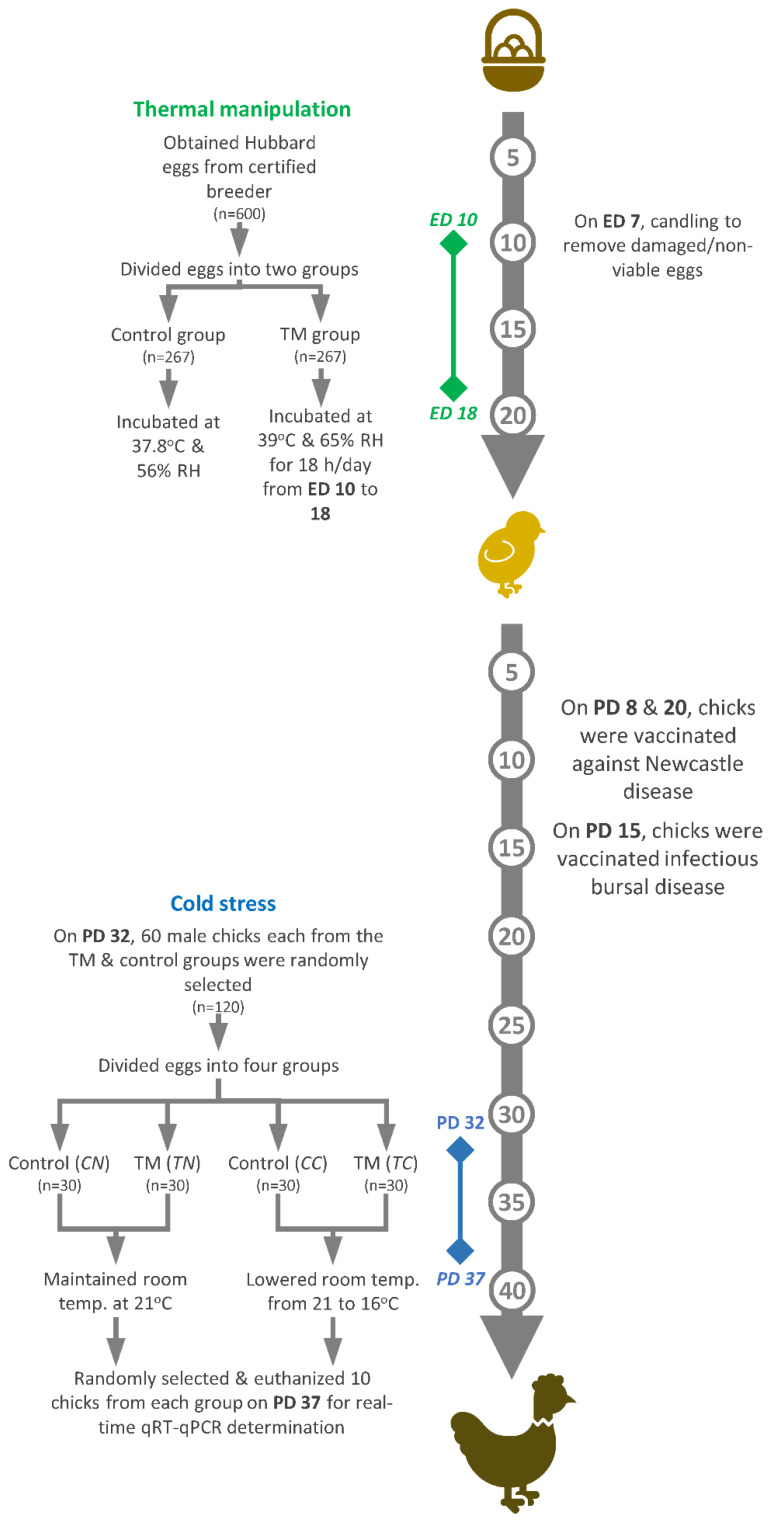
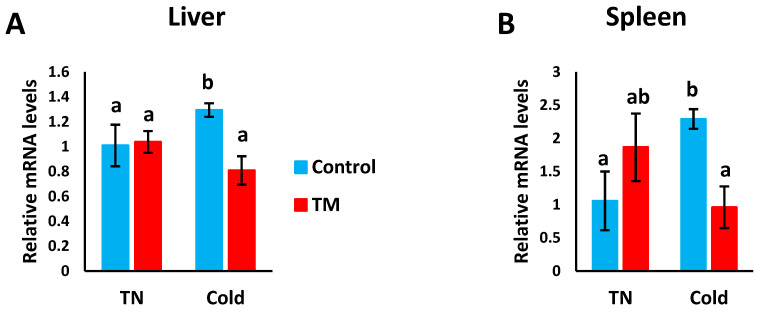
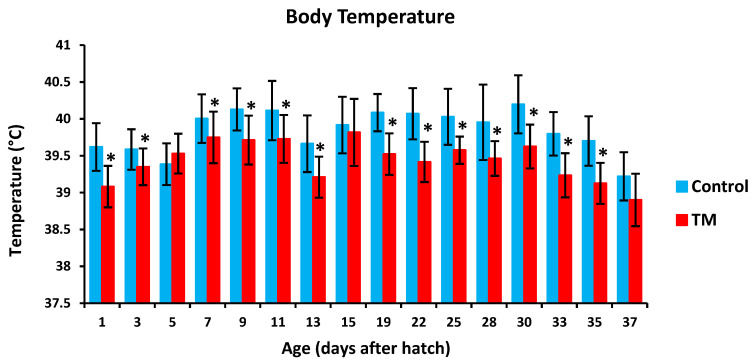
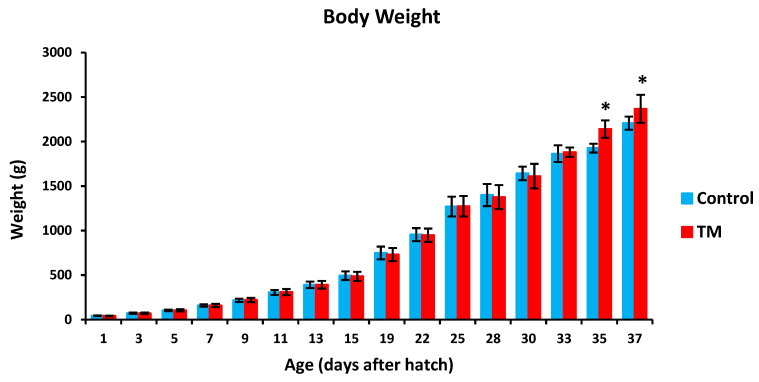
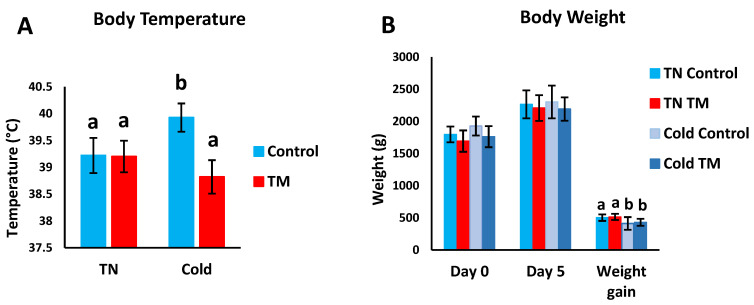
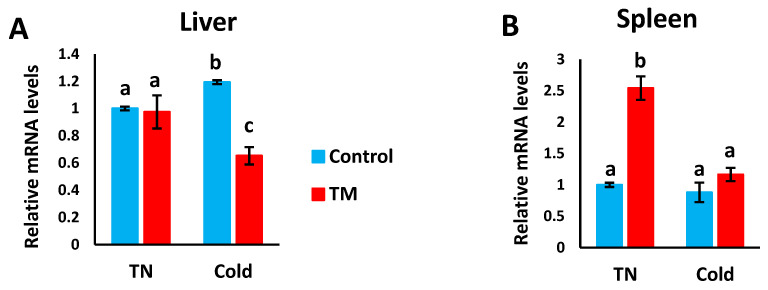
Decades of selective breeding for commercial purposes have rendered the broiler chicken () highly susceptible to heat and cold stress. A multitude of studies have documented the effects of thermal manipulation (TM) on broiler thermotolerance during periods of post-hatch heat stress, but very few have focused on the effect of TM on a broiler's ability to withstand cold stress. Therefore, the primary objective of the current study is to determine the effects of TM on the acquisition of thermotolerance in broilers via their expression of the stress-associated 70 kilodalton heat shock protein () gene and heat shock factor 3 () gene. Briefly, Hubbard broiler embryos were subject to TM by increasing the incubation temperature to 39 °C and 65% relative humidity (RH) for 18 h daily, from embryonic days (ED) 10 to 18. Broilers were then exposed to cold stress by decreasing the room temperature to 16 °C during post-hatch days 32 to 37. After thermal challenge, broilers were euthanized and hepatic and splenic tissues were collected. Our results showed that TM decreased the hatchability rate and body temperature but improved the body weight gain. TM generally decreased the hepatic expression but did not change the splenic expression of during cold stress. In contrast, both hepatic and splenic expression decreased during cold stress. The results of the present study may suggest that TM significantly affects a broiler's genetic response to cold stress.
几十年来,出于商业目的的选择性育种使肉鸡极易受到热应激和冷应激的影响。众多研究记录了热调控(TM)对孵化后热应激期间肉鸡耐热性的影响,但很少有研究关注TM对肉鸡抵御冷应激能力的影响。因此,本研究的主要目的是通过应激相关的70千道尔顿热休克蛋白()基因和热休克因子3()基因的表达来确定TM对肉鸡耐热性获得的影响。简而言之,从胚胎第10天到第18天,将哈伯德肉鸡胚胎每天在39°C和65%相对湿度(RH)下进行18小时的热调控处理。然后在孵化后第32天到第37天,将室温降至16°C,使肉鸡暴露于冷应激中。热应激挑战后,对肉鸡实施安乐死并收集肝脏和脾脏组织。我们的结果表明,热调控降低了孵化率和体温,但提高了体重增加。在冷应激期间,热调控一般会降低肝脏中的表达,但不会改变脾脏中的表达。相比之下,在冷应激期间,肝脏和脾脏中的表达均下降。本研究结果可能表明,热调控显著影响肉鸡对冷应激的基因反应。