Marengo Ricardo, Ortega Martell José A, Esposito Susanna
ENT and Audiology Department of CEMIC Surgery Department, University Institute CEMIC, Valdenegro, Buenos Aires, Argentina.
Department of Immunology, Universidad Autónoma del Estado de Hidalgo, Pachuca, Hidalgo, Mexico.
Infect Dis Ther. 2020 Jun;9(2):275-290. doi: 10.1007/s40121-020-00289-3. Epub 2020 Apr 24.
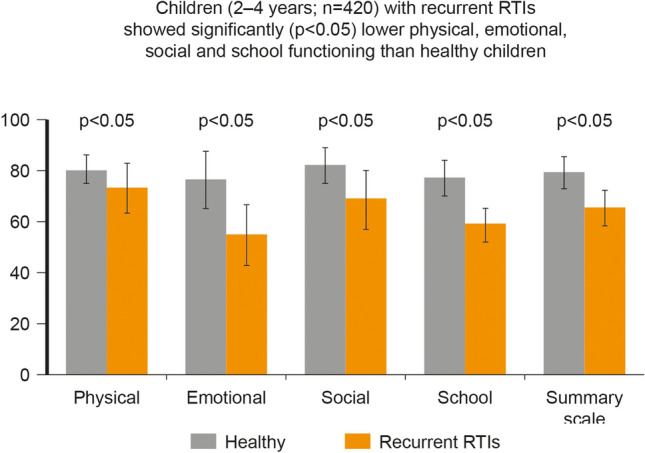
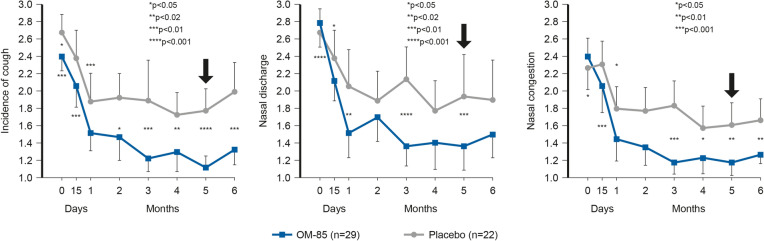
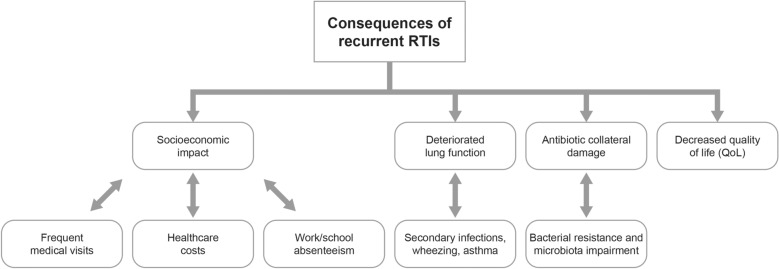
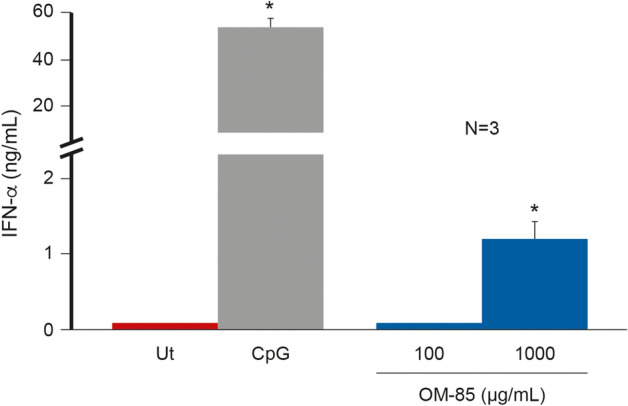
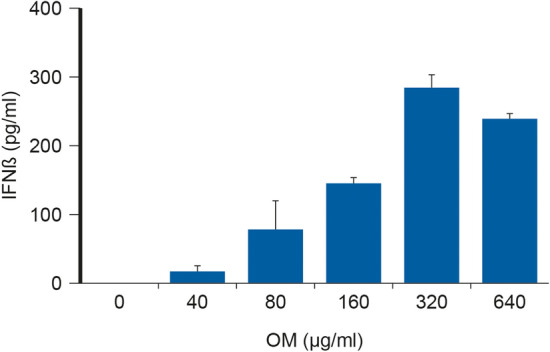
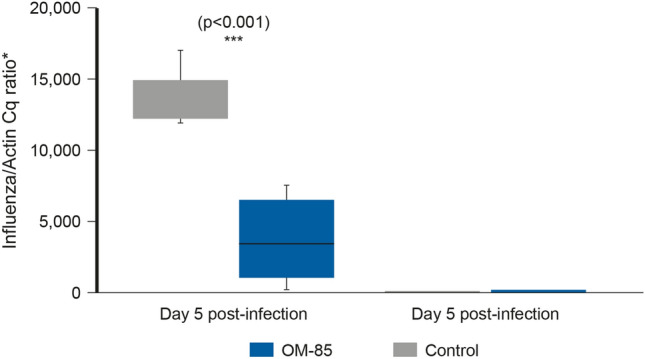
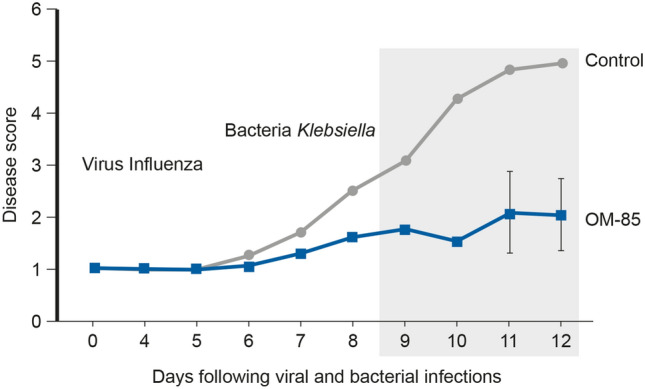
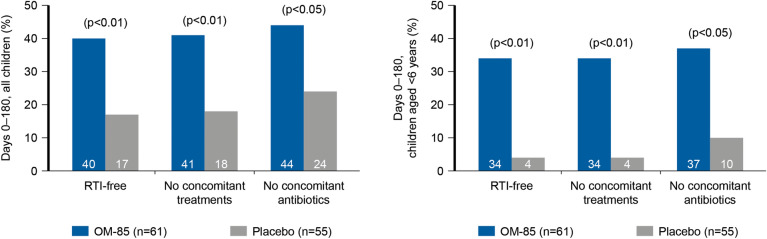
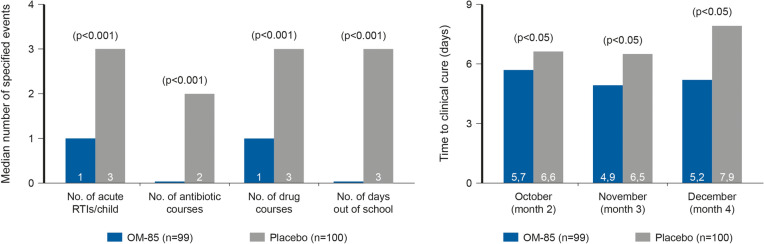
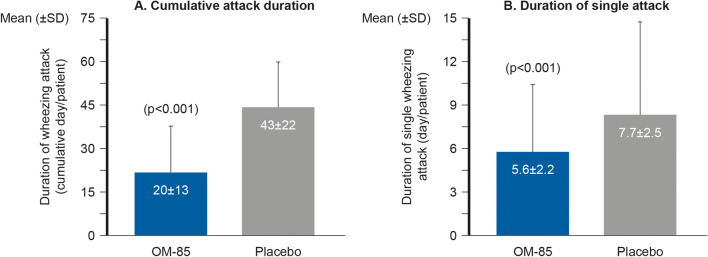
Recurrent respiratory tract infections (rRTIs), of which there are three main groups-otitis media, tonsillitis and sinusopathies-are very common in paediatric populations and are associated with significant morbidity and mortality due to complications. These infections substantially reduce quality of life for paediatric patients and their families and are a significant personal, medical and economic burden on the patients, the patients' families and the healthcare system. Most rRTIs are of viral origin; however, indiscriminate use of antibiotics in their treatment has led to development of bacterial resistance. Effective management of rRTIs to reduce the burden of disease and to avoid overuse of antibiotics has become a great therapeutic challenge. New strategies for the management of paediatric rRTIs include focus on prevention using non-specific immunomodulators to boost the body's natural defences against infection and to downregulate infection- and allergen-induced airway inflammation. The oral immunomodulator, OM-85, a bacterial lysate, acts on the innate and adaptive branches of the immune system, conferring protection against viral and bacterial infections, and controls inflammation, thereby reducing tissue damage. OM-85 has demonstrated good tolerability and clinical efficacy in reducing the number and duration of RTIs in children with recurrent airway infections. It has also been reported to reduce the use of concomitant medications, including antibiotics, time to cure and school absenteeism. OM-85 is efficacious and well tolerated when administered concomitantly with inactivated influenza vaccine (IIV) and has been shown to reduce wheezing attacks induced by RTI in young children. Clinical results show that the greater the risk of rRTIs, the greater the benefit with OM-85. OM-85 may be considered a promising tool to add to the limited armamentarium of the ear, nose and throat (ENT) physician dealing with rRTIs and their complications, such as recurrent wheeze and asthma inception.
反复呼吸道感染(rRTIs)主要分为三组——中耳炎、扁桃体炎和鼻窦病,在儿科人群中非常常见,并且由于并发症会导致显著的发病率和死亡率。这些感染极大地降低了儿科患者及其家庭的生活质量,给患者、患者家庭和医疗系统带来了巨大的个人、医疗和经济负担。大多数rRTIs起源于病毒;然而,在其治疗中滥用抗生素已导致细菌耐药性的产生。有效管理rRTIs以减轻疾病负担并避免抗生素的过度使用已成为一项巨大的治疗挑战。儿科rRTIs的新管理策略包括注重使用非特异性免疫调节剂进行预防,以增强身体对感染的天然防御并下调感染和过敏原诱导的气道炎症。口服免疫调节剂OM-85是一种细菌裂解物,作用于免疫系统的先天性和适应性分支,提供针对病毒和细菌感染的保护,并控制炎症,从而减少组织损伤。OM-85在减少反复气道感染儿童的呼吸道感染次数和持续时间方面已显示出良好的耐受性和临床疗效。据报道,它还减少了包括抗生素在内的伴随药物的使用、治愈时间和缺课天数。与灭活流感疫苗(IIV)同时给药时,OM-85有效且耐受性良好,并已显示可减少幼儿因rRTIs引起的喘息发作。临床结果表明,rRTIs风险越高,使用OM-85的获益就越大。对于处理rRTIs及其并发症(如反复喘息和哮喘初发)的耳鼻喉科(ENT)医生而言,OM-85可被视为一种有前景的工具,可补充其有限的治疗手段。