Yu Lan, Nagai Yukari
School of Knowledge Science, Japan Advanced Institute of Science and Technology, Ishikawa, Nomi City 9231211, Japan.
Healthcare (Basel). 2020 Apr 24;8(2):109. doi: 10.3390/healthcare8020109.
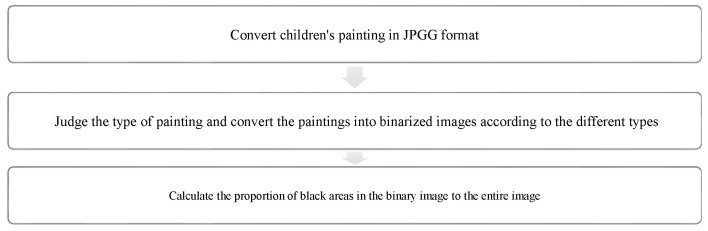
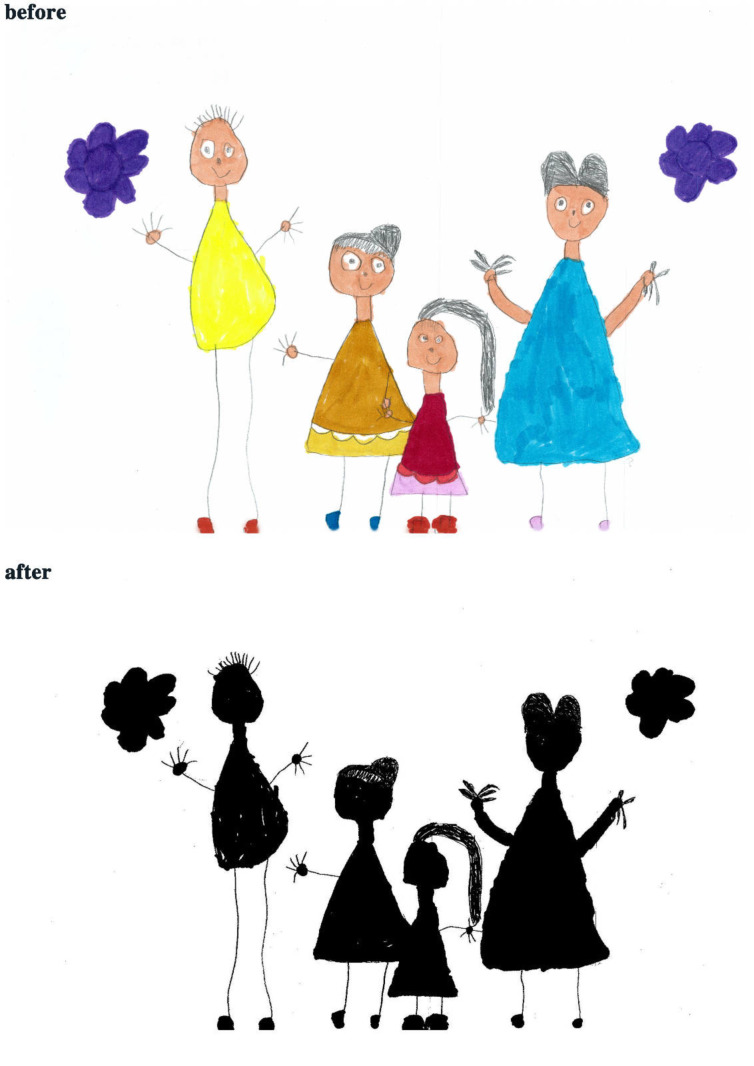
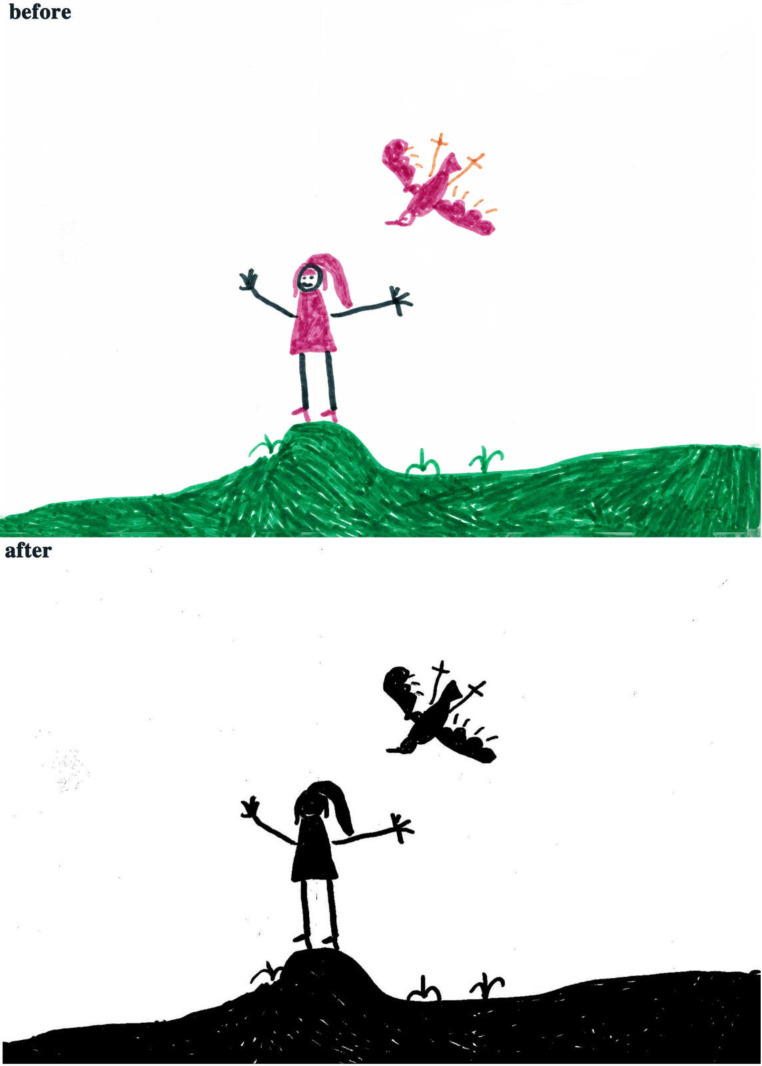
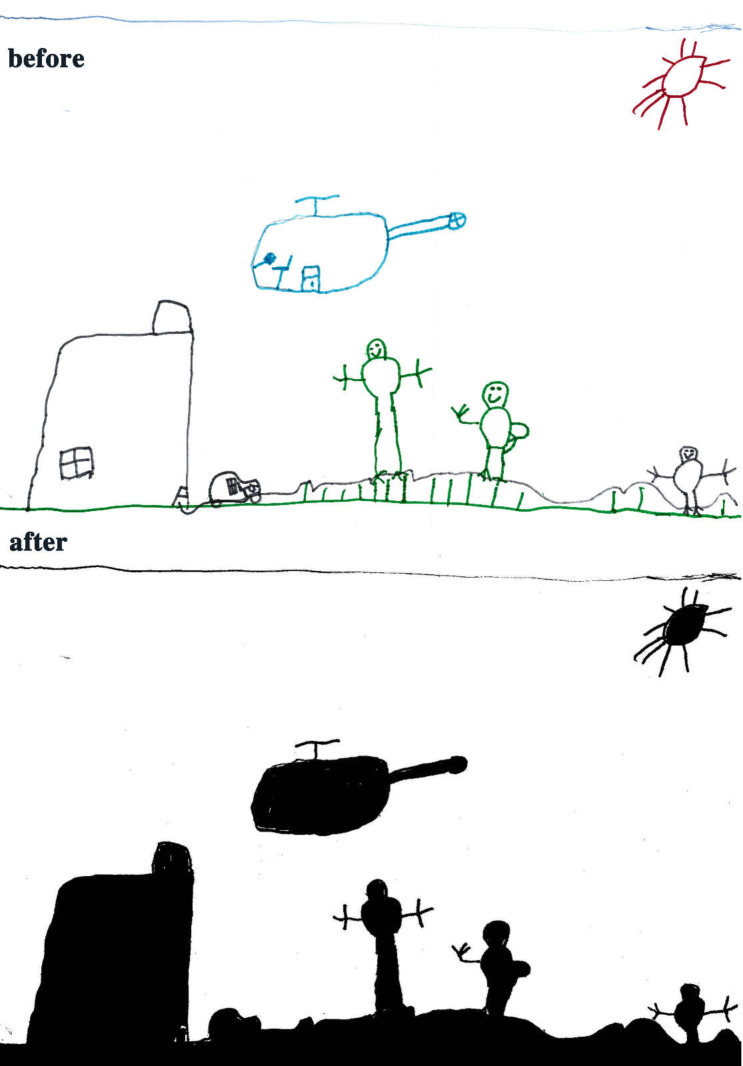
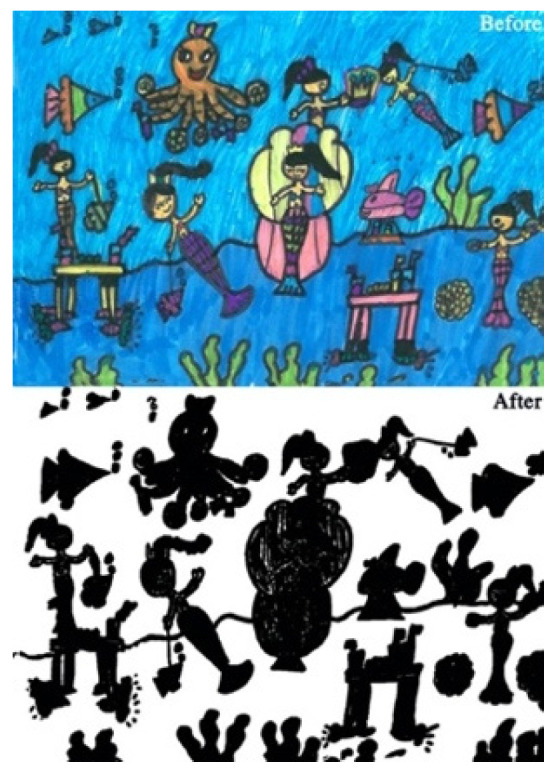
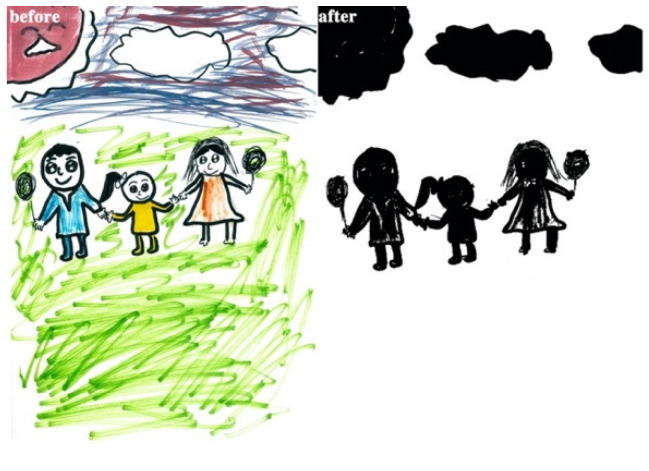
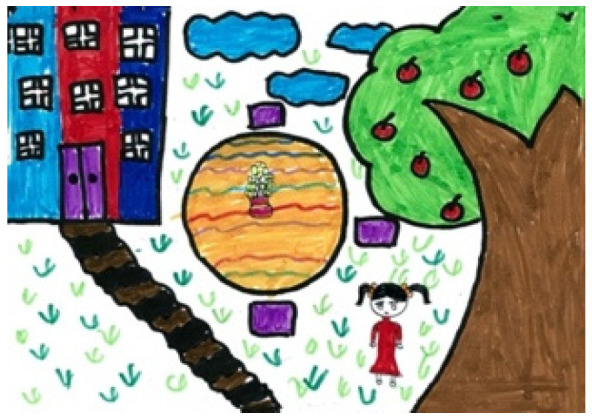
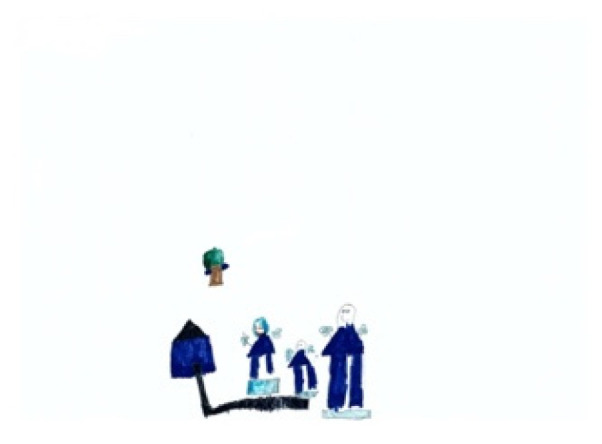
Children's paintings reflect their growth environments and psychological conditions, and these growth environments represent children's family and educational environments in primary schools. The characteristics of these paintings change as children grow, and children's expressiveness in the paintings also improves. Children's paintings are a representation of their perceptions of things; children transform their perceptions into images that can be understood and observed by people. This research studies the growth characteristics of children based on professional painting techniques. A digital image analysis method was used to analyze the painting techniques of children aged between 7 and 13. The growth characteristics of the different age groups were combined to analyze the representative characteristics of children's paintings at different ages. Lastly, the results of part of a questionnaire survey were used to assist in studying these characteristics. Analysis of these paintings shows that children have a poor ability to control the scale of the objects. Furthermore, the details of the objects are ignored, and children have a poor imitation ability. Young children have lower spatial cognitive abilities than older children, and girls prefer to participate in painting more than boys.
儿童绘画反映了他们的成长环境和心理状况,而这些成长环境代表了儿童在小学阶段的家庭和教育环境。随着儿童的成长,这些绘画的特点会发生变化,儿童在绘画中的表现力也会提高。儿童绘画是他们对事物认知的一种体现;儿童将他们的认知转化为人们能够理解和观察到的图像。本研究基于专业绘画技巧来研究儿童的成长特点。采用数字图像分析方法对7至13岁儿童的绘画技巧进行分析。结合不同年龄组的成长特点来分析不同年龄段儿童绘画的代表性特征。最后,利用部分问卷调查结果来辅助研究这些特征。对这些绘画的分析表明,儿童控制物体比例的能力较差。此外,物体的细节被忽略,儿童的模仿能力也较差。幼儿的空间认知能力低于年长儿童,并且女孩比男孩更喜欢参与绘画。