Hemingway Jake F, Singh Niten, Starnes Benjamin W
Division of Vascular Surgery, Department of Surgery, University of Washington, Seattle, Wash.
Division of Vascular Surgery, Department of Surgery, University of Washington, Seattle, Wash.
J Vasc Surg. 2020 Aug;72(2):396-402. doi: 10.1016/j.jvs.2020.04.492. Epub 2020 Apr 30.
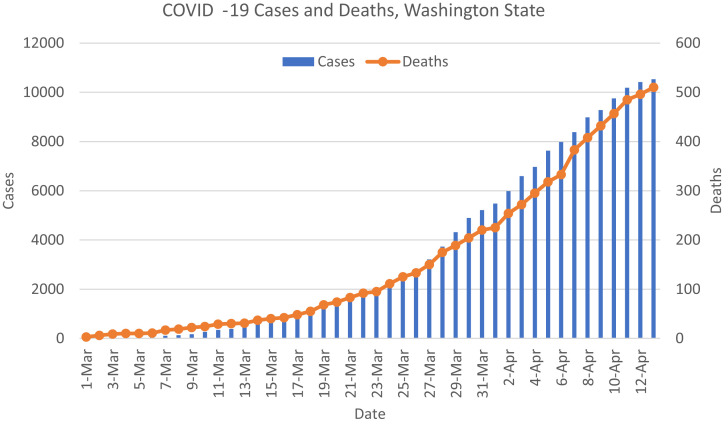
Ever since the first positive test was identified on January 21, 2020, Washington State has been on the frontlines of the coronavirus disease 2019 (COVID-19) pandemic. Using information obtained from Italian surgeons in Milan and given the concerns regarding the increasing case numbers in Washington State, we implemented new vascular surgery guidelines, which canceled all nonemergent surgical procedures and involved significant changes to our inpatient and outpatient workflow. The consequences of these decisions are not yet understood.
The vascular surgery division at Harborview Medical Center immediately instituted new vascular surgery COVID-19 practice guidelines on March 17, 2020. Subsequent clinic, operative, and consultation volume data were collected for the next 4 weeks and compared with the historical averages. The Washington State case and death numbers and University of Washington Medical Center (UW Medicine) hospital case volumes were collected from publicly available sources.
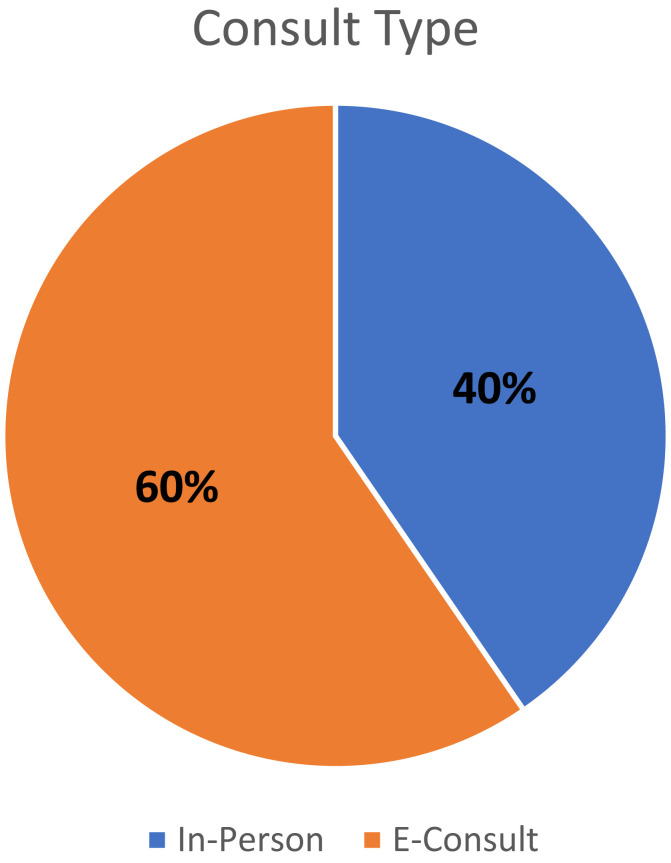
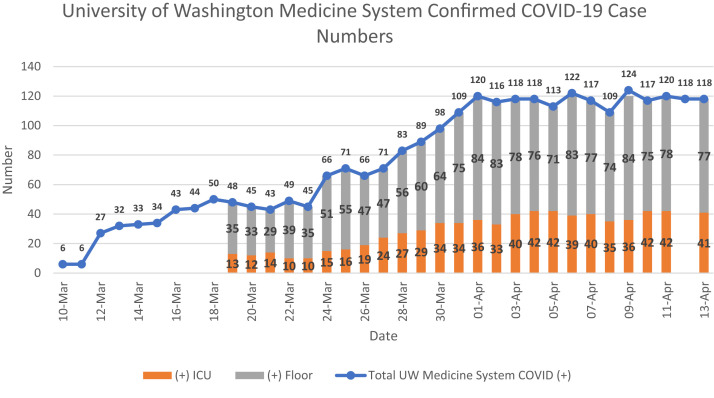
Since March 10, 2020, the number of confirmed positive COVID-19 cases within the UW Medicine system has increased 1867%, with floor and intensive care unit bed usage increasing by 120% and 215%, respectively. After instituting our new COVID-19 guidelines, our average weekly clinical volume decreased by 96.5% (from 43.1 patients to 1.5 patients per week), our average weekly surgical volume decreased by 71.7% (from 15 cases to 4.25 cases per week), and our inpatient consultation volume decreased to 1.81 consultations daily; 60% of the consultations were completed as telemedicine "e-consults" in which the patient was never evaluated in-person. The trainee surgical volume has also decreased by 86.4% for the vascular surgery fellow and 84.8% for the integrated resident.
The COVID-19 pandemic has changed every aspect of "normal" vascular surgical practice in a large academic institution. New practice guidelines effectively reduced operating room usage and decreased staff and trainee exposure to potential infection, with the changes to clinic volume not resulting in an immediate increase in emergency department or inpatient consultations or acute surgical emergencies. These changes, although preserving resources, have also reduced trainee exposure and operative volume significantly, which requires new modes of education delivery. The lessons learned during the COVID-19 pandemic, if analyzed, will help us prepare for the next crisis.
自2020年1月21日首次检测出阳性病例以来,华盛顿州一直处于2019冠状病毒病(COVID-19)大流行的前沿。鉴于从米兰的意大利外科医生处获得的信息以及对华盛顿州病例数不断增加的担忧,我们实施了新的血管外科手术指南,取消了所有非紧急手术程序,并对我们的住院和门诊工作流程进行了重大调整。这些决策的后果尚不清楚。
2020年3月17日,哈博维尤医疗中心的血管外科立即制定了新的血管外科COVID-19实践指南。随后收集了接下来4周的门诊、手术和会诊量数据,并与历史平均值进行比较。华盛顿州的病例和死亡人数以及华盛顿大学医学中心(UW Medicine)的医院病例量从公开来源收集。
自2020年3月10日以来,UW Medicine系统内确诊的COVID-19阳性病例数增加了1867%,病房和重症监护病房的床位使用率分别增加了120%和215%。在制定新的COVID-19指南后,我们的平均每周门诊量下降了96.5%(从每周43.1例患者降至1.5例患者),平均每周手术量下降了71.7%(从每周15例降至4.25例),住院会诊量降至每天1.81次;60%的会诊通过远程医疗“电子会诊”完成,患者从未接受过面对面评估。血管外科住院医师的手术量下降了86.4%,综合住院医师的手术量下降了84.8%。
COVID-19大流行改变了大型学术机构中“正常”血管外科实践的方方面面。新的实践指南有效减少了手术室的使用,降低了工作人员和实习生接触潜在感染的风险,门诊量的变化并未导致急诊科或住院会诊或急性外科急症立即增加。这些变化虽然节省了资源,但也显著减少了实习生的接触机会和手术量,这需要新的教育方式。如果对COVID-19大流行期间吸取的教训进行分析,将有助于我们为下一次危机做好准备。