College of Biomedical Engineering, Army Medical University, Chongqing, China.
Hospital 32308, Zhangjiakou, Hebei, China.
Technol Health Care. 2020;28(S1):289-301. doi: 10.3233/THC-209029.
Hemorrhagic stroke and ischemic stroke have similar symptoms at the onset of the disease, but their clinical treatment is completely different. The early, effective identification of stroke types can effectively improve the cure rate.
In this study, an early, noncontact identification of the stroke type, i.e., hemorrhagic or ischemic, based on a microwave measurement technique was investigated.
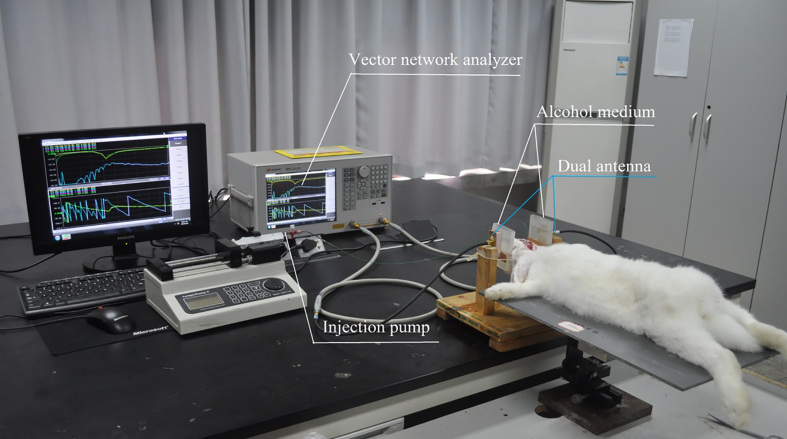
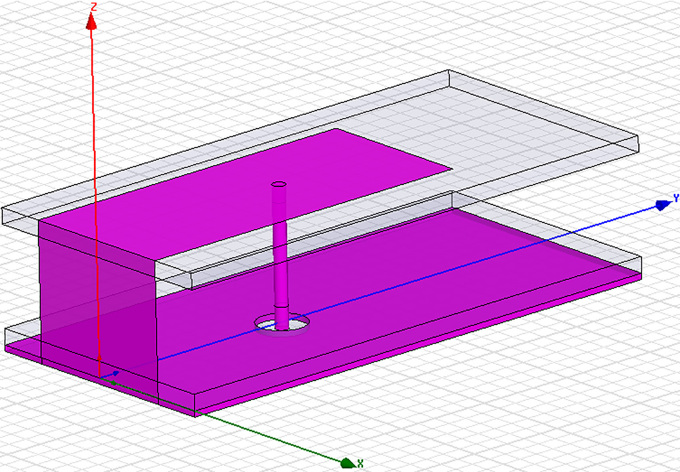
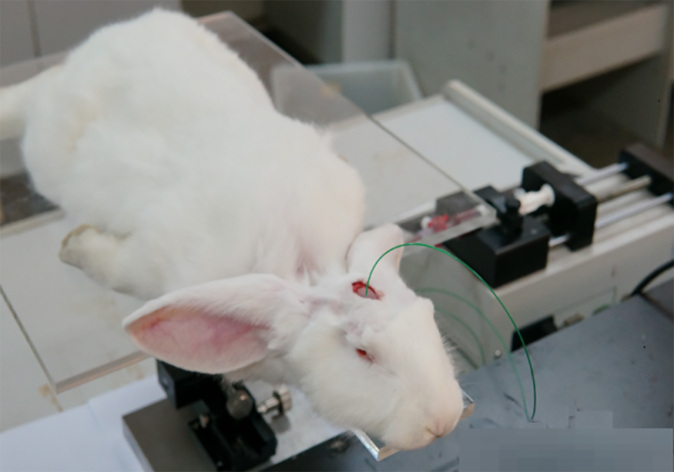
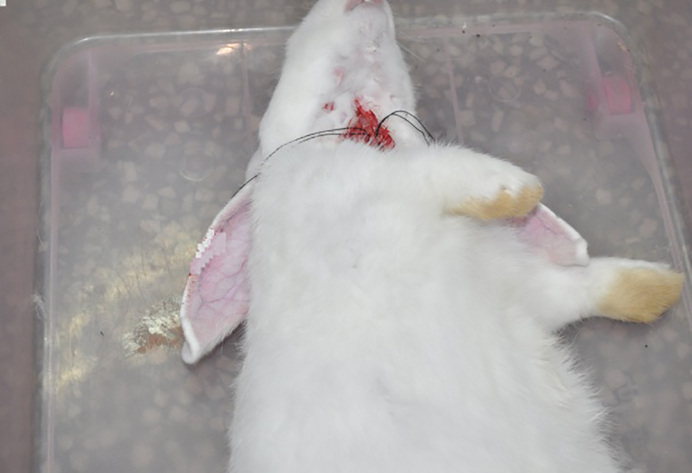
This study was based on animal models of cerebral hemorrhage and cerebral ischemia and the design of a microwave scattering parameter measurement system.
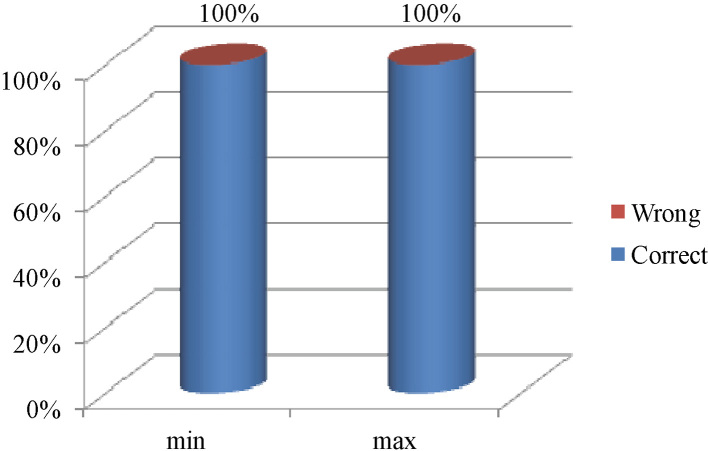
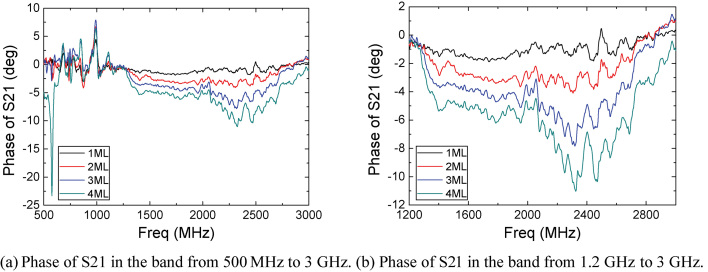
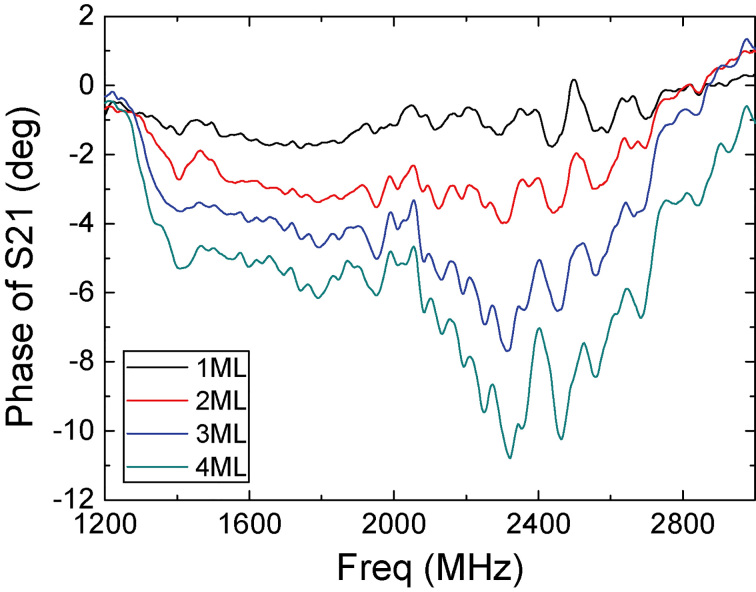
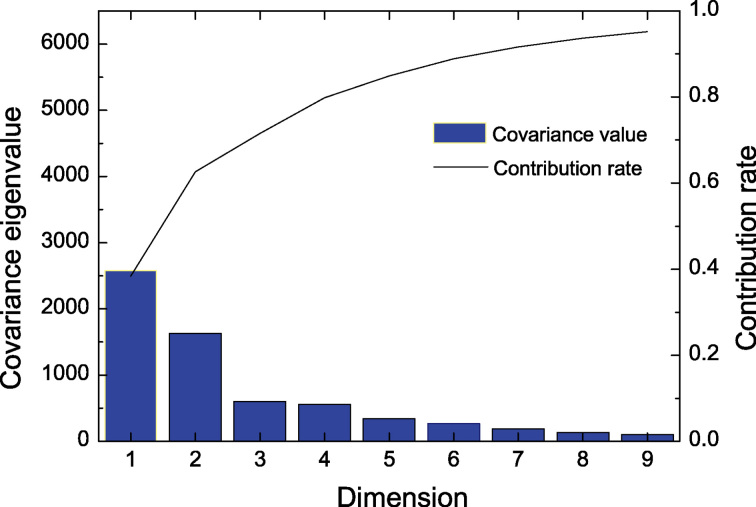
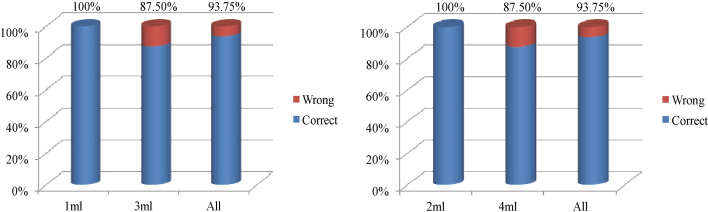
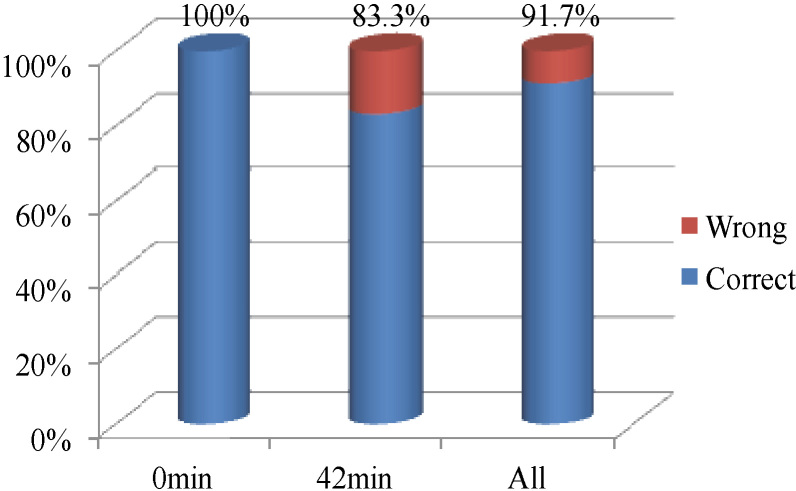
The accuracy of the cerebral hemorrhage model with a blood loss interval of 2 ml reached 93.75%. While the accuracy of the cerebral ischemia model with an ischemic interval of 42 minutes reached 91.7%.
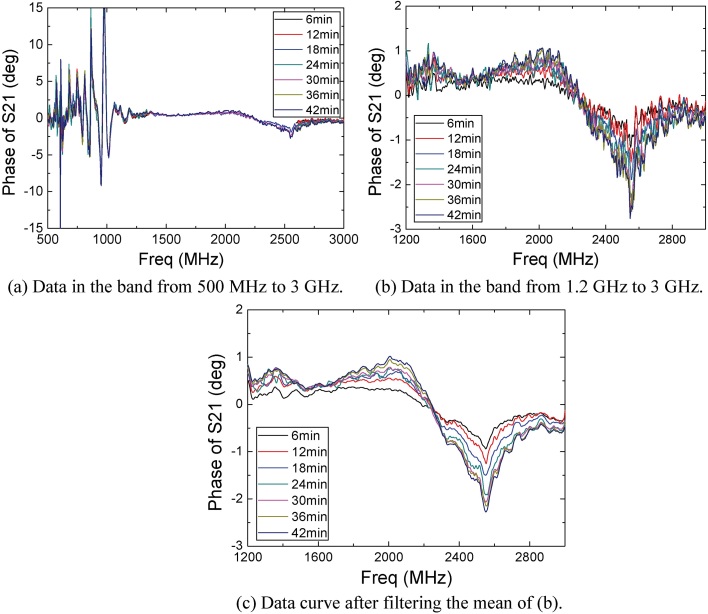
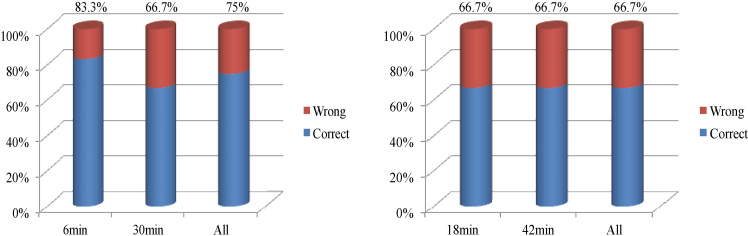
The experimental results show that the system for identifying cerebral stroke based on microwaves can distinguish between cerebral hemorrhage and cerebral ischemia models and effectively distinguish between different degrees of cerebral hemorrhage or different durations of cerebral ischemia. This experimental system is inexpensive, portable, noninvasive, simple, and rapid and thus has good potential as a method for identifying the stroke type prior to hospitalization.
出血性卒中和缺血性卒中在发病初期具有相似的症状,但临床治疗却完全不同。早期、有效的卒中类型识别可以有效提高治愈率。
本研究旨在探讨基于微波测量技术的早期非接触式卒中类型(出血性或缺血性)的识别方法。
本研究基于脑出血和脑缺血动物模型以及微波散射参数测量系统的设计。
出血量间隔为 2ml 的脑出血模型的准确率达到了 93.75%。而缺血间隔为 42 分钟的脑缺血模型的准确率达到了 91.7%。
实验结果表明,基于微波的脑卒中识别系统能够区分脑出血和脑缺血模型,并能有效区分不同程度的脑出血或不同持续时间的脑缺血。该实验系统价格低廉、便携、非侵入性、简单、快速,因此作为一种在住院前识别脑卒中类型的方法具有很好的应用潜力。