Zhan Yuting, Fan Songqing
Department of Pathology, The Second Xiangya Hospital, Central South University, Changsha, Hunan, China.
J Cancer. 2020 Apr 25;11(14):4193-4204. doi: 10.7150/jca.39354. eCollection 2020.
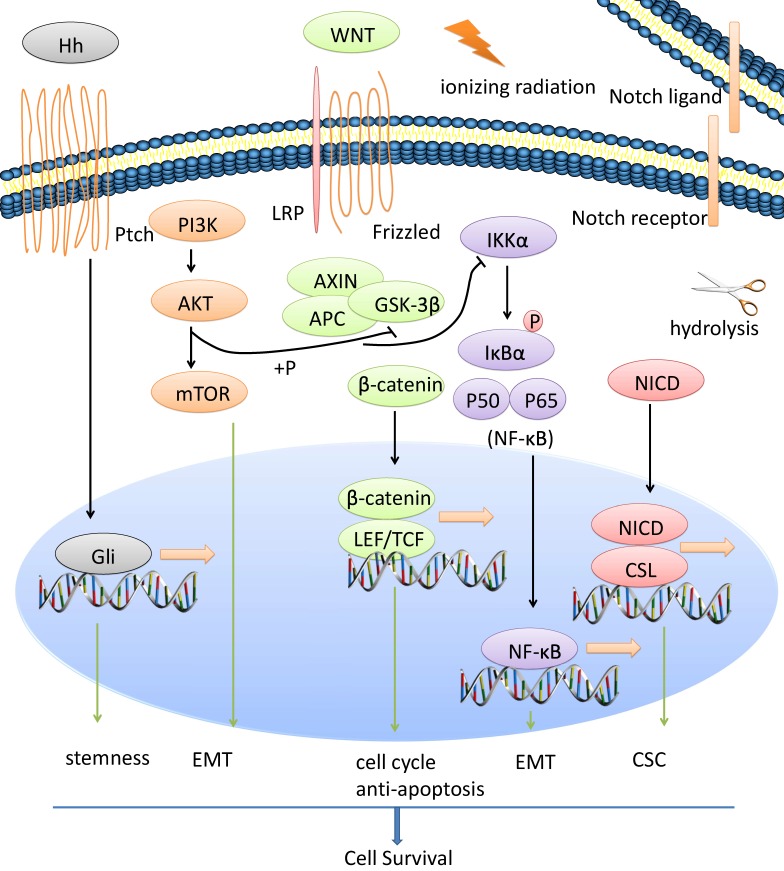
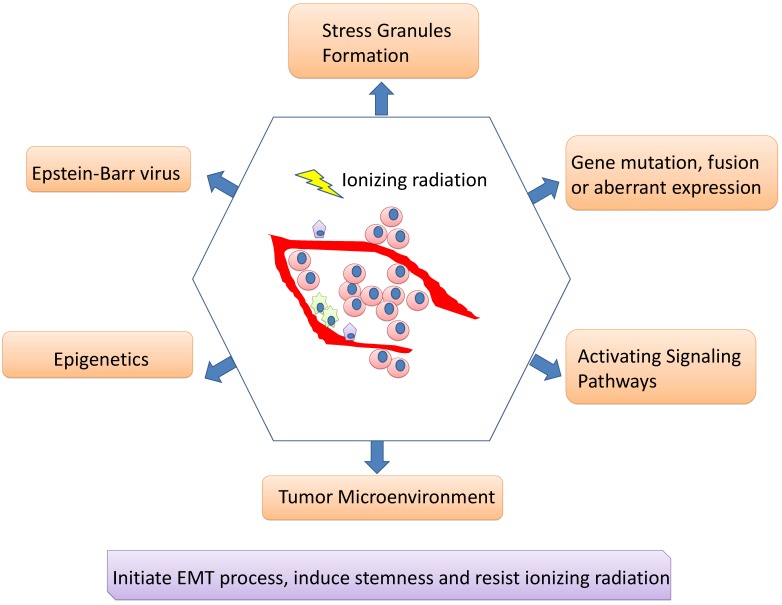
Nasopharyngeal carcinoma (NPC) is the malignant tumor with ethnic and geographical distribution preference. Although intensity-modulated radiotherapy (IMRT)-based radiotherapy combined with chemotherapy and targeted therapy has dramatically improved the overall survival of NPC patients, there are still some patients suffering from recurrent tumors and the prognosis is poor. Multiple mechanisms may be responsible for radioresistance of NPC, such as cancer stem cells (CSCs) existence, gene mutation or aberrant expression of genes, epigenetic modification of genes, abnormal activation of certain signaling pathways, alteration of tumor microenvironment, stress granules (SGs) formation, . We conduct a comprehensive review of the published literatures focusing on the causes of radioresistance, retrospect the regulation mechanisms following radiation, and discuss future directions of overcoming the resistance to radiation.
鼻咽癌(NPC)是一种具有种族和地理分布偏好的恶性肿瘤。尽管基于调强放疗(IMRT)的放疗联合化疗和靶向治疗显著提高了鼻咽癌患者的总生存率,但仍有一些患者出现肿瘤复发且预后较差。鼻咽癌的放射抗性可能由多种机制引起,如癌症干细胞(CSCs)的存在、基因突变或基因异常表达、基因的表观遗传修饰、某些信号通路的异常激活、肿瘤微环境的改变、应激颗粒(SGs)的形成等。我们对已发表的文献进行了全面综述,重点关注放射抗性的原因,回顾放疗后的调节机制,并讨论克服放射抗性的未来方向。