Petersen Antonia, Kutsche Hanna Sarah, Nippert Franziska, Schreckenberg Rolf, Schulz Rainer, Schlüter Klaus-Dieter
Department of Physiology, Justus-Liebig-University, 35392 Giessen, Germany.
Med Sci (Basel). 2020 May 1;8(2):21. doi: 10.3390/medsci8020021.
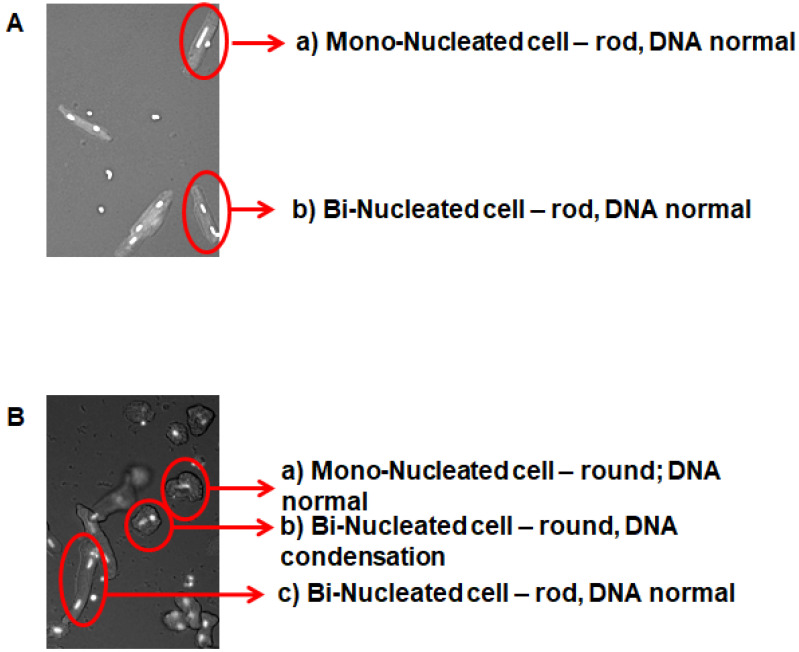
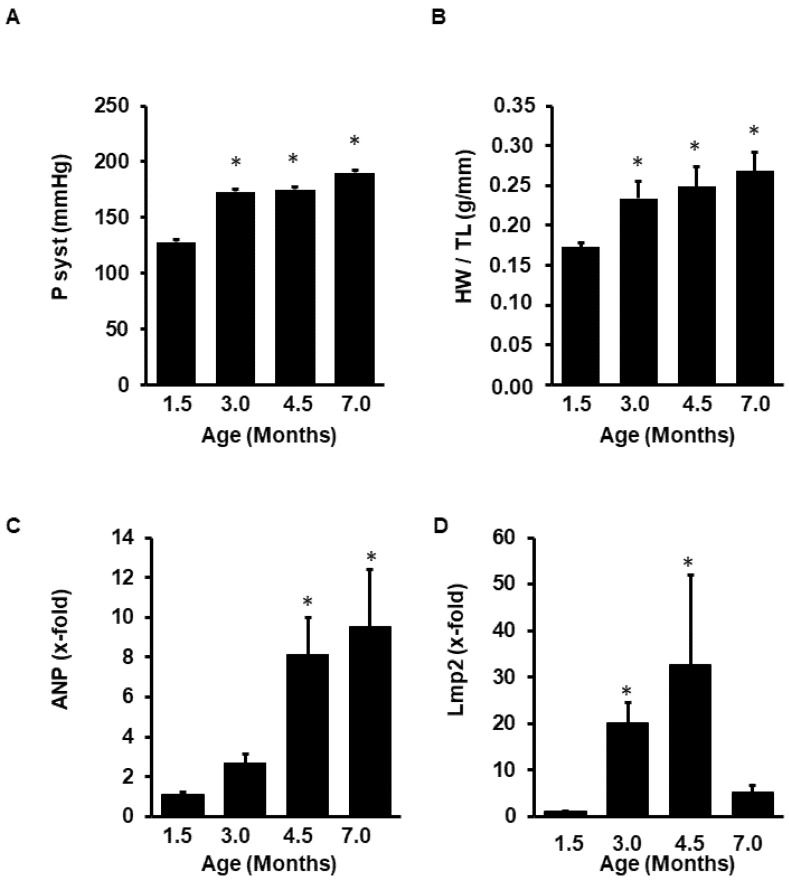
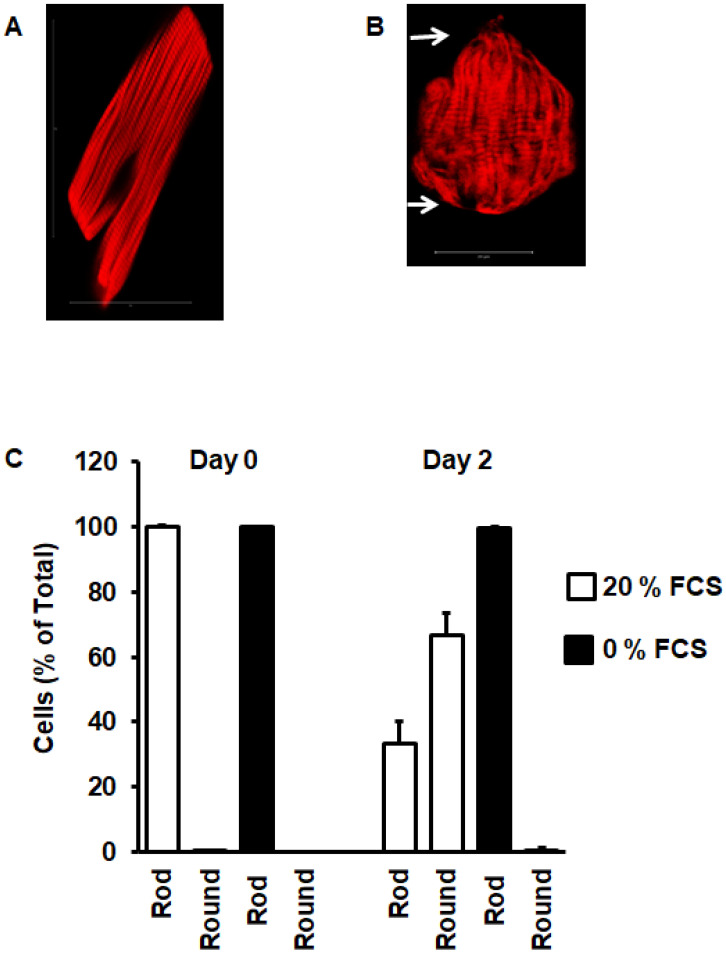
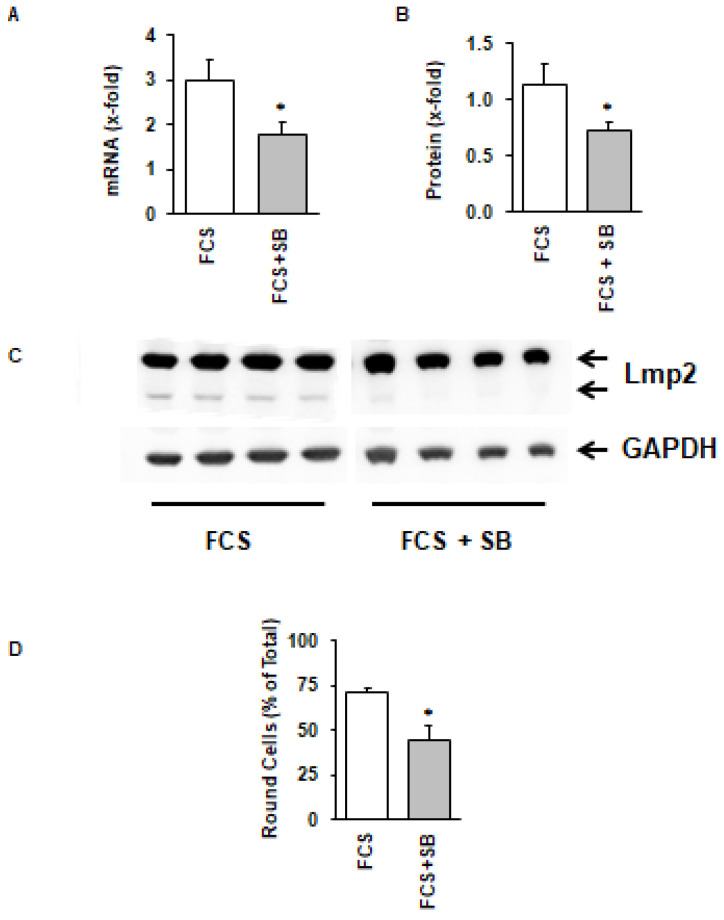
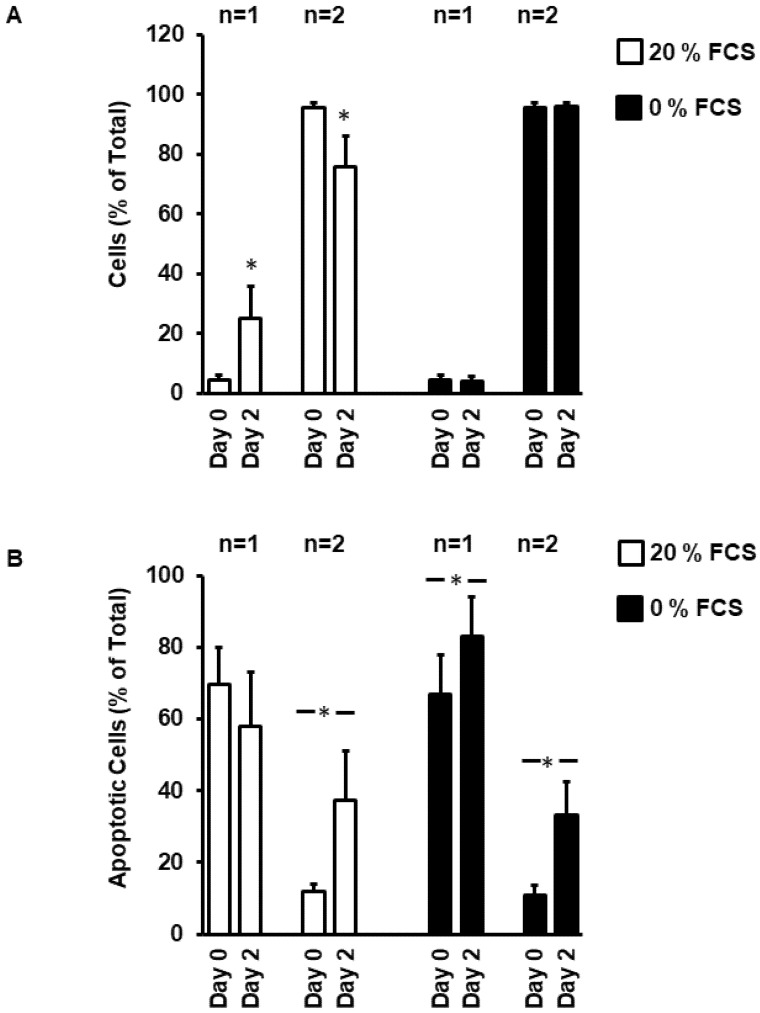
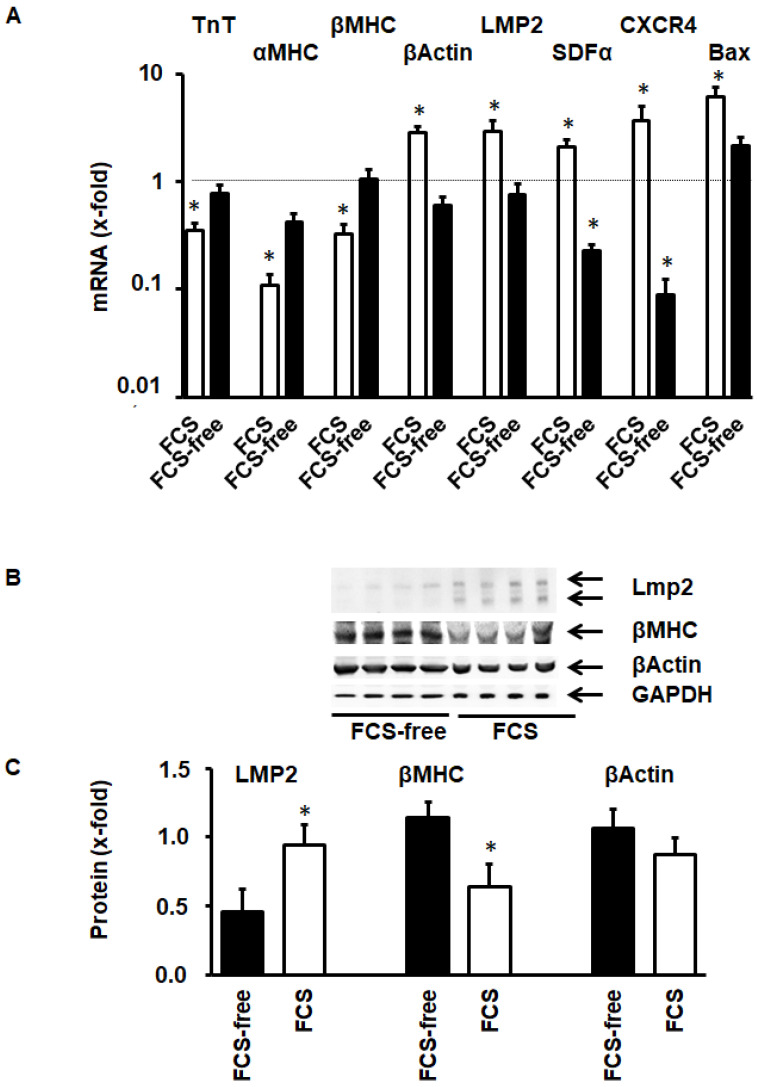
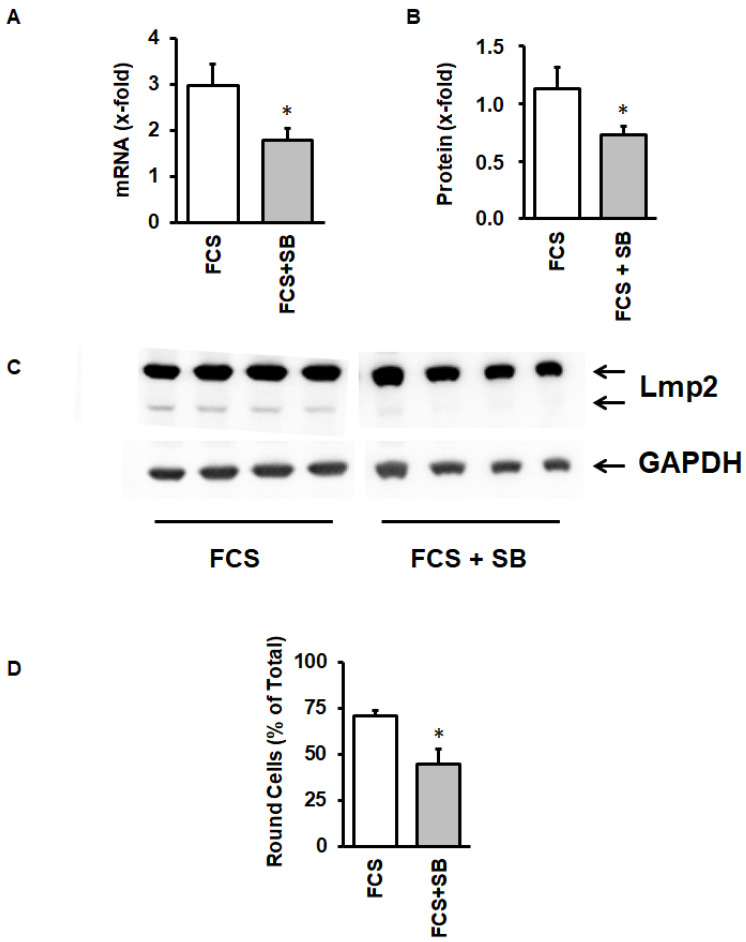
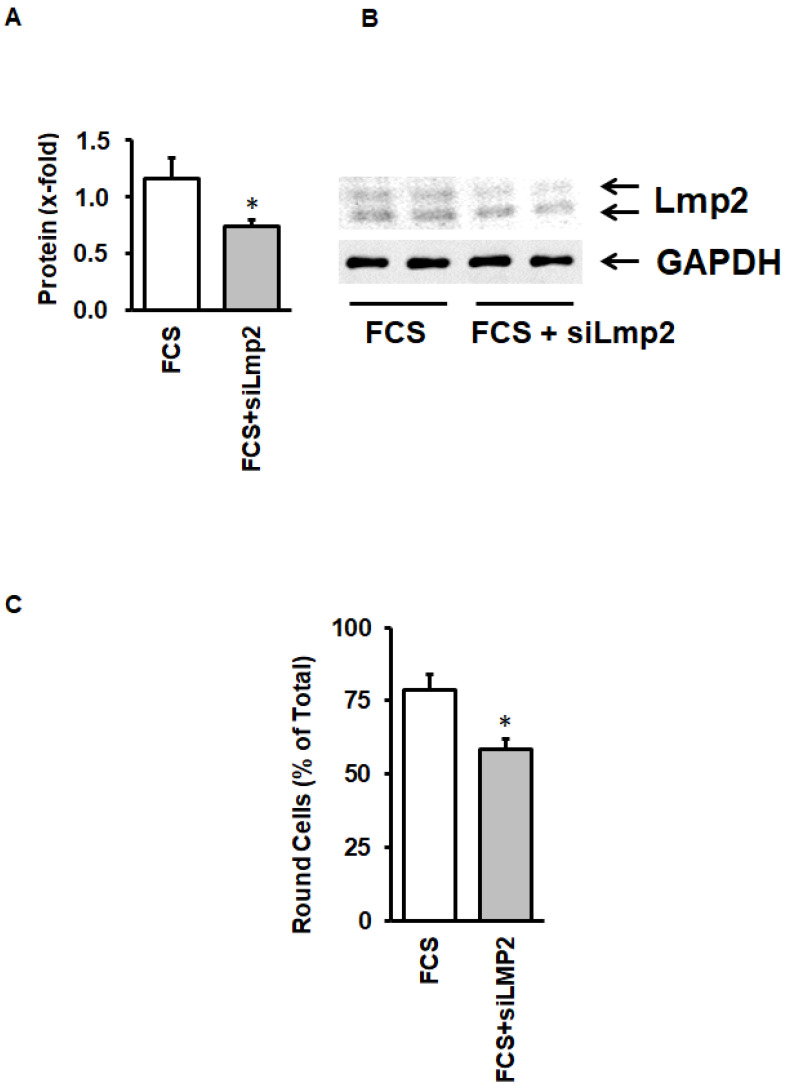
Isolated adult rat ventricular cardiomyocytes (ARVC) adapt to the two-dimensional surface of culture dishes once they are isolated from the three-dimensional heart tissue. This process mimics aspects of cardiac adaptation to pressure overload and requires an initial breakdown of sarcomeric structures. The present study therefore aimed to identify key steps in this remodeling process. ARVC were cultured under serum-free or serum-supplemented conditions and their sizes and shapes were analyzed as well as apoptosis and the ability to disintegrate their sarcomeres. ARVC require serum-factors in order to adapt to cell culture conditions. More ARVC survived if they were able to breakdown their sarcomeres and mononucleated ARVC, which were smaller than binucleated ARVC, had a better chance to adapt. During the early phase of adaptation, proteasome subunit low molecular weight protein (LMP)-2 was induced. Inhibition of LMP-2 up-regulation by siRNA attenuated the process of successful adaptation. In vivo, LMP-2 was induced in the left ventricle of spontaneously hypertensive rats during the early phase of adaptation to pressure overload. In conclusion, the data suggest that breakdown of pre-existing sarcomeres is optimized by induction of LMP-2 and that it is required for cardiac remodeling processes, for example, occurring during pressure overload.
成年大鼠离体心室心肌细胞(ARVC)一旦从三维心脏组织中分离出来,就会适应培养皿的二维表面。这一过程模拟了心脏对压力过载的适应过程,并且需要肌节结构的初步分解。因此,本研究旨在确定这一重塑过程中的关键步骤。将ARVC在无血清或补充血清的条件下培养,并分析其大小和形状,以及细胞凋亡和分解肌节的能力。ARVC需要血清因子才能适应细胞培养条件。如果能够分解肌节,更多的ARVC能够存活,并且单核ARVC比双核ARVC小,其适应的机会更大。在适应的早期阶段,蛋白酶体亚基低分子量蛋白(LMP)-2被诱导。通过小干扰RNA抑制LMP-2上调可减弱成功适应的过程。在体内,在自发性高血压大鼠适应压力过载的早期阶段,左心室中诱导了LMP-2。总之,数据表明,通过诱导LMP-2可优化预先存在的肌节的分解,并且这是心脏重塑过程(例如在压力过载期间发生的过程)所必需的。