Lim Sun Woo, Luo Kang, Quan Yi, Cui Sheng, Shin Yoo Jin, Ko Eun Jeong, Chung Byung Ha, Yang Chul Woo
Convergent Research Consortium for Immunologic Disease, Seoul St. Mary's Hospital, The College of Medicine, The Catholic University of Korea, Seoul, Republic of Korea.
Transplant Research Center, The College of Medicine, The Catholic University of Korea, Seoul, Republic of Korea.
J Ginseng Res. 2020 May;44(3):399-404. doi: 10.1016/j.jgr.2020.02.001. Epub 2020 Feb 7.
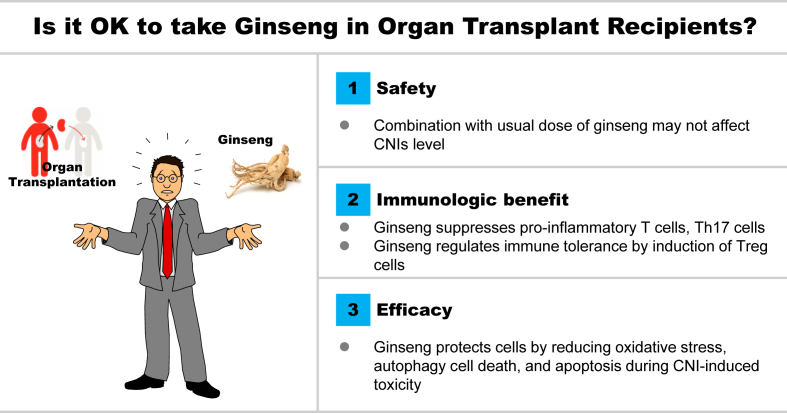
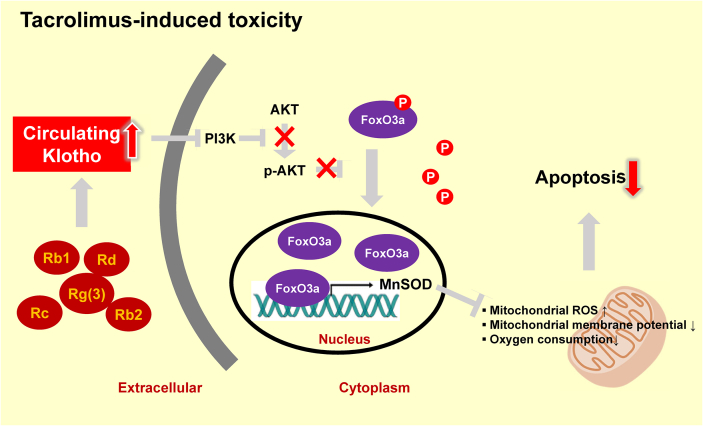
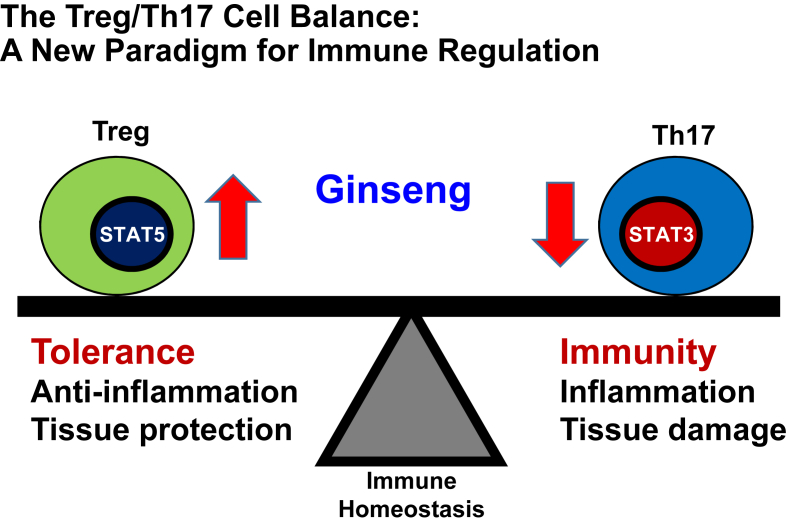
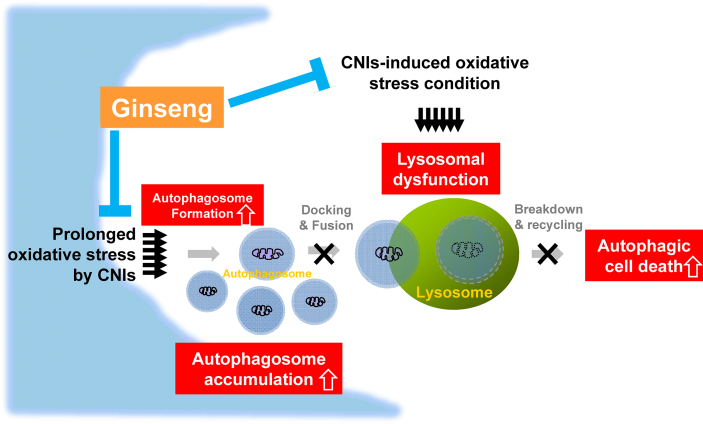
Korean ginseng () is associated with a variety of therapeutic effects, including antioxidative, anti-inflammatory, vasorelaxative, antiallergic, antidiabetic, and anticancer effects. Accordingly, the use of ginseng has reached an all-time high among members of the general public. However, the safety and efficacy of ginseng in transplant recipients receiving immunosuppressant drugs have still not been elucidated. Transplantation is the most challenging and complex of surgical procedures and may require causation for the use of ginseng. In this regard, we have previously examined the safety, immunological benefits, and protective mechanisms of ginseng with respect to calcineurin inhibitor-based immunosuppression, which is the most widely used regimen in organ transplantation. Using an experimental model of calcineurin inhibitor-induced organ injury, we found that ginseng does not affect drug levels in the peripheral blood and tissue, favorably regulates immune response, and protects against calcineurin inhibitor-induced nephrotoxicity and pancreatic islet injury. On the basis of our experimental studies and a review of the related literature, we propose that ginseng may provide benefits in organ transplant recipients administered calcineurin inhibitors. Through the present review, we aimed to briefly discuss our current understanding of the therapeutic benefits of ginseng related to transplant patient survival.
高丽参具有多种治疗作用,包括抗氧化、抗炎、血管舒张、抗过敏、抗糖尿病和抗癌作用。因此,人参在普通大众中的使用量达到了历史最高水平。然而,人参在接受免疫抑制药物的移植受者中的安全性和有效性仍未阐明。移植是最具挑战性和复杂性的外科手术,可能需要使用人参的理由。在这方面,我们之前已经研究了人参在基于钙调神经磷酸酶抑制剂的免疫抑制方面的安全性、免疫益处和保护机制,这是器官移植中使用最广泛的方案。使用钙调神经磷酸酶抑制剂诱导的器官损伤实验模型,我们发现人参不影响外周血和组织中的药物水平,能有利地调节免疫反应,并预防钙调神经磷酸酶抑制剂诱导的肾毒性和胰岛损伤。基于我们的实验研究和对相关文献的综述,我们提出人参可能对接受钙调神经磷酸酶抑制剂治疗的器官移植受者有益。通过本综述,我们旨在简要讨论我们目前对人参与移植患者生存相关治疗益处的理解。