Department of Biomedical Science, CHA Stem Cell Institute, CHA University, Seongnam-si, Gyeonggi-do, Republic of Korea.
Department of Neurology, CHA Bundang Medical Center, CHA University, Seongnam-si, Gyeonggi-do, Republic of Korea.
Stem Cells. 2020 Aug;38(8):936-947. doi: 10.1002/stem.3191. Epub 2020 May 6.
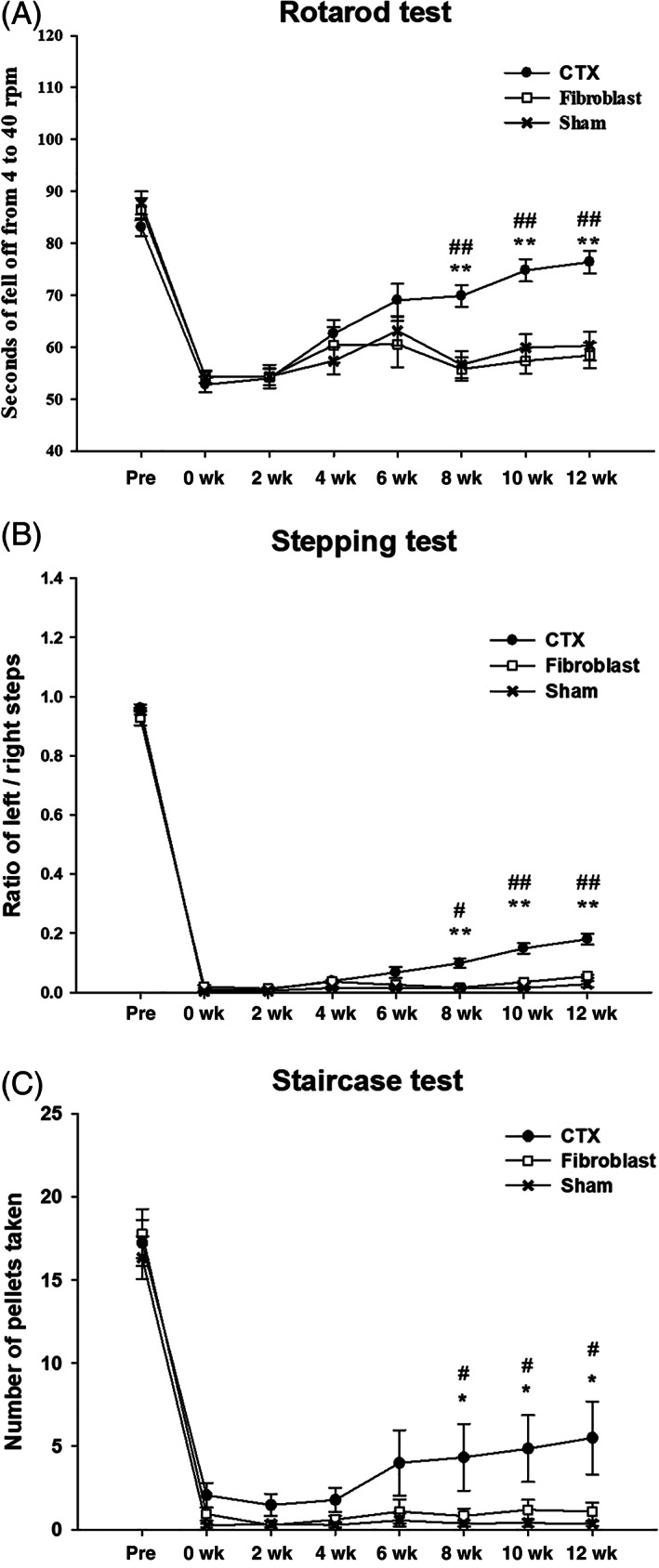
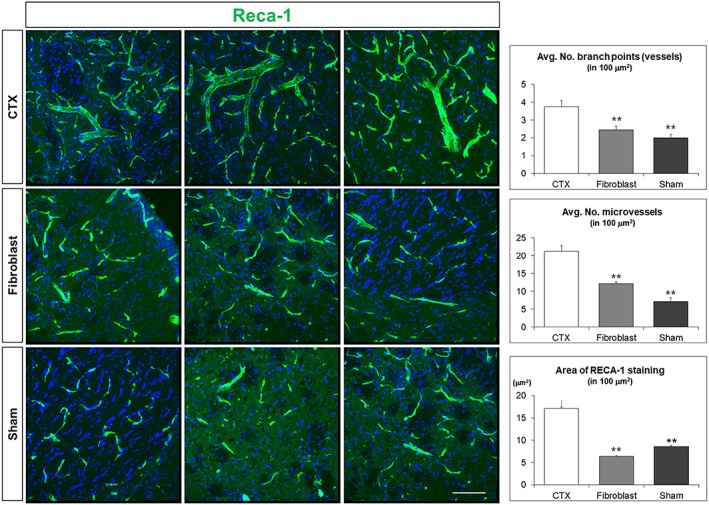
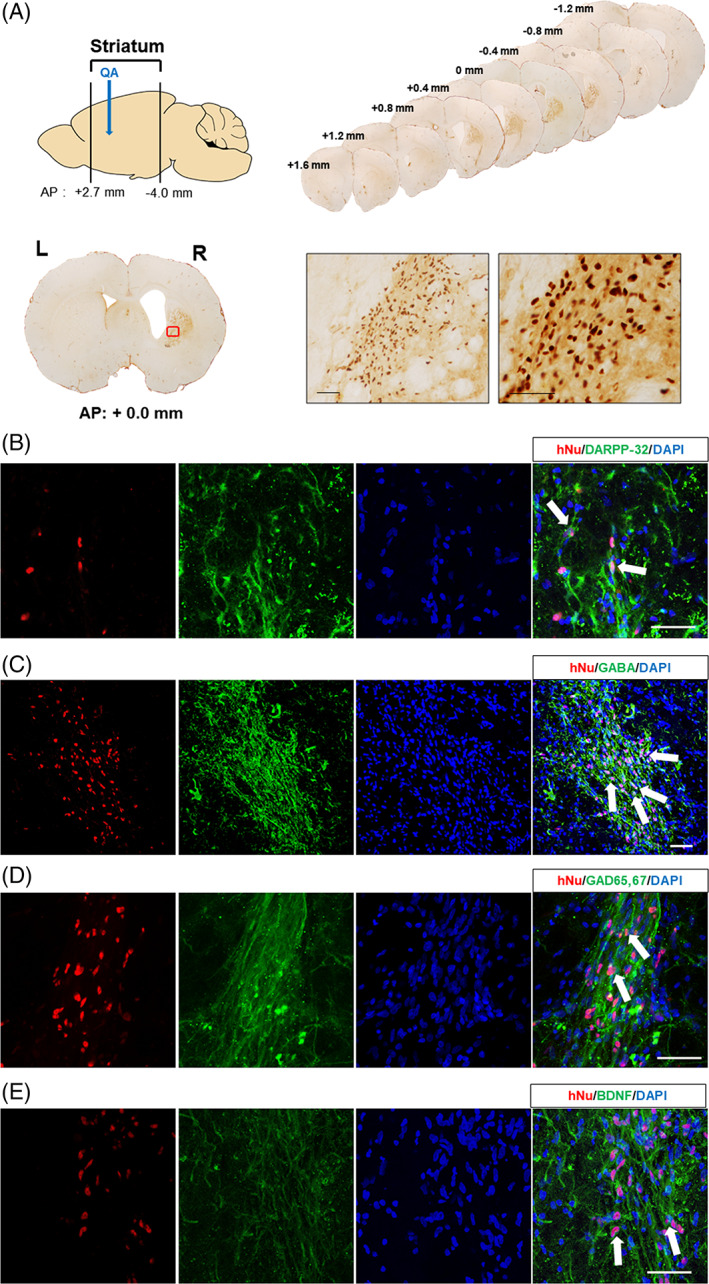
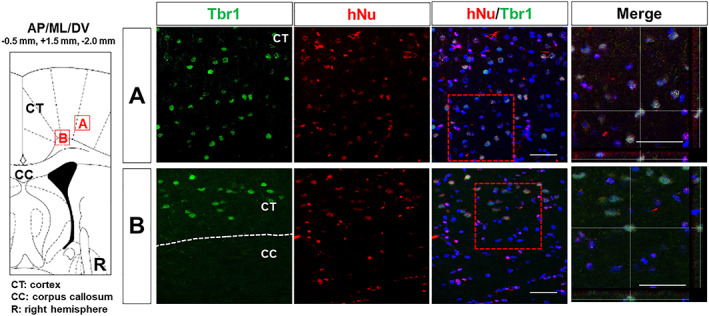
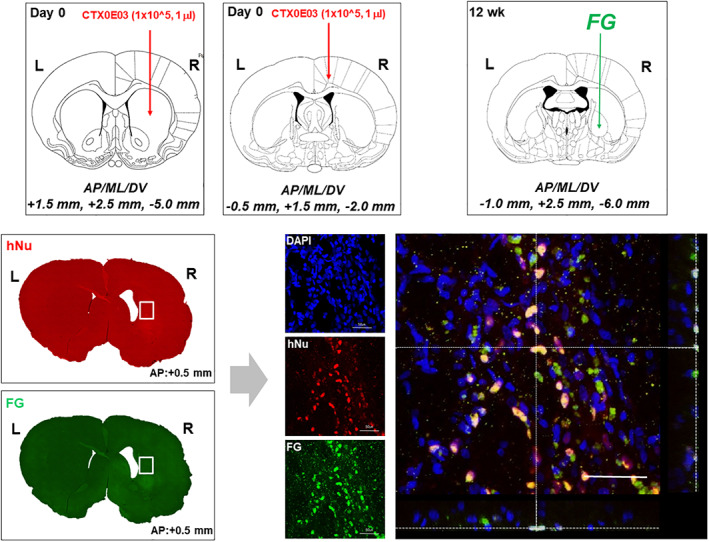
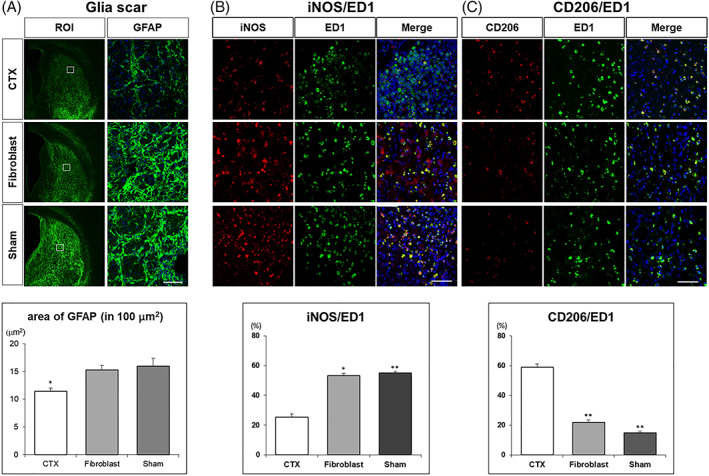
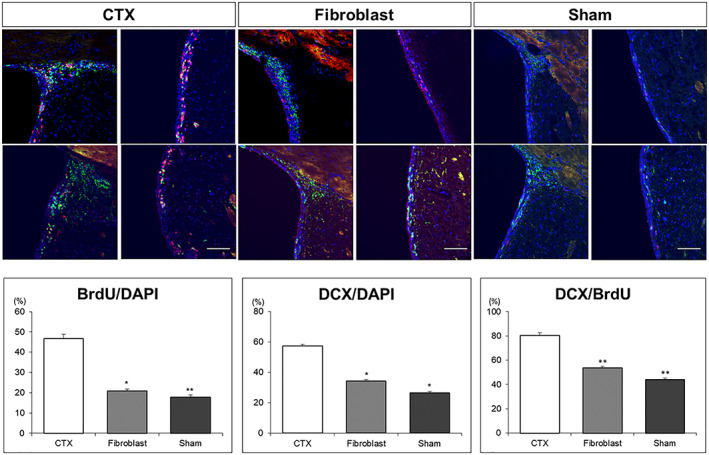
Huntington's disease (HD) is a devastating, autosomal-dominant neurodegenerative disease, for which there are currently no disease-modifying therapies. Clinical trials to replace the damaged striatal medium spiny neurons (MSNs) have been attempted in the past two decades but have met with only limited success. In this study, we investigated whether a clonal, conditionally immortalized neural stem cell line (CTX0E03), which has already shown safety and signals of efficacy in chronic ischemic stroke patients, could rescue deficits seen in an animal model of HD. After CTX0E03 transplantation into the quinolinic acid-lesioned rat model of HD, behavioral changes were measured using the rotarod, stepping, and staircase tests. In vivo differentiation and neuronal connections of the transplanted CTX0E03 cells were evaluated with immunohistochemical staining and retrograde tracing with Fluoro-Gold. We found that transplantation of CTX0E03 gave rise to a significant behavioral improvement compared with the sham- or fibroblast-transplanted group. Transplanted CTX0E03 formed MSNs (DARPP-32) and GABAergic neurons (GABA, GAD65/67) with BDNF expression in the striatum, while cortically transplanted cells formed Tbr1-positive neurons. Using a retrograde label, we also found stable engraftment and connection of the transplanted cells with host brain tissues. CTX0E03 transplantation also reduced glial scar formation and inflammation, as well as increasing endogenous neurogenesis and angiogenesis. Overall, our results demonstrate that CTX0E03, a clinical-grade neural stem cell line, is effective for preclinical test in HD, and, therefore, will be useful for clinical development in the treatment of HD patients.
亨廷顿病(HD)是一种破坏性的常染色体显性神经退行性疾病,目前尚无治疗疾病的方法。在过去的二十年中,人们尝试过用临床试验来替代受损的纹状体中型棘突神经元(MSNs),但只取得了有限的成功。在这项研究中,我们研究了一种克隆的、条件永生化的神经干细胞系(CTX0E03),该细胞系在慢性缺血性中风患者中已显示出安全性和疗效信号,是否能挽救 HD 动物模型中观察到的缺陷。CTX0E03 移植到喹啉酸致 HD 大鼠模型后,使用转棒、踏步和阶梯试验测量行为变化。通过免疫组织化学染色和逆行示踪 Fluoro-Gold 评估移植的 CTX0E03 细胞的体内分化和神经元连接。我们发现,与假手术或成纤维细胞移植组相比,CTX0E03 移植导致行为显著改善。移植的 CTX0E03 在纹状体中形成了 MSNs(DARPP-32)和 GABA 能神经元(GABA、GAD65/67),并表达了 BDNF,而皮质移植的细胞形成了 Tbr1 阳性神经元。使用逆行标记,我们还发现移植细胞与宿主脑组织的稳定植入和连接。CTX0E03 移植还减少了神经胶质瘢痕形成和炎症,同时增加了内源性神经发生和血管生成。总体而言,我们的结果表明,CTX0E03 是一种临床级别的神经干细胞系,可有效用于 HD 的临床前测试,因此将有助于 HD 患者的治疗的临床开发。