Department of Internal Medicine (Endocrinology and Metabolism), Faculty of Medicine, University of Tsukuba, 1-1-1 Tennodai, Tsukuba, Ibaraki, 305-8575, Japan.
BMC Med Genet. 2020 May 6;21(1):91. doi: 10.1186/s12881-020-01031-z.
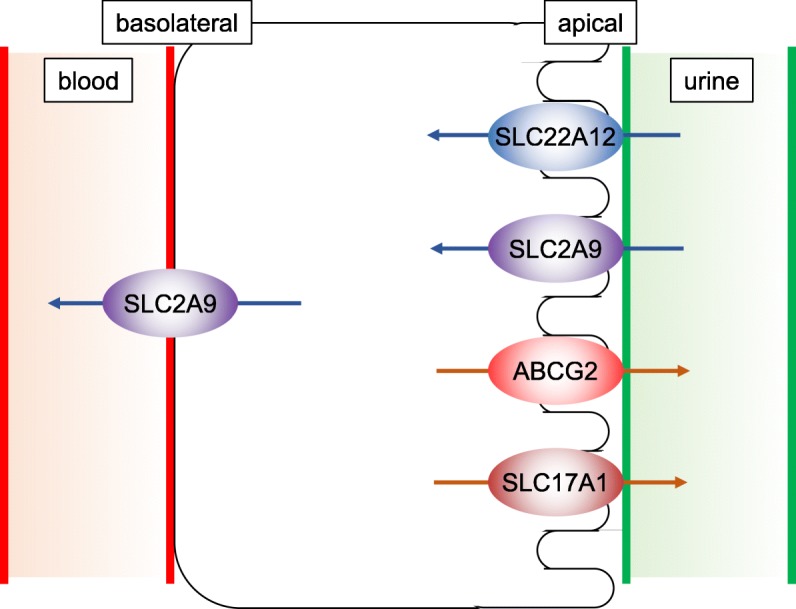
Renal hypouricemia (RHUC) is a hereditary disorder where mutations in SLC22A12 gene and SLC2A9 gene cause RHUC type 1 (RHUC1) and RHUC type 2 (RHUC2), respectively. These genes regulate renal tubular reabsorption of urates while there exist other genes counterbalancing the net excretion of urates including ABCG2 and SLC17A1. Urate metabolism is tightly interconnected with glucose metabolism, and SLC2A9 gene may be involved in insulin secretion from pancreatic β-cells. On the other hand, a myriad of genes are responsible for the impaired insulin secretion independently of urate metabolism.
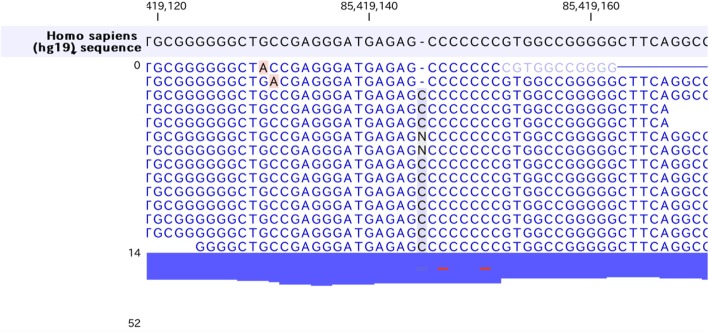
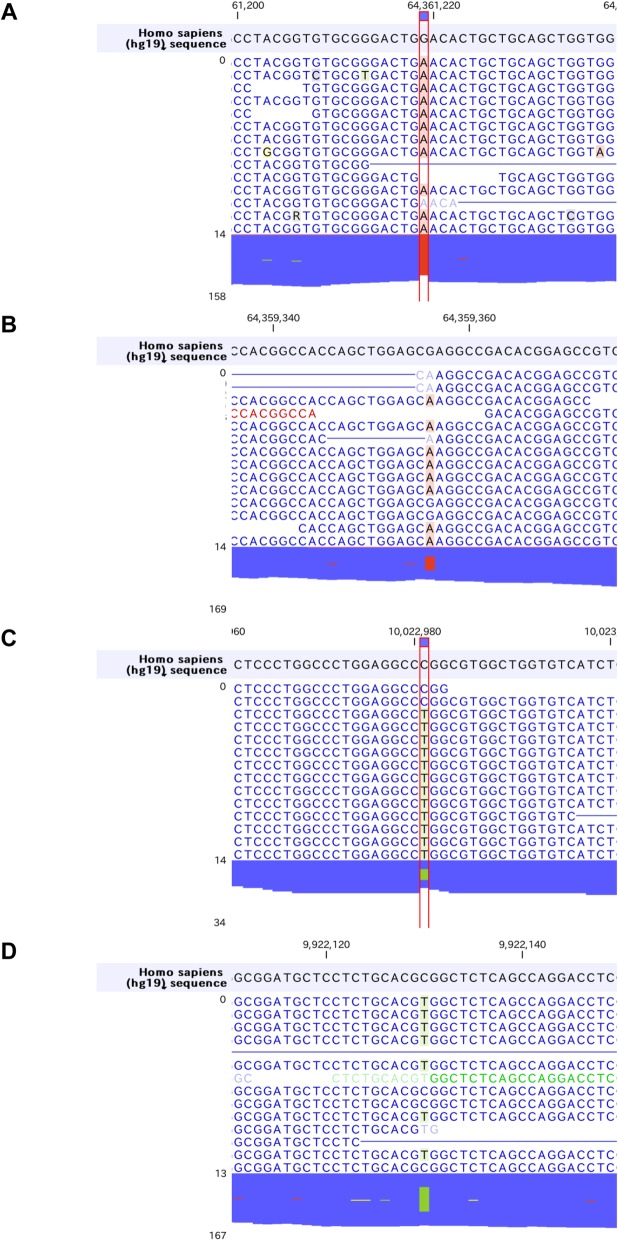
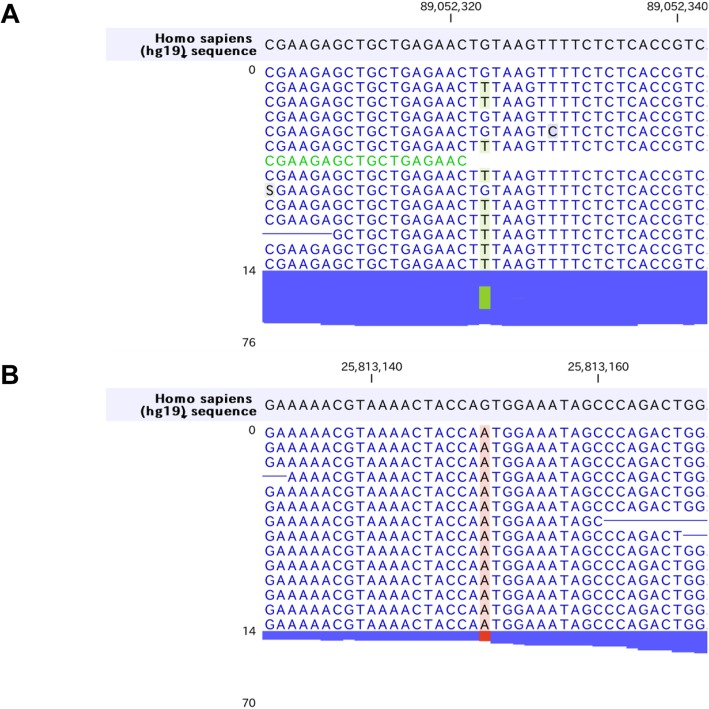
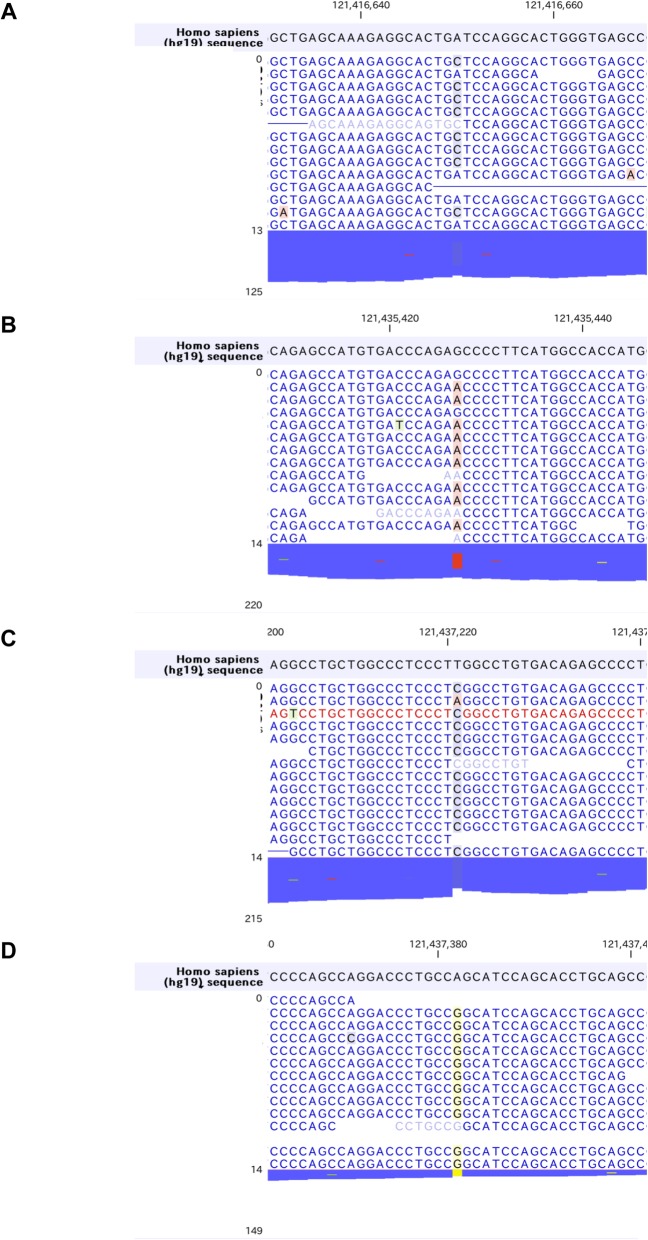
We describe a 67 year-old Japanese man who manifested severe hypouricemia (0.7 mg/dl (3.8-7.0 mg/dl), 41.6 μmol/l (226-416 μmol/l)) and diabetes with impaired insulin secretion. His high urinary fractional excretion of urate (65.5%) and low urinary C-peptide excretion (25.7 μg/day) were compatible with the diagnosis of RHUC and impaired insulin secretion, respectively. Considering the fact that metabolic pathways regulating urates and glucose are closely interconnected, we attempted to delineate the genetic basis of the hypouricemia and the insulin secretion defect observed in this patient using whole exome sequencing. Intriguingly, we found homozygous Trp258* mutations in SLC22A12 gene causing RHUC1 while concurrent mutations reported to be associated with hyperuricemia were also discovered including ABCG2 (Gln141Lys) and SLC17A1 (Thr269Ile). SLC2A9, that also facilitates glucose transport, has been implicated to enhance insulin secretion, however, the non-synonymous mutations found in SLC2A9 gene of this patient were not dysfunctional variants. Therefore, we embarked on a search for causal mutations for his impaired insulin secretion, resulting in identification of multiple mutations in HNF1A gene (MODY3) as well as other genes that play roles in pancreatic β-cells. Among them, the Leu80fs in the homeobox gene NKX6.1 was an unreported mutation.
We found a case of RHUC1 carrying mutations in SLC22A12 gene accompanied with compensatory mutations associated with hyperuricemia, representing the first report showing coexistence of the mutations with opposed potential to regulate urate concentrations. On the other hand, independent gene mutations may be responsible for his impaired insulin secretion, which contains novel mutations in key genes in the pancreatic β-cell functions that deserve further scrutiny.
肾性低尿酸血症(RHUC)是一种遗传性疾病,SLC22A12 基因和 SLC2A9 基因的突变分别导致 RHUC 型 1(RHUC1)和 RHUC 型 2(RHUC2)。这些基因调节尿酸在肾小管中的重吸收,而存在其他基因来平衡尿酸的净排泄,包括 ABCG2 和 SLC17A1。尿酸代谢与葡萄糖代谢密切相关,SLC2A9 基因可能参与胰岛β细胞胰岛素的分泌。另一方面,许多基因独立于尿酸代谢而导致胰岛素分泌受损。
我们描述了一位 67 岁的日本男性,他表现出严重的低尿酸血症(0.7mg/dl(3.8-7.0mg/dl),41.6μmol/l(226-416μmol/l))和伴有胰岛素分泌受损的糖尿病。他的高尿酸尿分数排泄(65.5%)和低尿 C 肽排泄(25.7μg/天)与 RHUC 和胰岛素分泌受损的诊断相符。考虑到调节尿酸和葡萄糖的代谢途径密切相关,我们试图使用全外显子组测序来阐明该患者低尿酸血症和胰岛素分泌缺陷的遗传基础。有趣的是,我们发现 SLC22A12 基因中的纯合 Trp258*突变导致 RHUC1,同时还发现了与高尿酸血症相关的并发突变,包括 ABCG2(Gln141Lys)和 SLC17A1(Thr269Ile)。同样促进葡萄糖转运的 SLC2A9 基因已被认为增强胰岛素分泌,然而,该患者 SLC2A9 基因中的非同义突变并非功能失调的变异。因此,我们开始寻找导致他胰岛素分泌受损的因果突变,结果发现 HNF1A 基因(MODY3)和其他在胰岛β细胞中发挥作用的基因存在多种突变。其中,NKX6.1 同源盒基因中的 Leu80fs 是一种未报道的突变。
我们发现了一例携带 SLC22A12 基因突变的 RHUC1 病例,同时伴有与高尿酸血症相关的补偿性突变,这是首次报道表明这些突变可能同时存在,对尿酸浓度有相反的调节作用。另一方面,独立的基因突变可能导致他的胰岛素分泌受损,其中包含胰岛β细胞功能关键基因的新突变,值得进一步研究。