Benevides Teal W, Shore Stephen M, Andresen May-Lynn, Caplan Reid, Cook Barb, Gassner Dena L, Erves Jasmine M, Hazlewood Taylor M, King M Caroline, Morgan Lisa, Murphy Lauren E, Purkis Yenn, Rankowski Brigid, Rutledge Sarah M, Welch Savannah P, Wittig Karl
Augusta University, USA.
Adelphi University, USA.
Autism. 2020 Aug;24(6):1345-1359. doi: 10.1177/1362361320913664. Epub 2020 May 11.
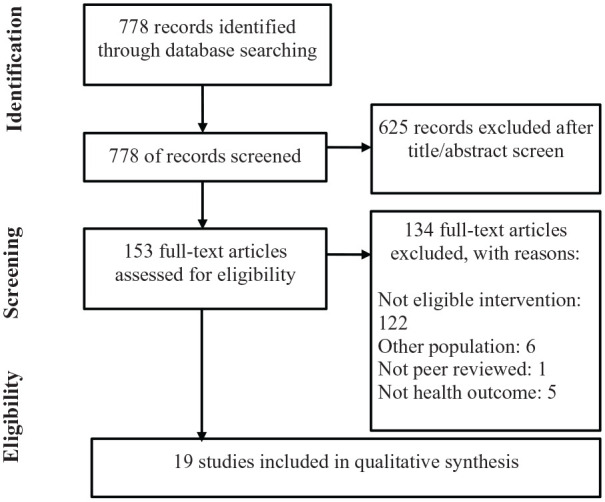
Autistic adults have more health problems then their same-aged peers. Yet little research has been conducted that focuses on addressing these health problems. In order to guide future research, it is important to know what intervention studies have been done to improve health outcomes among autistic adults. The project team and student assistants read studies that were published between 2007 and 2018 in the online research database, PubMed. We looked for studies published in English, which were peer-reviewed and included (1) an intervention, (2) an outcome that was related to health, and (3) a study group that included autistic adults. We did not include studies that had outcomes about employment (unless there was a health outcome), studies about caregivers or caregiving, or expert opinions about interventions. Of 778 reviewed articles, 19 studies met all of the criteria above. Within these studies, two approaches were found to have emerging evidence for their use in autistic adults: cognitive behavioral interventions and mindfulness-based approaches for improved mental health outcomes. The remaining intervention approaches did not have enough articles to support their use. Many of the outcomes were about reduced symptoms of co-occurring mental health diagnoses (e.g. reduced anxiety, depression). Most of the participants in these studies were male and did not have intellectual disability. Most study participants were adults younger than 40. There are not many intervention studies that address health outcomes among autistic adults. More research is needed on interventions which are desired by the adult autism community and address preferred health outcomes such as increased quality of life or well-being.
成年自闭症患者比同龄人有更多的健康问题。然而,针对解决这些健康问题的研究却很少。为了指导未来的研究,了解已开展了哪些干预研究来改善成年自闭症患者的健康状况非常重要。项目团队和学生助手阅读了2007年至2018年期间发表在在线研究数据库PubMed上的研究。我们寻找以英文发表、经过同行评审且包括以下内容的研究:(1)一项干预措施;(2)与健康相关的结果;(3)一个包含成年自闭症患者的研究组。我们没有纳入有关就业结果的研究(除非有健康结果)、有关照顾者或护理的研究,或有关干预措施的专家意见。在778篇被审查的文章中,有19项研究符合上述所有标准。在这些研究中,发现有两种方法在成年自闭症患者中的应用有新出现的证据:认知行为干预和基于正念的方法以改善心理健康结果。其余的干预方法没有足够的文章支持其应用。许多结果是关于共病心理健康诊断症状的减轻(例如焦虑、抑郁减轻)。这些研究中的大多数参与者是男性且没有智力残疾。大多数研究参与者是40岁以下的成年人。针对成年自闭症患者健康结果的干预研究并不多。需要对成年自闭症群体所期望的、能解决诸如提高生活质量或幸福感等理想健康结果的干预措施进行更多研究。