Maity Sibaprasad, Lyubchenko Yuri L
Department of Pharmaceutical Sciences, College of Pharmacy, University of Nebraska Medical Center, Omaha, NE, United States.
Front Mol Biosci. 2020 Apr 24;7:69. doi: 10.3389/fmolb.2020.00069. eCollection 2020.
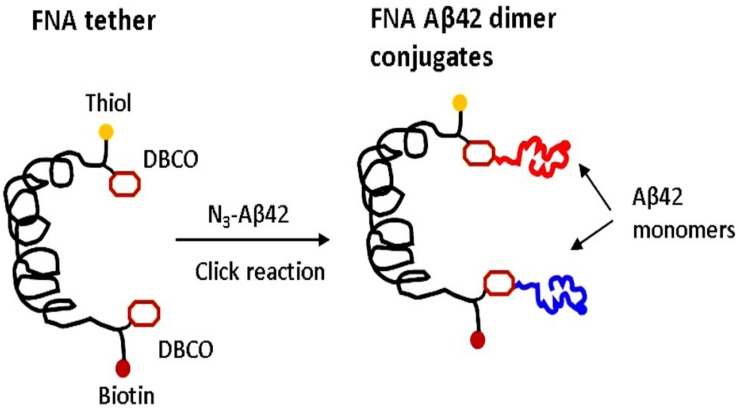
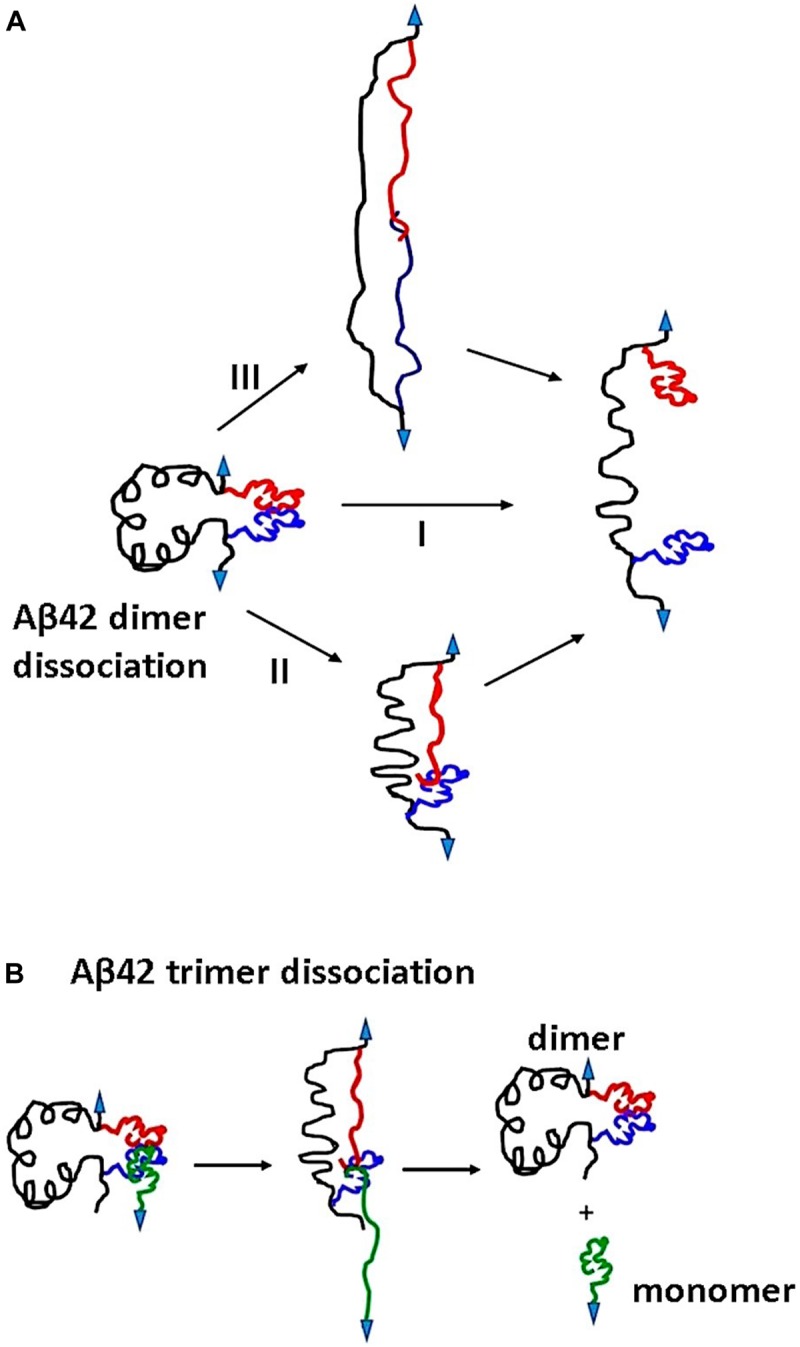
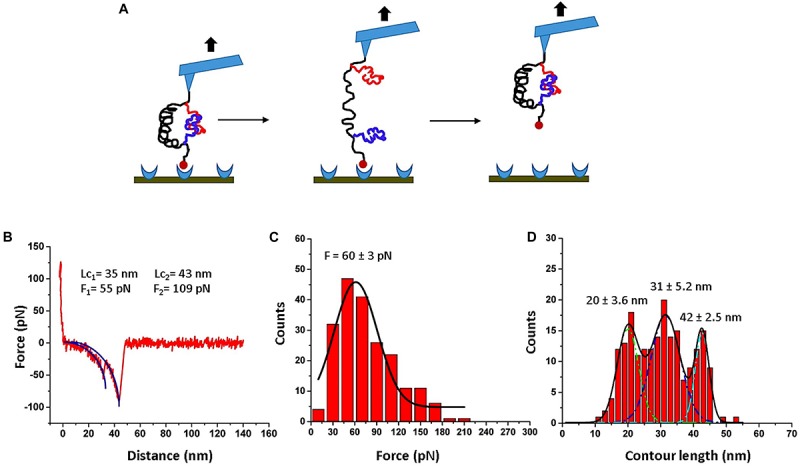
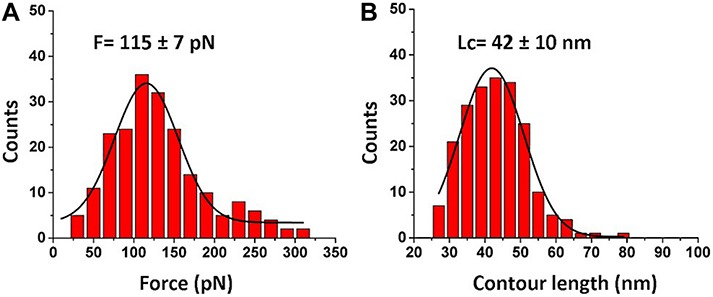
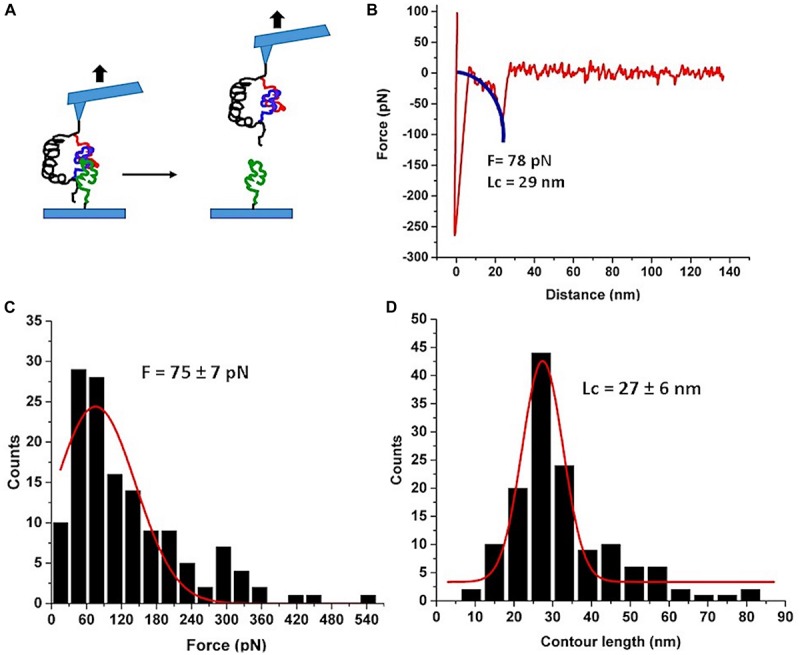
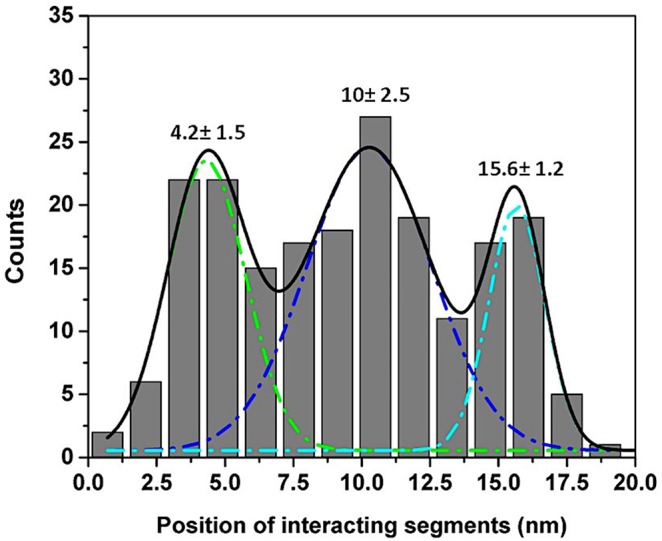
Elucidating the molecular mechanisms in the development of such a devastating neurodegenerative disorder as Alzheimer's disease (AD) is currently one of the major challenges of molecular medicine. Evidence strongly suggests that the development of AD is due to the accumulation of amyloid β (Aβ) oligomers; therefore, understanding the molecular mechanisms defining the conversion of physiologically important monomers of Aβ proteins into neurotoxic oligomeric species is the key for the development of treatments and preventions of AD. However, these oligomers are unstable and unavailable for structural, physical, and chemical studies. We have recently developed a novel flexible nano array (FNA)-oligomer scaffold approach in which monomers tethered inside a flexible template can assemble spontaneously into oligomers with sizes defined by the number of tethered monomers. The FNA approach was tested on short decamer Aβ(14-23) peptides which were assembled into dimers and trimers. In this paper, we have extended our FNA technique for assembling full-length Aβ42 dimers. The FNA scaffold enabling the self-assembly of Aβ42 dimers from tethered monomeric species has been designed and the assembly of the dimers has been validated by AFM force spectroscopy experiments. Two major parameters of the force spectroscopy probing, the rupture forces and the rupture profiles, were obtained to prove the assembly of Aβ42 dimers. In addition, the FNA-Aβ42 dimers were used to probe Aβ42 trimers in the force spectroscopy experiments with the use of AFM tips functionalized with FNA-Aβ42 dimers and the surface with immobilized Aβ42 monomers. We found that the binding force for the Aβ42 trimer is higher than the dimer (75 ± 7 pN vs. 60 ± 3 pN) and the rupture pattern corresponds to a cooperative dissociation of the trimer. The rupture profiles for the dissociation of the Aβ42 dimers and trimers are proposed. Prospects for further extension of the FNA-based approach for probing of higher order oligomers of Aβ42 proteins are discussed.
阐明诸如阿尔茨海默病(AD)这种毁灭性神经退行性疾病发展过程中的分子机制,是当前分子医学面临的主要挑战之一。有力证据表明,AD的发展是由于淀粉样β(Aβ)寡聚体的积累;因此,了解决定Aβ蛋白生理重要单体转化为神经毒性寡聚体的分子机制,是开发AD治疗和预防方法的关键。然而,这些寡聚体不稳定,无法用于结构、物理和化学研究。我们最近开发了一种新型的柔性纳米阵列(FNA)-寡聚体支架方法,其中拴系在柔性模板内的单体可以自发组装成由拴系单体数量定义大小的寡聚体。FNA方法在短十聚体Aβ(14 - 23)肽上进行了测试,这些肽组装成了二聚体和三聚体。在本文中,我们将FNA技术扩展用于组装全长Aβ42二聚体。设计了能够使拴系的单体物种自组装成Aβ42二聚体的FNA支架,并通过原子力显微镜力谱实验验证了二聚体的组装。获得了力谱探测的两个主要参数,即断裂力和断裂曲线,以证明Aβ42二聚体的组装。此外,在力谱实验中,使用用FNA - Aβ42二聚体功能化的原子力显微镜探针和固定有Aβ42单体的表面,用FNA - Aβ42二聚体探测Aβ42三聚体。我们发现Aβ42三聚体的结合力高于二聚体(75±7 pN对60±3 pN),并且断裂模式对应于三聚体的协同解离。提出了Aβ42二聚体和三聚体解离的断裂曲线。讨论了基于FNA的方法进一步扩展用于探测Aβ42蛋白高阶寡聚体的前景。