Department of Hematology/Oncology, Mayo Clinic, Scottsdale, AZ, USA.
Department of Department of Health Sciences Research, Mayo Clinic, Scottsdale, AZ, USA.
Blood Cancer J. 2020 May 11;10(5):54. doi: 10.1038/s41408-020-0320-7.
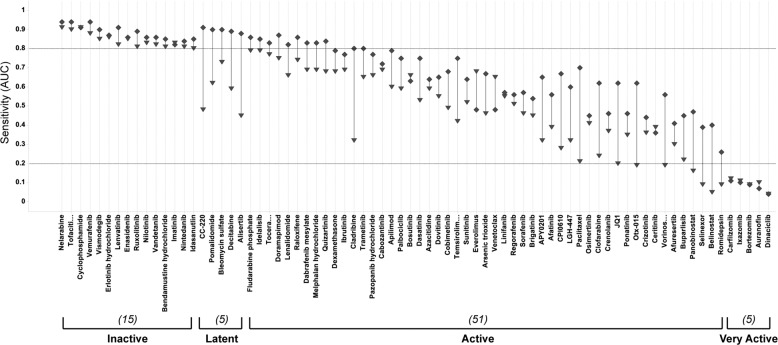
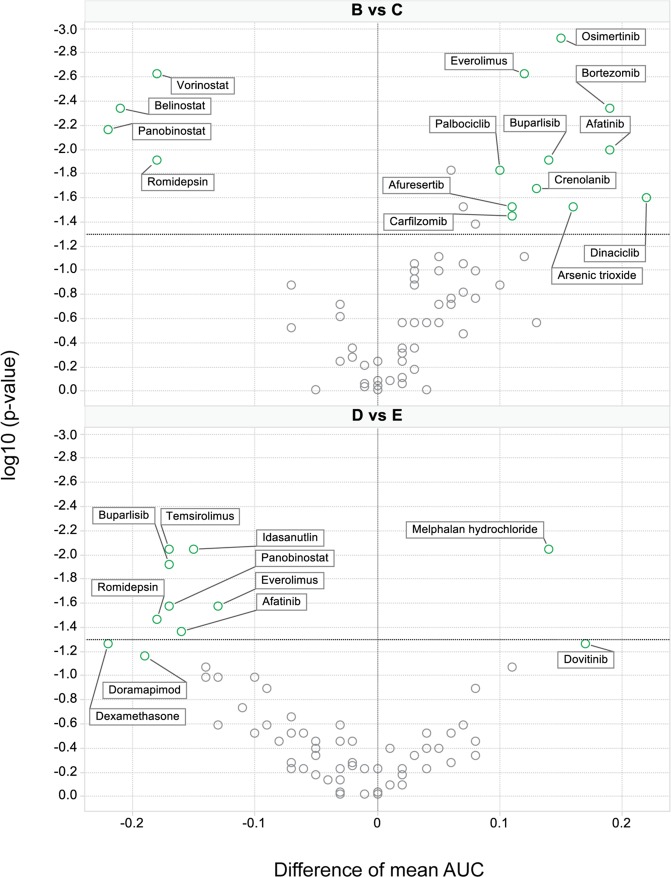
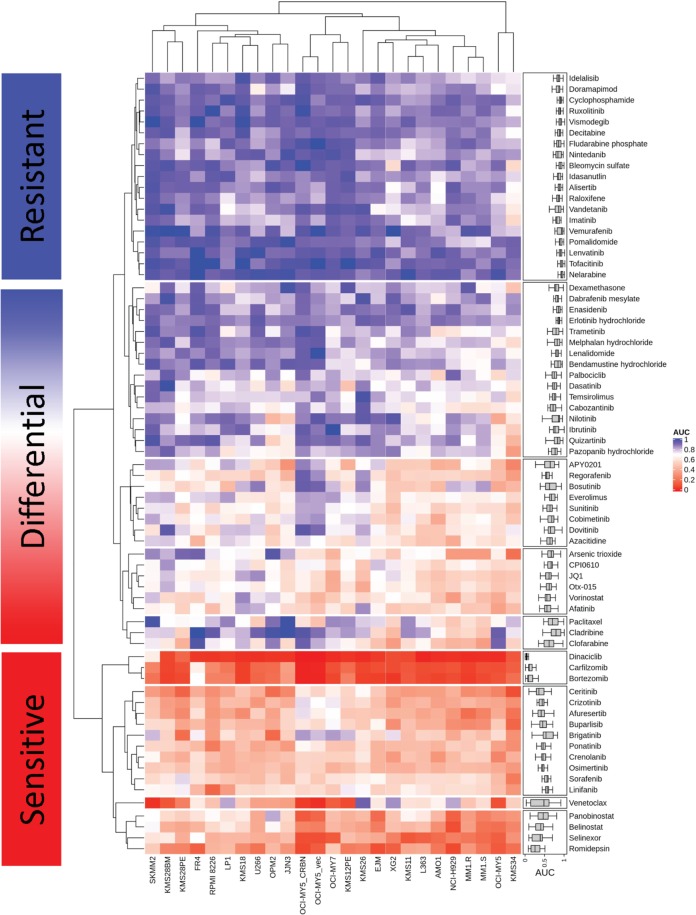
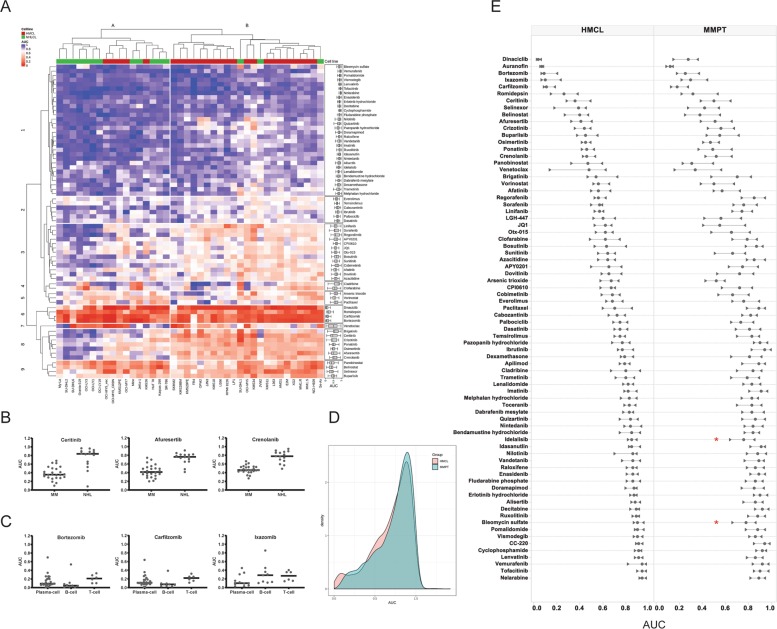
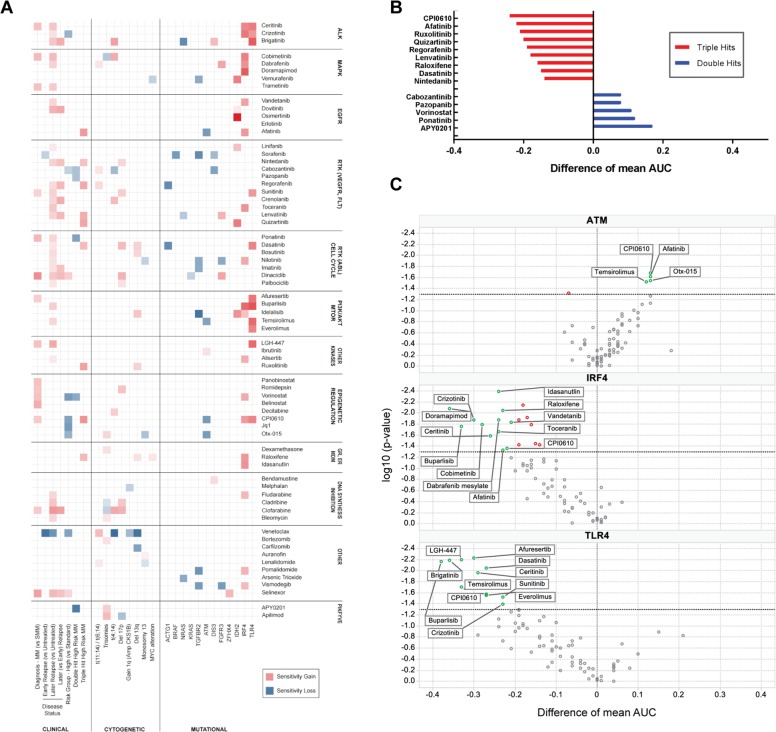
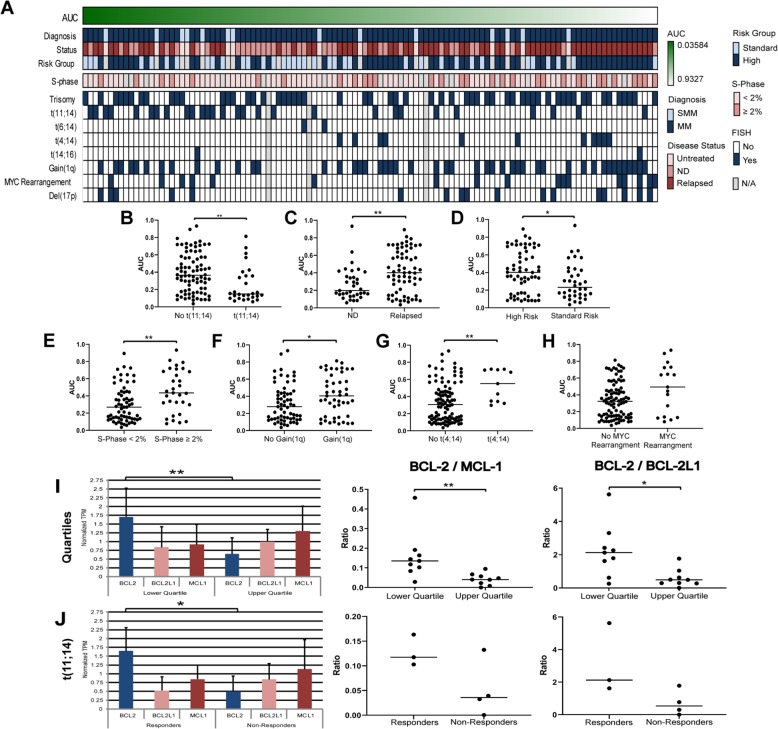
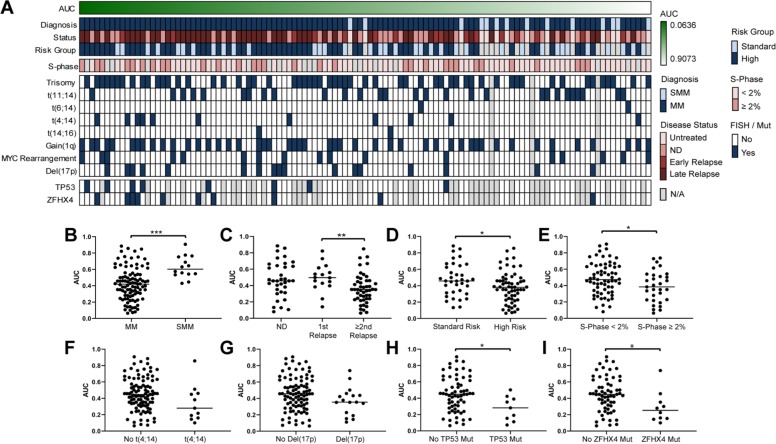
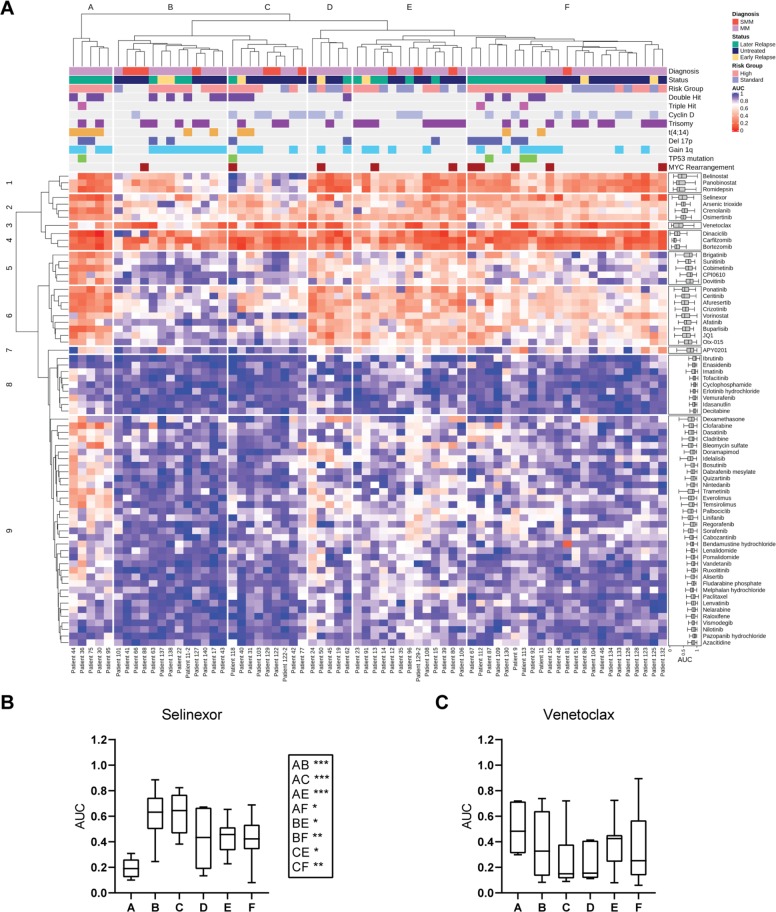
Seventy-six FDA-approved oncology drugs and emerging therapeutics were evaluated in 25 multiple myeloma (MM) and 15 non-Hodgkin's lymphoma cell lines and in 113 primary MM samples. Ex vivo drug sensitivities were mined for associations with clinical phenotype, cytogenetic, genetic mutation, and transcriptional profiles. In primary MM samples, proteasome inhibitors, dinaciclib, selinexor, venetoclax, auranofin, and histone deacetylating agents had the broadest cytotoxicity. Of interest, newly diagnosed patient samples were globally less sensitive especially to bromodomain inhibitors, inhibitors of receptor tyrosine kinases or non-receptor kinases, and DNA synthesis inhibitors. Clustering demonstrated six broad groupings of drug sensitivity linked with genomic biomarkers and clinical outcomes. For example, our findings mimic clinical observations of increased venetoclax responsiveness in t(11;14) patients but also identify an increased sensitivity profile in untreated patients, standard genetic risk, low plasma cell S-Phase, and in the absence of Gain(1q) and t(4;14). In contrast, increased ex vivo responsiveness to selinexor was associated with biomarkers of poor prognosis and later relapse patients. This "direct to drug" screening resource, paired with functional genomics, has the potential to successfully direct appropriate individualized therapeutic approaches in MM and to enrich clinical trials for likely responders.
在 25 种多发性骨髓瘤 (MM) 和 15 种非霍奇金淋巴瘤细胞系以及 113 种原发性 MM 样本中评估了 76 种 FDA 批准的肿瘤药物和新兴疗法。挖掘了体外药物敏感性与临床表型、细胞遗传学、遗传突变和转录谱之间的关联。在原发性 MM 样本中,蛋白酶体抑制剂、dinaciclib、selinexor、venetoclax、auranofin 和组蛋白去乙酰化酶具有最广泛的细胞毒性。有趣的是,新诊断患者样本的全球敏感性普遍较低,尤其是对溴结构域抑制剂、受体酪氨酸激酶或非受体激酶抑制剂以及 DNA 合成抑制剂。聚类表明,六种广泛的药物敏感性分组与基因组生物标志物和临床结果相关。例如,我们的发现模拟了 t(11;14) 患者中 venetoclax 反应性增加的临床观察,但也在未治疗患者、标准遗传风险、低浆细胞 S 期以及没有 Gain(1q) 和 t(4;14) 中识别出增加的敏感性特征。相比之下,对 selinexor 的体外反应性增加与预后不良和晚期复发患者的生物标志物相关。这种“直接针对药物”的筛选资源与功能基因组学相结合,有可能成功指导 MM 中的个体化治疗方法,并为可能的应答者丰富临床试验。