Department of Medicine, Division of Hematology/Oncology, Mayo Clinic, Scottsdale, Arizona.
Department of Hematology and Medical Oncology, Winship Cancer Institute, Emory University School of Medicine, Atlanta, Georgia.
Blood Cancer Discov. 2024 Jan 8;5(1):34-55. doi: 10.1158/2643-3230.BCD-23-0062.
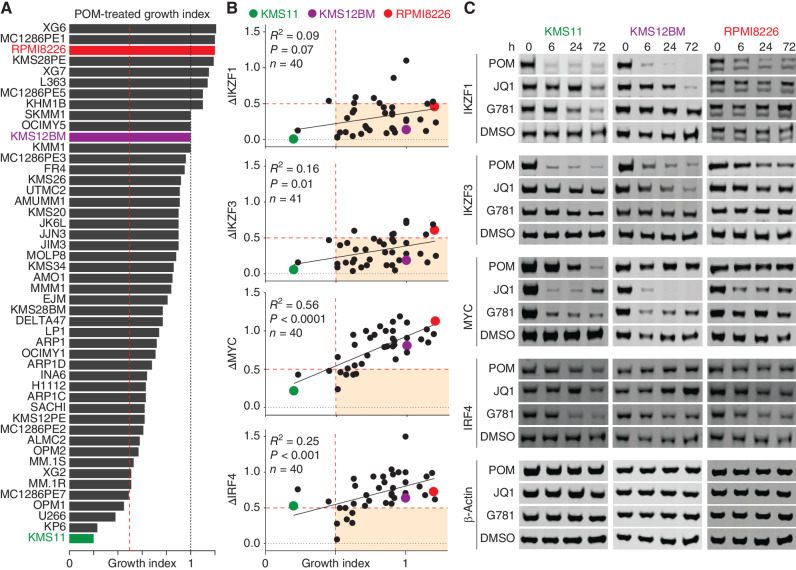
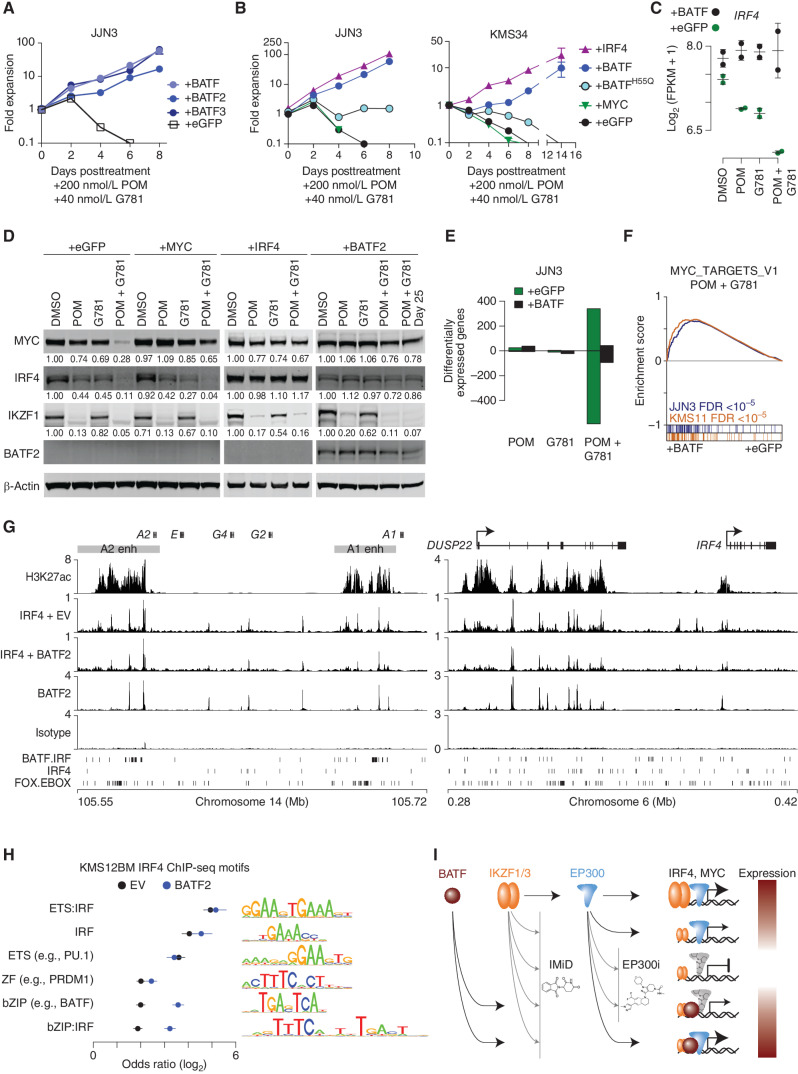
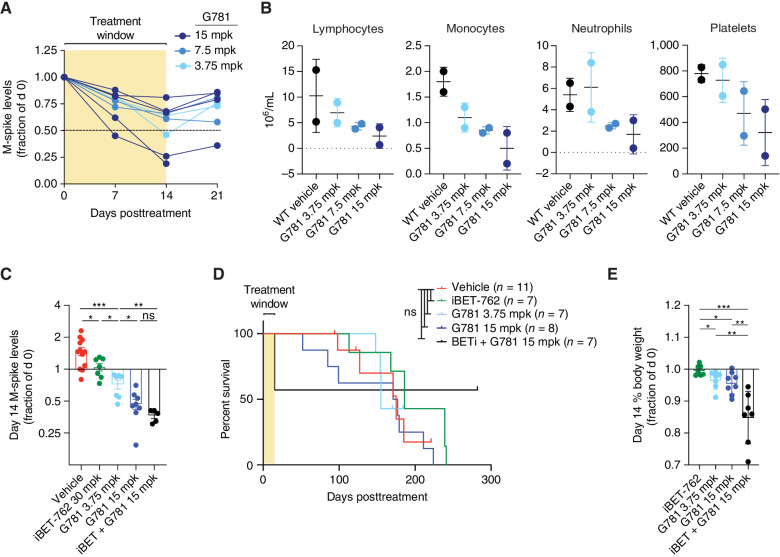
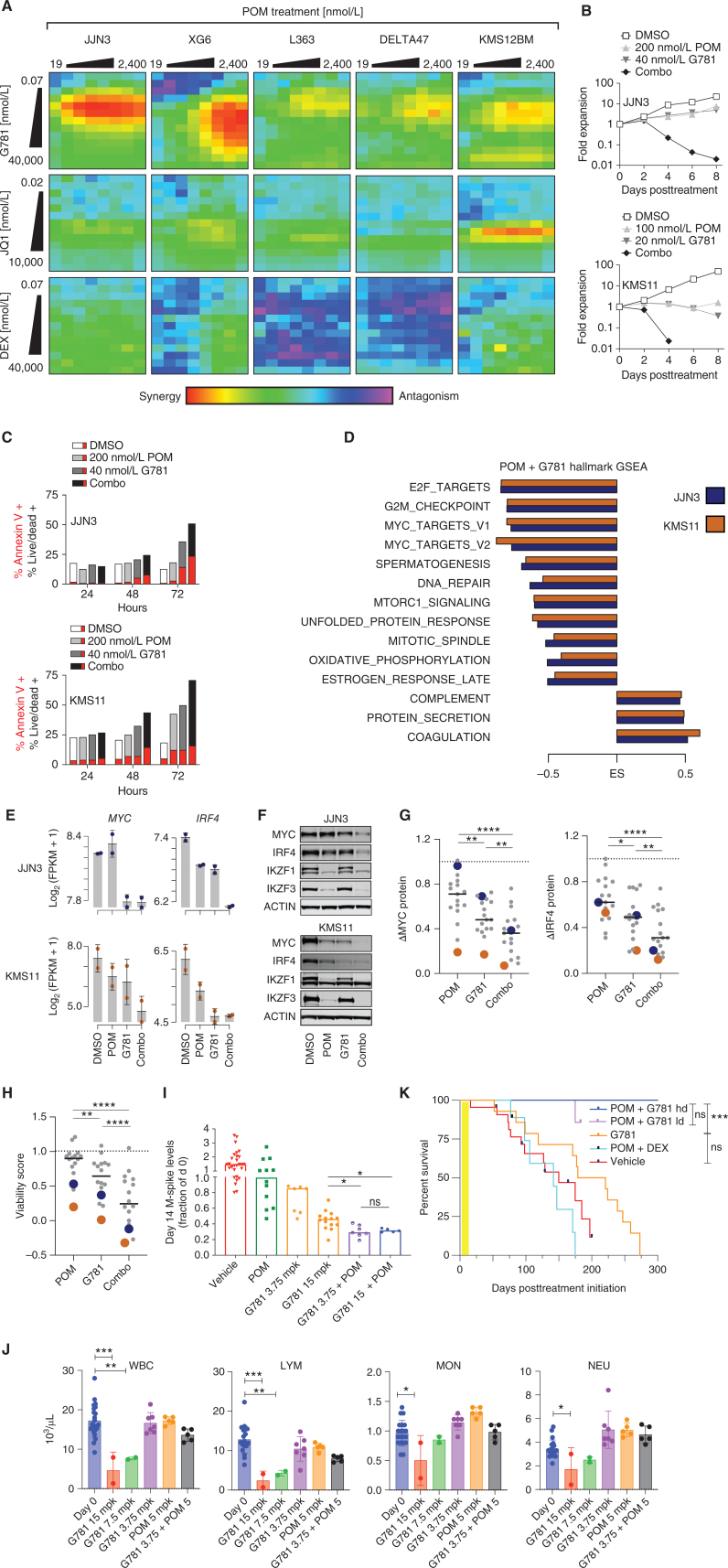
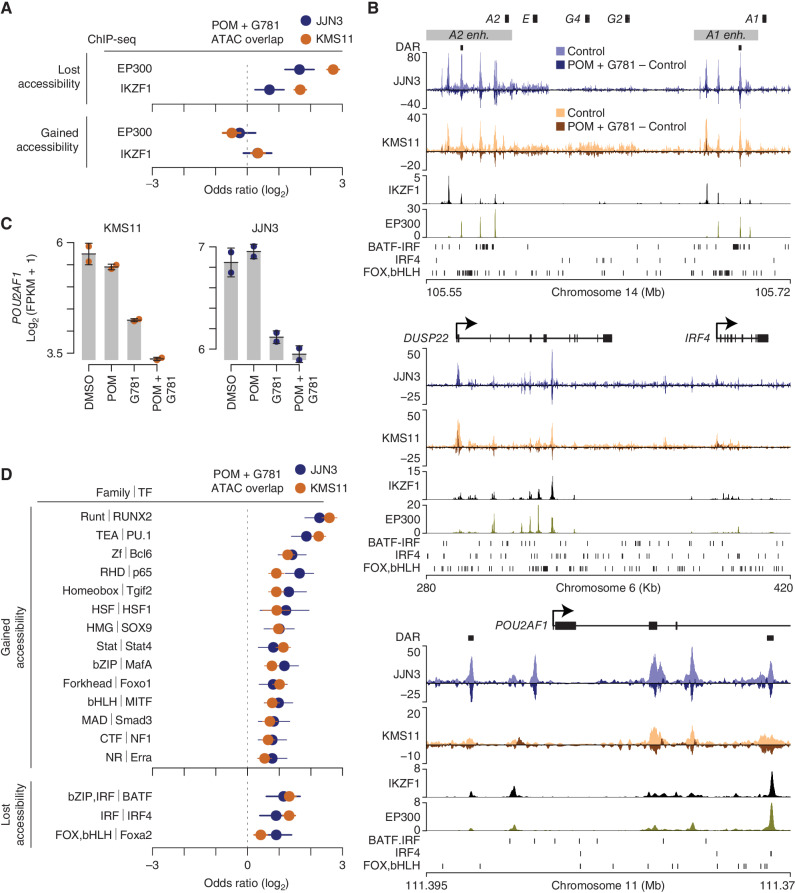
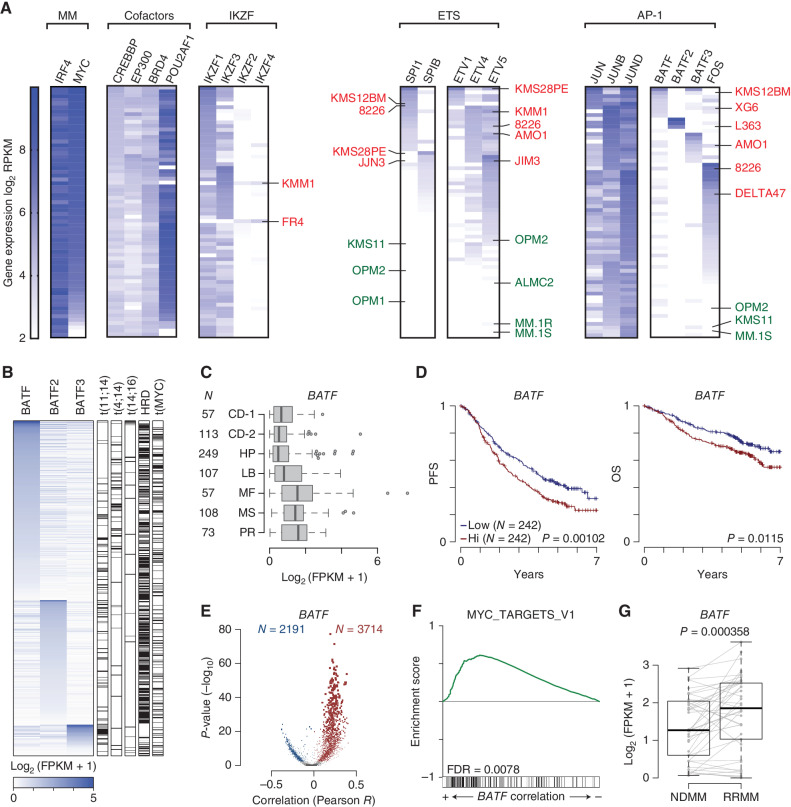
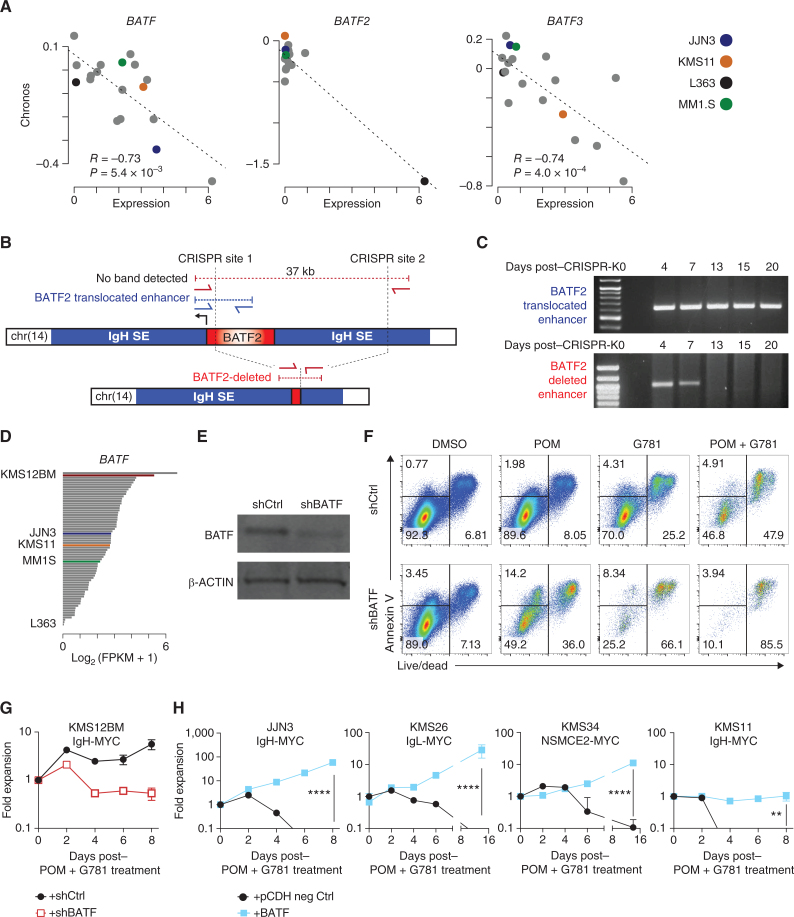
Multiple myeloma (MM) is a malignancy that is often driven by MYC and that is sustained by IRF4, which are upregulated by super-enhancers. IKZF1 and IKZF3 bind to super-enhancers and can be degraded using immunomodulatory imide drugs (IMiD). Successful IMiD responses downregulate MYC and IRF4; however, this fails in IMiD-resistant cells. MYC and IRF4 downregulation can also be achieved in IMiD-resistant tumors using inhibitors of BET and EP300 transcriptional coactivator proteins; however, in vivo these drugs have a narrow therapeutic window. By combining IMiDs with EP300 inhibition, we demonstrate greater downregulation of MYC and IRF4, synergistic killing of myeloma in vitro and in vivo, and an increased therapeutic window. Interestingly, this potent combination failed where MYC and IRF4 expression was maintained by high levels of the AP-1 factor BATF. Our results identify an effective drug combination and a previously unrecognized mechanism of IMiD resistance.
These results highlight the dependence of MM on IKZF1-bound super-enhancers, which can be effectively targeted by a potent therapeutic combination pairing IMiD-mediated degradation of IKZF1 and IKZF3 with EP300 inhibition. They also identify AP-1 factors as an unrecognized mechanism of IMiD resistance in MM. See related article by Neri, Barwick, et al., p. 56. See related commentary by Yun and Cleveland, p. 5. This article is featured in Selected Articles from This Issue, p. 4.
多发性骨髓瘤(MM)通常是由 MYC 驱动的恶性肿瘤,由其上调的 IRF4 维持,这些都是由超级增强子引起的。IKZF1 和 IKZF3 与超级增强子结合,可使用免疫调节亚胺类药物(IMiD)降解。成功的 IMiD 反应会下调 MYC 和 IRF4;然而,在 IMiD 耐药细胞中这会失败。在 IMiD 耐药肿瘤中,使用 BET 和 EP300 转录共激活蛋白抑制剂也可以下调 MYC 和 IRF4;然而,在体内这些药物的治疗窗口较窄。通过将 IMiD 与 EP300 抑制相结合,我们证明了对 MYC 和 IRF4 的更大下调,体外和体内协同杀伤骨髓瘤,以及增加治疗窗口。有趣的是,当 MYC 和 IRF4 的表达由高水平的 AP-1 因子 BATF 维持时,这种有效的组合就失效了。我们的结果确定了一种有效的药物组合和一个以前未被识别的 IMiD 耐药机制。
这些结果强调了 MM 对 IKZF1 结合的超级增强子的依赖性,通过将 IMiD 介导的 IKZF1 和 IKZF3 降解与 EP300 抑制相结合,这种超级增强子可以被一种有效的治疗组合靶向。它们还将 AP-1 因子确定为 MM 中未被识别的 IMiD 耐药机制。请参阅 Neri、Barwick 等人的相关文章,第 56 页。请参阅 Yun 和 Cleveland 的相关评论,第 5 页。本文是本期精选文章的特色文章,第 4 页。