Zhong Zi-Wen, Zhou Wen-Chang, Sun Xing-Feng, Wu Qi-Chao, Chen Wan-Kun, Miao Chang-Hong
Department of Anesthesiology, Fudan University Shanghai Cancer Center, Shanghai 200032, China.
Department of Oncology, Shanghai Medical College, Fudan University, Shanghai 200032, China.
Ann Transl Med. 2020 Apr;8(7):480. doi: 10.21037/atm.2020.03.28.
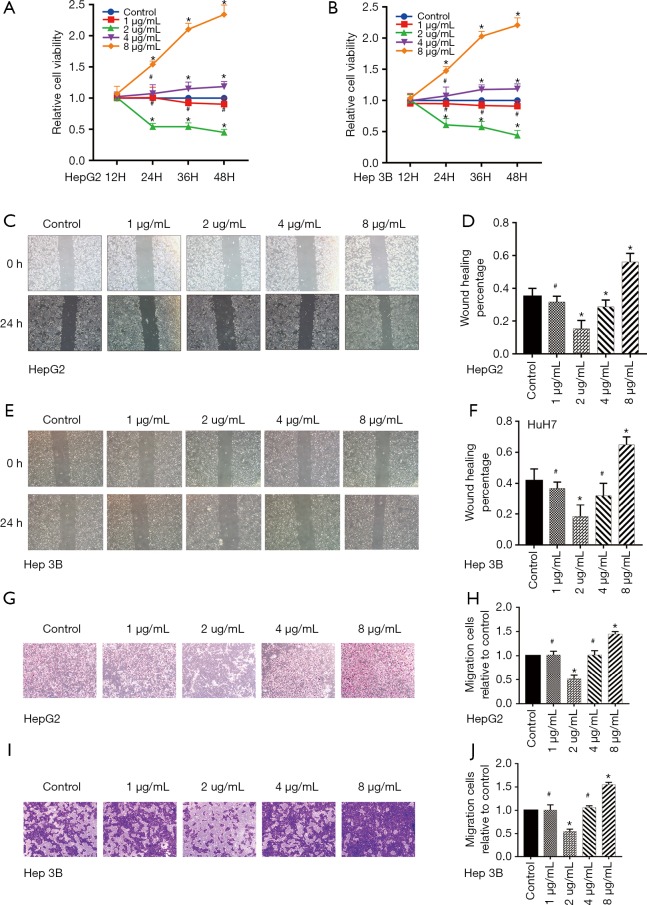
Due to the "ceiling effect" of respiratory depression and the non-addictiveness, the consumption of dezocine is increasing quickly in the cancer surgery perioperative period for security and comfort reasons in China. Former studies find dezocine inhibits the norepinephrine transporters (NET) and serotonin transporters (SERT) and sigma-1opioid receptors. Given the complexity of the molecular mechanism, the effect of dezocine on tumor cells need to be studied. In this study, we investigated the effect of dezocine on HepG2 and Hep 3B liver cancer cell lines growth and glycolysis, and the molecular mechanisms behind.
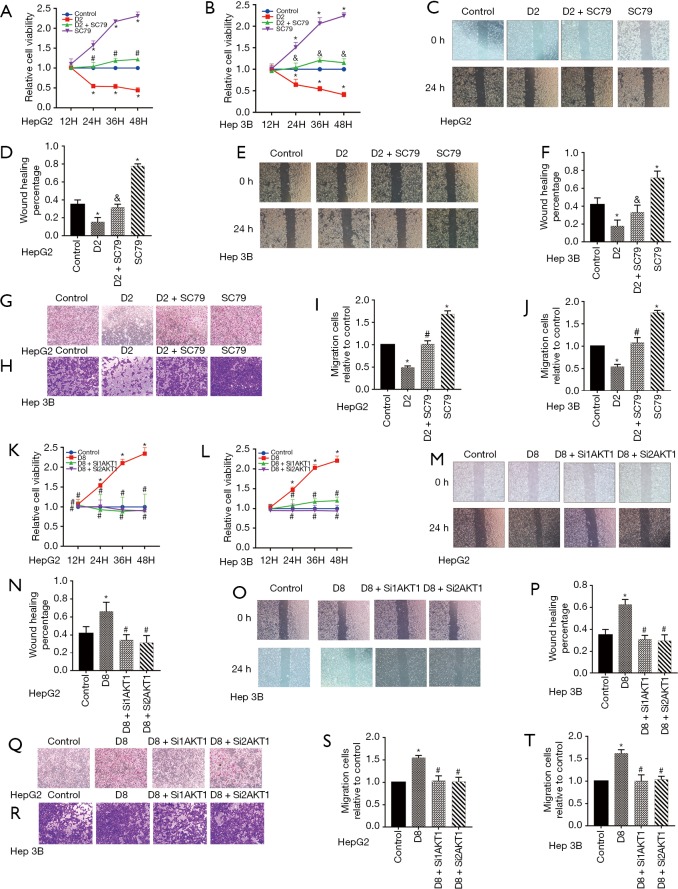
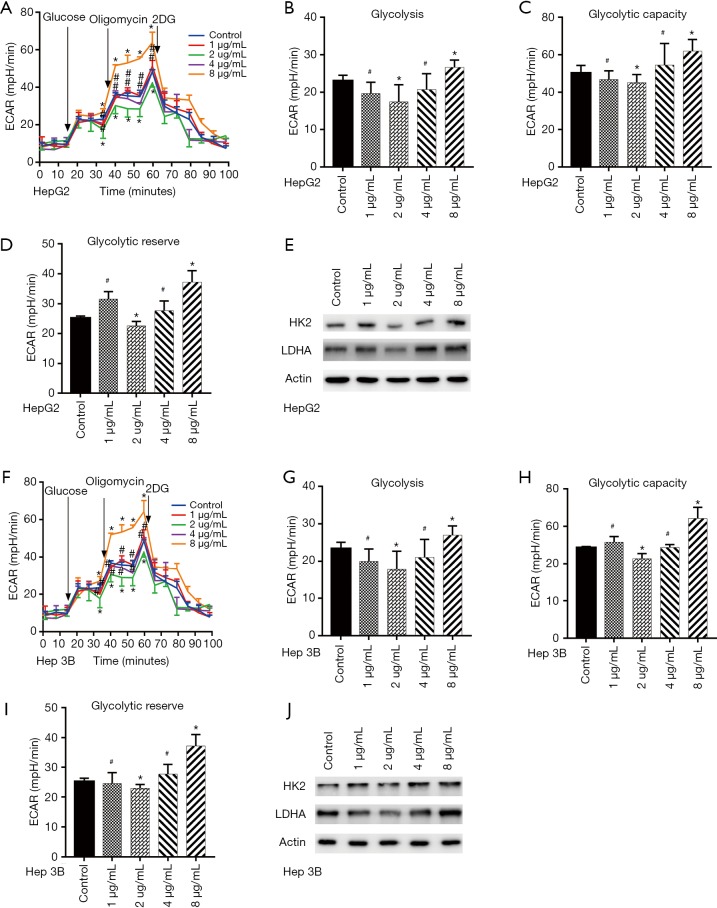
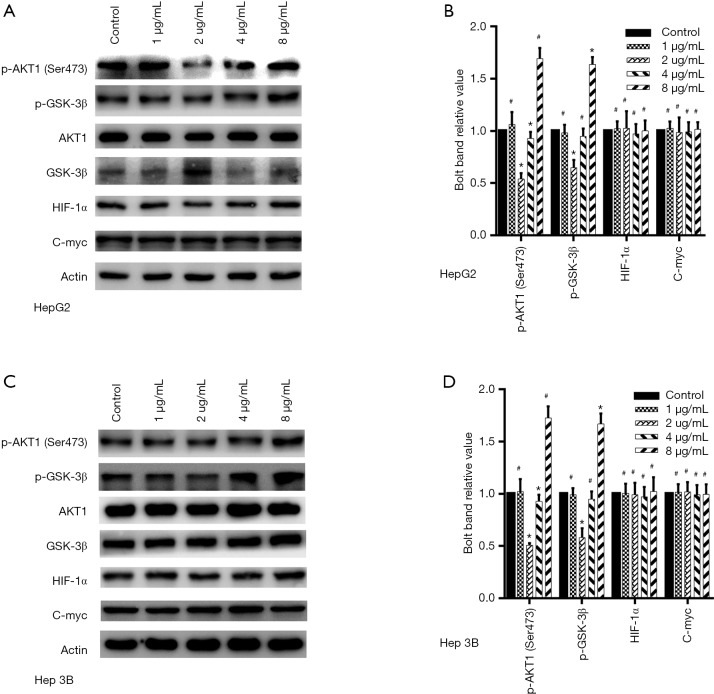
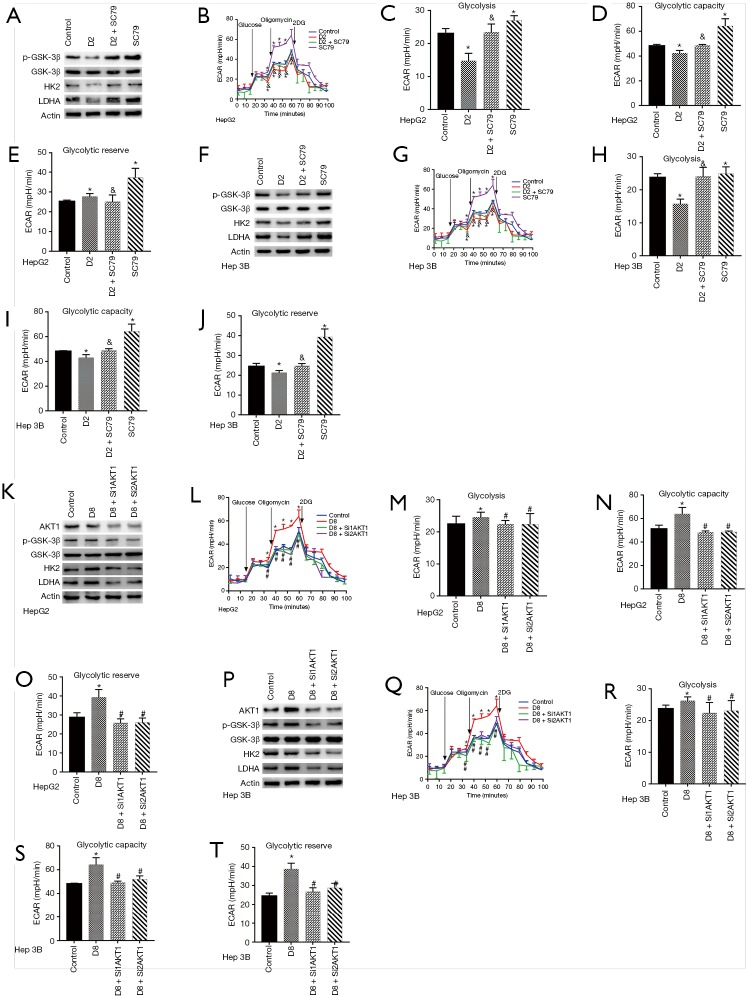
HepG2 and Hep 3B cells viability and migration were measured by CCK8, Wound healing and transwell assay, Extracellular acidification rate (ECAR) was used to index the aerobic glycolysis of liver cancer cells and western blot analysis showed protein expression levels in the cells. SC79, an agonist of Akt, and the siRNA silence of Akt1 aimed to regulate Akt1 activity and expression in the reverse experiments.
Dezocine played opposite roles in HepG2 and Hep 3B cells viability and migration in a concentration-dependent manner (P<0.01). Dezocine has diverse effects on aerobic glycolysis and adjusts the serine/threonine kinase 1 (Akt1)-glycogen synthase kinase-3β (GSK-3β) pathway. The effects of SC79 and the siRNA silence of Akt1 could reverse the effects of dezocine on HepG2 and Hep 3B cells.
As an analgesic drug widely used in clinical practice, dezocine play reversed roles on HepG2 and Hep 3B cells viability and migration targeting Akt1/GSK-3β pathway then the glycolysis in a concentration-dependent manner.
由于呼吸抑制的“天花板效应”及无成瘾性,出于安全性和舒适性考虑,在中国癌症手术围术期地佐辛的使用量迅速增加。既往研究发现地佐辛可抑制去甲肾上腺素转运体(NET)、5-羟色胺转运体(SERT)及σ-1阿片受体。鉴于分子机制的复杂性,地佐辛对肿瘤细胞的作用有待研究。本研究中,我们探讨了地佐辛对HepG2和Hep 3B肝癌细胞系生长及糖酵解的影响及其背后的分子机制。
采用CCK8法、划痕实验和Transwell实验检测HepG2和Hep 3B细胞的活力和迁移能力,用细胞外酸化率(ECAR)作为肝癌细胞有氧糖酵解的指标,蛋白质免疫印迹法检测细胞中的蛋白表达水平。在反向实验中,使用Akt激动剂SC79及Akt1的小干扰RNA(siRNA)沉默来调节Akt1的活性和表达。
地佐辛对HepG2和Hep 3B细胞的活力和迁移具有浓度依赖性的相反作用(P<0.01)。地佐辛对有氧糖酵解有不同影响,并调节丝氨酸/苏氨酸激酶1(Akt1)-糖原合成酶激酶-3β(GSK-3β)信号通路。SC79及Akt1的siRNA沉默的作用可逆转地佐辛对HepG2和Hep 3B细胞的影响。
作为临床广泛应用的镇痛药,地佐辛通过靶向Akt1/GSK-3β信号通路,对HepG2和Hep 3B细胞的活力和迁移以及糖酵解具有浓度依赖性的相反作用。