Lu Tao, Song Bin, Pu Hong, Li Kui-De, Huang Meng-Wei, Mei Jie, Wang Shao-Yu
Department of Radiology, Sichuan Academy of Medical Sciences & Sichuan Provincial People's Hospital, Chengdu 610072, China.
Department of Radiology, West China Hospital, Sichuan University, Chengdu 610037, China.
Transl Androl Urol. 2020 Apr;9(2):258-266. doi: 10.21037/tau.2019.12.27.
The incidence of placenta accreta spectrum (PAS) disorders has increased rapidly in recent years and is associated with several maternal and neonatal complications. Intravoxel incoherent motion (IVIM) imaging is a method which can assess placental perfusion quantitatively. Therefore, the first aim of this study was to investigate whether patients with adverse maternal and neonatal outcomes of PAS disorders differed in the parameters from IVIM. A second aim was to identify these parameters for adverse peripartum outcome in gravid patients at risk for PAS.
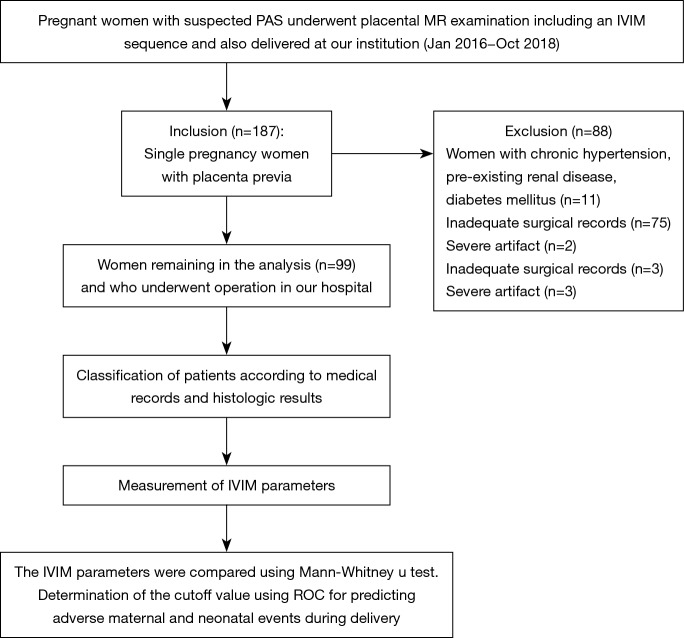
The subject group consisted of patients with placenta previa, in which 75 patients had PAS disorders and 24 patients did not have PAS disorders between 28+0 and 39+6 weeks, respectively. All women underwent magnetic resonance imaging (MRI) examination including an IVIM sequence with 8 b values on a 1.5T scanner. The perfusion fraction (f), pseudodiffusion coefficient (D*), and standard diffusion coefficient (D) were calculated. All medical records were received postpartum. The final degree of placental invasion was established either by placental villi alterations from a placental sample or from maternity records of the women's general practitioners.
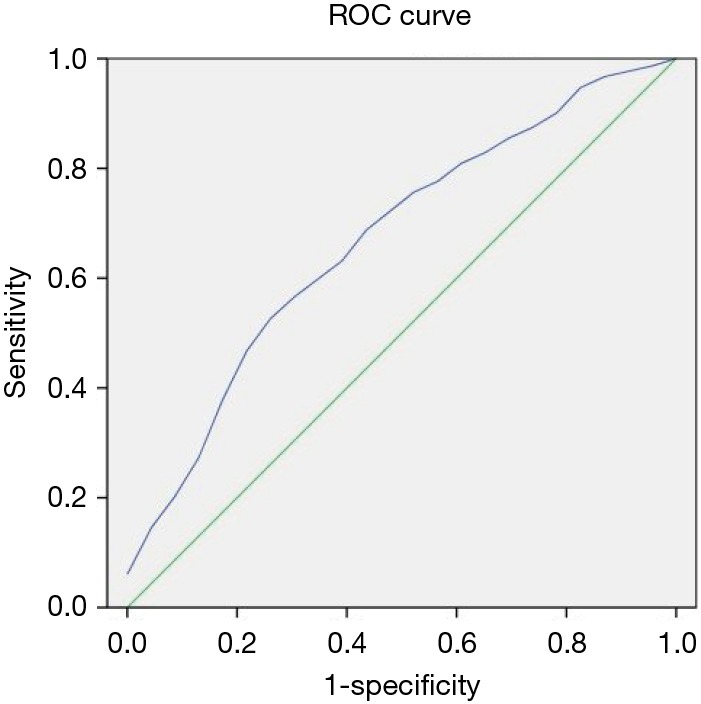
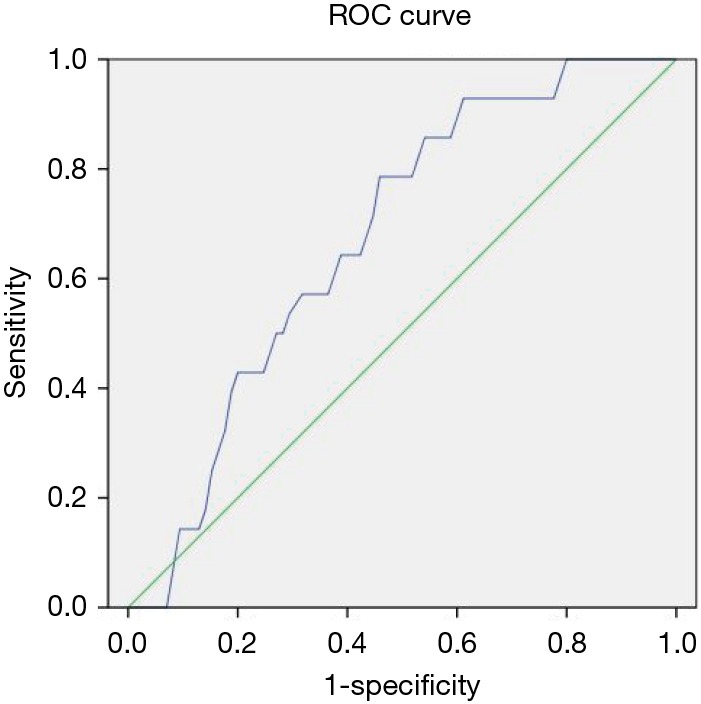
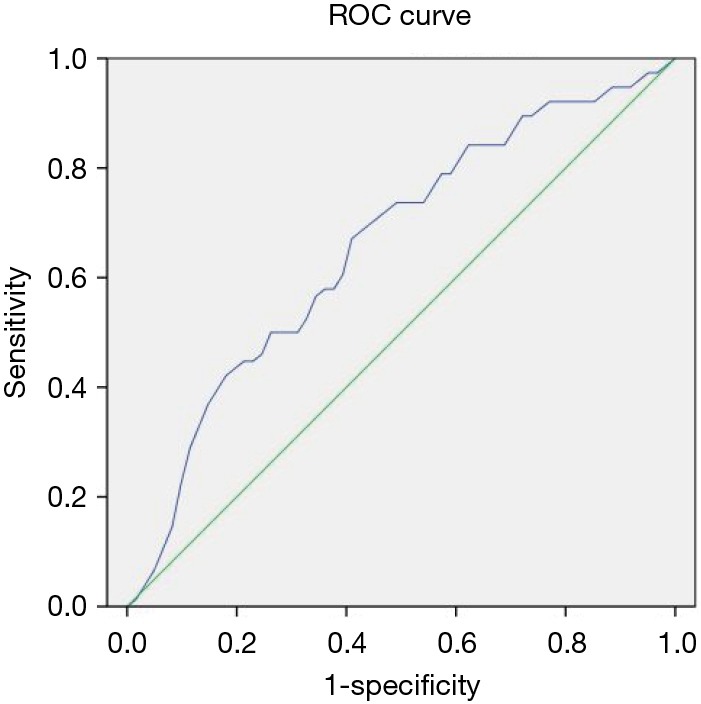
Women with PAS disorders had a higher perfusion fraction (34.12%) than women without the disease (29.39%) (P<0.05). The perfusion fraction was 36.86% in women with massive blood loss and was 35.15% in women requiring transfusion, which was higher than women without massive blood loss and not requiring transfusion (P<0.05). The D value was 1.65×10 mm/s in women with low birth weight, which was lower than that in women with appropriate birth weight (1.70×10 mm/s) (P<0.05).
Patients with PAS disorders differed in placental perfusion fraction from women without PAS disorders. The f and D value may be used to recognize patients with certain adverse clinical outcomes.
近年来,胎盘植入谱系障碍(PAS)的发病率迅速上升,并与多种孕产妇和新生儿并发症相关。体素内不相干运动(IVIM)成像是一种可定量评估胎盘灌注的方法。因此,本研究的首要目的是调查PAS障碍孕产妇和新生儿不良结局患者在IVIM参数上是否存在差异。第二个目的是确定有PAS风险的妊娠患者围产期不良结局的这些参数。
研究对象为前置胎盘患者,其中75例在孕28⁺⁰至39⁺⁶周期间患有PAS障碍,24例未患PAS障碍。所有女性均接受了磁共振成像(MRI)检查,包括在1.5T扫描仪上进行的具有8个b值的IVIM序列检查。计算灌注分数(f)、伪扩散系数(D*)和标准扩散系数(D)。所有病历均在产后获取。通过胎盘样本中的胎盘绒毛改变或女性全科医生的产科记录确定最终的胎盘侵入程度。
患有PAS障碍的女性的灌注分数(34.12%)高于未患该疾病的女性(29.39%)(P<0.05)。大量失血女性的灌注分数为36.86%,需要输血的女性为35.15%,均高于无大量失血且无需输血的女性(P<0.05)。低出生体重女性的D值为1.65×10⁻³mm²/s,低于出生体重正常女性(1.70×10⁻³mm²/s)(P<0.05)。
PAS障碍患者的胎盘灌注分数与未患PAS障碍的女性不同。f和D值可用于识别具有某些不良临床结局的患者。